In 2025, the InterAcademy Partnership was investing in a new generation of academy-led initiatives through its Small Competitive Grants programme. The selected projects highlight the strength and diversity of IAP’s global network and its shared commitment to ensuring that science informs policy, strengthens institutions and responds to urgent societal needs.
Spanning Africa, the Caribbean, Europe and the Mediterranean, the 2025 projects tackle some of the most pressing global challenges of our time, from food insecurity and climate impacts to research reform, Indigenous knowledge and science diplomacy. Together, they demonstrate how academies can translate evidence into meaningful action.
Addressing Food Security Disparities through Collaborative Regional Policy Frameworks
Recipient: Caribbean Academy of Sciences
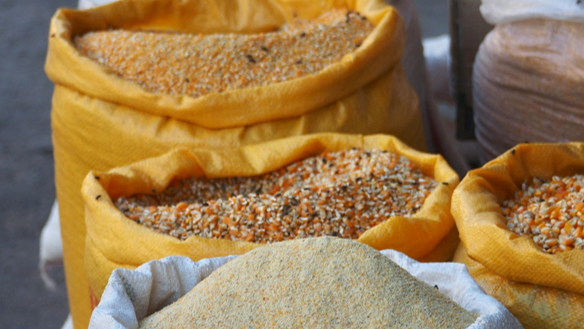
This project responds to growing food and nutrition security challenges in the Caribbean where climate change, supply chain disruptions and high food import dependence have intensified vulnerability. The initiative aims to strengthen regional collaboration and integrate evidence-based science into food and agriculture policy through an Integrated Resources Framework.
The project will support the development of updated regional food and nutrition security policies, engage multisectoral stakeholders including financial institutions and trade actors and produce an Agricultural Resilience Toolkit. By combining research, workshops and policy recommendations, the project seeks to enhance agricultural resilience, reduce food price shocks and improve governance of food systems across CARICOM states.
Science for Society: Fostering the Young Generation in Moldova Towards Evidence-Based Decisions
Recipient: Academy of Sciences of Moldova
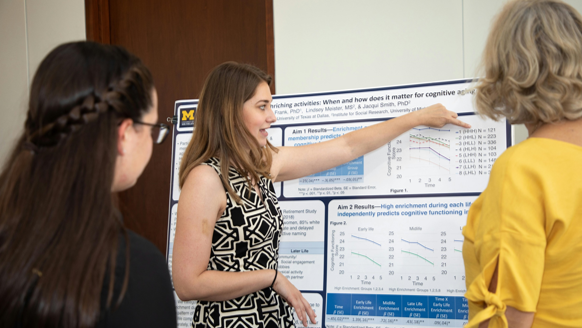
This project aims to strengthen dialogue between scientists, society and decision-makers in Moldova and Romania by enhancing science communication and policy engagement. In response to declining trust in science and limited public access to scientific information, the initiative focuses on making research more accessible and relevant to public decision-making.
Key activities include the organisation of workshops, webinars, podcasts and the creation of an online information platform. Through close collaboration with the Romanian Academy and international IAP networks, the project seeks to promote evidence-based policymaking, combat misinformation and increase the visibility and societal impact of scientific research.
The Effect of Falling Production of Sugarcane and Fish in East African Agricultural Economies
Recipient: Kenya Academy of Sciences
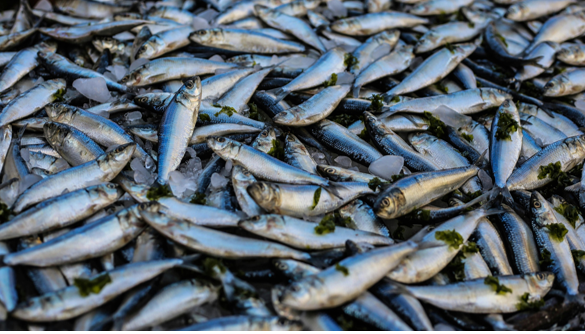
This regional project investigates declining sugarcane and fish production across Kenya, Ethiopia, Mozambique, Mauritius and Uganda. These sectors are critical to livelihoods, food security and national economies yet face common challenges related to climate change, water scarcity, limited investment and market volatility.
By convening farmers, fisherfolk, researchers and policymakers through a series of workshops and collaborative research activities, the project aims to identify barriers along the value chain, collect relevant production and market data and develop actionable policy recommendations. The goal is to support sustainable practices, enhance productivity and strengthen regional food and economic resilience.
Empowering Young Academies to Investigate and Re-think Research Assessment Practices for Equity and Inclusion in Africa
Recipient: Cameroon Academy of Sciences
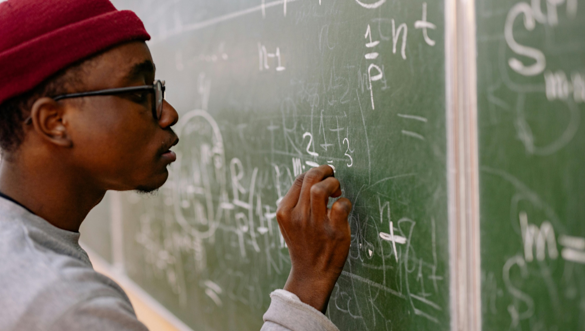
This project addresses disparities in research assessment practices that affect early career researchers across Africa. Recognising the diversity of socio-economic and institutional contexts on the continent, the initiative seeks to examine how current evaluation models influence recruitment, promotion and access to funding.
Through surveys, workshops and roundtable discussions involving National Young Academies, senior academies and international partners, the project aims to generate evidence on entry-level professorship requirements, grant eligibility criteria and membership models. The outcomes will contribute to ongoing global efforts to reform research evaluation and promote more equitable and inclusive systems.
Learning Collaborative on the Role of Science, Technology and Innovation Advancement Policies in Leveraging Youth Development in Africa
Recipient: Uganda National Academy of Sciences
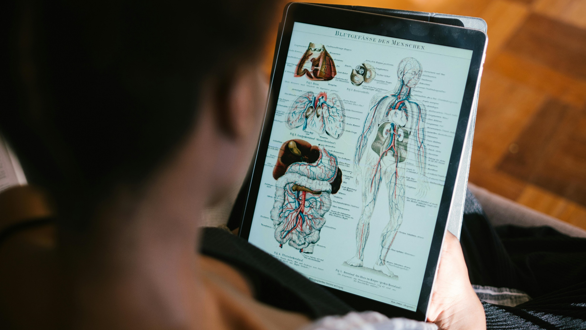
This consensus study examines how investments in science, technology and innovation (STI) policies influence youth development and human capital in Africa. With a rapidly growing young population entering the labour market, the project seeks to generate evidence on how STI policies can better support skills development and economic growth.
A multidisciplinary committee of experts from African academies and international institutions will review case studies, engage stakeholders and develop conclusions and recommendations. The project will culminate in a report disseminated at the Annual Meeting of African Science Academies with follow-up national dissemination activities across participating countries.
Threats to the Mediterranean Marine Ecosystems in a Warming World
Recipient: Cyprus Academy of Sciences, Letters and Arts

This project focuses on the impacts of climate change on marine and coastal ecosystems in the Eastern Mediterranean, a region that remains less studied despite facing significant environmental pressures. Building on earlier regional initiatives, the project aims to update scientific understanding of warming trends, sea level rise, acidification and invasive species.
By engaging academies from across the Mediterranean basin, the initiative will produce an updated assessment and policy-relevant outputs to inform decision-makers. The project also seeks to strengthen scientific input into future Mediterranean-wide assessments and foster collaboration between Eastern and Western Mediterranean research communities.
Enhancing the Role of African Women Scientists in Global Science Diplomacy
Recipient: Network of African Science Academies (NASAC)
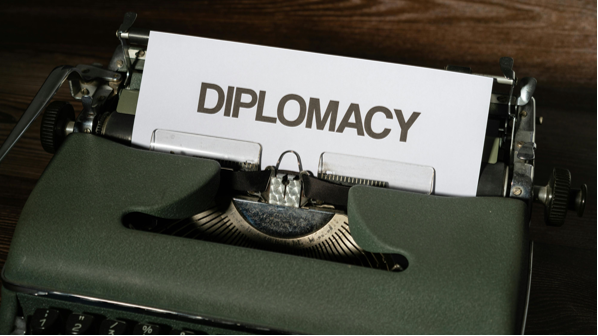
This project aims to strengthen the participation and visibility of African women scientists in science diplomacy, particularly in the context of global crises. In collaboration with EASAC and INGSA Africa, the initiative combines capacity-building, advocacy and knowledge production.
Core activities include a joint publication highlighting the contributions of African women scientists, a workshop to develop science diplomacy skills and regional and global policy dialogues. The project seeks to amplify women’s leadership, promote inclusive science-policy engagement and strengthen networks across Africa and beyond.
Strengthening the Knowledge Ecosystem: Engagement with Indigenous Knowledge Systems Across Learned Academies
Recipient: Australian Academy of Science
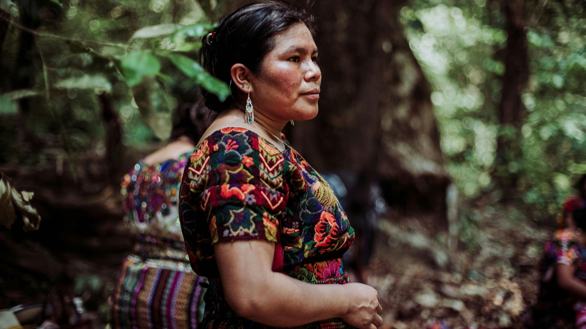
This global initiative establishes baseline data on how academies engage with Indigenous knowledge systems. Recognising the growing importance of Indigenous knowledge in addressing challenges such as climate change and biodiversity loss, the project aims to document current practices and identify opportunities for more meaningful engagement.
Through surveys and case studies conducted in collaboration with IAP regional networks and Indigenous knowledge holders, the project will analyse approaches across diverse contexts. The outcomes will inform future policy development, research collaboration and capacity-building efforts to strengthen inclusive and equitable knowledge ecosystems.
Climate Change and Health in the Mediterranean
Recipient: French Academy of Medicine

This project examines the health impacts of climate change in the Mediterranean region, which is particularly vulnerable to rising temperatures, water scarcity and extreme weather events. Using a One Health approach, the initiative brings together multiple academies to assess environmental and health risks and identify policy-relevant solutions.
Activities include webinars, an in-person workshop and the development of reports and policy briefs targeted at policymakers and citizens. The project aims to improve understanding of climate-related health impacts and support preventive and adaptive actions at regional and national levels.
These projects collectively showcase the power of international collaboration in science to inform policy, address global challenges and build a more inclusive, resilient and equitable world.