News
S7 academies release new statements on brain health, satellite constellations and Arctic change
Policy for Science
The Science7 (S7), which brings together the science academies of the G7 countries, has released three new statements addressing urgent global challenges ahead of the 2026 G7 Summit.
The statements focus on advancing brain health and mental health, managing the rapid expansion of large satellite constellations and responding to accelerating environmental change in the Arctic. Together, they underline the need for stronger international cooperation and evidence-informed policymaking.

The S7 statement on brain health calls on the G7 to make brain and mental health a cross-cutting policy priority. With brain disorders now affecting one in three people worldwide and costing the global economy more than USD 5 trillion annually, the statement highlights the growing need for coordinated action.
The recommendations include establishing a G7 Brain Health Advisory Council, increasing investment in research and innovation, improving cross-border data sharing and promoting a lifelong approach to prevention and care. The statement also emphasises the potential of neuroscience, digital technologies and artificial intelligence to advance brain health while reducing inequalities.
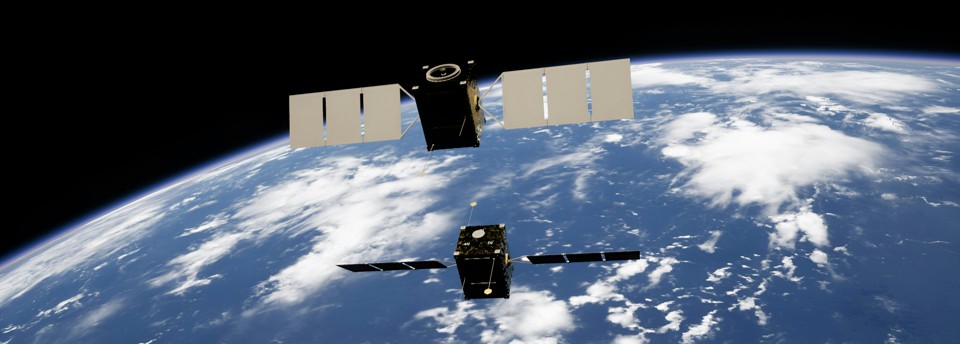
This statement examines the rapid growth of large satellite constellations in low Earth orbit and the opportunities they bring for global communication and Earth observation.
At the same time, the statement warns of mounting challenges linked to space debris, atmospheric impacts and disruptions to astronomy. The S7 calls for improved space traffic management and the development of global standards to support the long-term sustainability of near-Earth space.

This statement highlights the Arctic as one of the regions most affected by climate change, warming nearly four times faster than the global average over the past four decades.
The S7 urges the G7 to accelerate greenhouse gas reductions, strengthen international scientific cooperation and support adaptation of strategies grounded in scientific evidence and in accordance with national priorities. Priority actions include ensuring that indigenous and local knowledge and leaders are engaged in international governance and environmental decision-making.
The three statements reinforce the role of science in helping policymakers respond to complex global challenges.