News
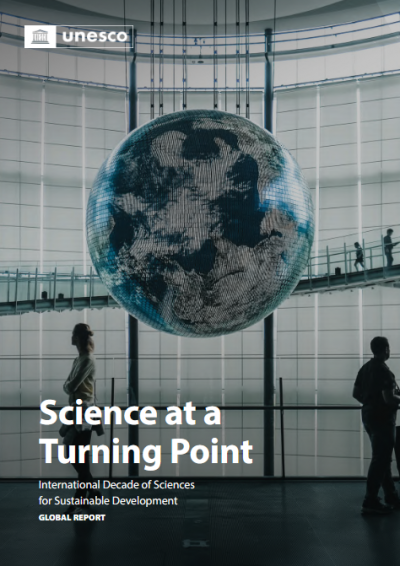
Science is advancing rapidly across the world, but access to its benefits remains deeply unequal. UNESCO’s first Global Report on the International Decade of Sciences for Sustainable Development takes stock of the first two years of the 2024–2033 Decade, highlighting both the momentum of the global scientific community and the persistent barriers limiting participation and impact.
The report comes at a critical moment. Climate disruption, biodiversity loss, water stress, persistent inequalities and rapid technological change are placing growing pressure on the 2030 Agenda for Sustainable Development. Science has a central role to play in helping societies understand these challenges, inform decisions and develop solutions where they are most needed.
Proclaimed by the United Nations General Assembly and led by UNESCO across the UN system, the International Decade brings together all fields of science, from the natural and physical sciences to the social sciences and humanities, to support sustainable development.
The report highlights a range of initiatives demonstrating what is possible when science is made more open and accessible. These include open laboratories, remote access to scientific equipment, data science schools, climate modelling, agroecology, artificial intelligence for sustainable development and programmes supporting women in science.
At the same time, the report highlights significant gaps. Many countries, particularly in Africa and Small Island Developing States, continue to face limited access to scientific infrastructure, skills and resources. Women and young researchers also continue to face barriers to full participation in scientific research and leadership.
The report identifies five areas requiring continued action:
The report argues that narrowing the global science divide is not only a matter of development. It is also a question of equity and human rights. The next phase of the Decade will need to translate the momentum of its first two years into sustained investment, stronger cooperation and measurable impact.
UNESCO will continue working with Member States and partners to promote science that is open, trusted, responsibly governed and shared more fairly, with the goal of ensuring that science contributes to a more sustainable future for all.
Read the full report: Science at a Turning Point