2025 IAP Triennial Conference and General Assembly
Overview
Bridging Science, Policy, and Society in an Era of Transformation
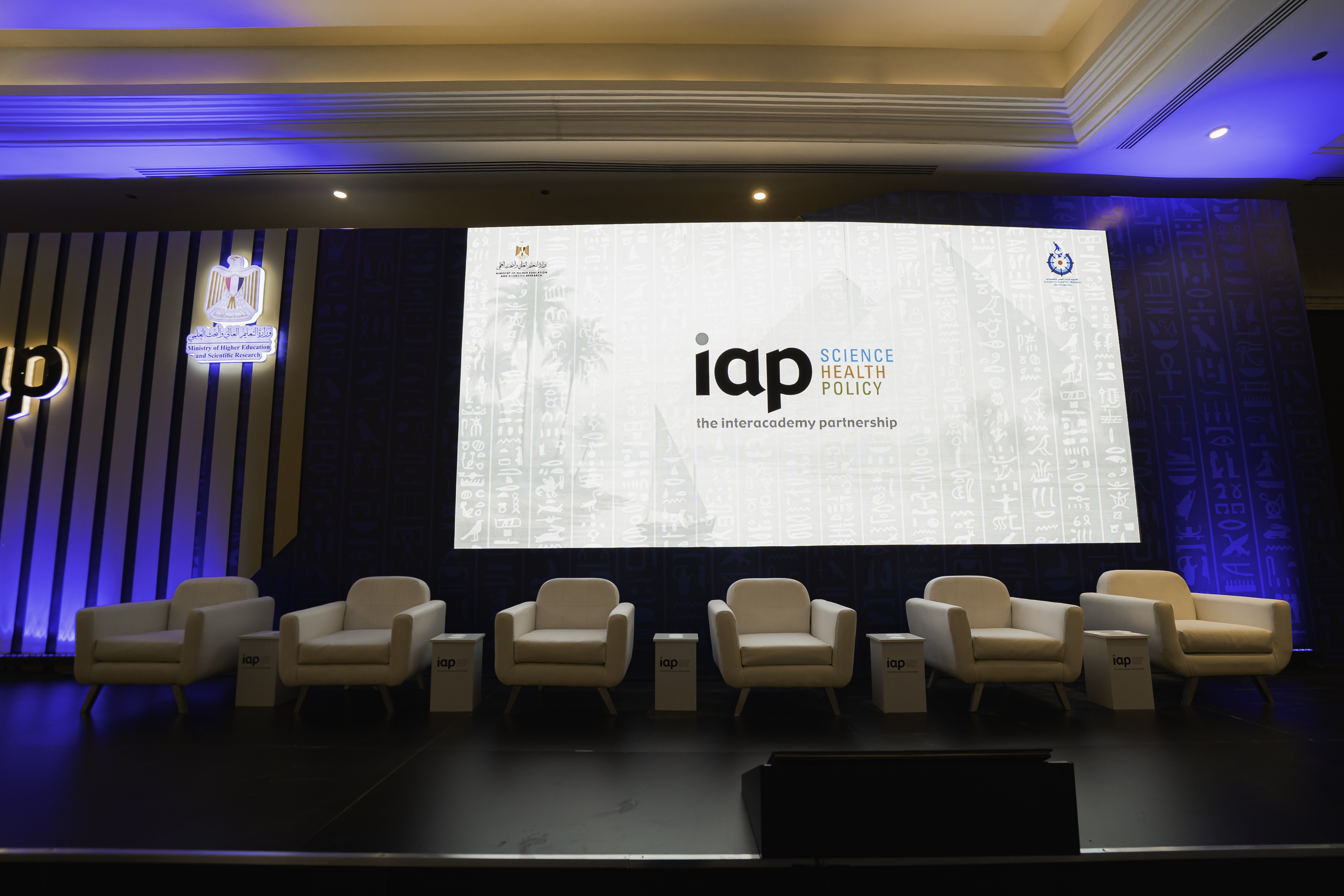
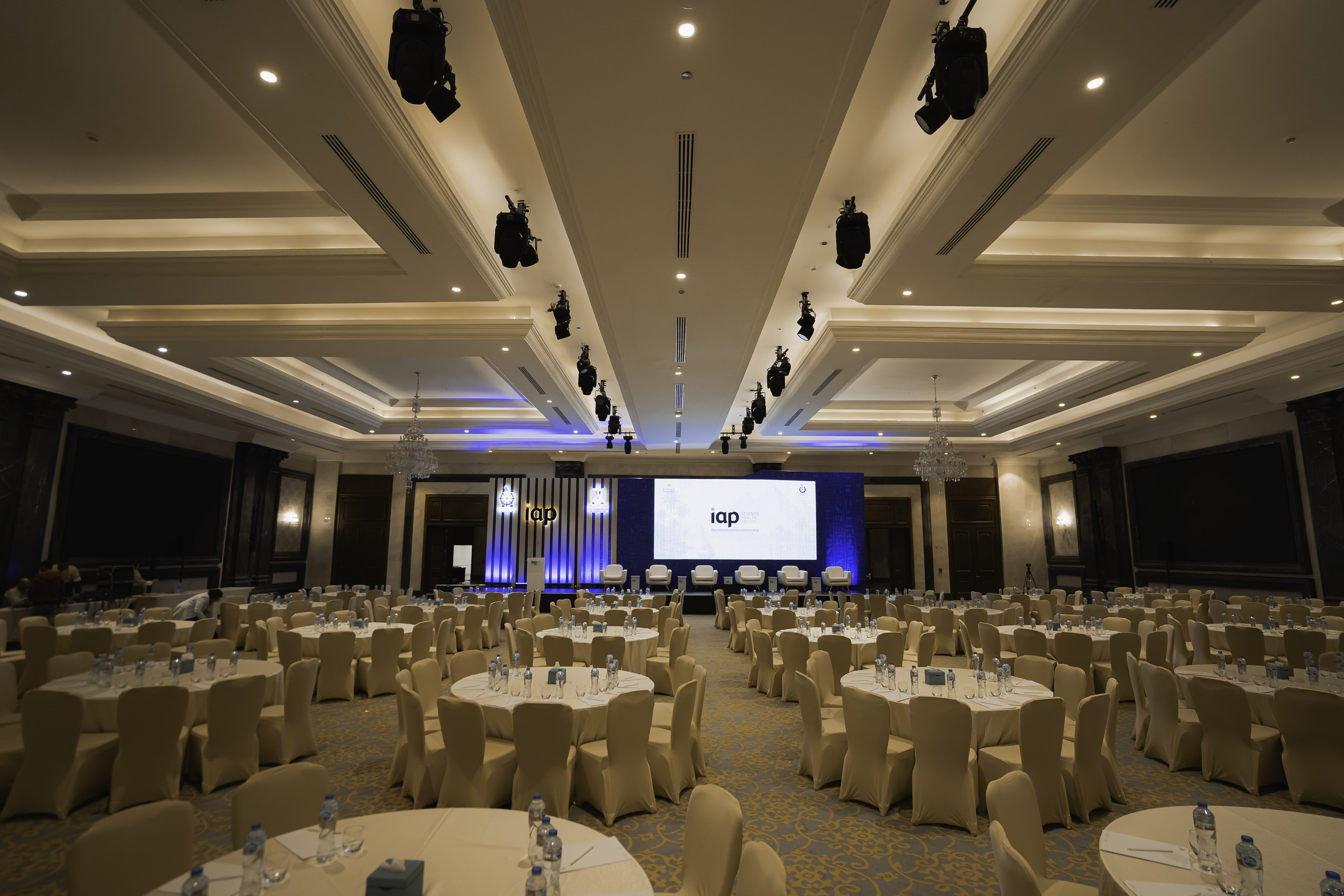
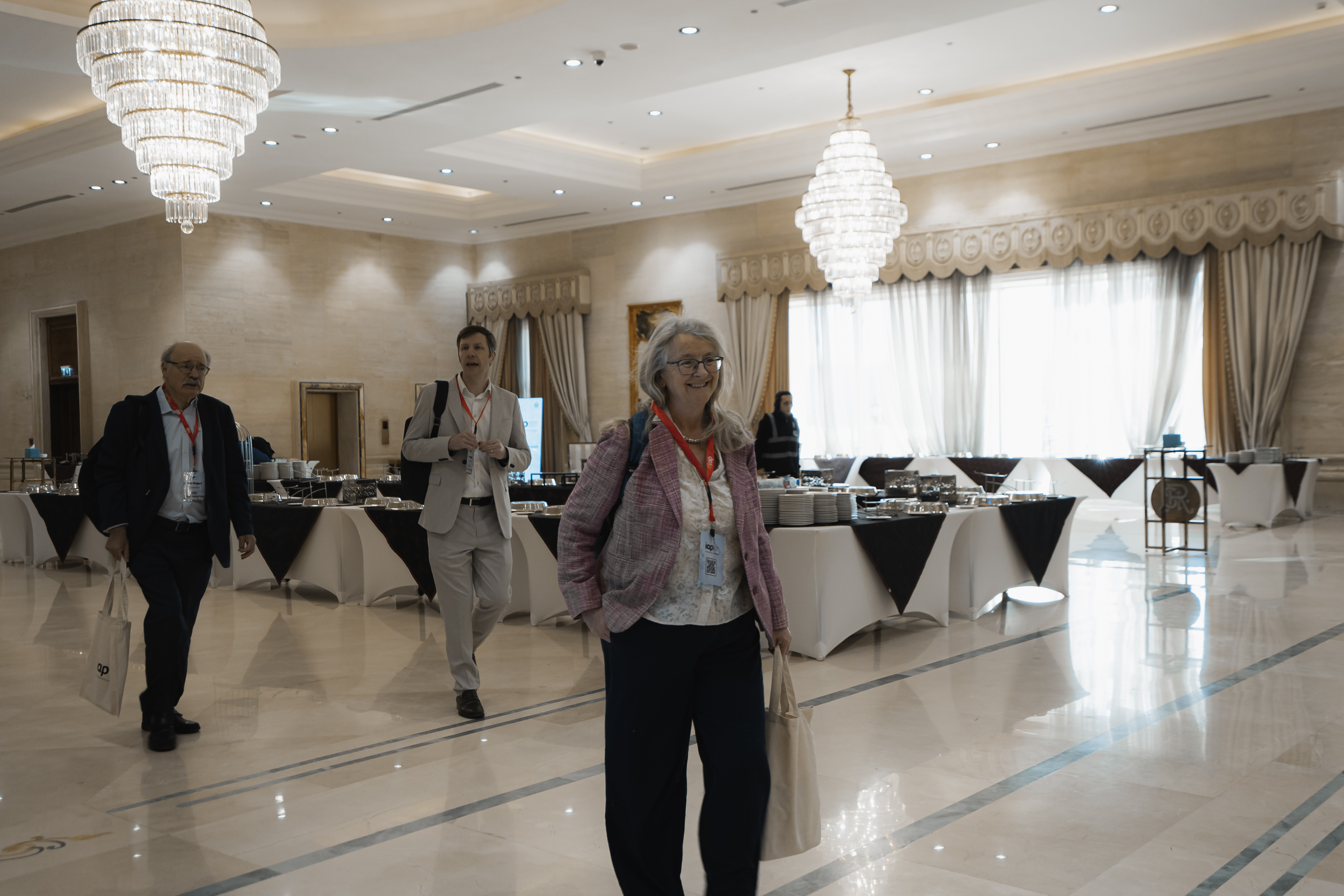
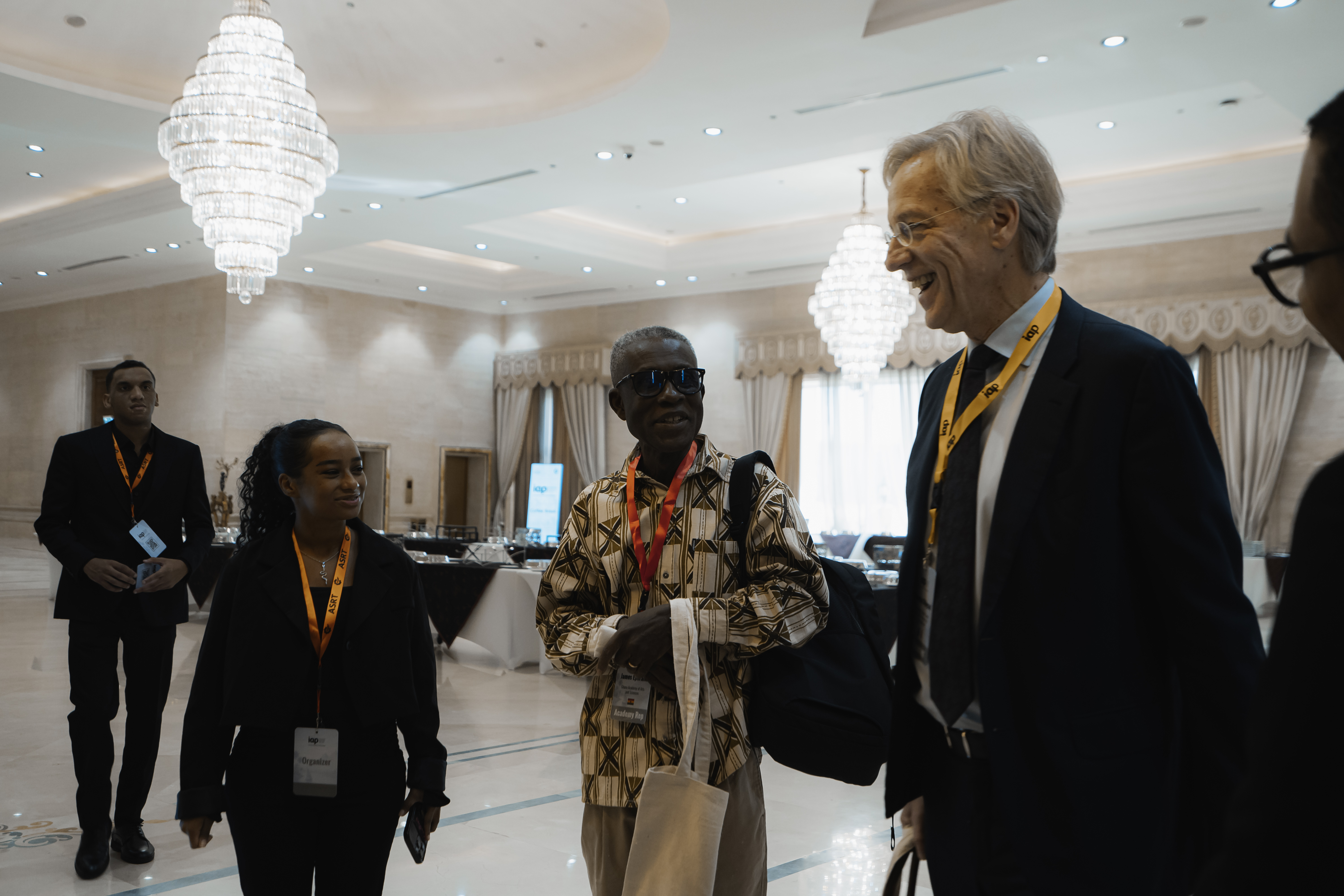
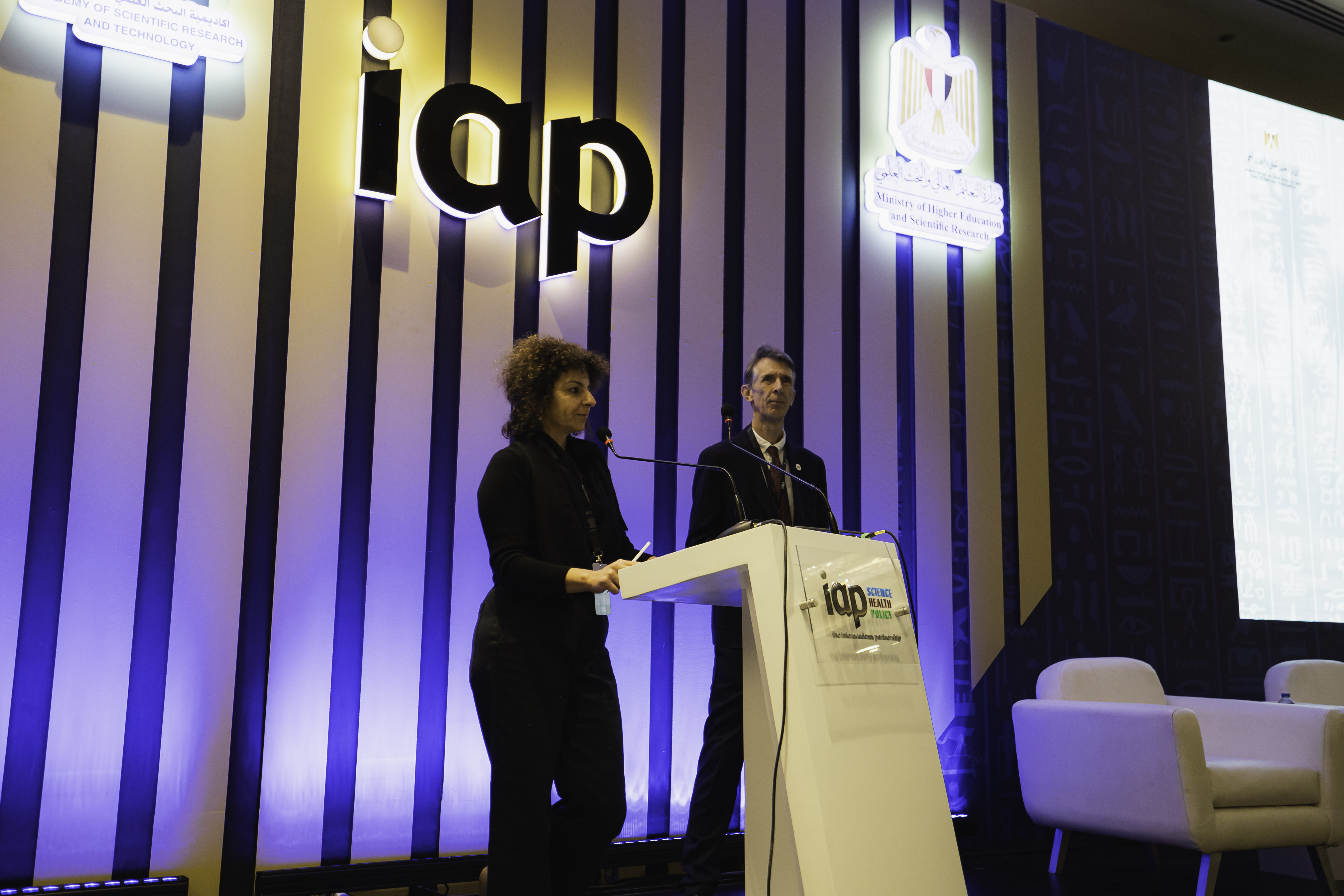
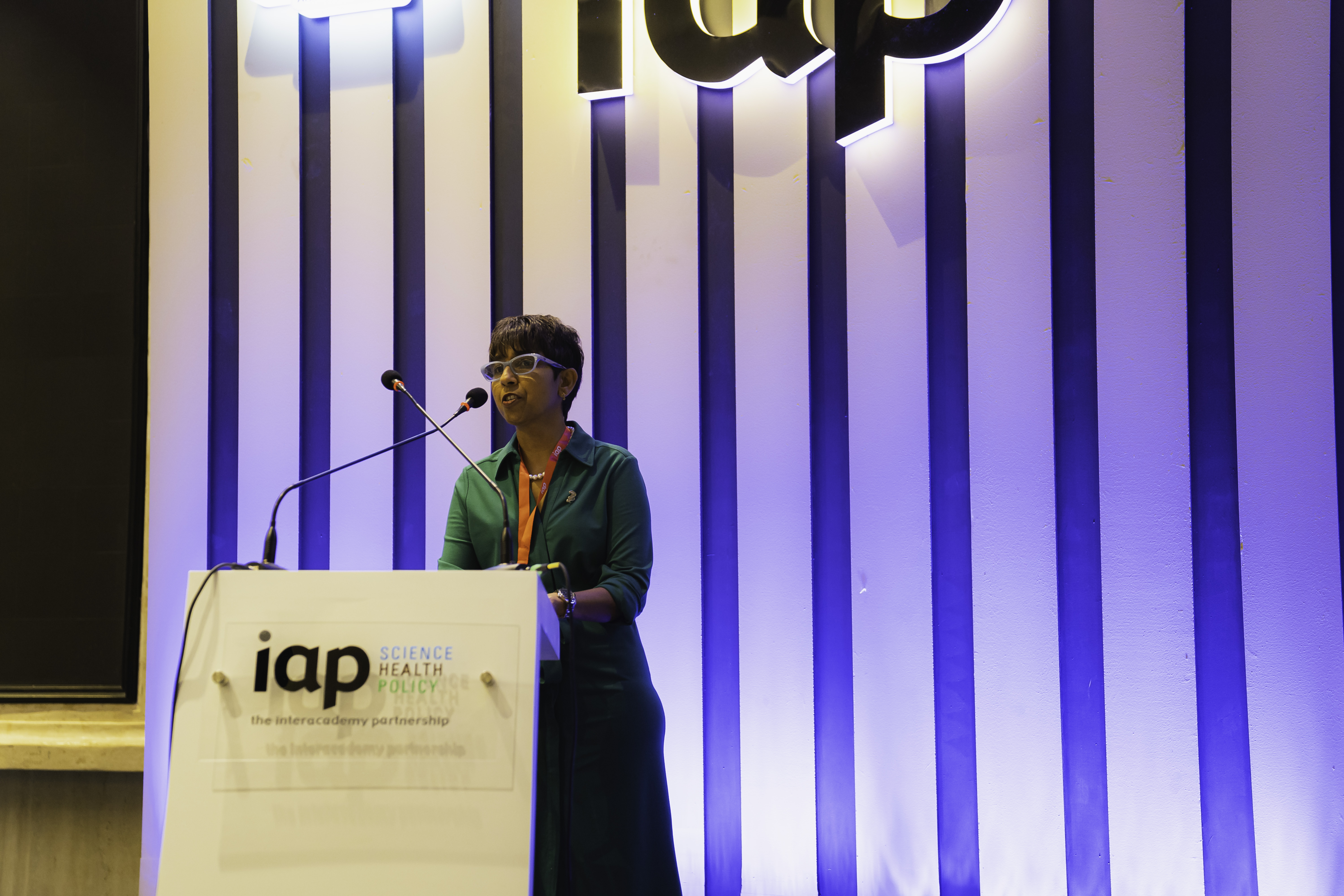
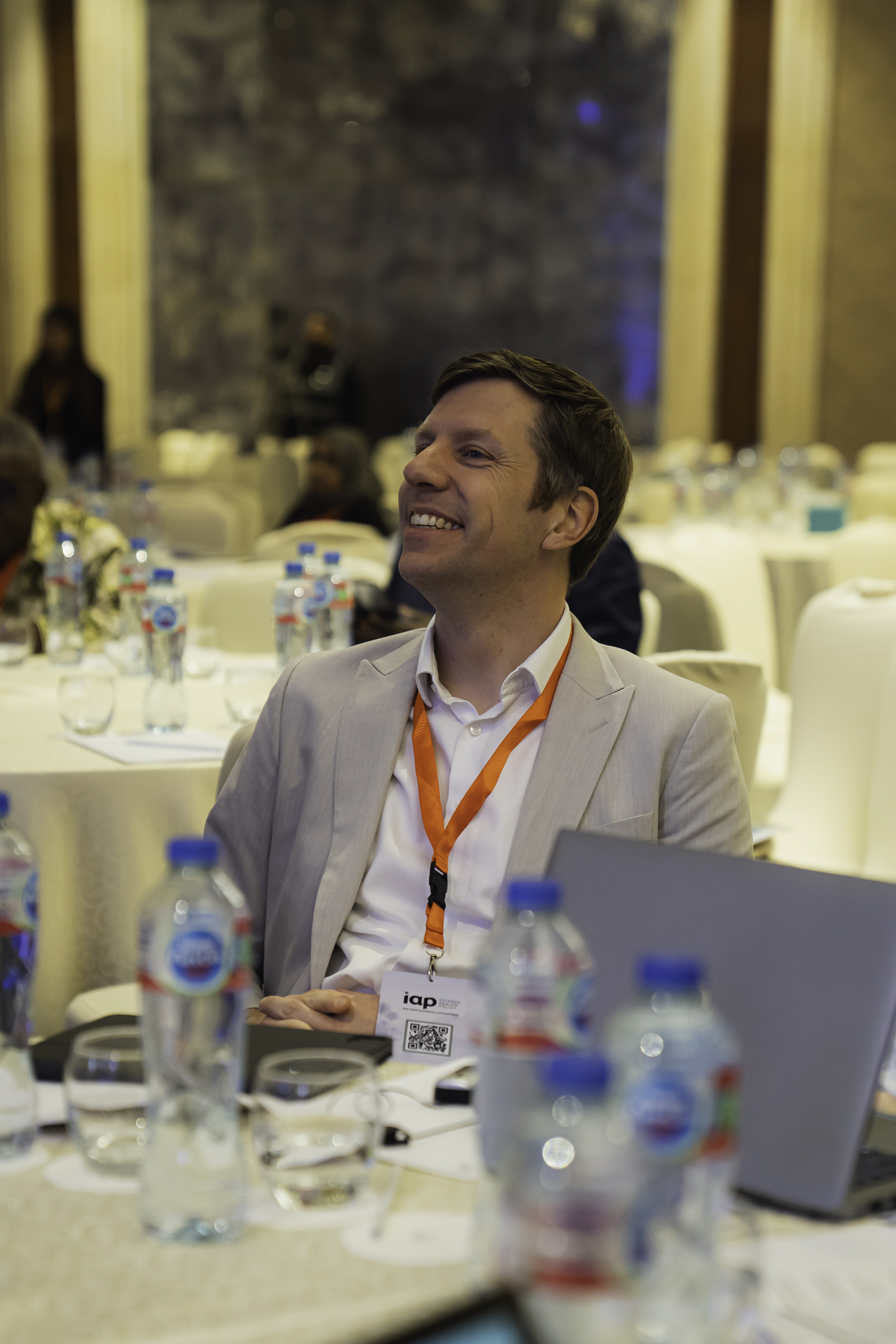
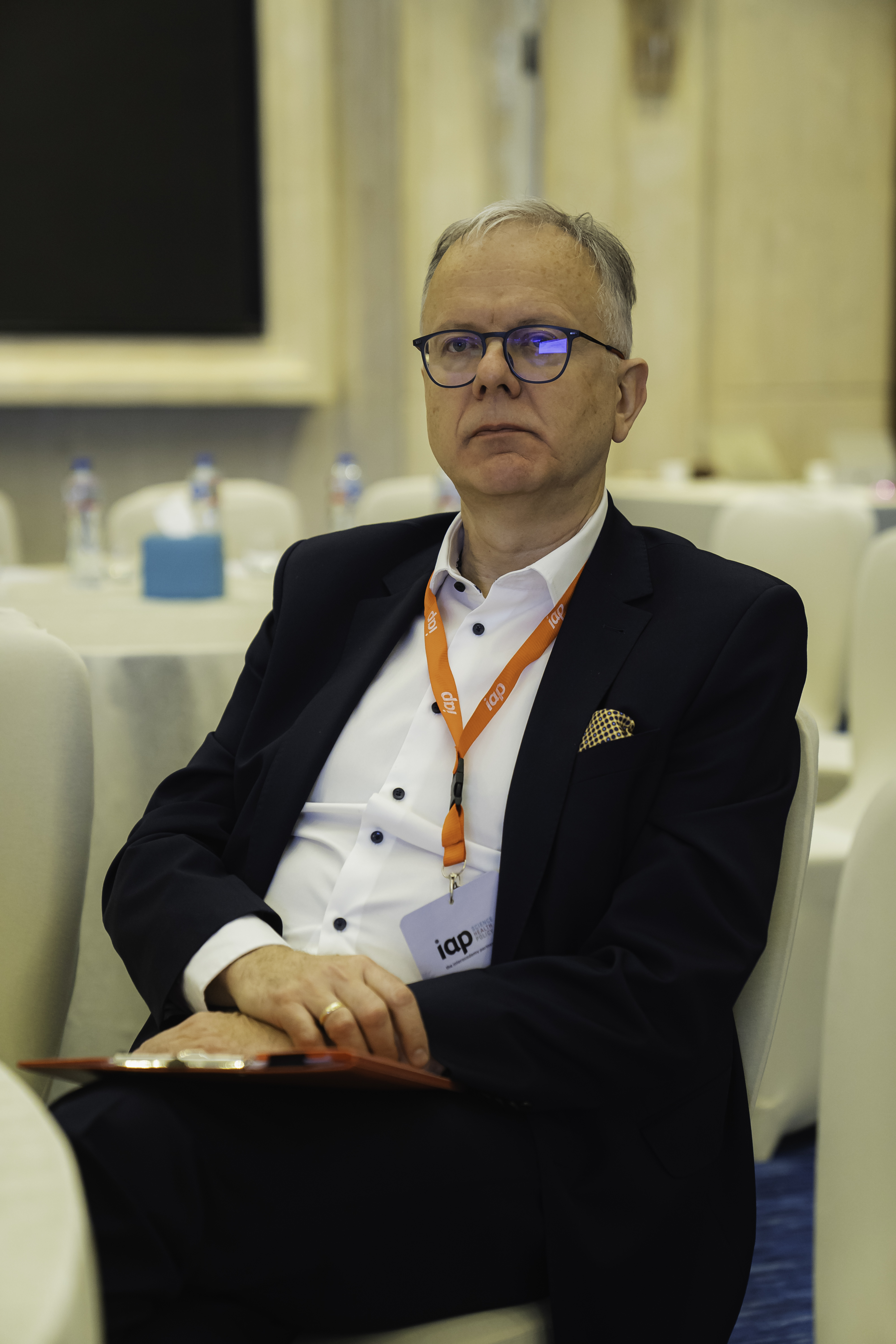
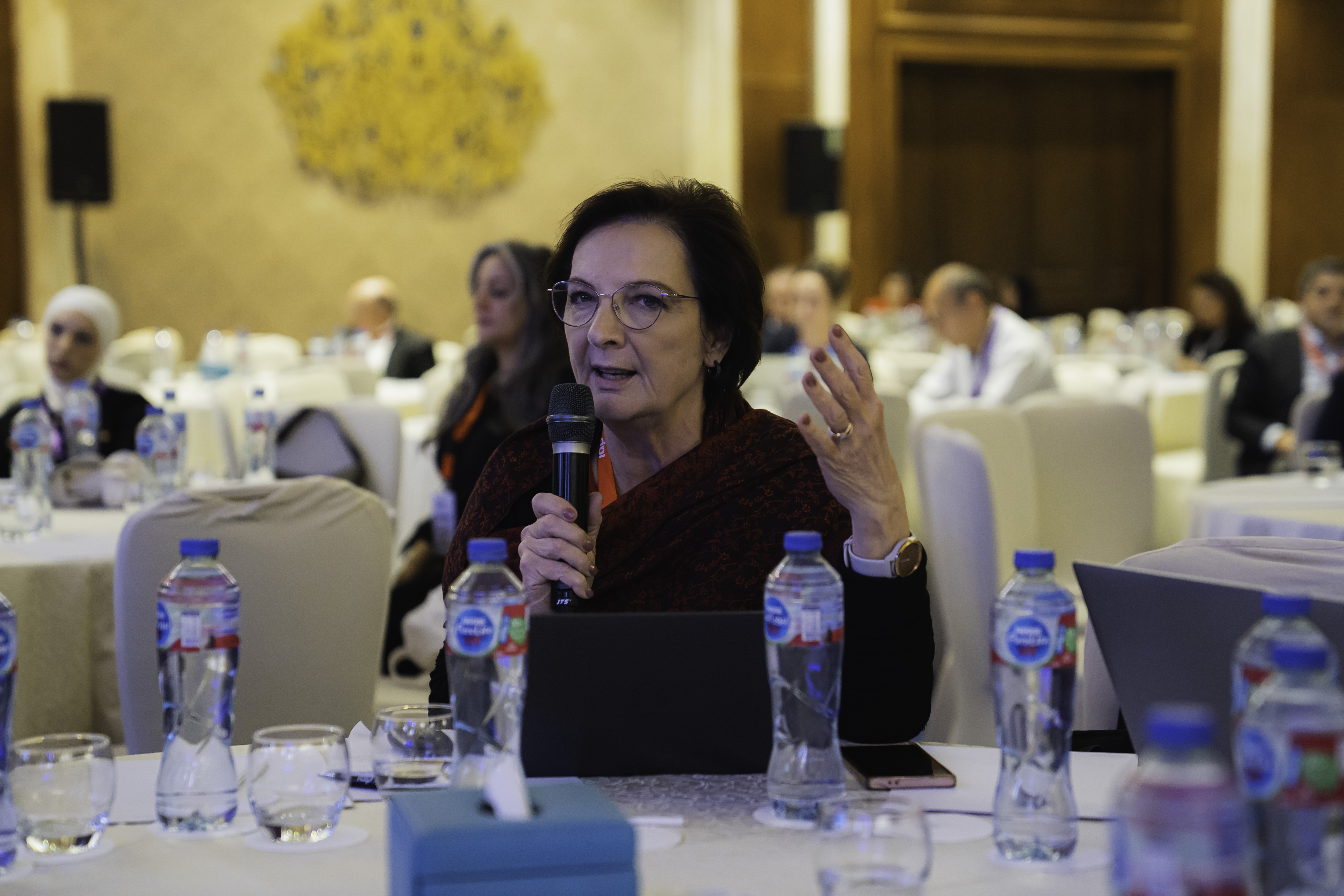
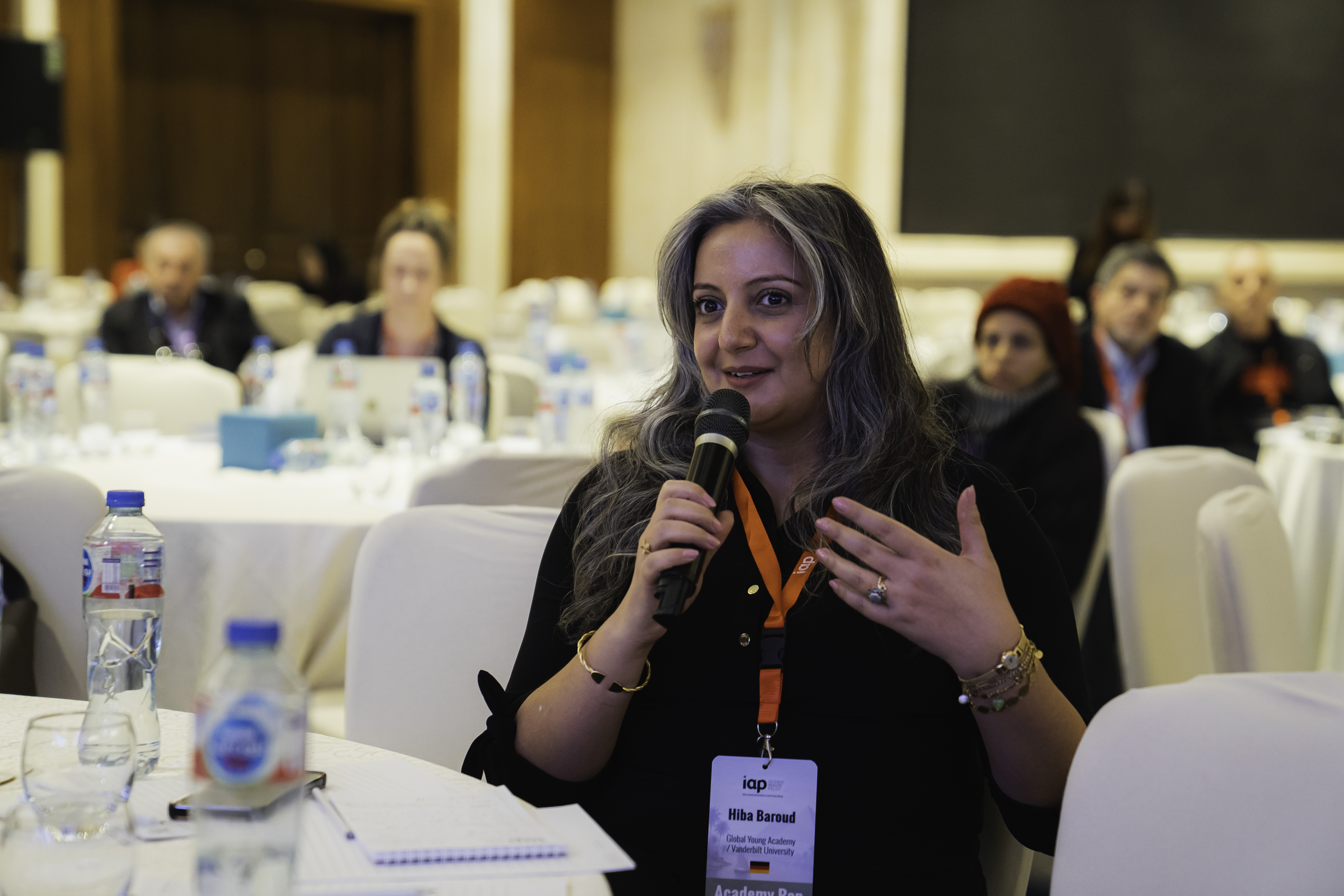
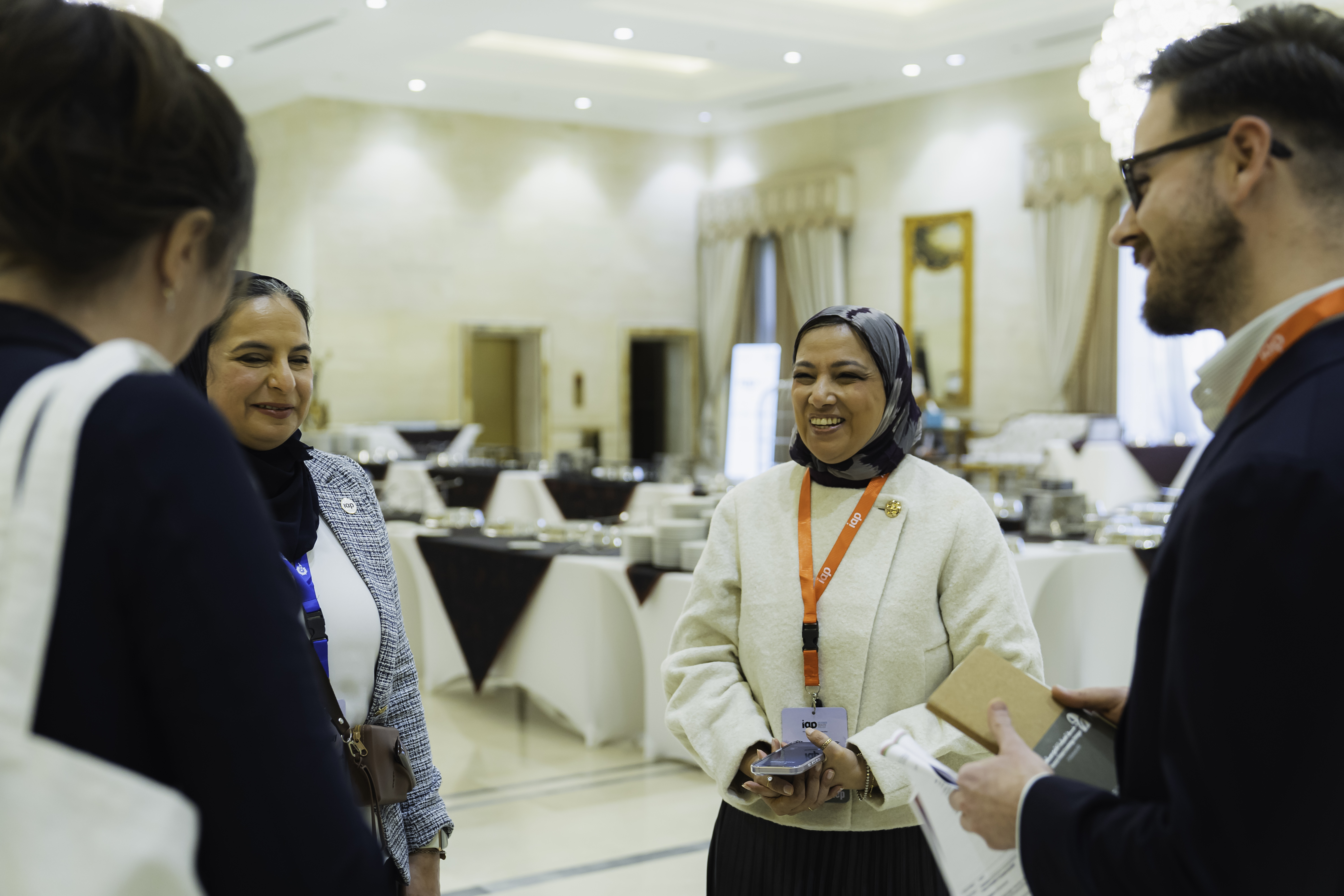
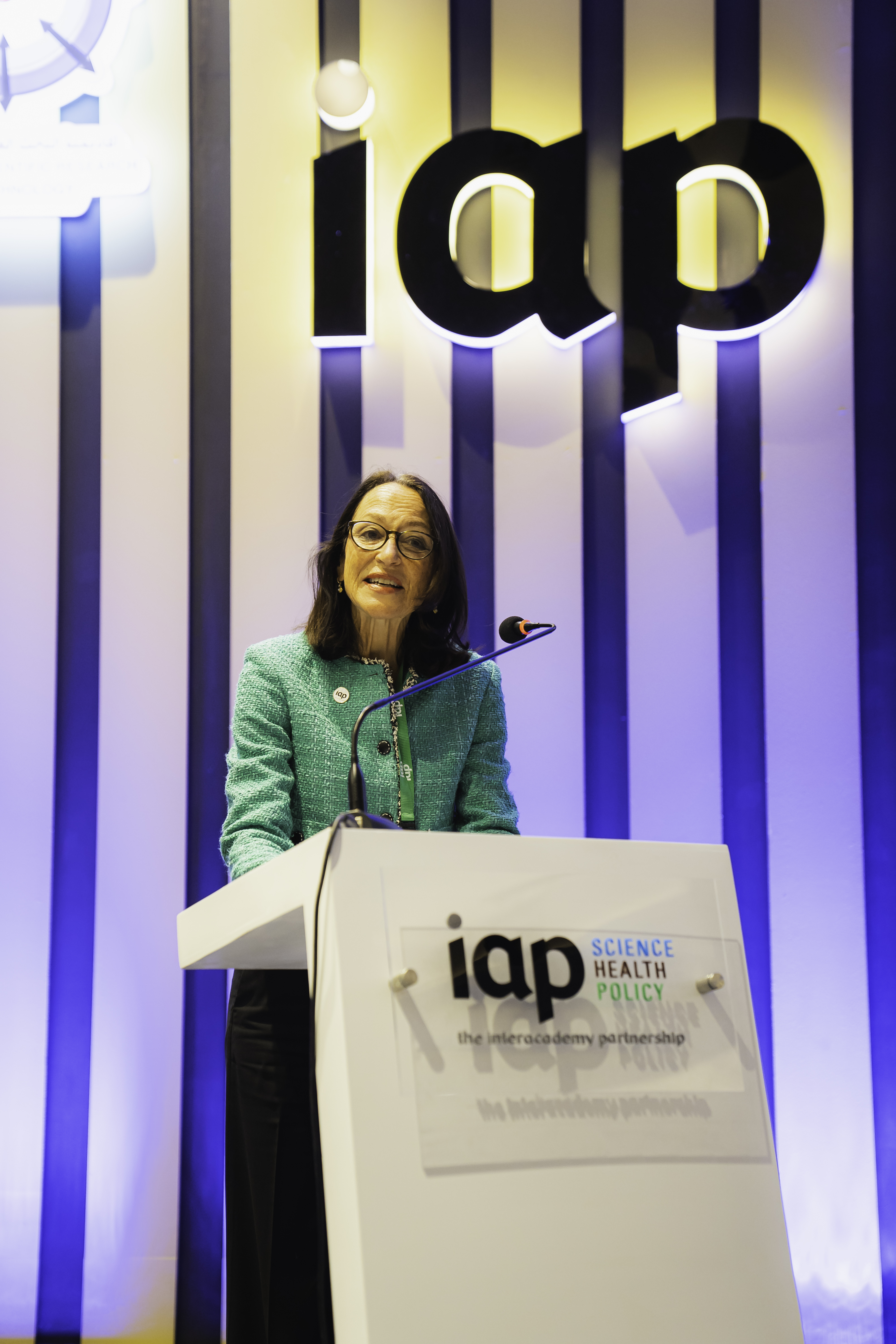
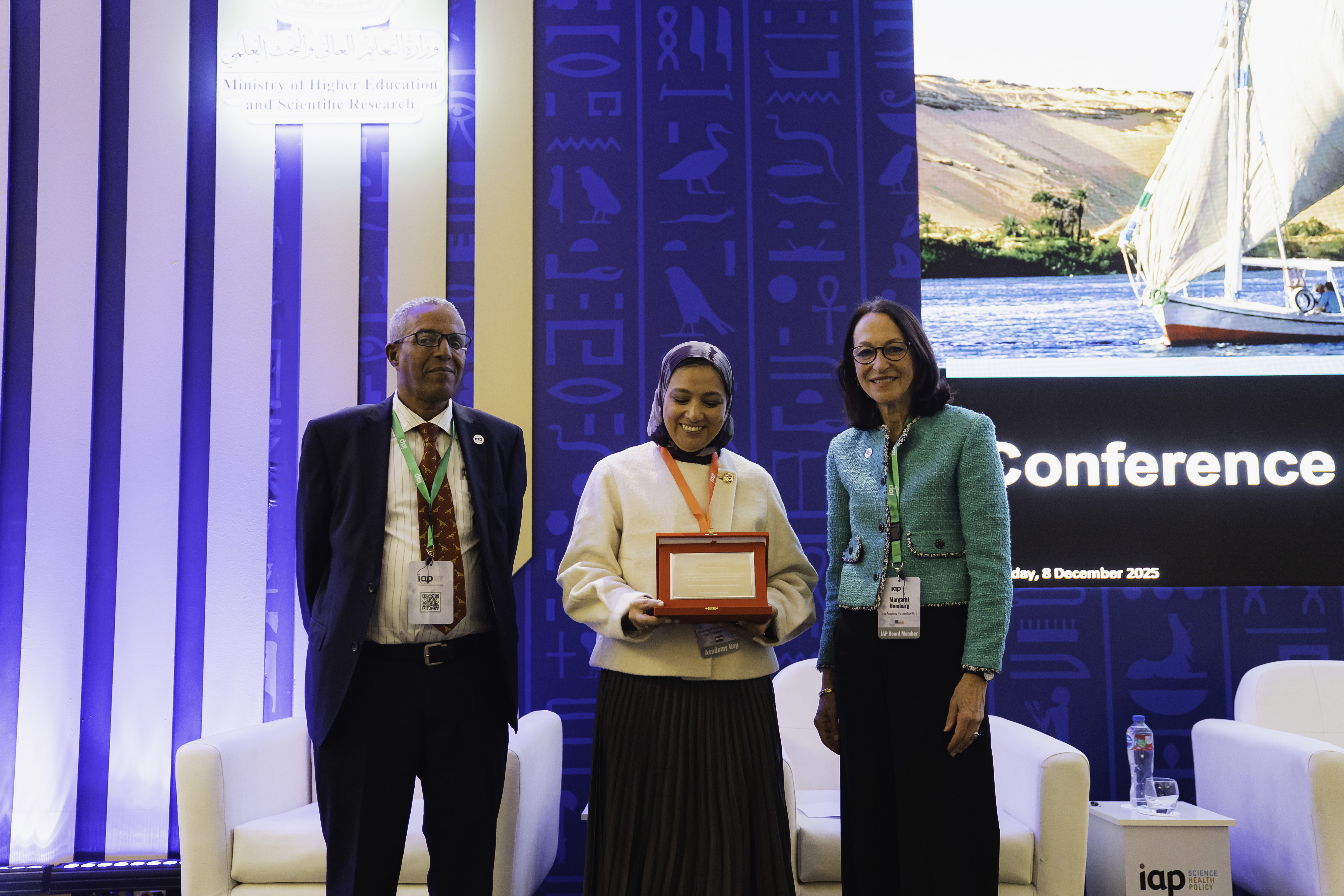
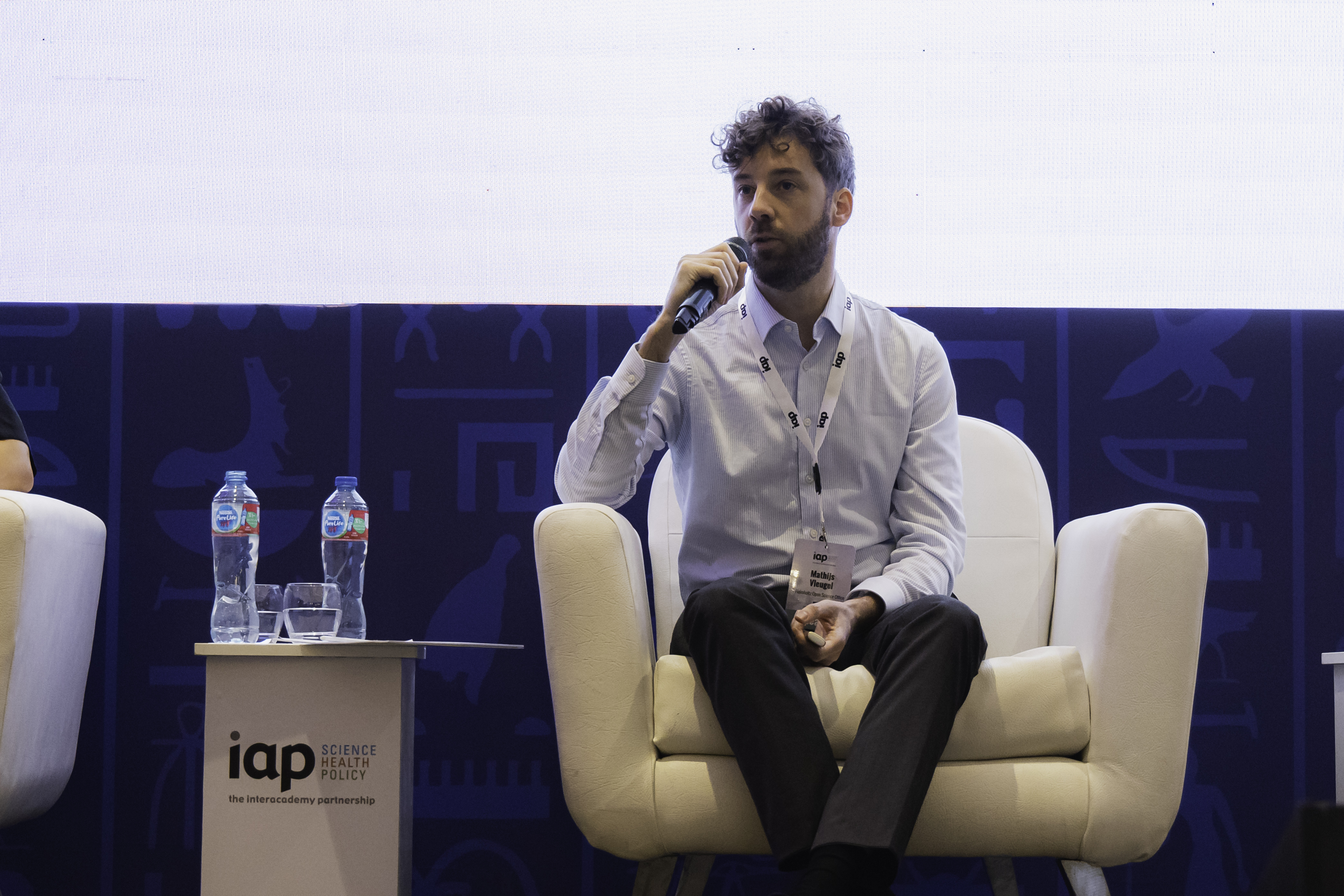
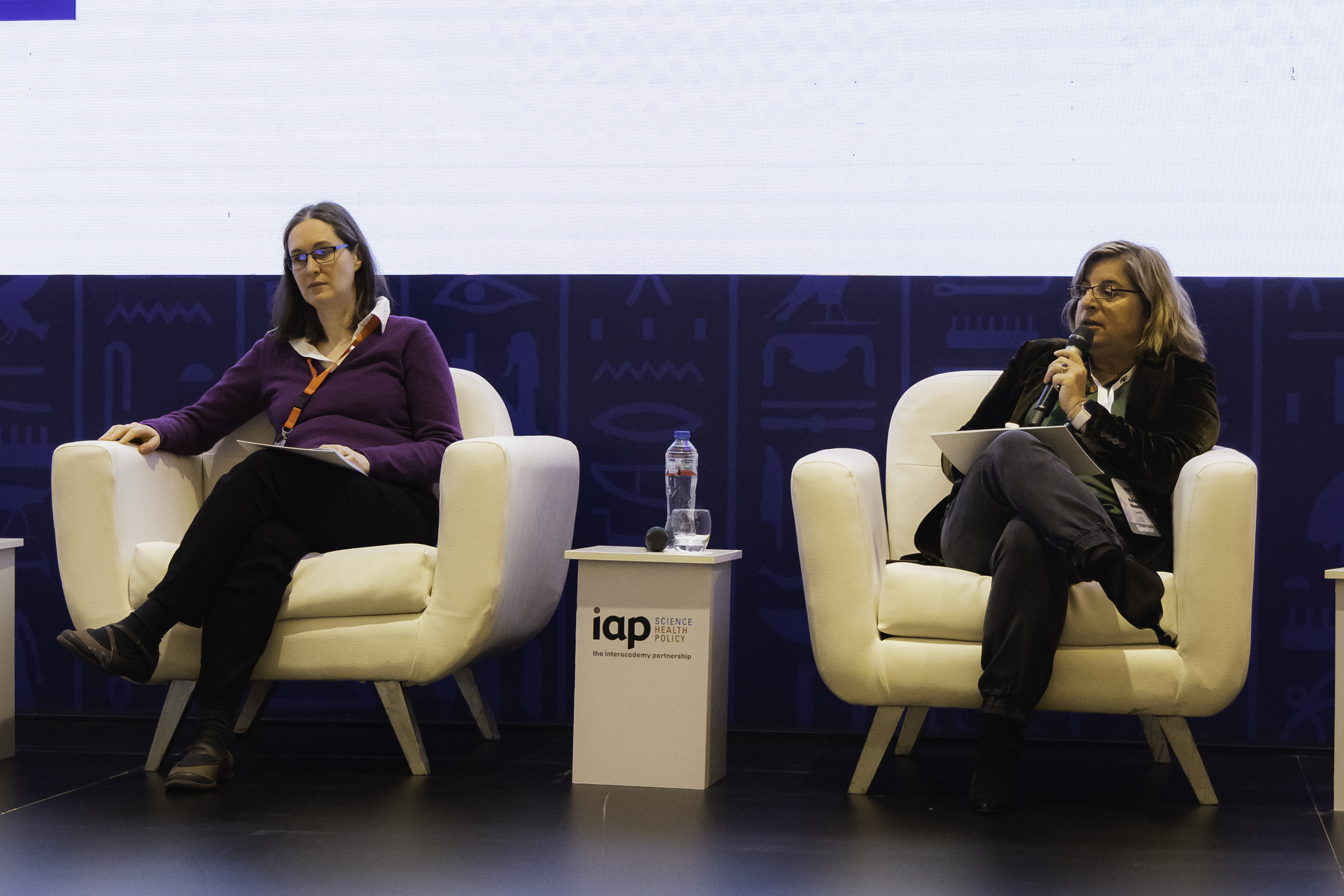
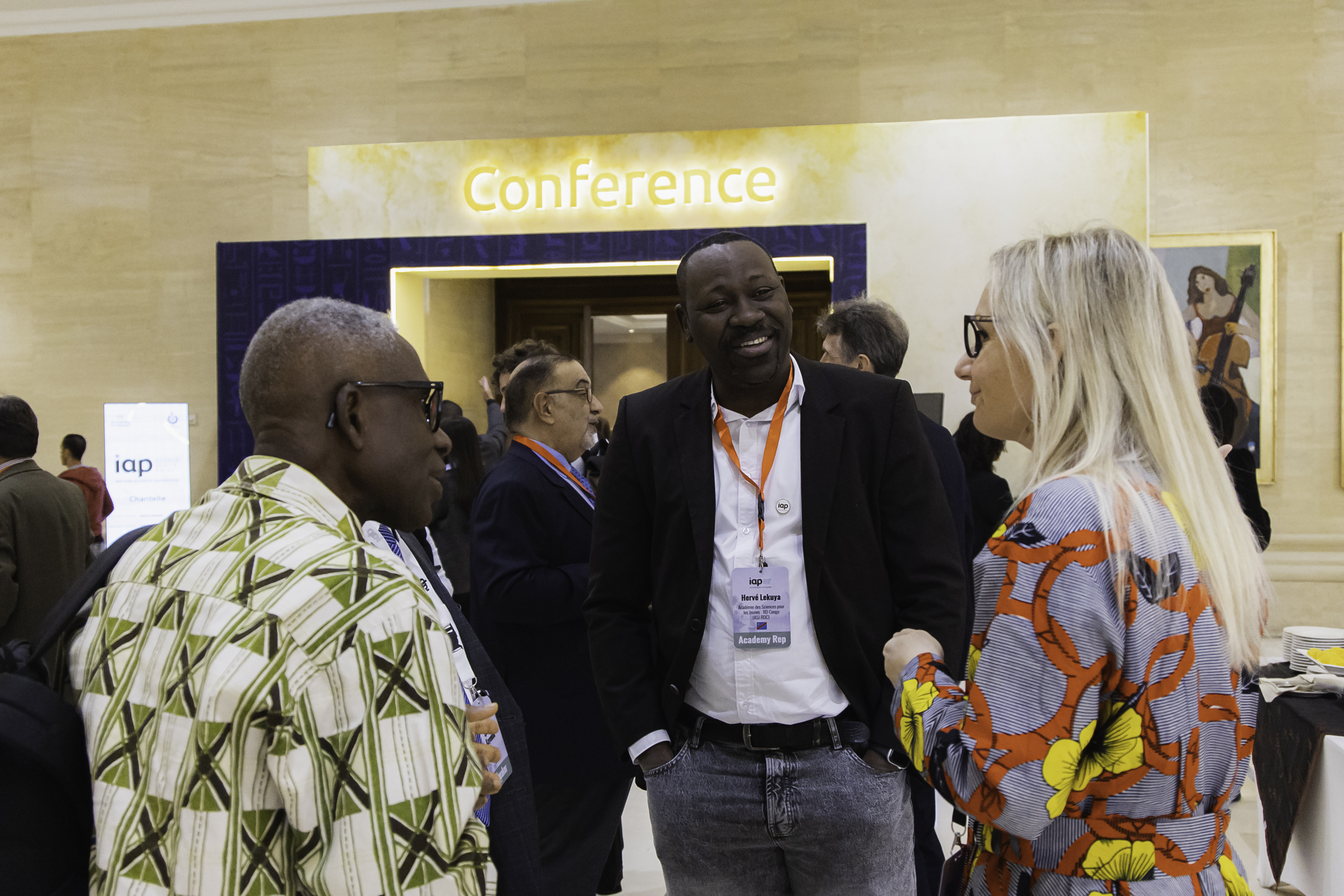
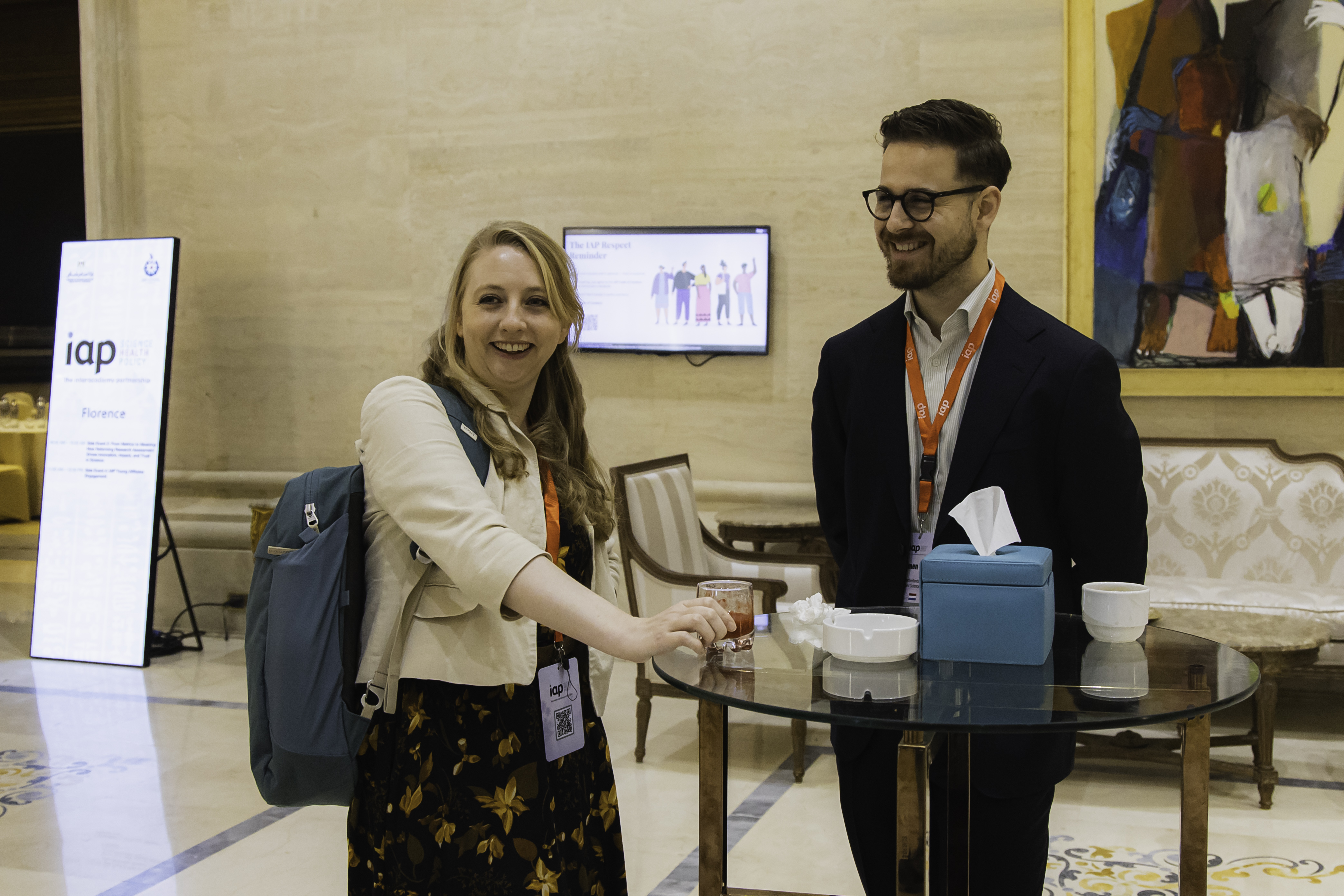
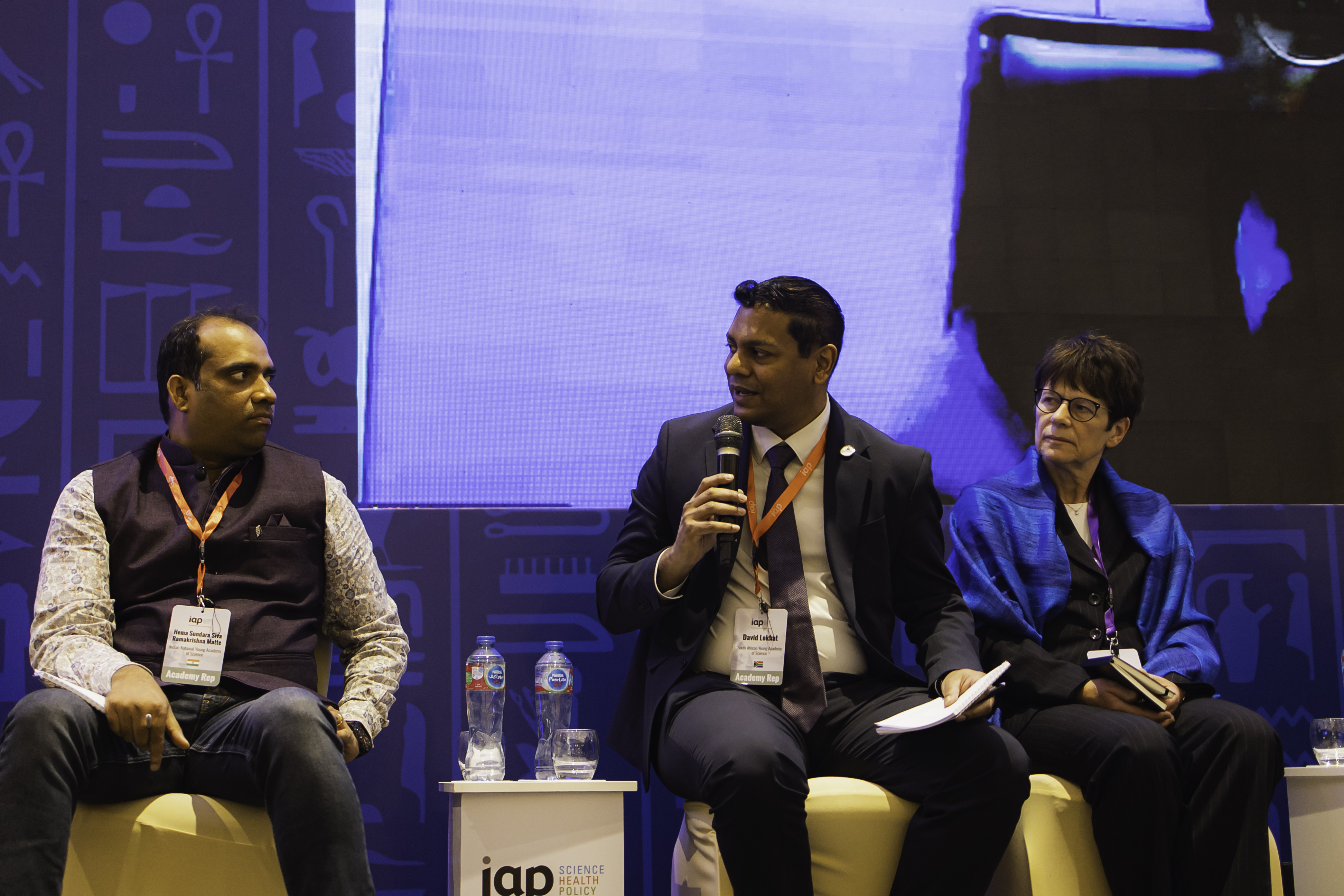
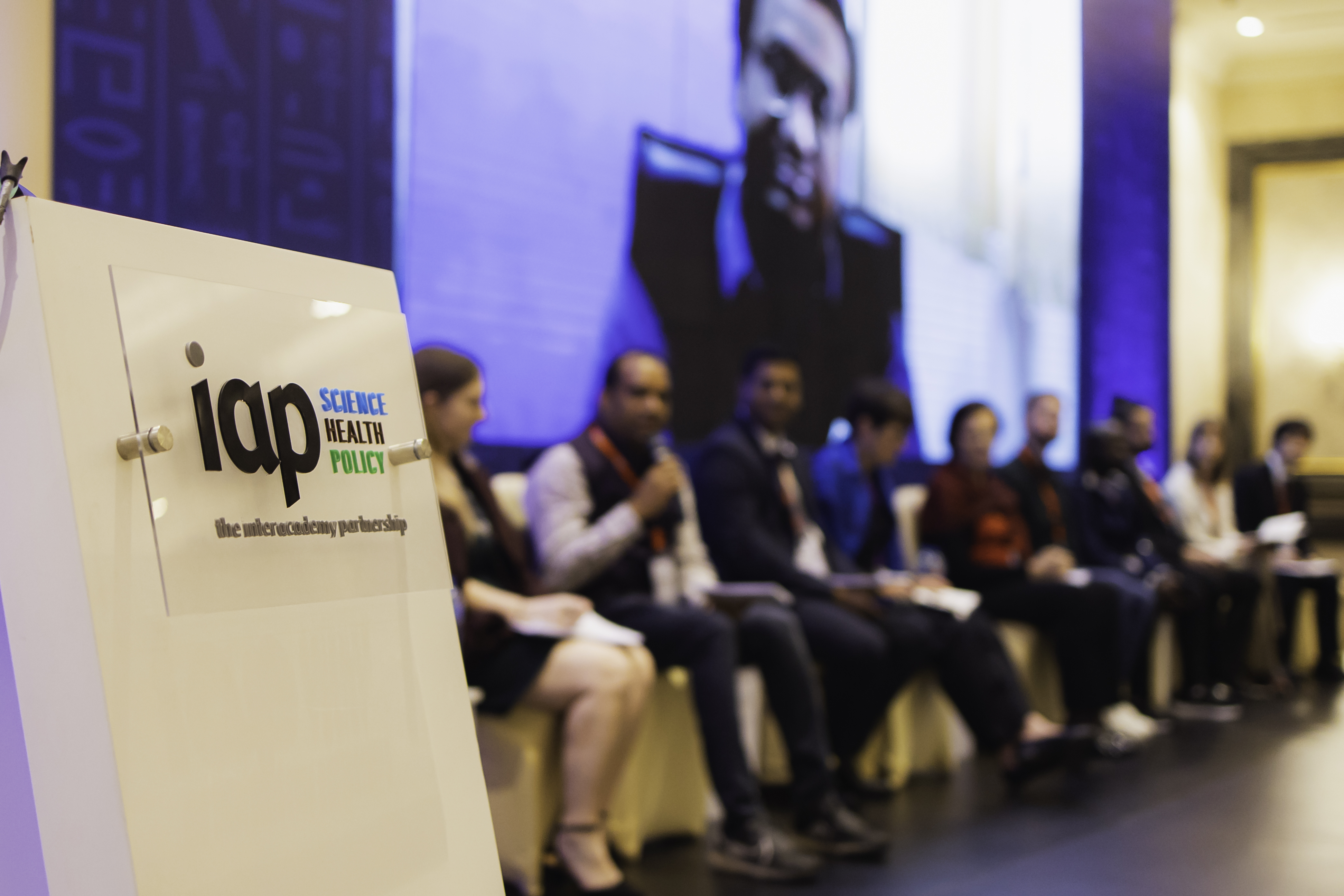
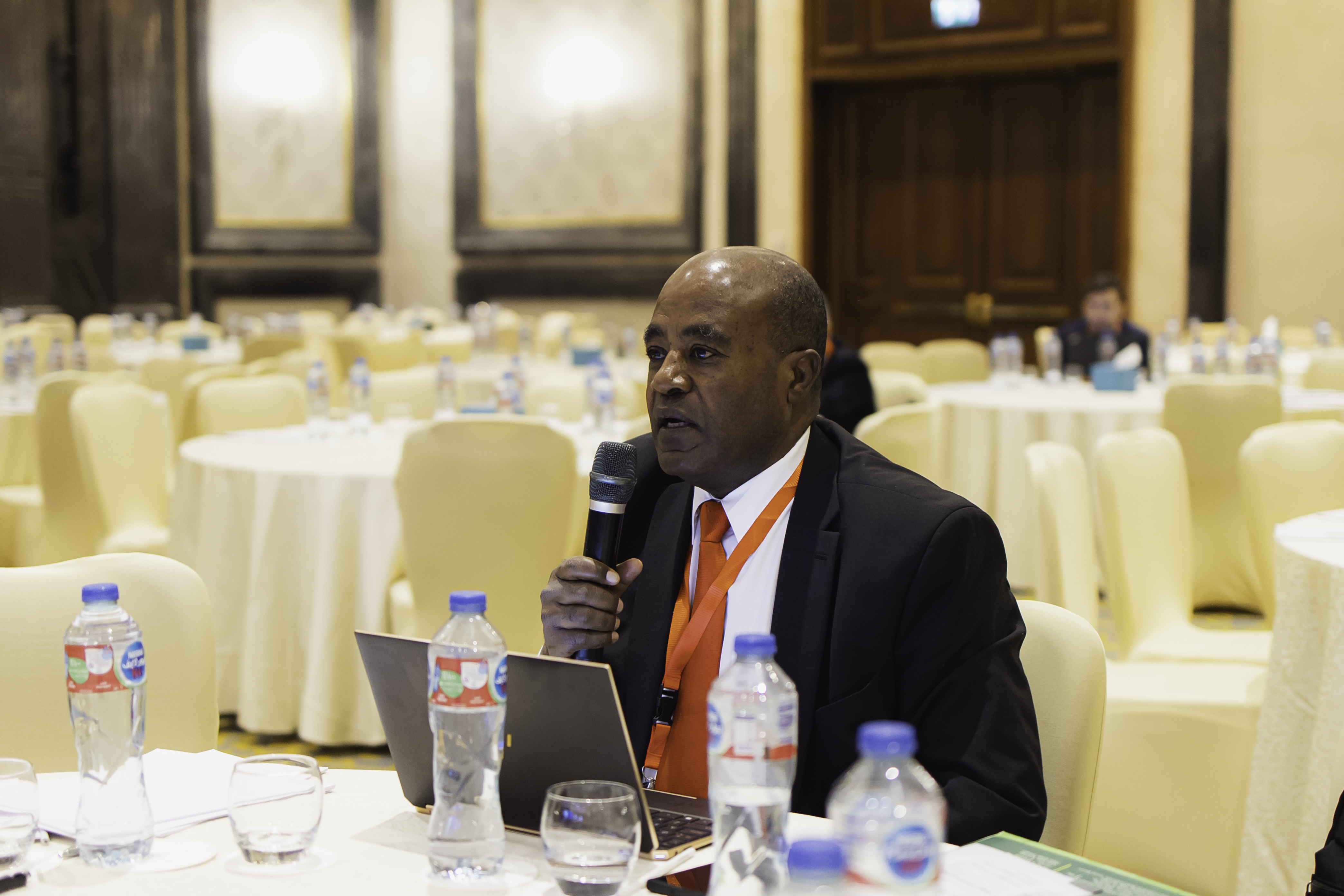
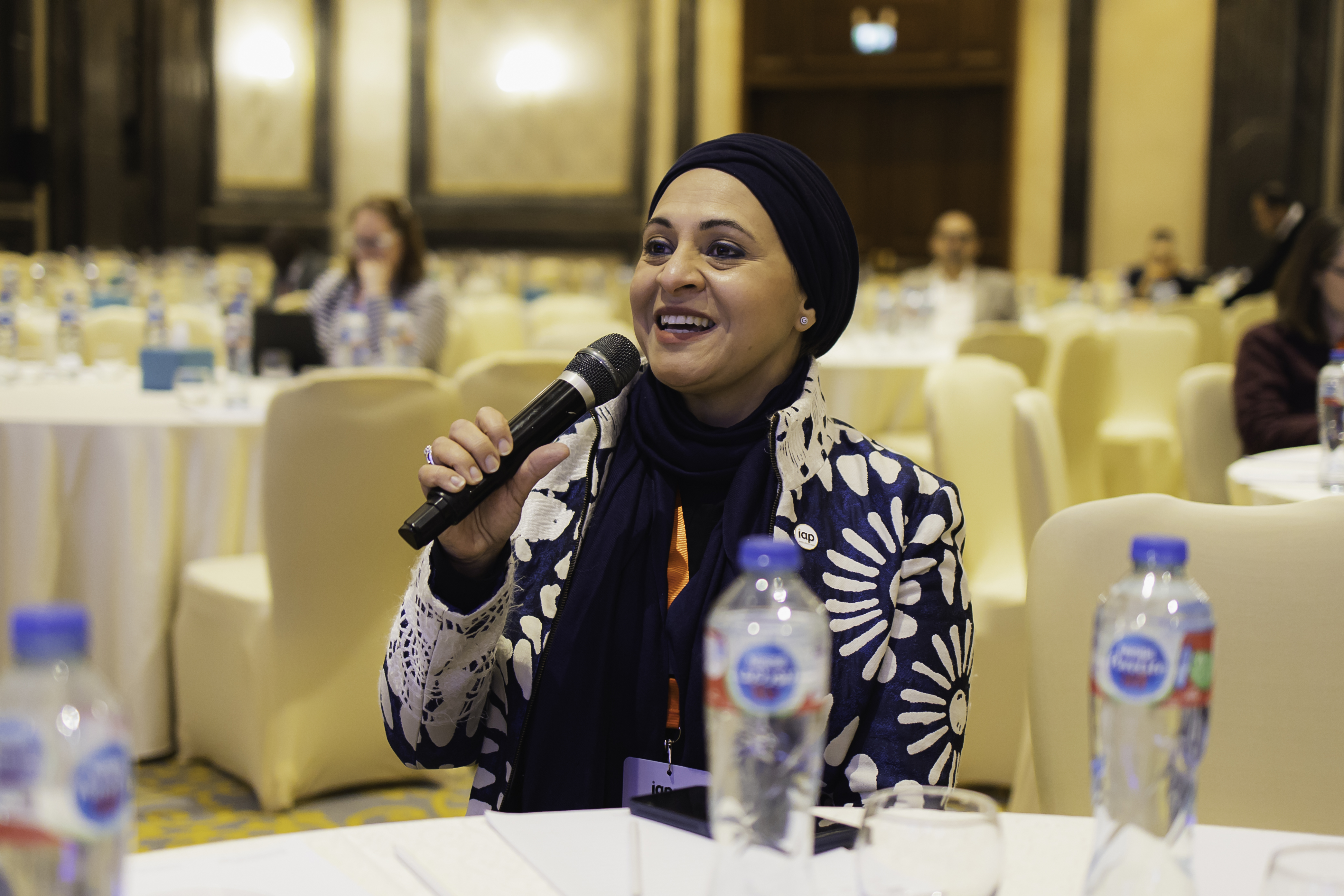
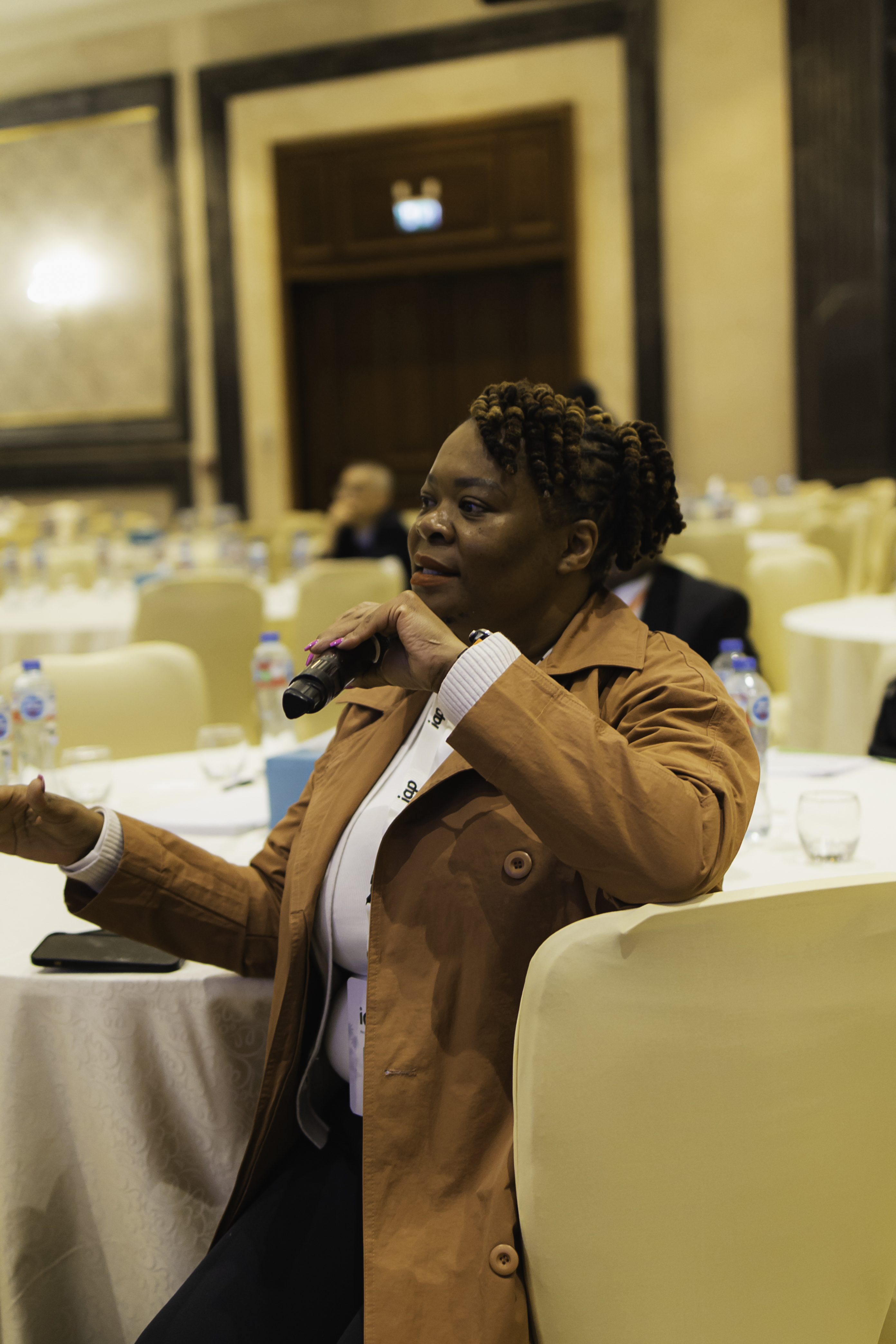
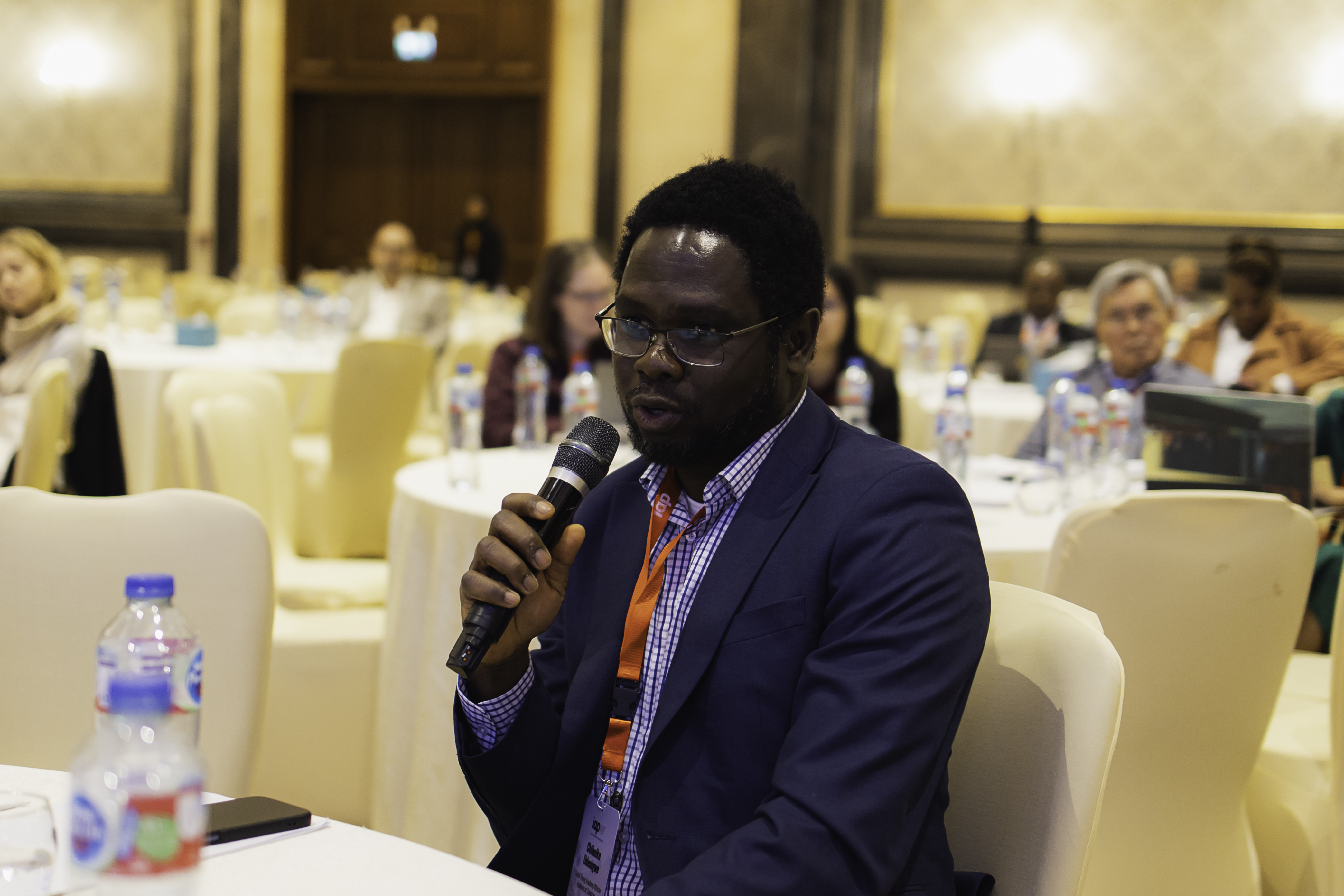
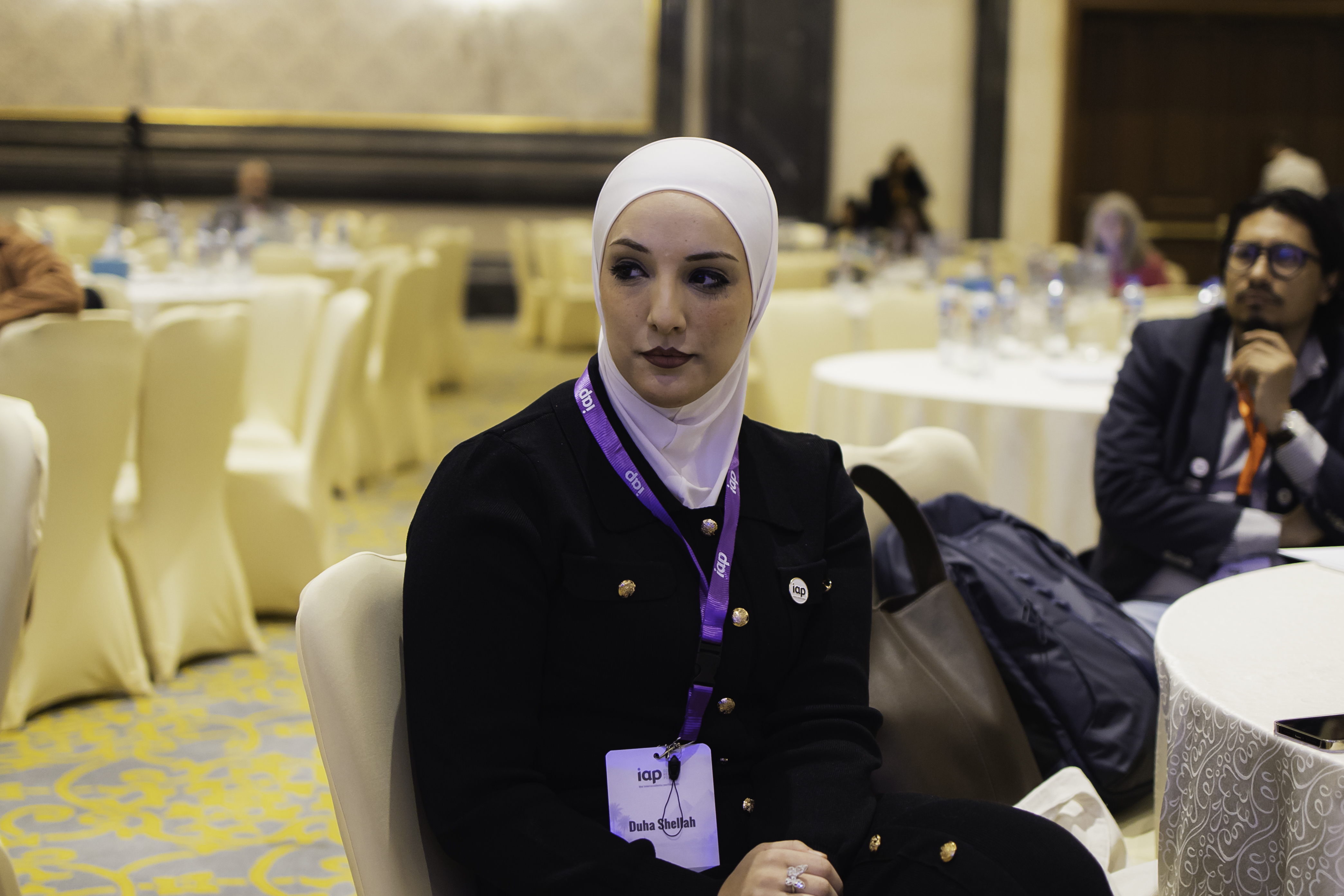
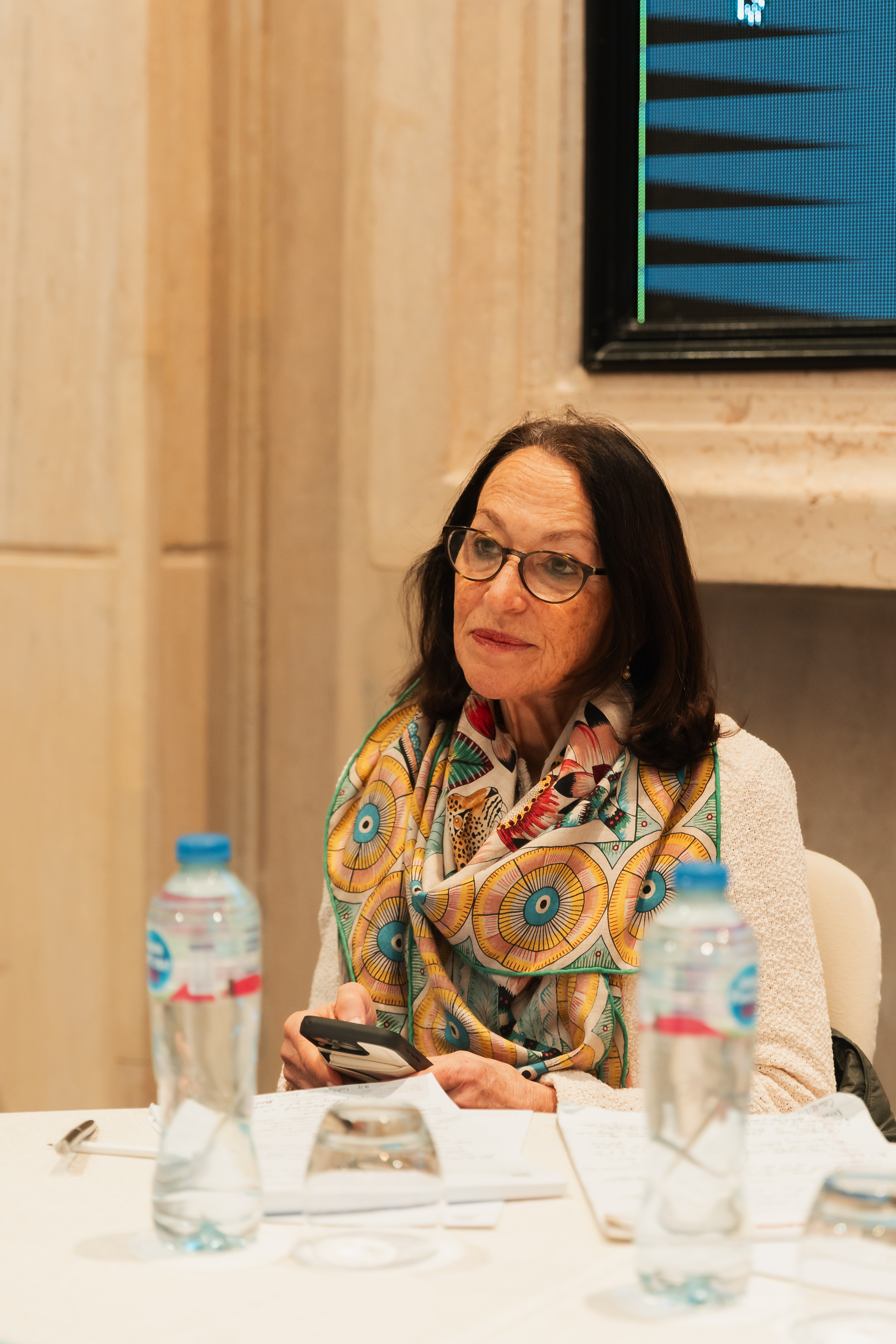
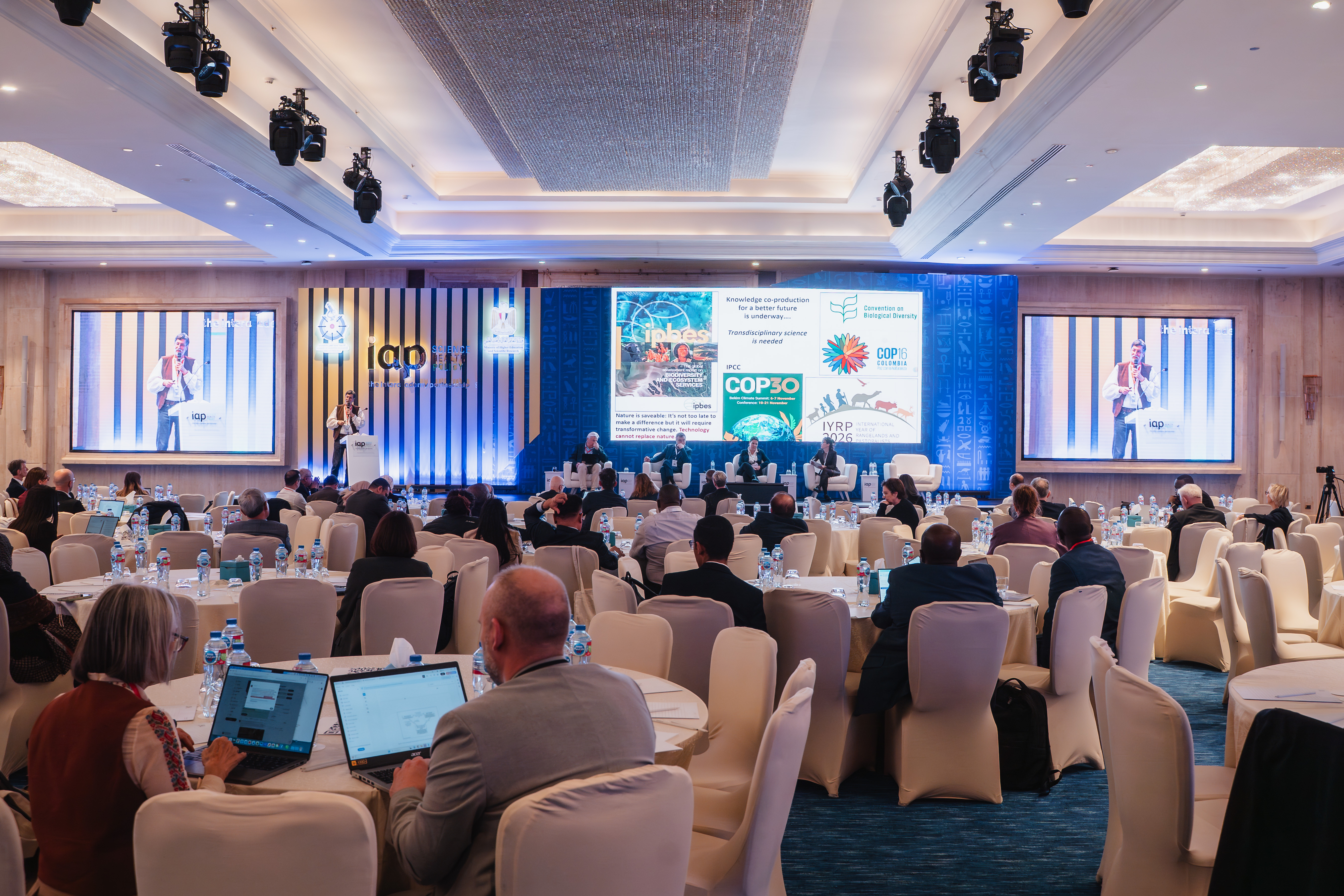
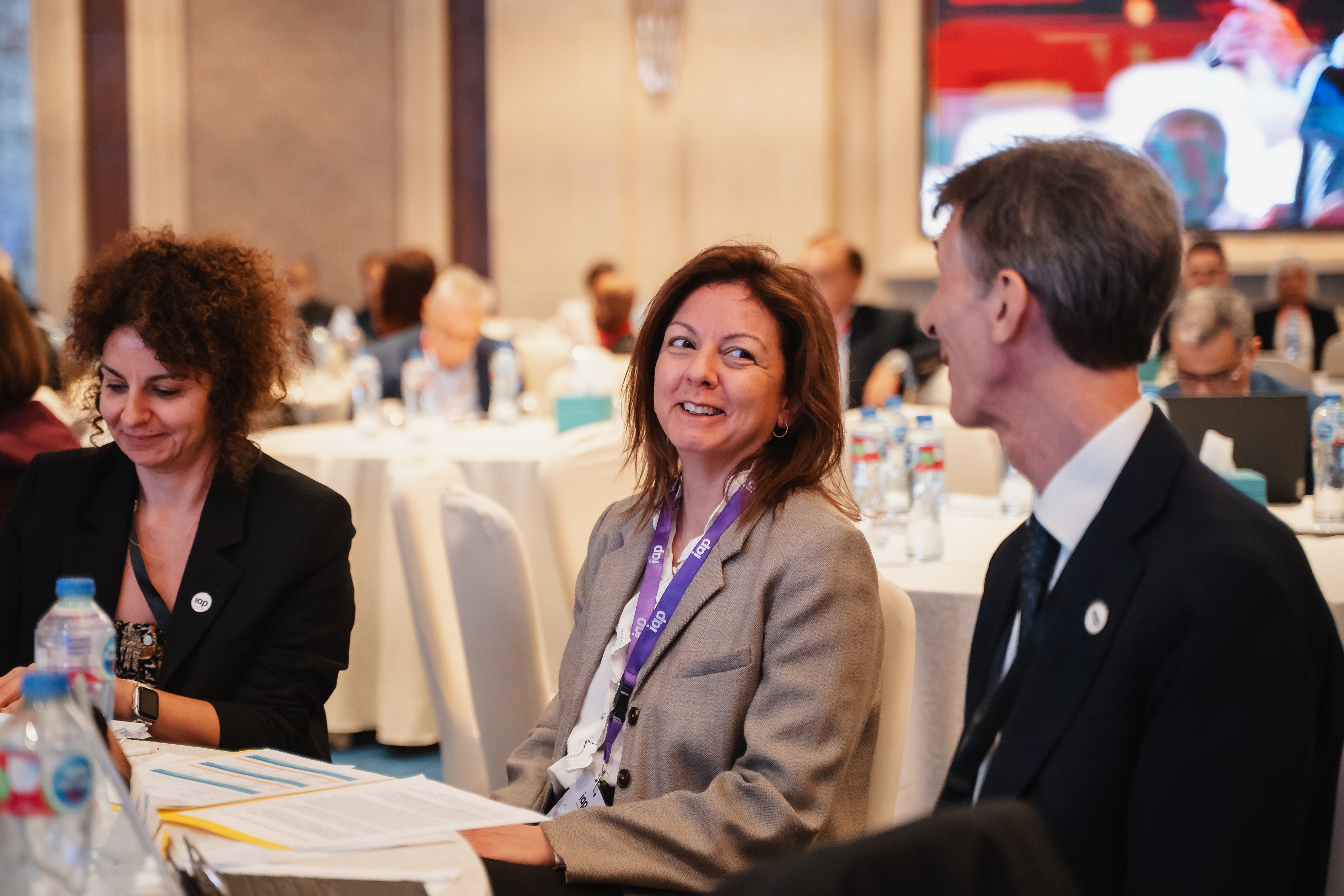
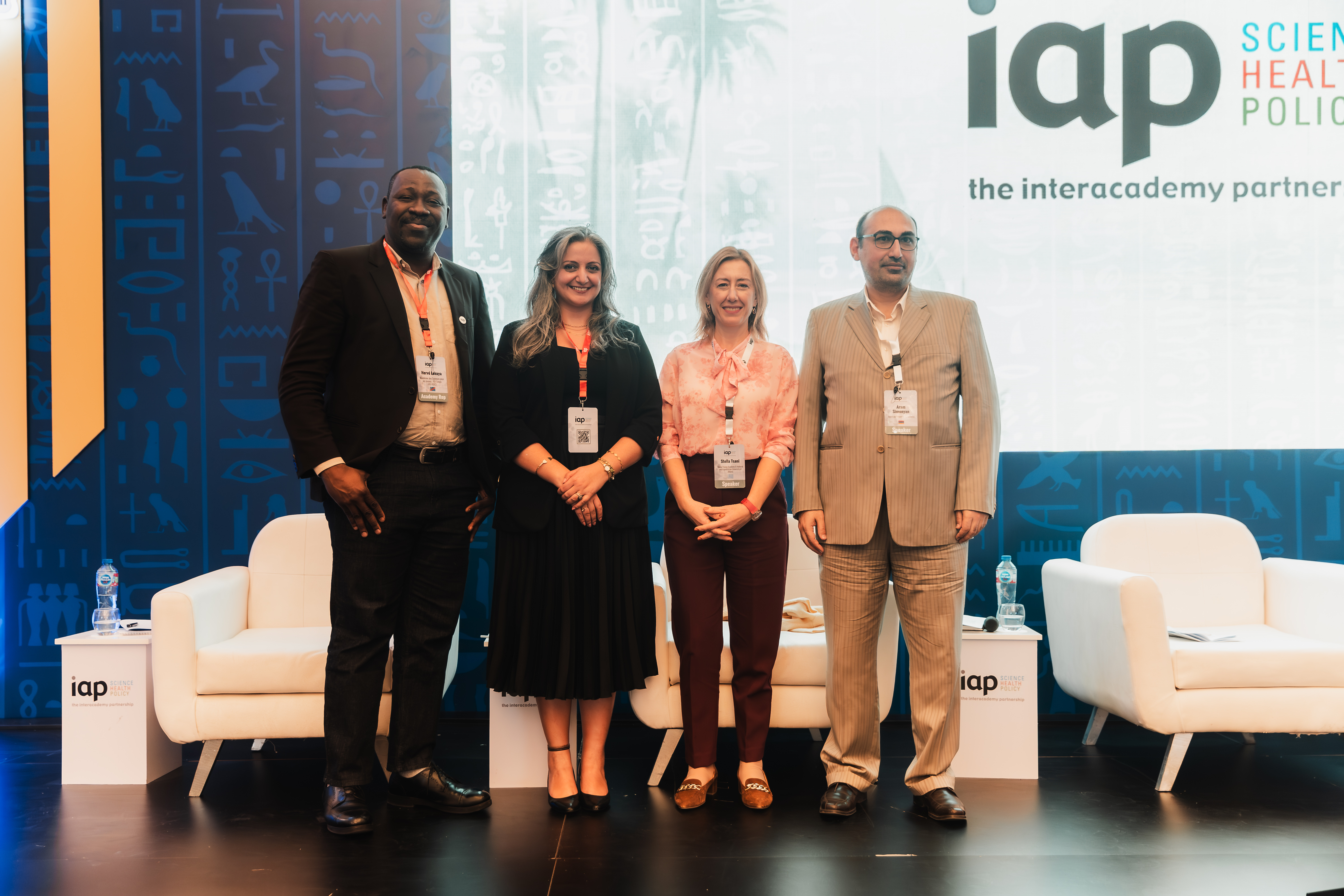
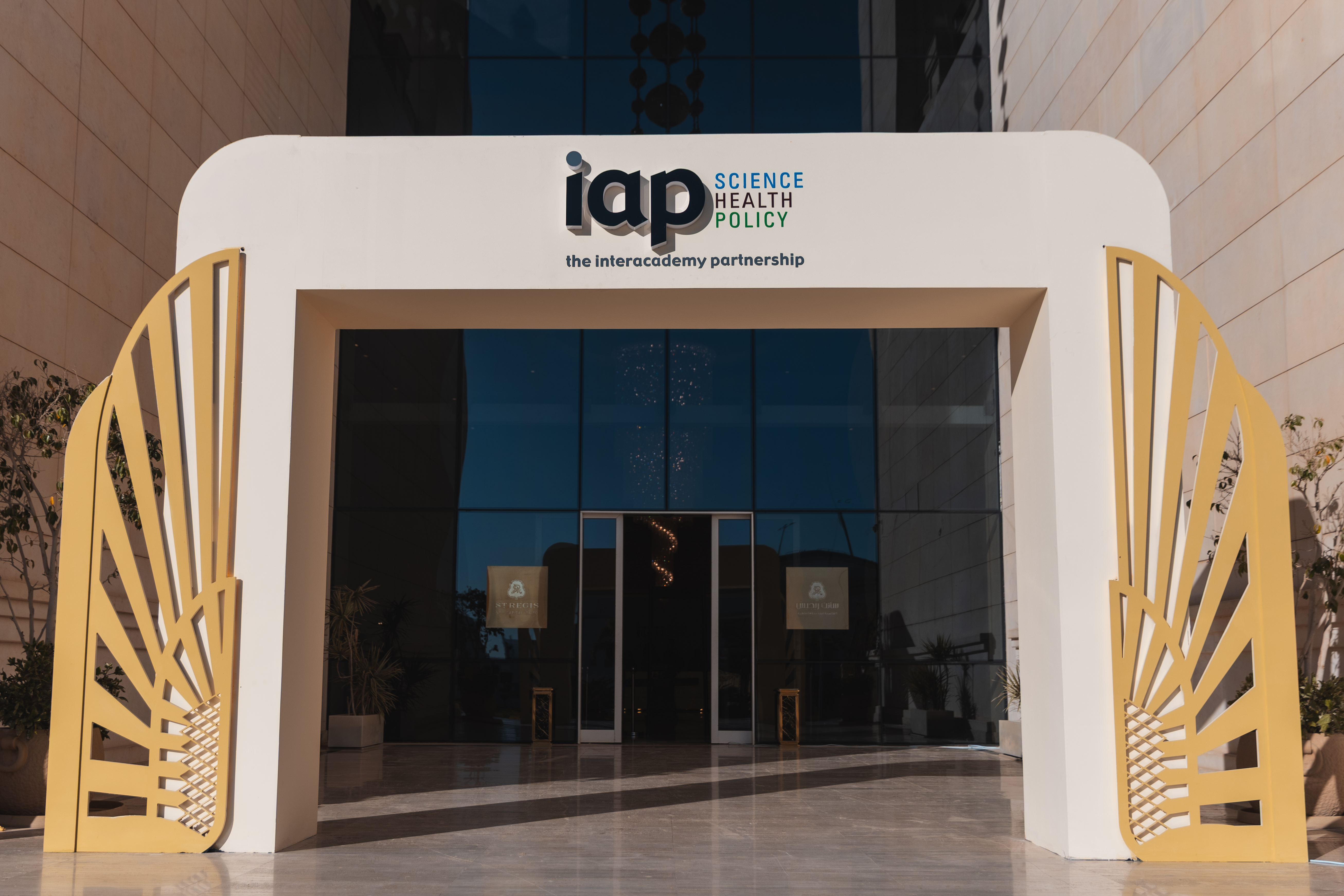
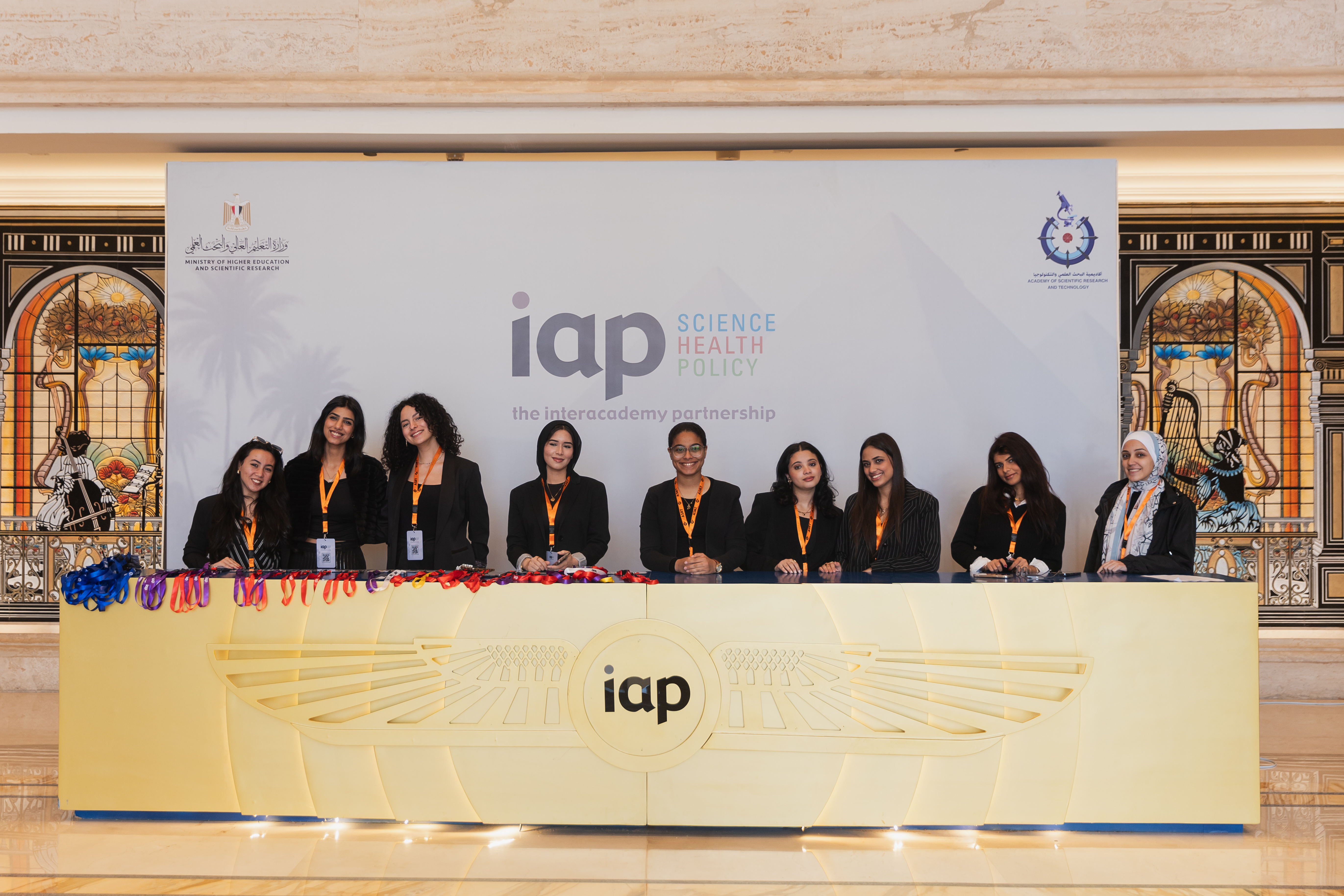
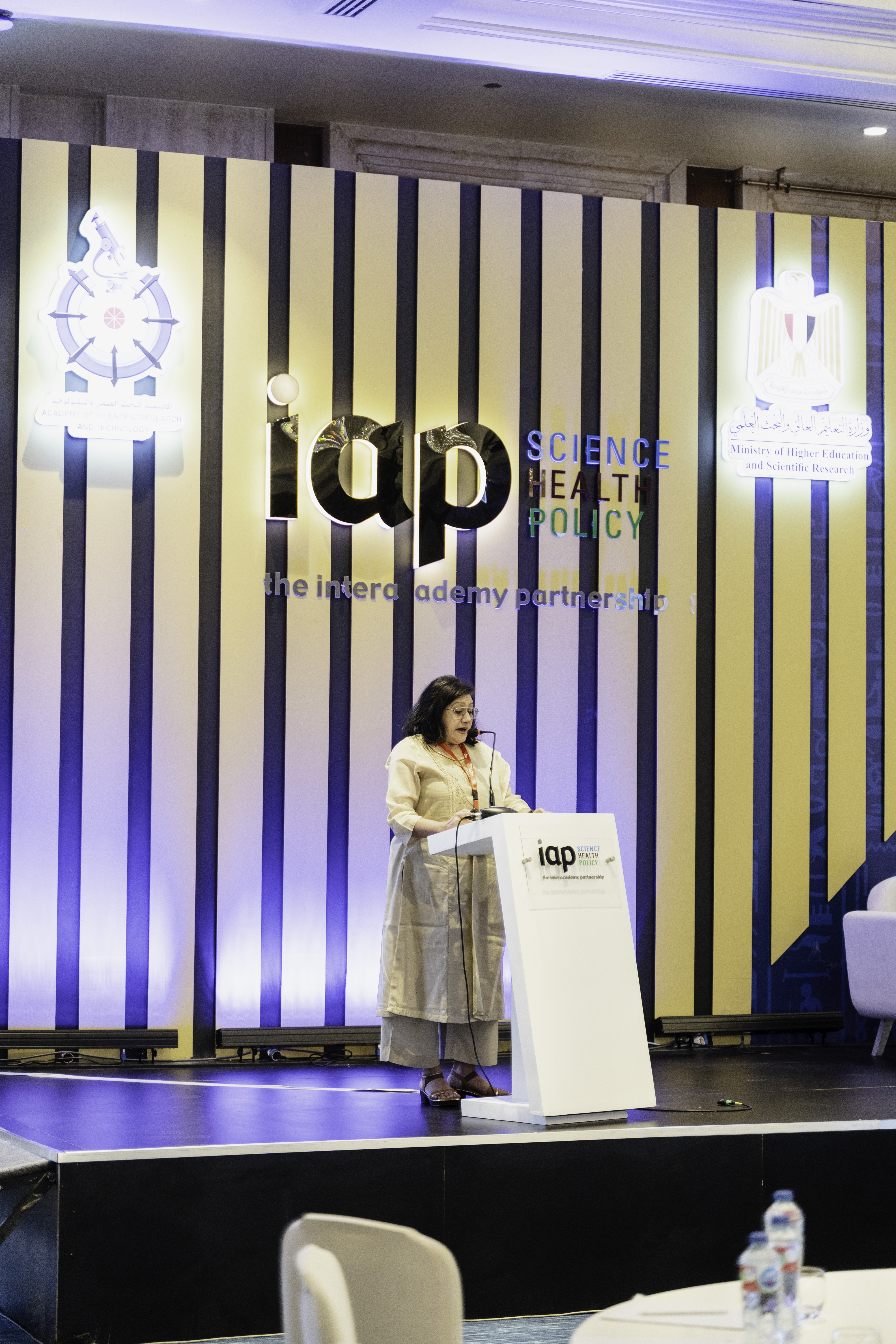
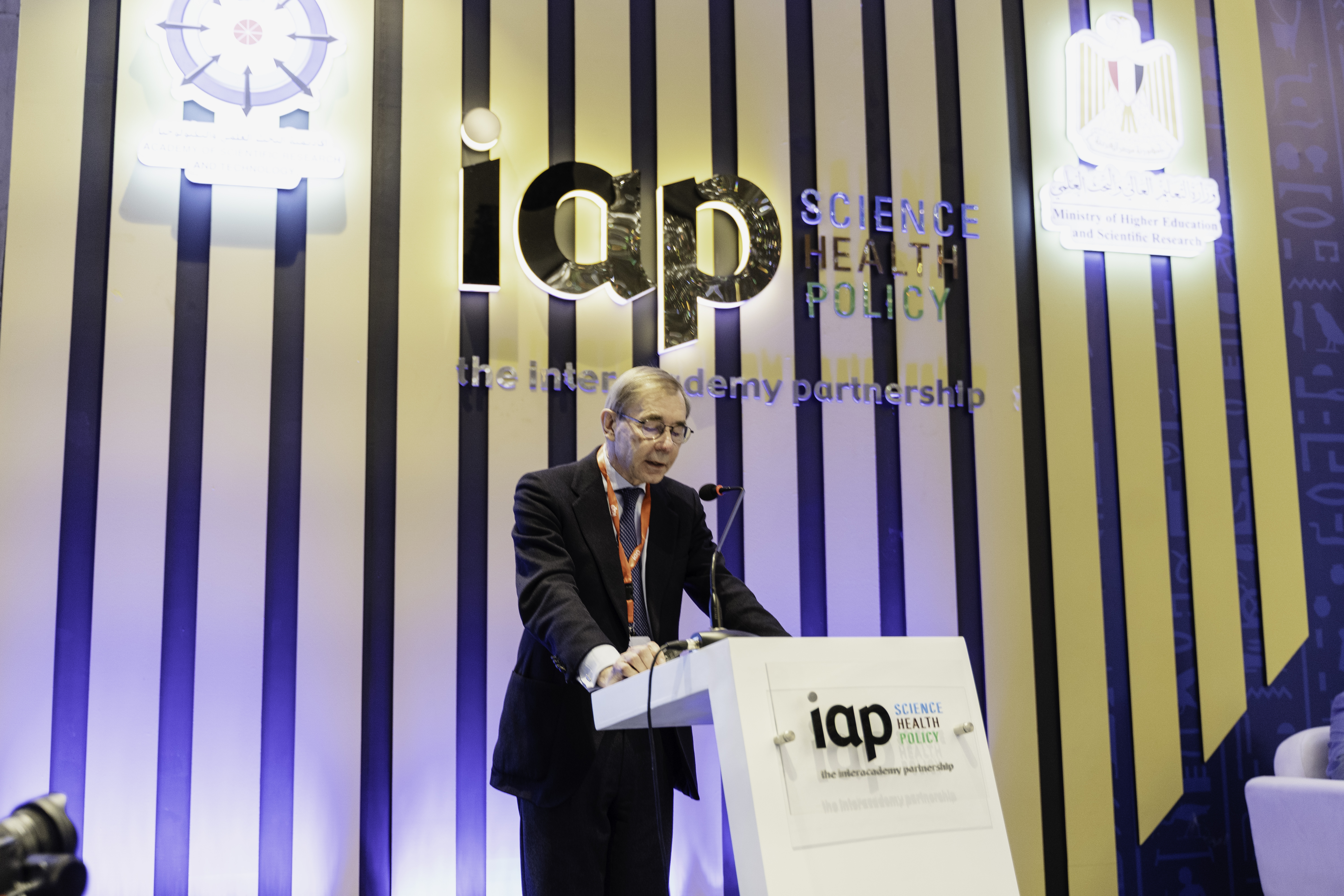
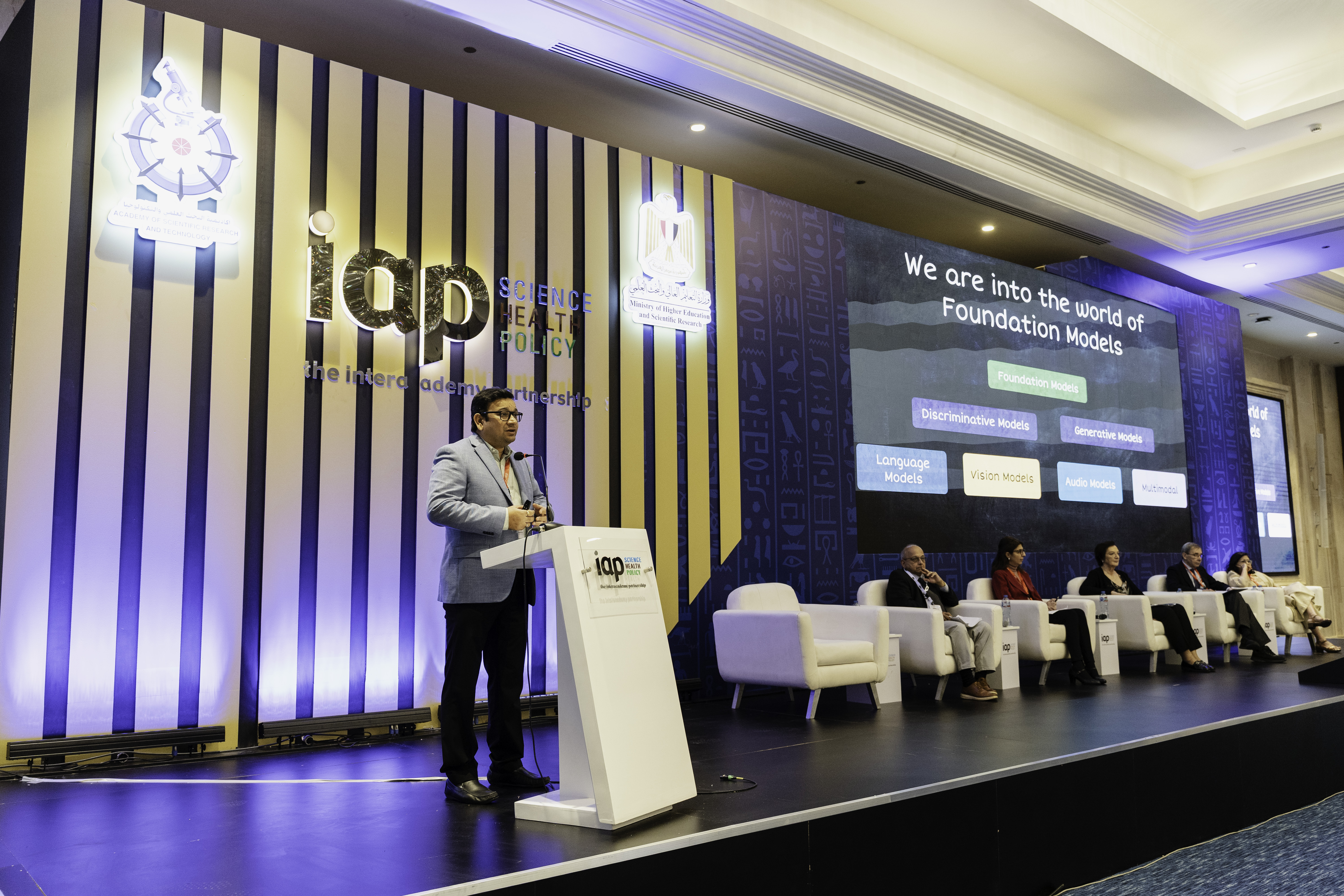
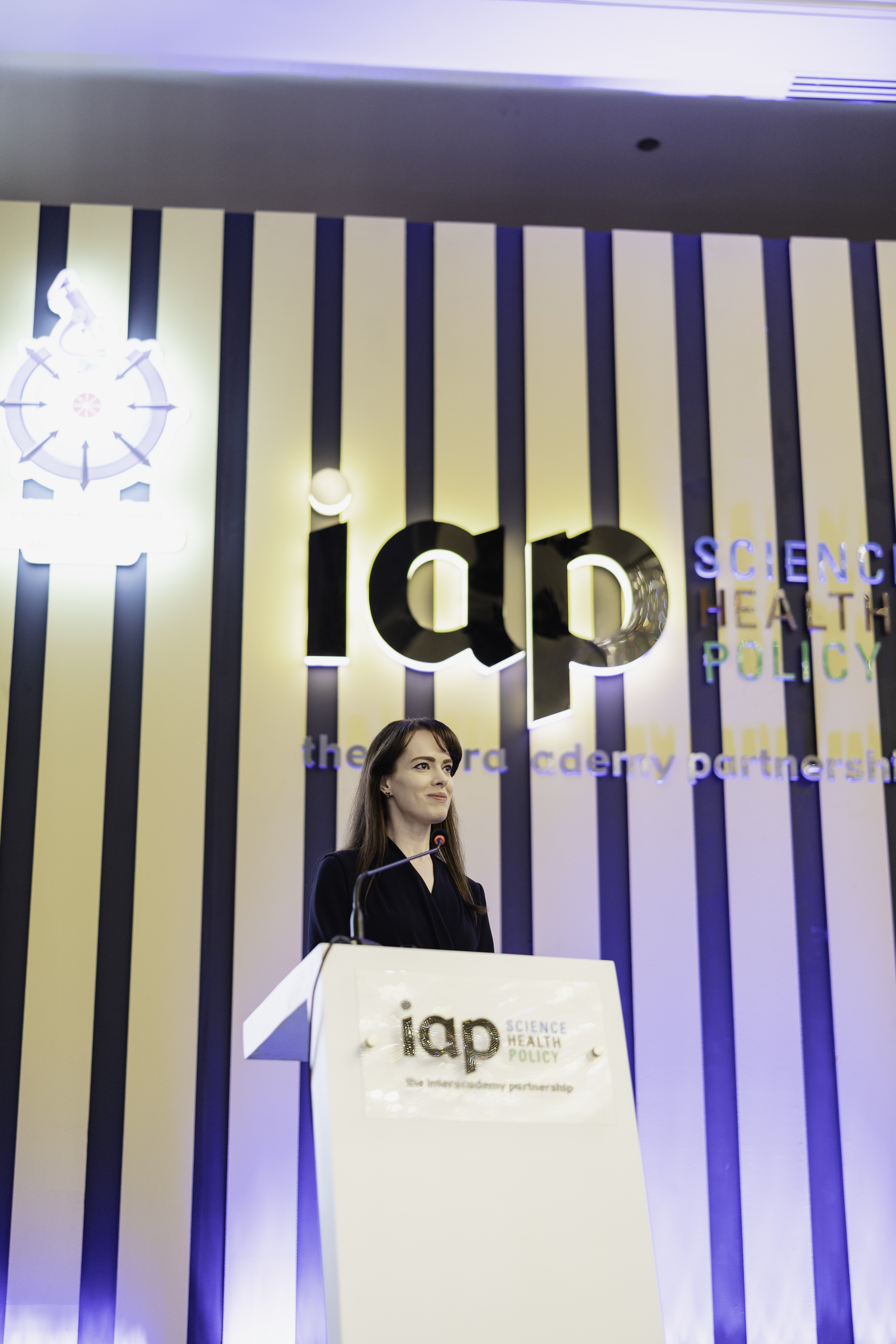
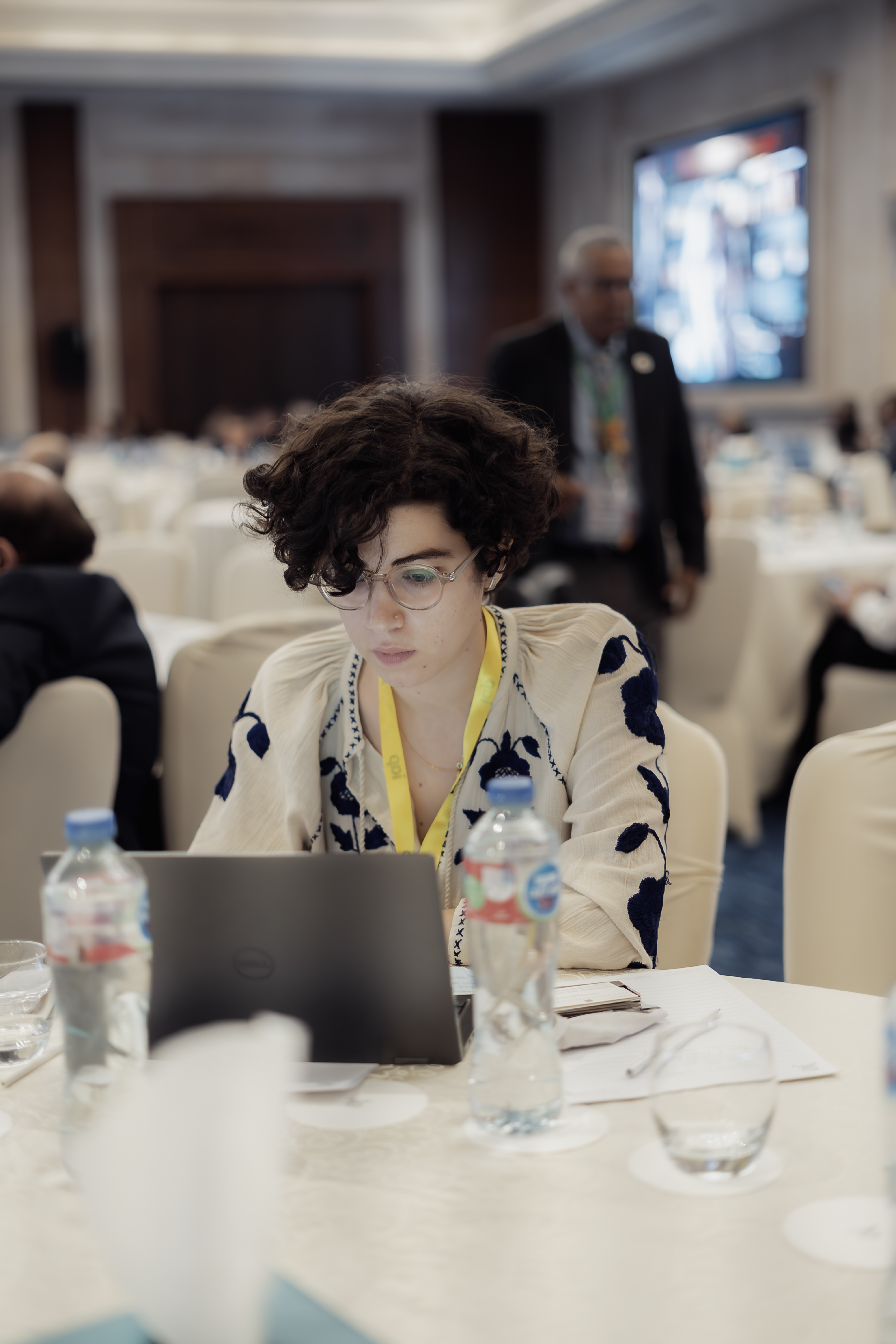
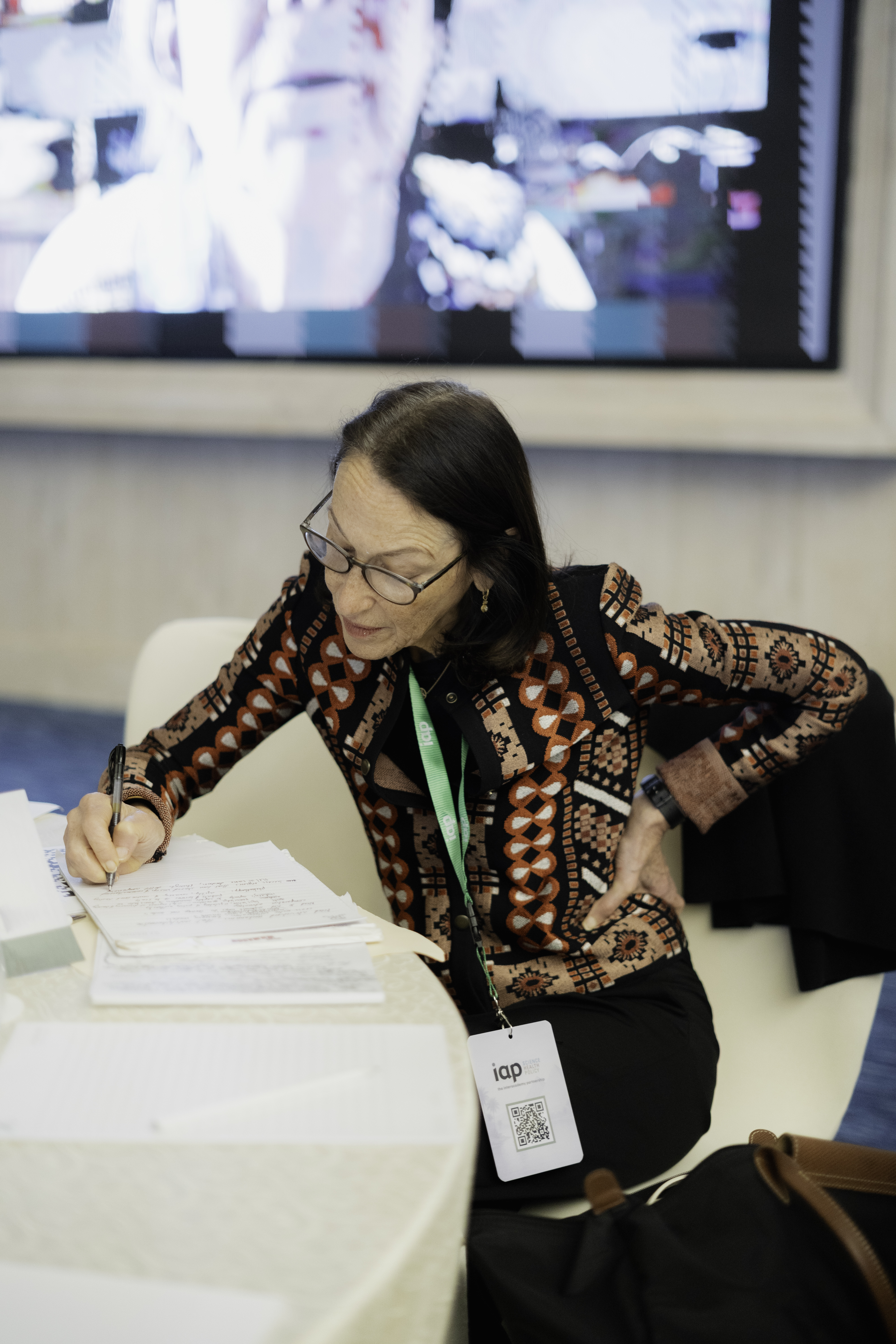
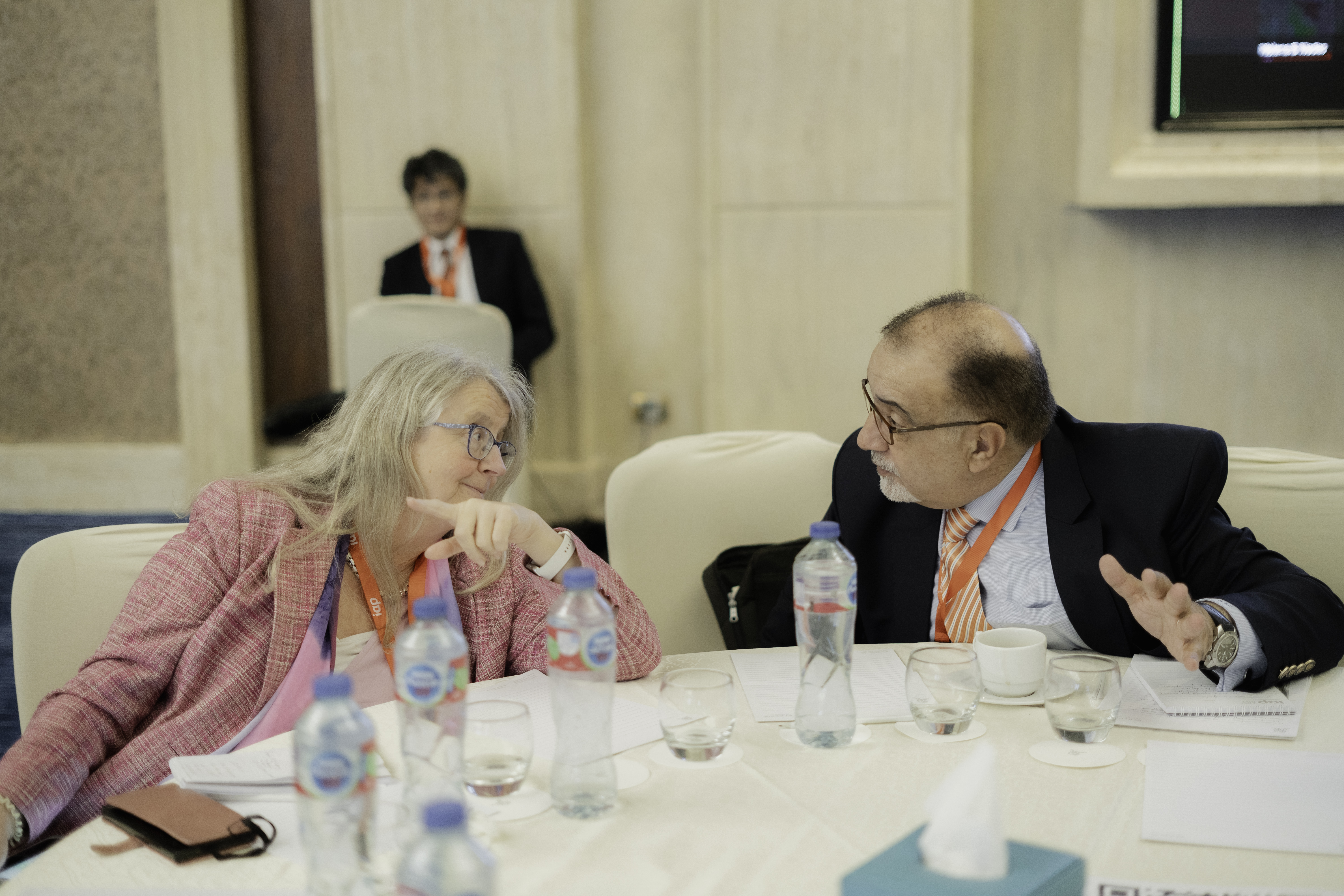
The InterAcademy Partnership (IAP) brought together its global community of science, engineering and medical academies in Cairo from 8 to 11 December 2025 for its Triennial Conference and General Assembly. Hosted by the Academy of Scientific Research and Technology (ASRT) and attended by 164 participants from 68 countries, the four-day event showcased how science can inform policy, strengthen public health, foster innovation, and advance sustainable development.
The conference, under the theme 'Bridging Science, Policy, and Society in an Era of Transformation', featured more than 90 speakers across 18 sessions, plenary talks, workshops and side events. Delegates explored how science academies can support evidence-based decision-making, cultivate international collaboration and promote excellence and equity in research. Find the agenda for download here.
Italy Highlights Science Diplomacy and International Collaboration
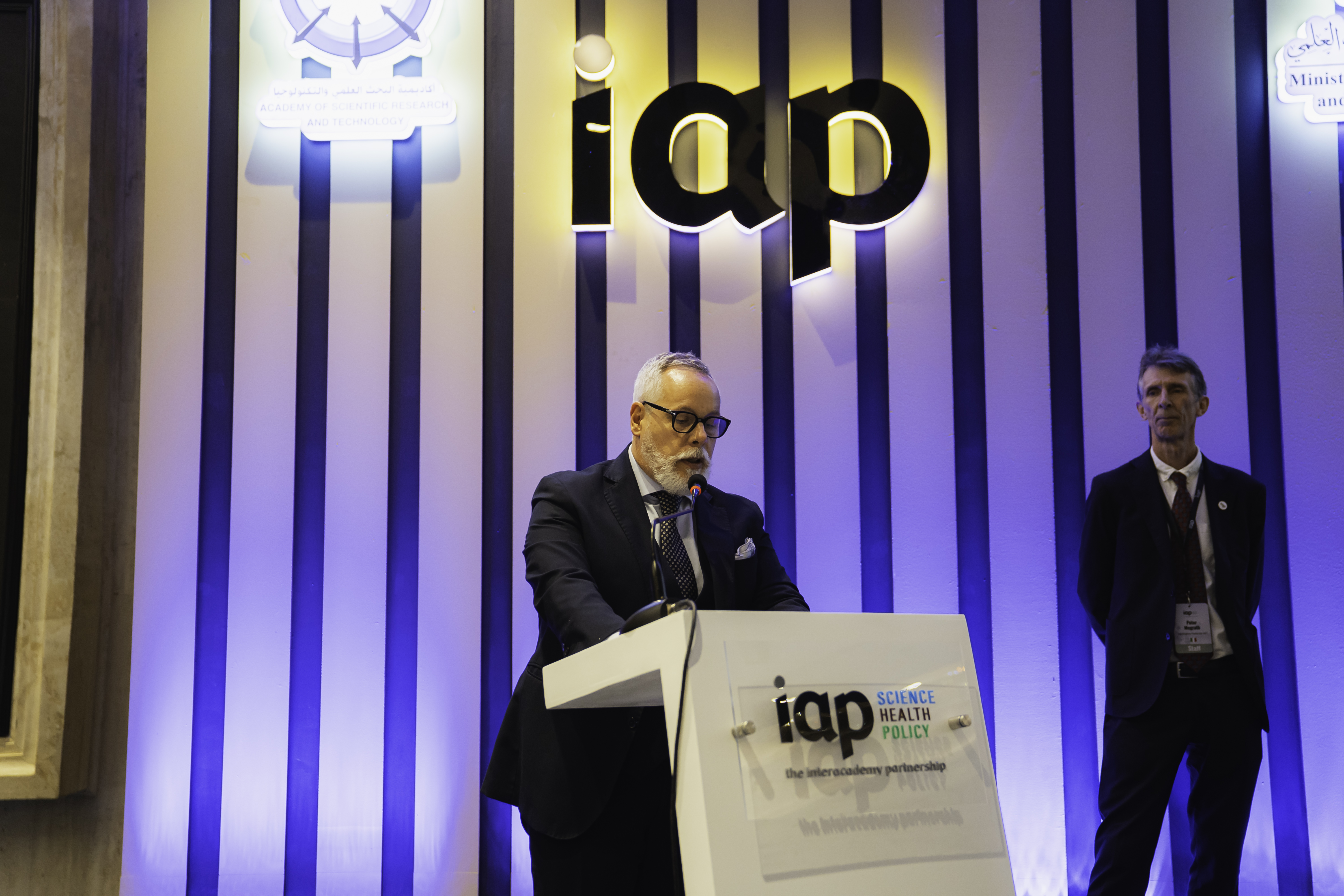
Italy’s strong commitment to international scientific collaboration was highlighted during the conference through the participation of senior representatives from the Italian diplomatic and scientific community. At the opening ceremony, Domenico De Martinis, Scientific Attaché at the Embassy of Italy in Egypt, underscored Italy’s longstanding support for the InterAcademy Partnership and the role of Trieste as a global hub for scientific cooperation hosting key international institutions and the IAP Secretariat. During a high-level session on science diplomacy, Maria Michela Laroccia, Deputy Head of Mission at the Embassy of Italy in Egypt, reaffirmed Italy’s commitment to advancing research partnerships and science-based development. Their interventions also marked the 50-year anniversary of Italy–Egypt scientific cooperation, highlighting science and academia as powerful channels for international dialogue and collaboration.
Conference Themes and Sessions
The programme explored seven key themes:
- Trust and Resilience in Science Systems: Strategies to rebuild public trust in science, navigate political divides and combat misinformation.
- The Shifting Social Role of Academia: Examining the evolving mission and sustainability of universities and academies.
- Innovation for Sustainable Development: How scientific breakthroughs can support energy transitions, food security and sustainable economies.
- Technological Advances and Ethical Challenges: Ensuring equitable and ethical governance of emerging technologies.
- Climate Mitigation, Resilience, and Sustainability: Nature-based and science-driven solutions to environmental challenges.
- Science Advice: Promoting independent, transdisciplinary advice for decision-makers and society.
- Science Diplomacy: Leveraging science to foster global collaboration and equitable partnerships.
The conference included plenary sessions, thematic panels and interactive workshops, allowing delegates to exchange experiences, present research, and identify actionable pathways for collaboration.
Plenary Speech: Bridging Science, Policy and Society in an Era of Transformation
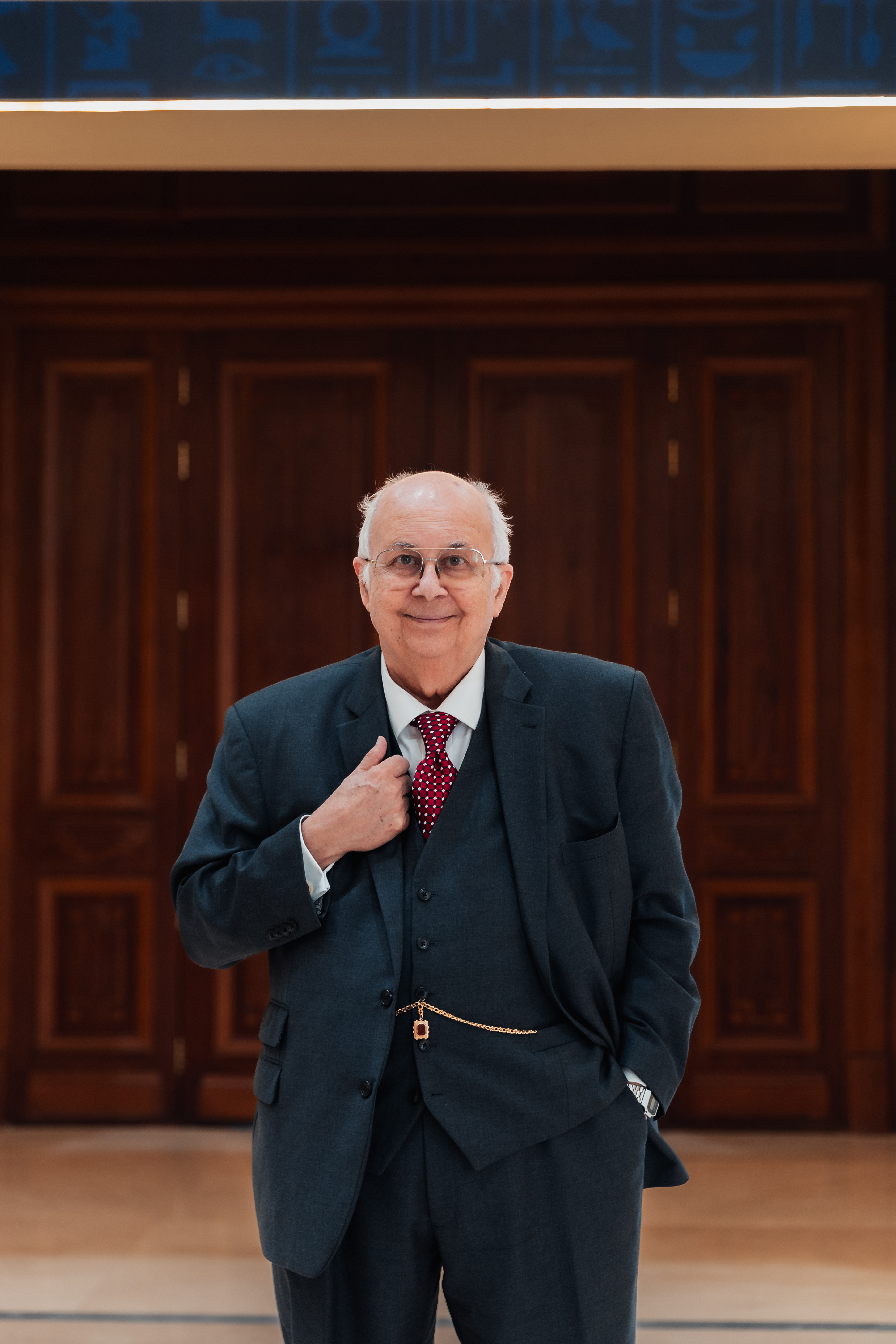
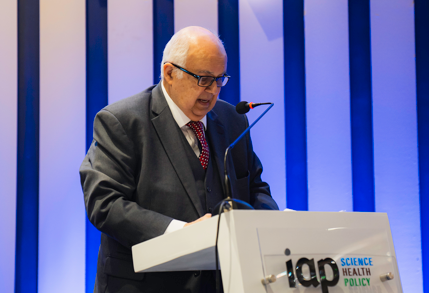 Prof. Serageldin delivered an inspiring and deeply engaging speech that framed science as a global social public good, emphasising its importance amid breakthroughs, political fragmentation, inequality, disinformation and eroding trust. Drawing on Egypt’s intellectual legacy, he stressed that academies must defend truth, rigour, ethics, openness and constructive dissent, while engaging society directly on climate, pandemics, conflict, AI and biotechnology.
He called for stronger integration of natural sciences, social sciences and humanities, safeguarding independence, countering anti-science narratives, rethinking links between basic and applied research, and actively nurturing young scientists.
His closing message urged academies to remain autonomous, outward-looking and values-driven to help societies navigate turbulence and build a just, sustainable future grounded in evidence and reason.
More details: here. Watch the recording on the IAP YouTube Channel here.
Plenary Session 1: Science Academies and Science Diplomacy in a Tumultuous World
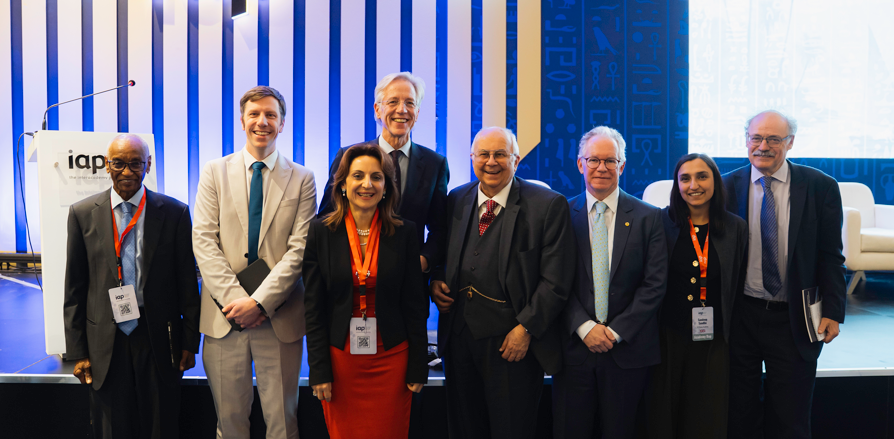 This high-level plenary explored how science academies can navigate a volatile global environment. Scientific cooperation is challenged by geopolitics, misinformation, anti-elite sentiment and pressures on research systems. Science diplomacy is increasingly shaped by diverse actors, including technology companies, cities and sub-national governments.
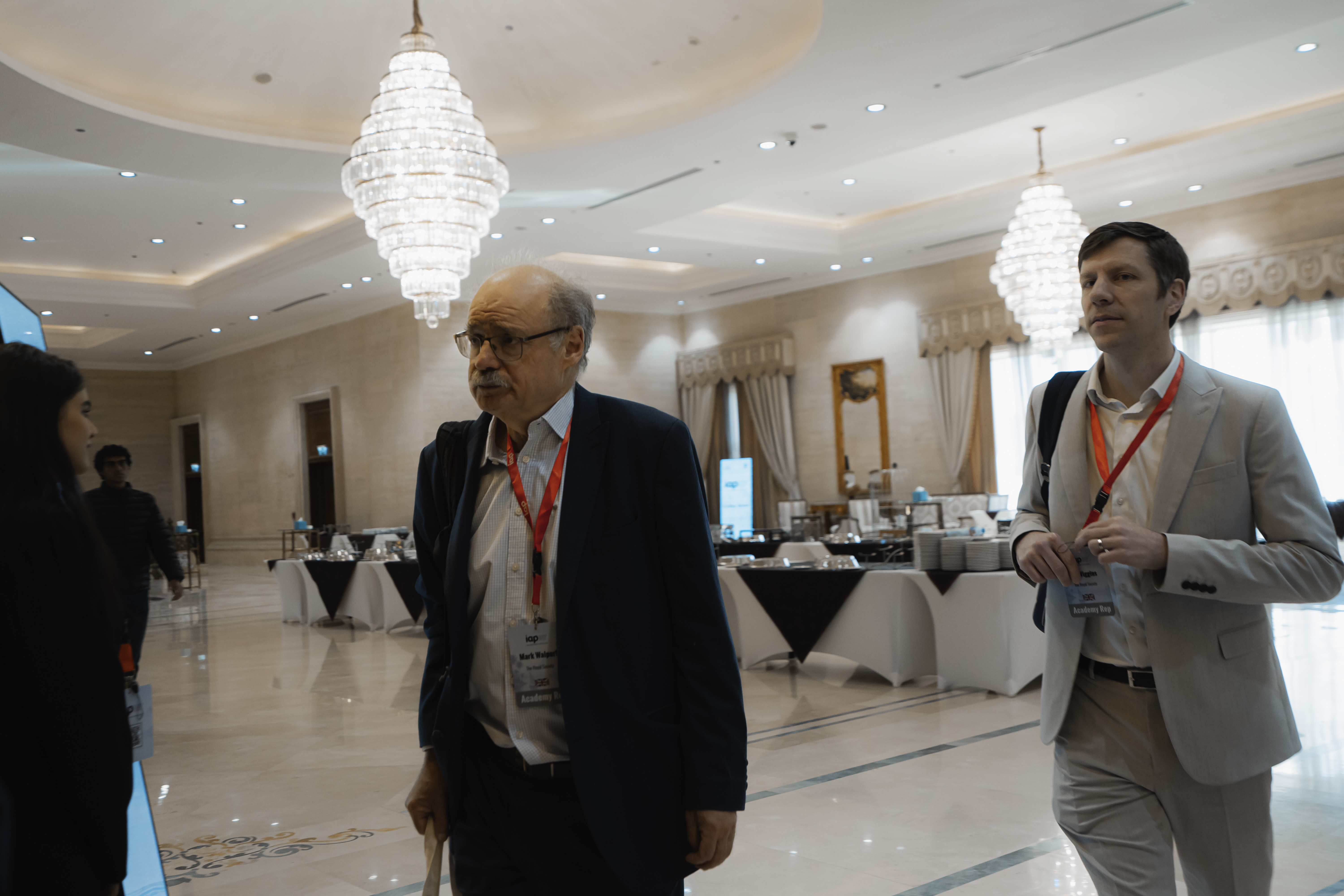
Mark Walport framed science diplomacy as an activity, not a theory: the interaction between science and diplomatic processes, each with different cultures, incentives and timelines. He emphasised that science informs, policymakers decide, trust is foundational, diplomacy shapes scientific collaboration and new pressures such as research security and multinational technology companies complicate traditional diplomatic channels.
Sandeep Sandhu’s key message was that integrating the next generation into science diplomacy is essential and noted that early-career scientists feel urgency because global crises like climate change, AI disruption and geopolitical fragmentation affect their futures.
Mohamed Hassan focused on inequalities in science diplomacy for least developed countries (LDCs). He noted that only 18 of 45 LDCs have national science academies, many struggle with limited resources, weak government support and low international visibility. He shared examples: Uganda’s COVID-19 misinformation campaign, Bangladesh and Uganda’s evidence-based biodiversity work, Ethiopia’s first academy-led interactive science museum and Sudan’s pre-conflict efforts in inquiry-based science education. He appealed for support for displaced scientists and emphasised that misinformation crosses borders, making the role of science academies crucial.
Phoebe Koundouri situated science diplomacy in the context of overlapping global crises: climate, biodiversity loss, inequality and economic stagnation. She argued that science, data, models and financial resources already exist to address them and continuous dialogue among scientists, policymakers, industry, finance, civil society and communities is required. Capacity building and education are critical to enable countries to co-own solutions and sustain implementation.
Marcelo Knobel emphasised strengthening science in the Global South and addressing structural inequities. He highlighted that low- and middle-income countries now produce 60% of global publications, but challenges remain, including gender imbalance, fragile research environments and political instability. TWAS has adopted measures such as women-only fellowship cohorts to address gender gaps. He stressed integrating Global South scientists into global standard-setting bodies like the IPCC and UNESCO Science Reports. His conclusion: science diplomacy must ensure global governance reflects the new geography of science.
Robbert Dijkgraaf called for bold science diplomacy in a fragmenting world. He warned that scientific collaboration today is “worse than at the height of the Cold War,” with growing restrictions on data sharing, mobility and perceived dual-use research. He cited examples such as the International Geophysical Year leading to the Antarctic Treaty to show the potential of bottom-up diplomacy. Scientists must resist self-censorship, articulate the value of international collaboration and engage governments and intelligence agencies clearly about risks and opportunities.
Science diplomacy is essential and increasingly challenging. It requires trust, inclusion, capacity building, boldness and a renewed commitment to global cooperation led by science academies and their partners.
Watch the recording on the IAP YouTube Channel here.
Session 2: Science Diplomacy as a Bridge for At-Risk and Displaced Scholars
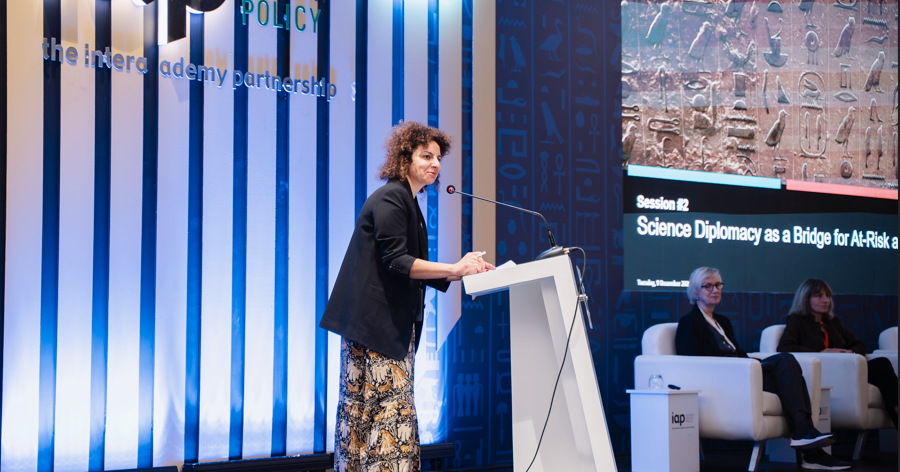 This session examined the role of science diplomacy in protecting at-risk and displaced scholars and defending academic and scientific freedom in contexts of conflict, repression and the increasing securitisation of research. The discussion emphasised that displacement is not an abstract category but a lived reality marked by professional disruption, insecurity and institutional silence.
Participants highlighted the gap between formal declarations of support and practical mechanisms that enable scholars to continue their work. Regional protection initiatives, emergency visas, fellowships, hosting arrangements and coordinated international advocacy were identified as essential tools. The importance of culturally and linguistically proximate host institutions was underscored, particularly in regions heavily affected by conflict.
The session situated academic freedom within international human rights frameworks, recalling that the right to participate in and benefit from scientific progress is universally recognised.
The discussion concluded that supporting at-risk scholars is both a moral obligation and a strategic investment in resilient knowledge systems. Protecting scientific freedom, strengthening institutional solidarity and ensuring practical support mechanisms are central to maintaining science as a global public good.
Watch the recording on the IAP YouTube Channel here.
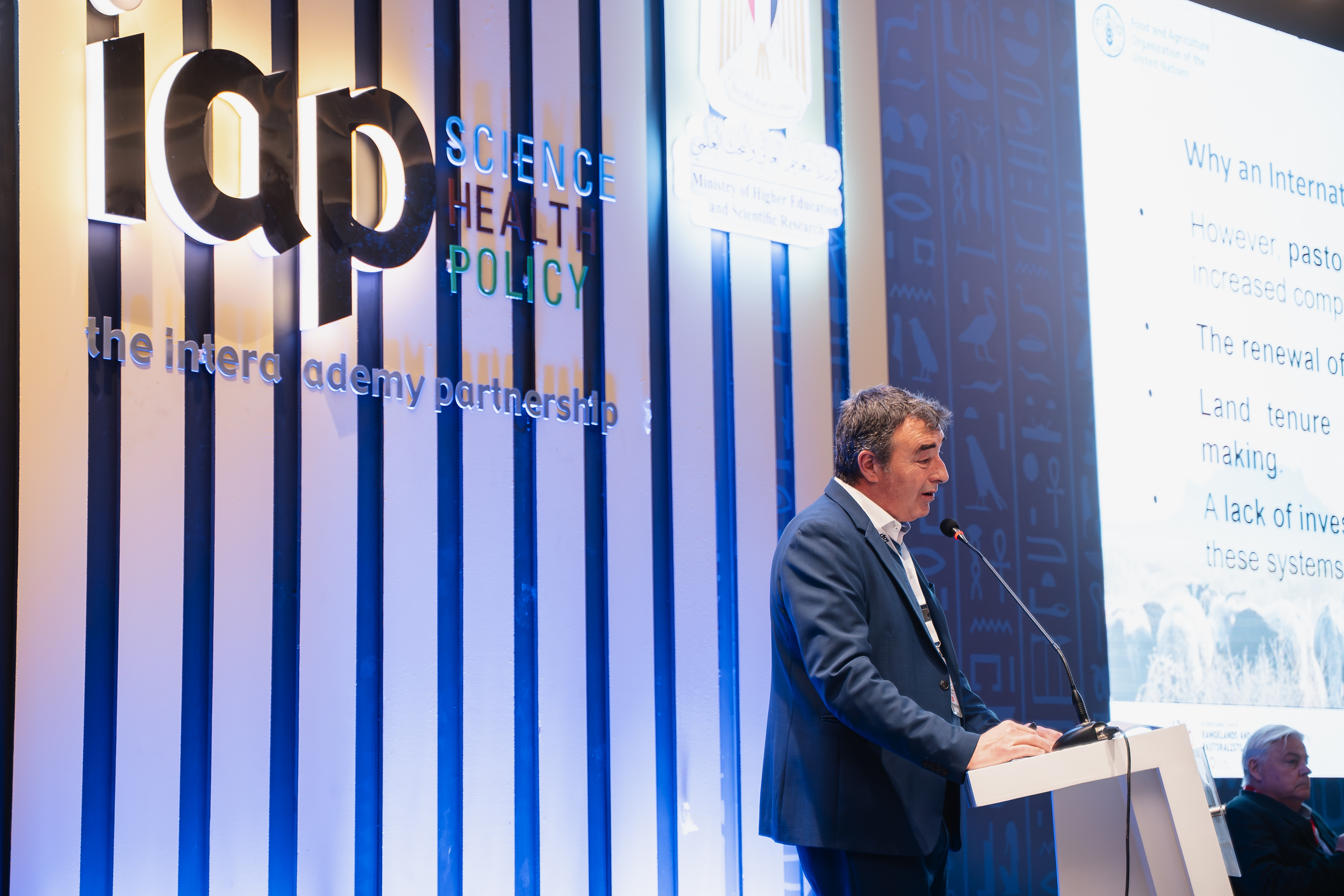
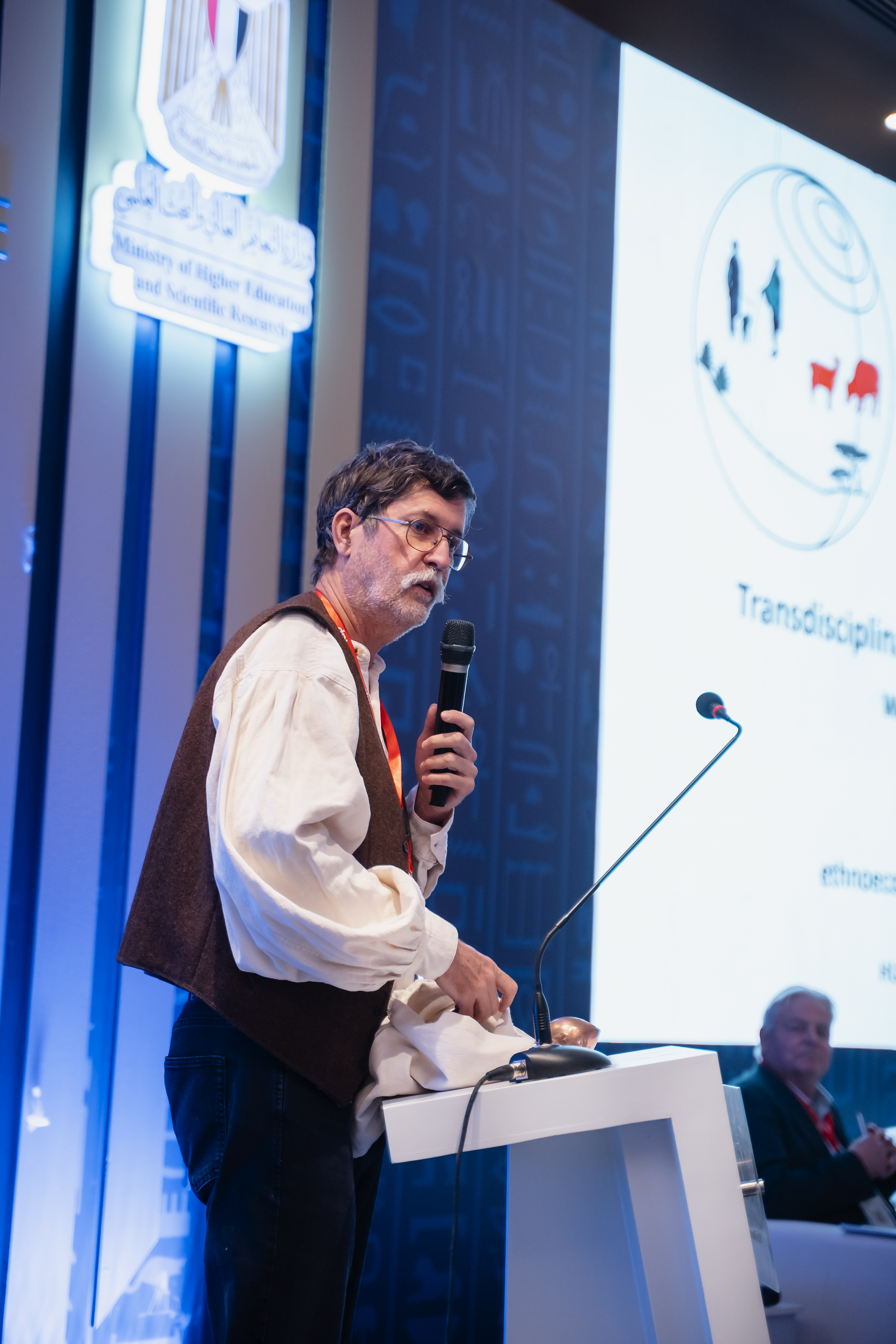
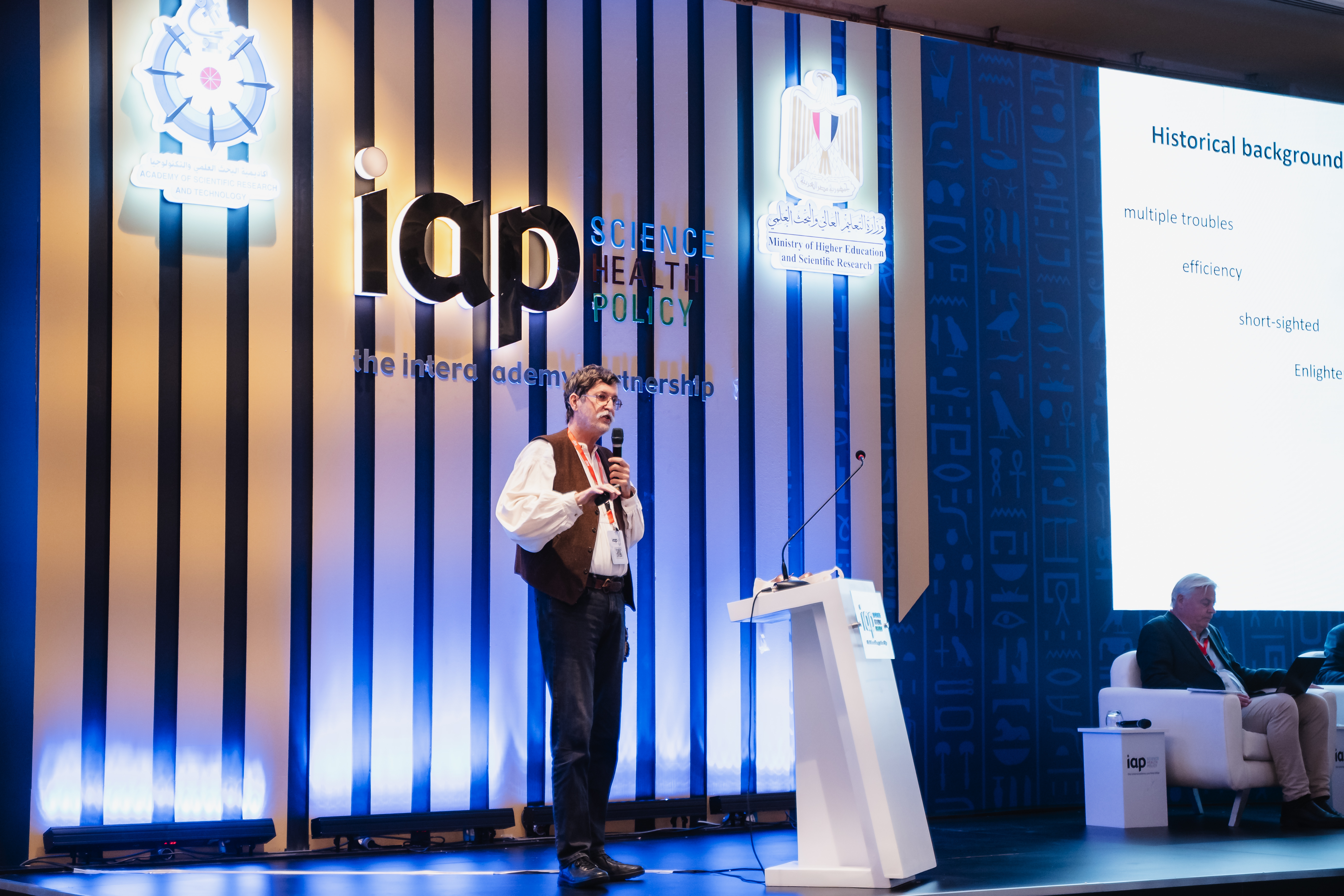
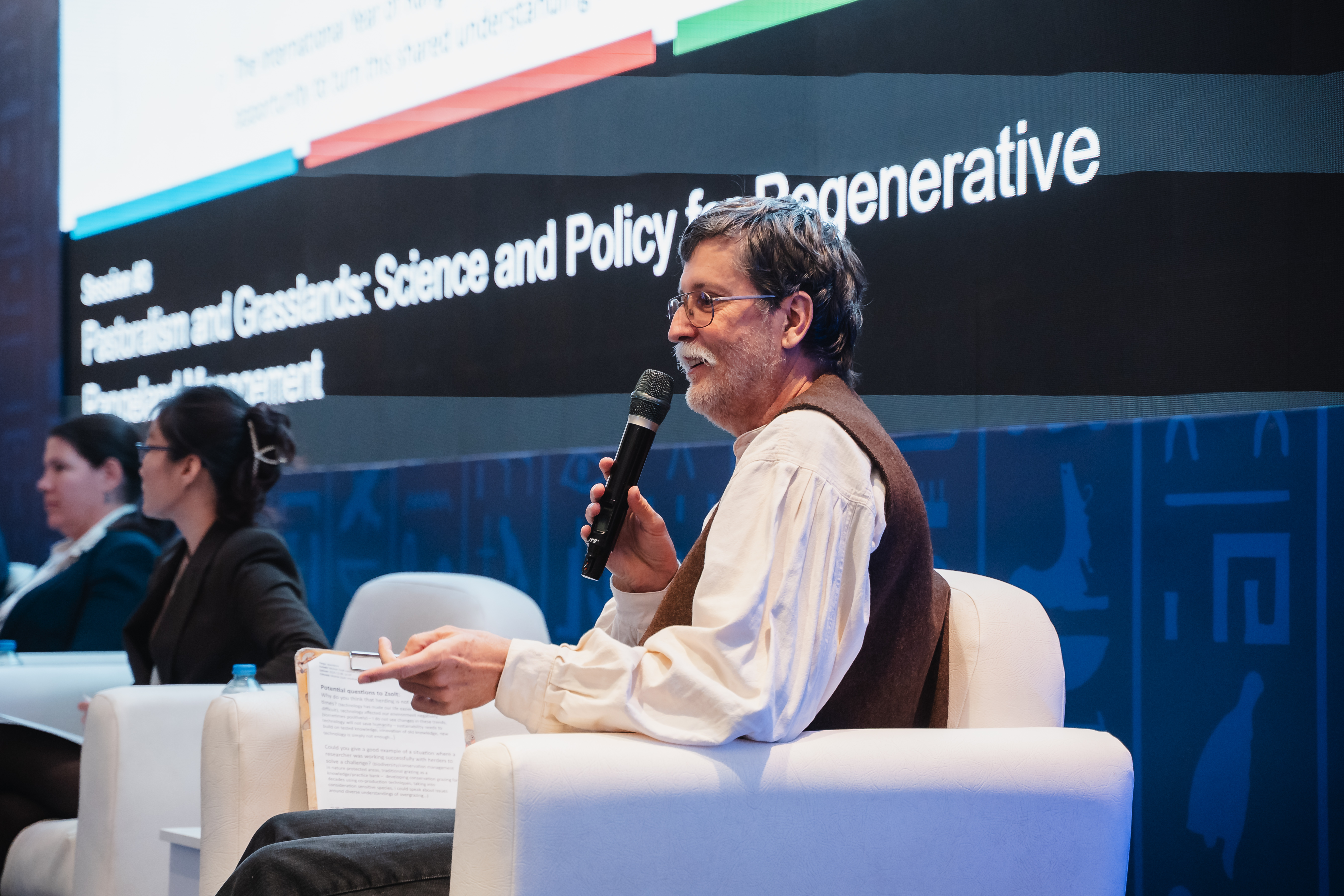
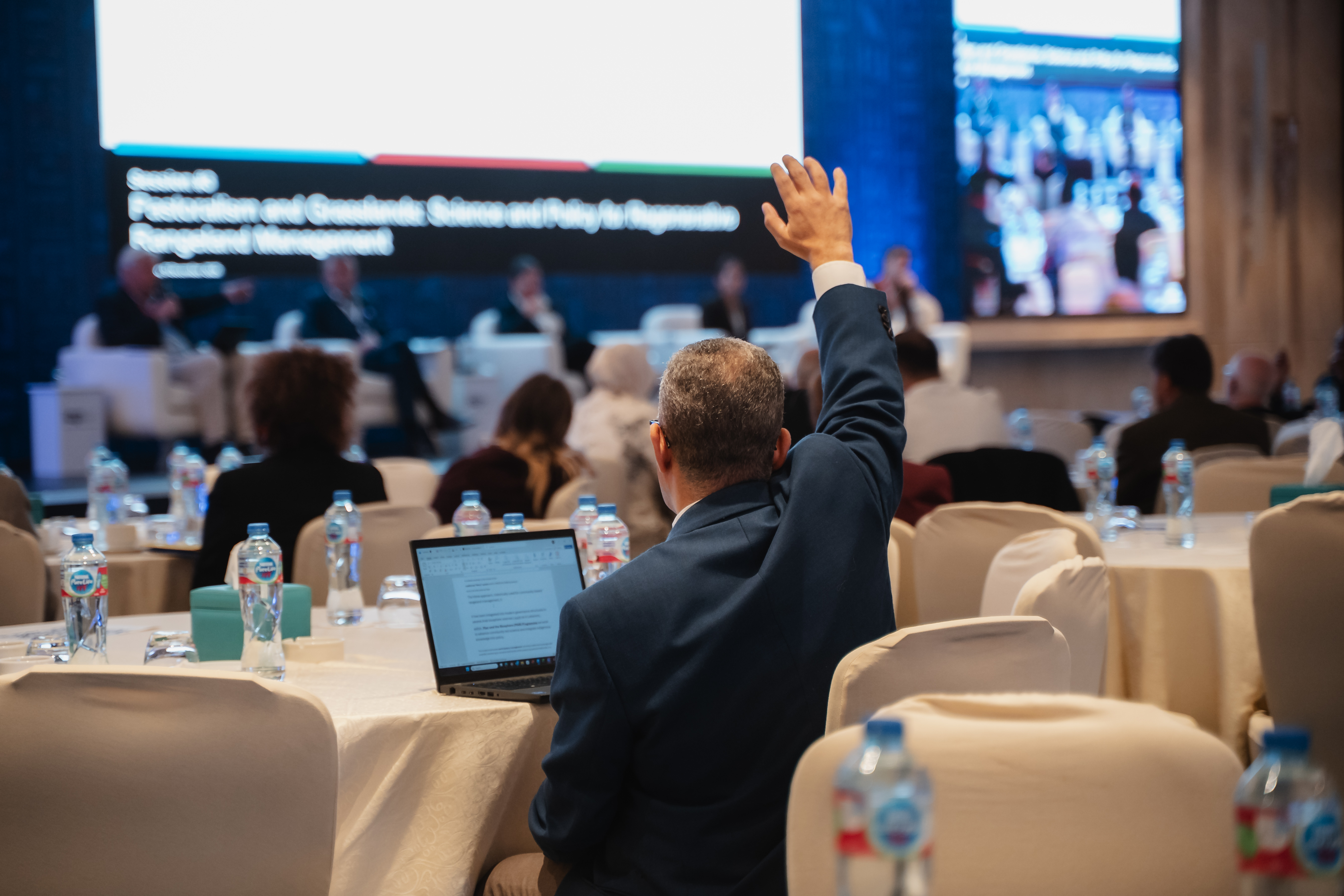
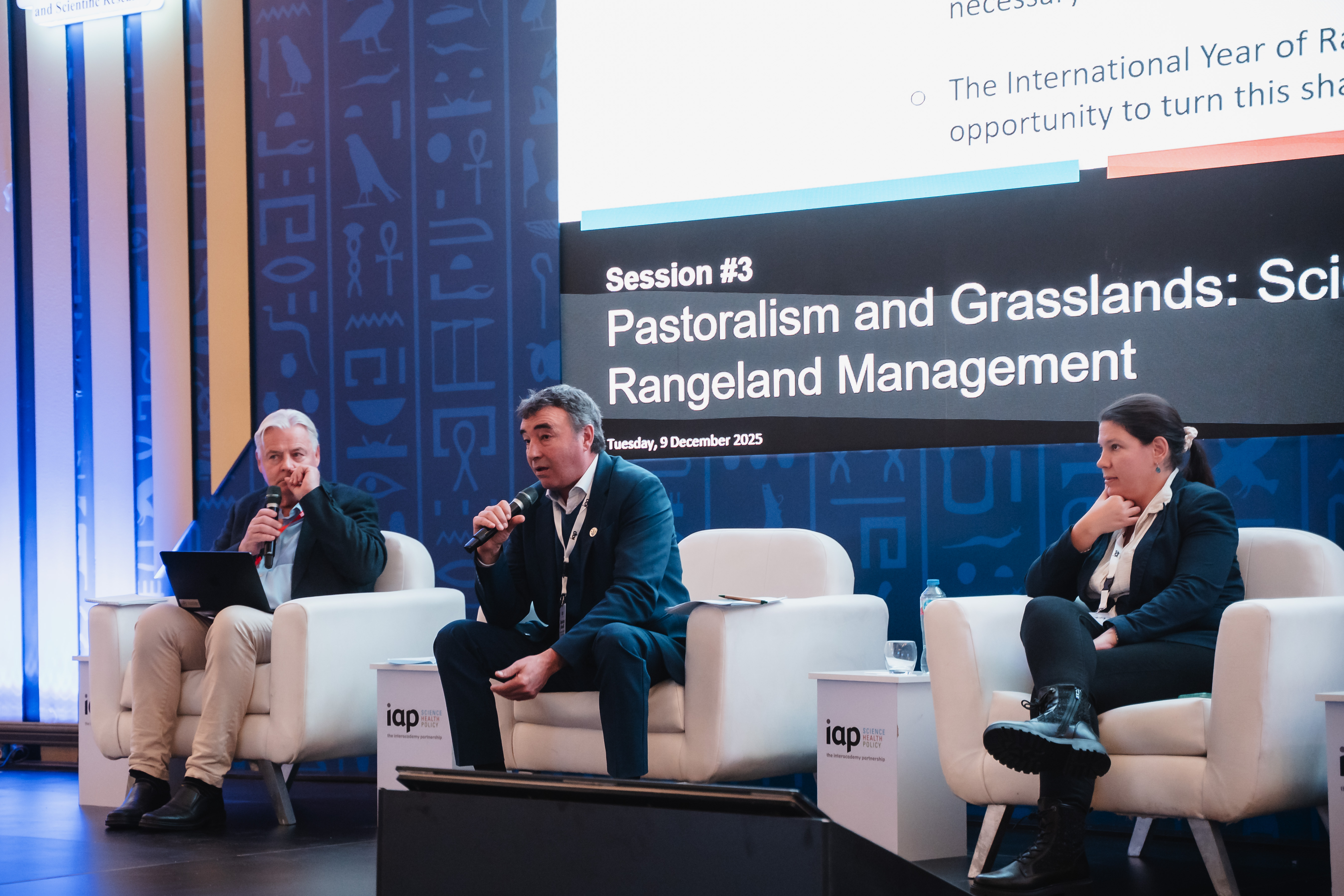
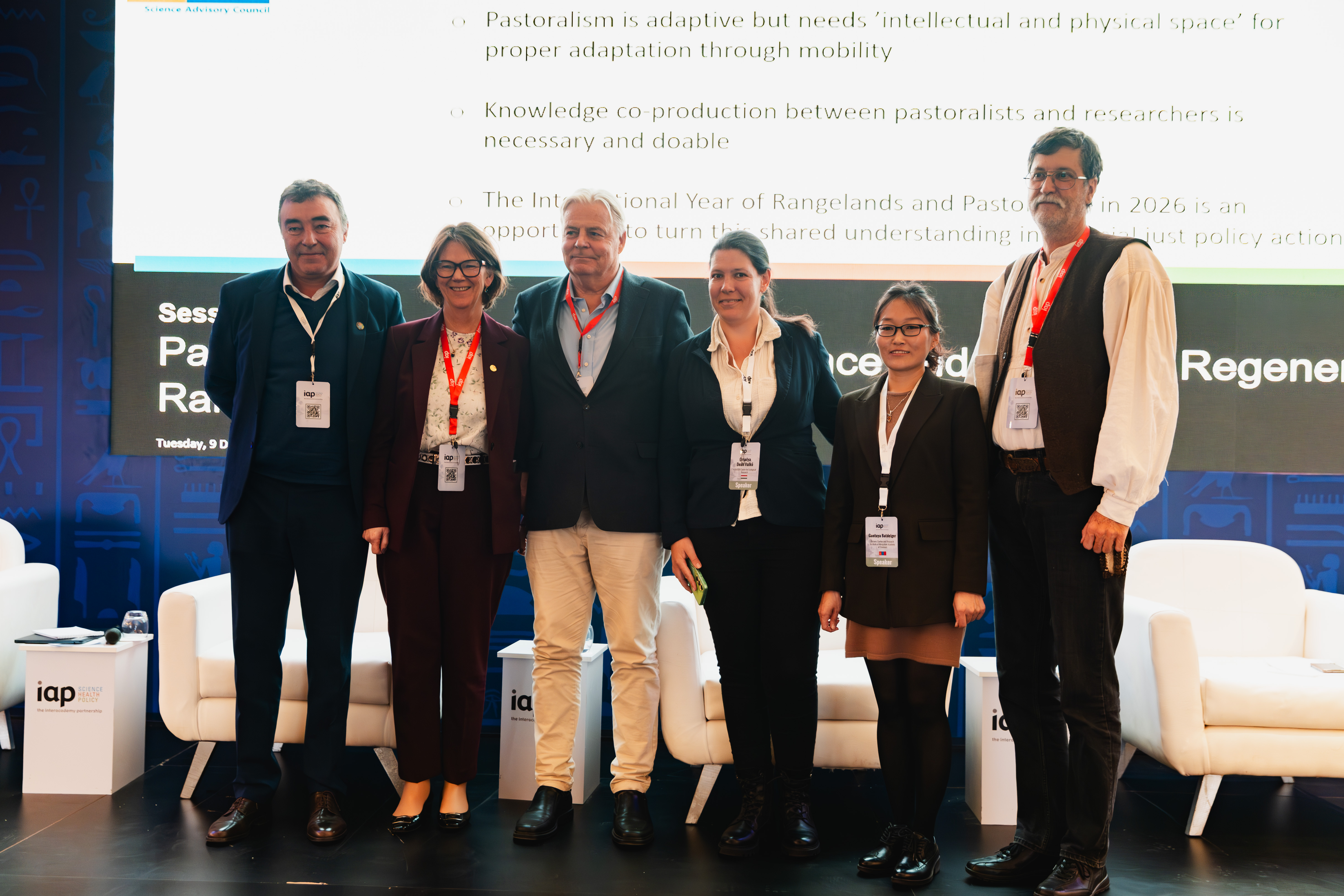
Session 3: Pastoralism and Grasslands: Science and Policy for Regenerative Rangeland Management
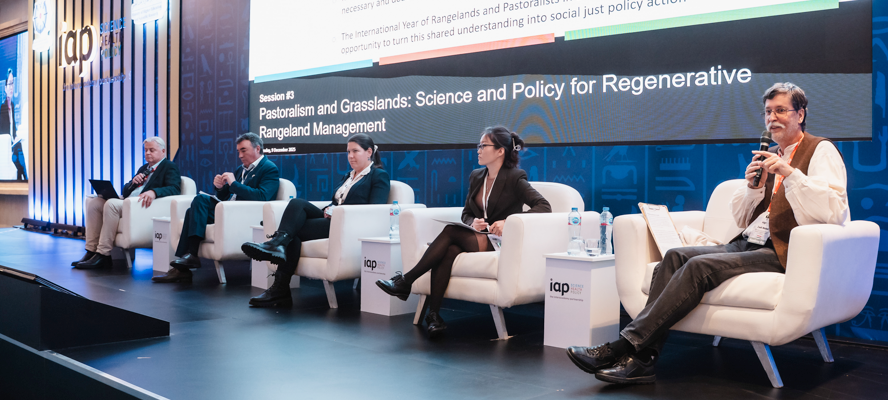 This session examined the global importance of grasslands and pastoralism for food security, ecosystem health and cultural heritage. Semi-natural grasslands are among the most species-rich ecosystems on Earth, illustrating how long-term, low-intensity human activity can enhance biodiversity. Steppes and other drylands also support the livelihoods of one billion people worldwide, demonstrating the deep interconnection between people and ecosystems. Grasslands face growing threats from climate change and land-use changes, including abandonment leading to shrub or forest succession and intensification through fertilizer use, frequent mowing, or monoculture planting, all of which reduce biodiversity.
Speakers emphasized that pastoralists are active stewards of ecosystems. Grasslands and rangelands are living testaments to the co-evolution of people and nature and pastoralist mobility is essential to maintain ecosystem health and resilience. The session highlighted the urgent need to fill data gaps to guide policy and responsible investment. Collaboration between researchers and pastoralists, including Indigenous and local knowledge, is feasible and critical to designing effective interventions. Legal frameworks and inclusive policies that recognize pastoralists’ rights and traditional knowledge are necessary to ensure their adaptive management strategies are maintained.
Looking ahead, the session stressed the role of innovation, market integration and locally adapted services in supporting decent rural employment, particularly for youth and women in pastoral communities. Participants framed the International Year of Rangelands and Pastoralists 2026 as a key opportunity to translate shared understanding into socially just policy action. The discussion also connected to broader themes in science diplomacy, recognizing pastoralists as at-risk knowledge holders whose expertise may be displaced by environmental or political pressures. The session underscored that academies have a role in bridging knowledge systems, supporting pastoralist resilience and fostering cooperation between researchers and local communities across regions.
Watch the recording on the IAP YouTube Channel here.
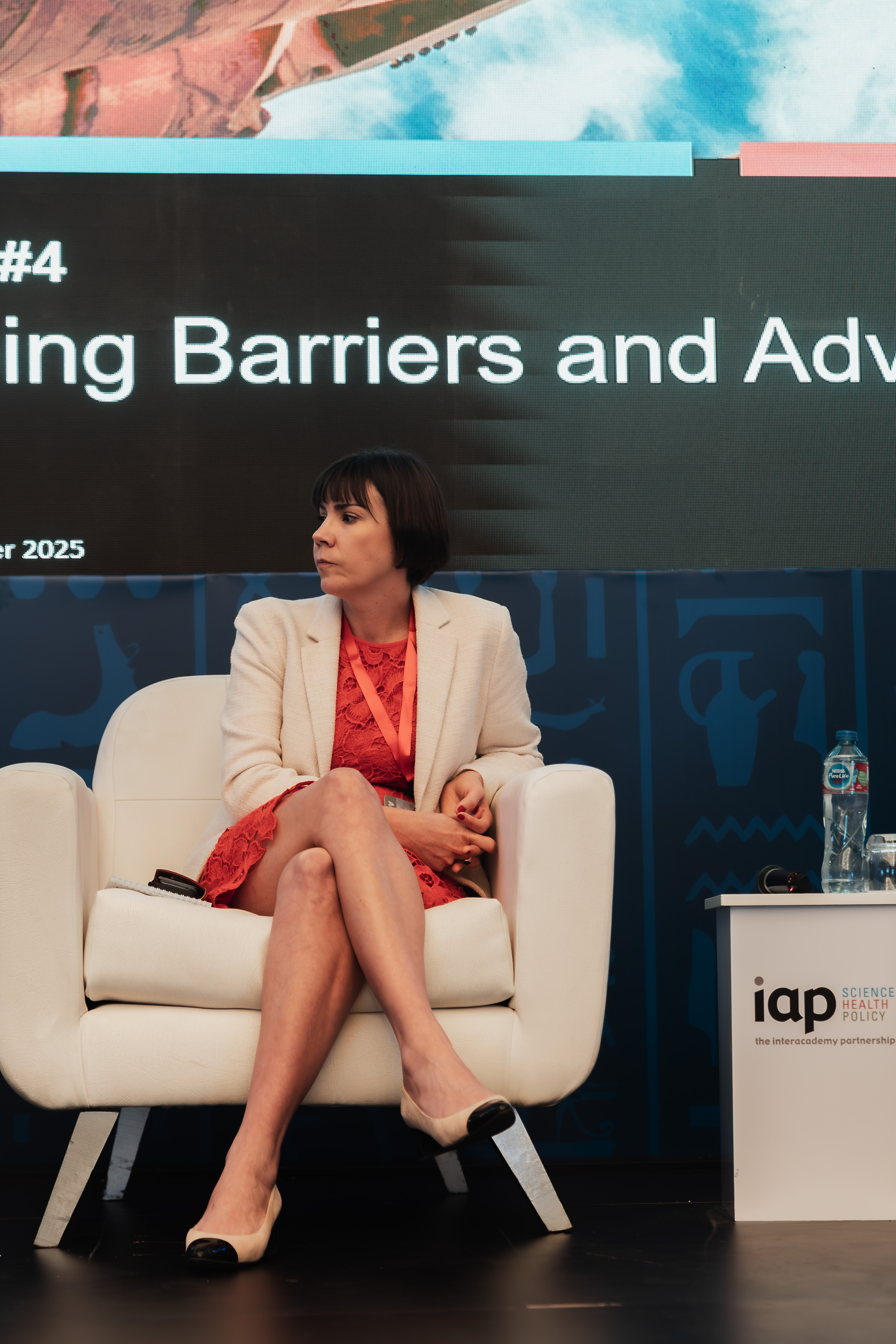
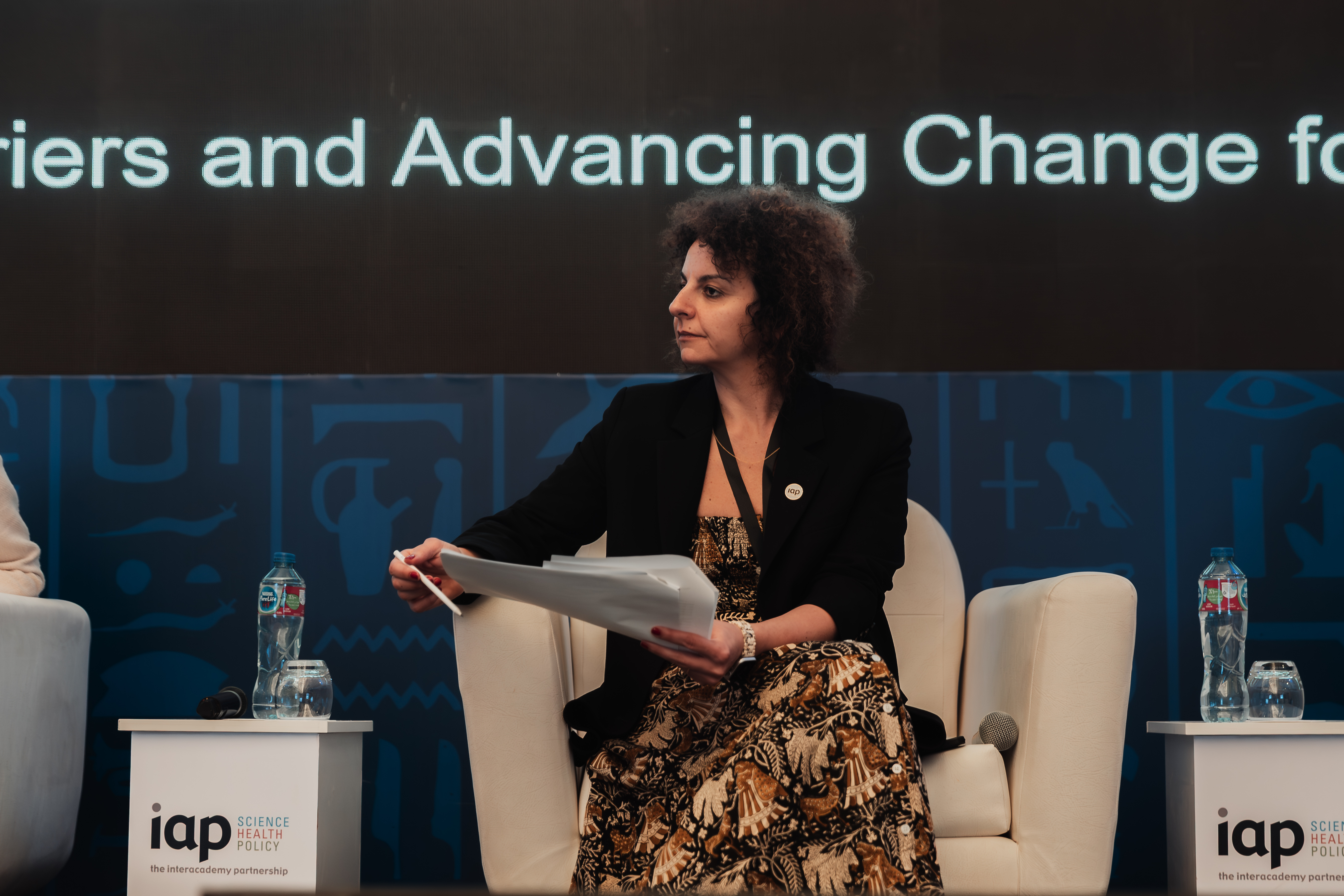
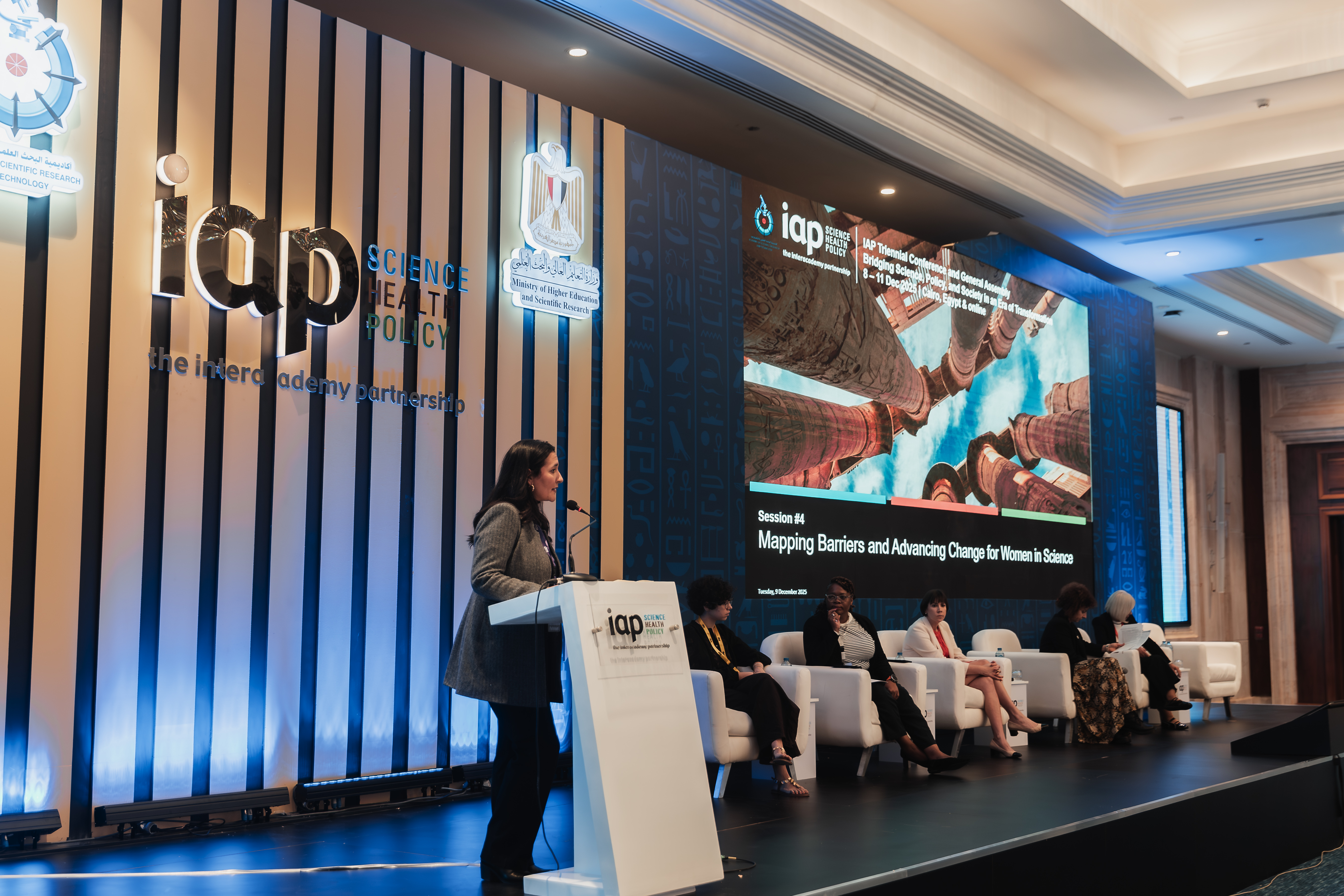
Session 4: Mapping Barriers and Advancing Change for Women in Science
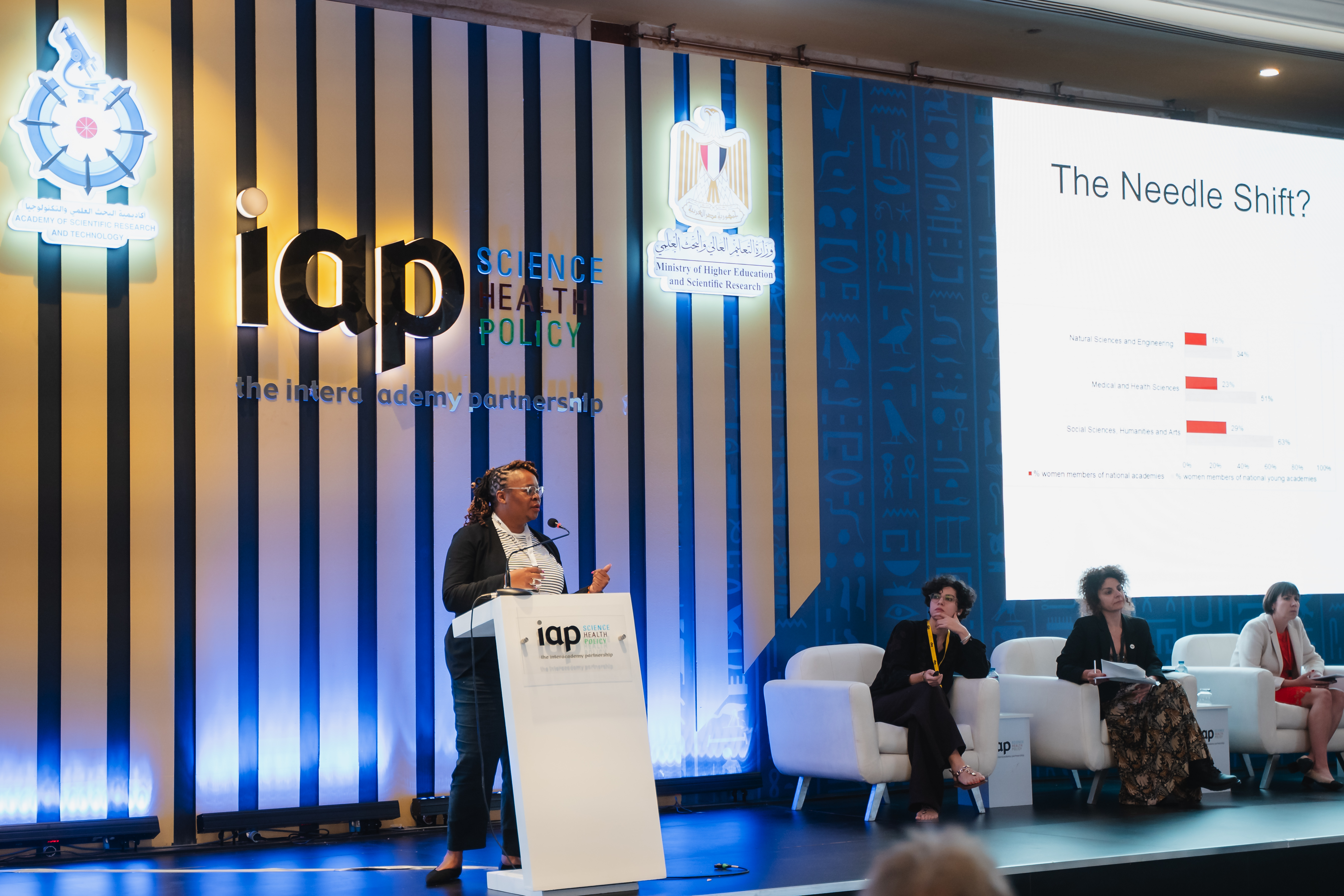
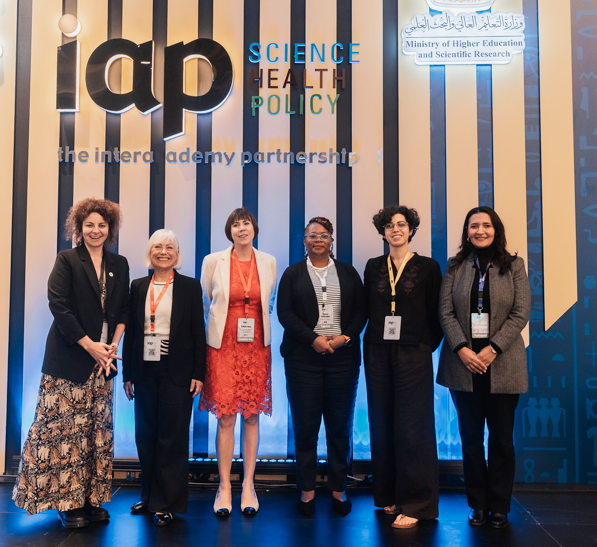 This session focused on advancing gender equality in science by highlighting regional and global efforts, challenges and strategies. Participants discussed initiatives to increase visibility and recognition of women scientists, including student competitions, lecture series, publications and awards programmes. While female representation in scientific academies is growing, averaging around 27% in Latin America with some countries approaching 50%, leadership positions remain male-dominated and structural inequalities persist.
Speakers emphasised that systemic change is essential: institutionalised policies, formal committees, dedicated budgets, quotas and monitoring mechanisms are more effective than ad hoc or surface-level initiatives. Early interventions at the entry stage into STEM fields, allyship and broad diversity, equity and inclusion considerations were identified as key levers for progress. Participants noted that private partnerships and awards can enhance visibility and career advancement, but also cautioned that women sometimes resist self-nomination, creating gaps in recognition.
Challenges discussed included stereotyping, cyberbullying and harassment in digital environments, and lack of male engagement in addressing gender inequities. Solutions highlighted included engaging men as allies, raising awareness and “fixing the system, not the women”. Coordination across regions, sharing best practices and combining resources, both financial and structural, were emphasised as critical to accelerating progress.
Overall, the session concluded that significant progress has been made, but sustained institutional action, monitoring and collaboration are necessary to close leadership, funding and representation gaps for women in science.
Watch the recording on the IAP YouTube Channel here.
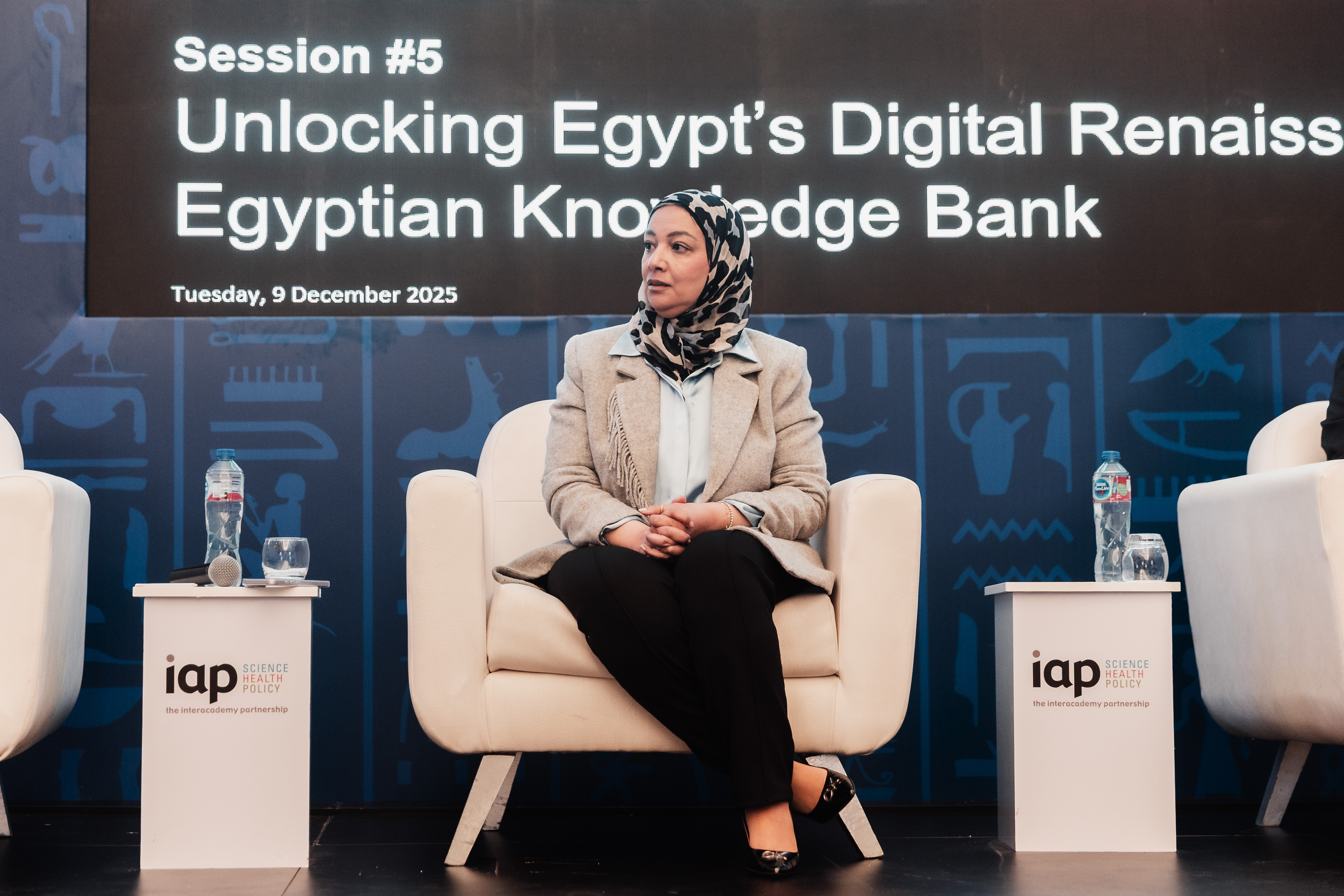
Session 5: Unlocking Egypt’s Digital Renaissance: The Revolutionary Impact of the Egyptian Knowledge Bank
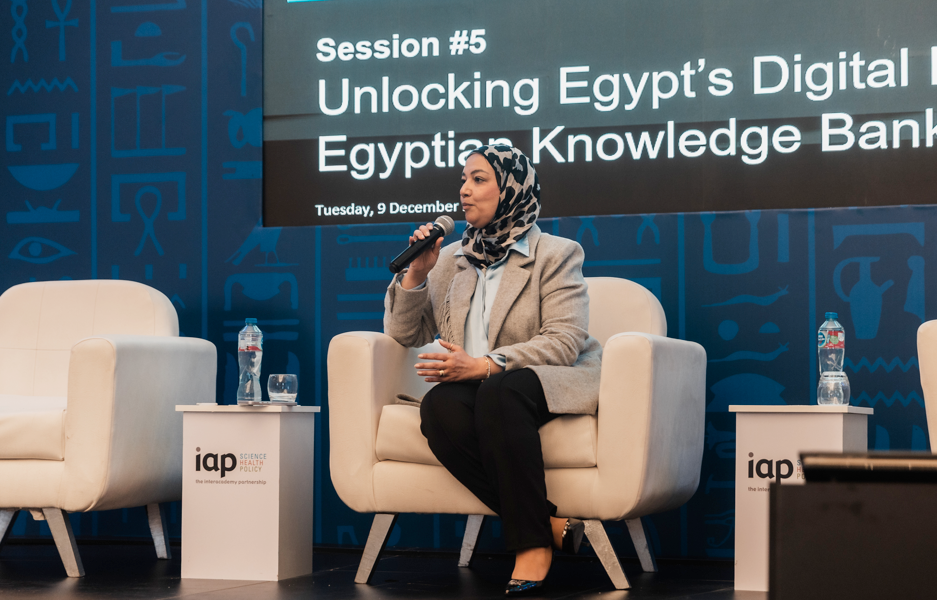 This session explored how the Egyptian Knowledge Bank has evolved from a national digital library into a central pillar of Egypt’s knowledge and innovation ecosystem. Since its launch in 2016, it has provided nationwide access to high quality scientific content for students, researchers, institutions and the wider public. International recognition in 2024 marked a shift from a primarily national initiative to a platform with growing regional reach.
Aligned with Egypt Vision 2030, the Knowledge Bank supports education, research capacity and innovation across priority sectors including energy, water and health. It contributes to SDG related performance by equipping universities with resources, training and assessment tools and by strengthening institutional research quality and impact.
The partnership with Elsevier has expanded beyond content provision to include analytics and AI driven decision support. Through integrated research intelligence tools, including the Egyptian Knowledge Graph, local and Arabic language publications are linked with international data sources, improving visibility and enabling more inclusive research assessment, particularly in humanities and social sciences. Data dashboards also support policymakers in tracking research performance and researcher mobility.
Collaboration with the Association of Arab Universities extends the model regionally, offering member universities access to shared infrastructure and supporting more equitable participation in research across the Arab world. The session concluded that digital transformation is not only about technology but also about strengthening institutions, enabling evidence based policy and expanding open access and open participation in science.
Watch the recording on the IAP YouTube Channel here.
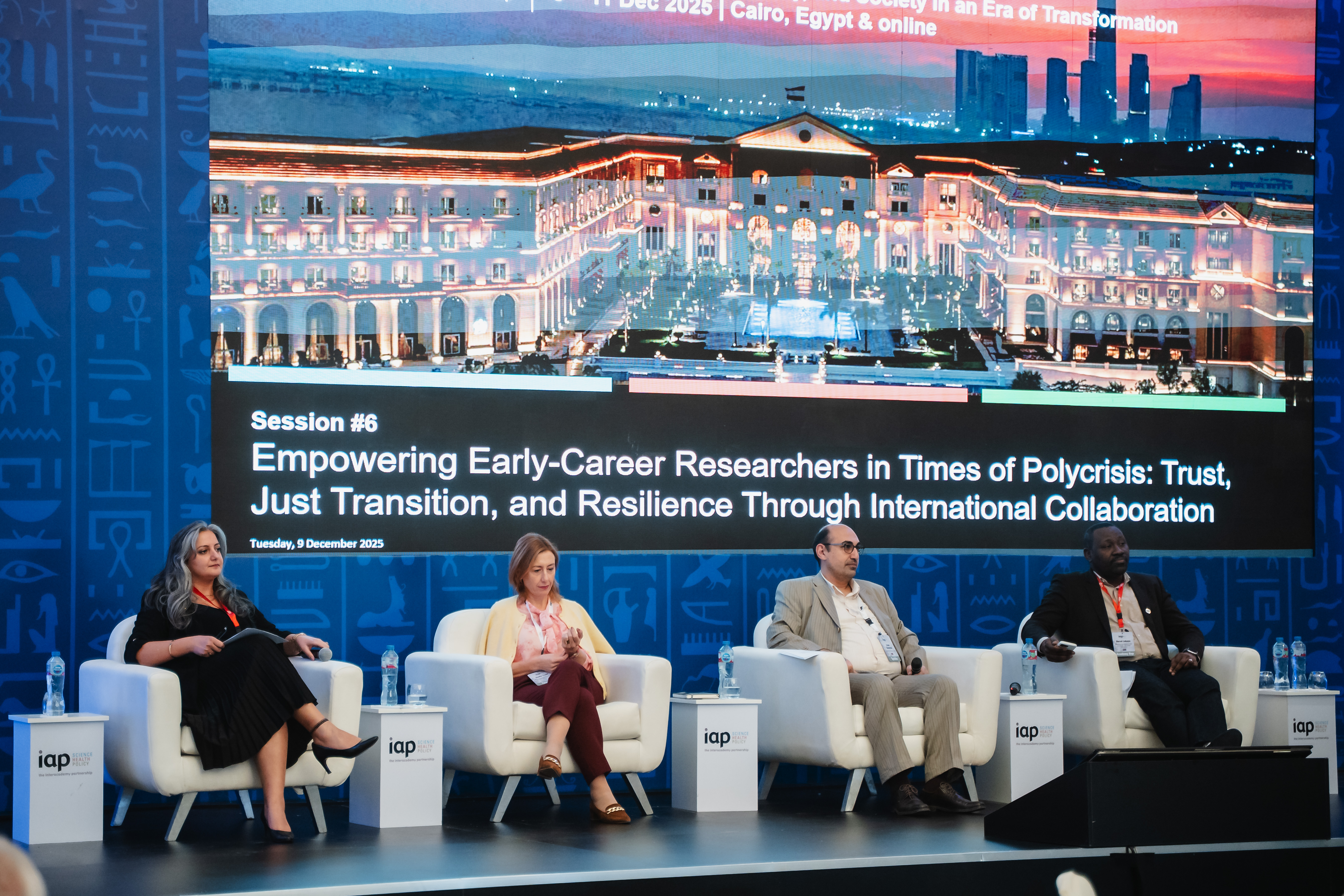
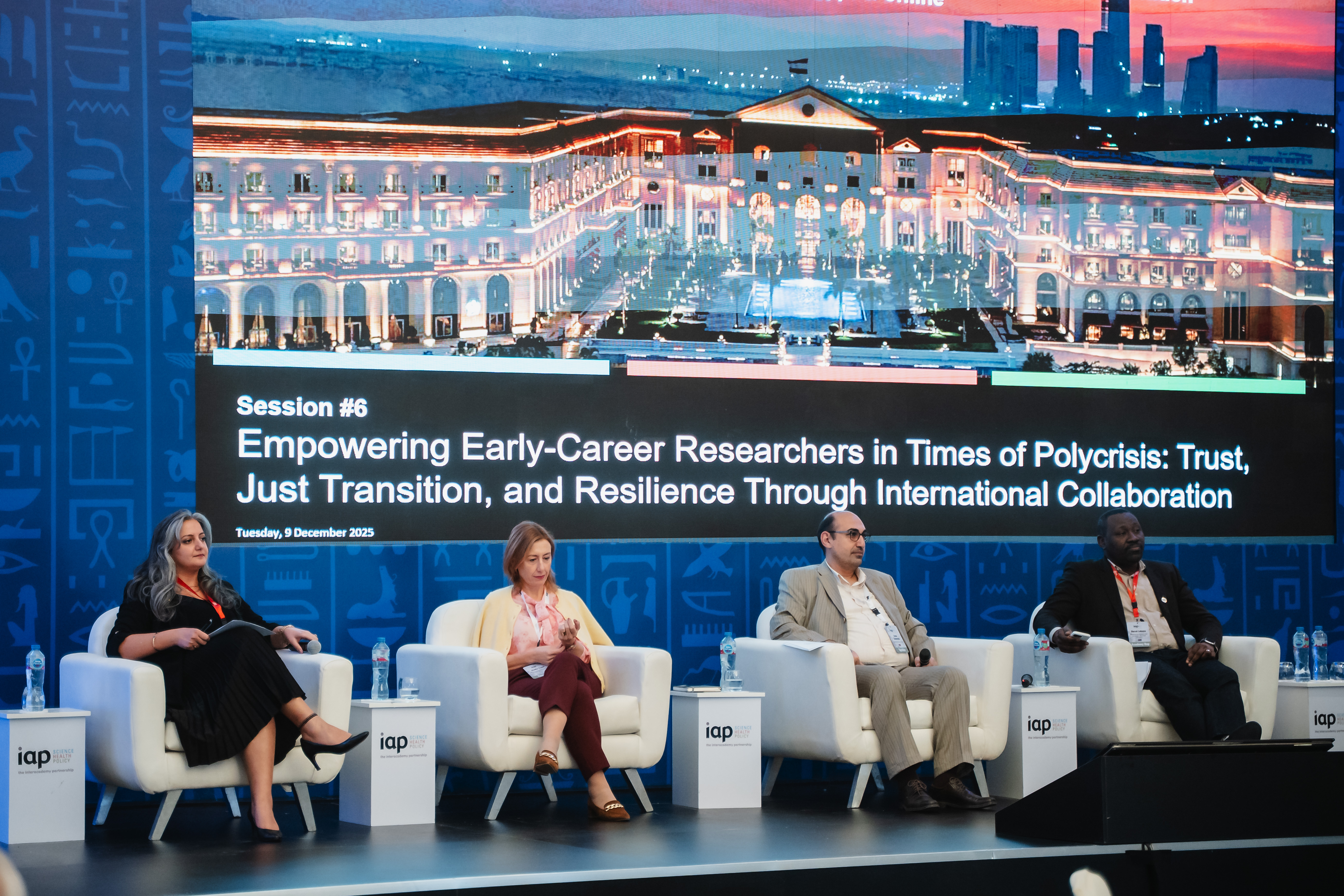
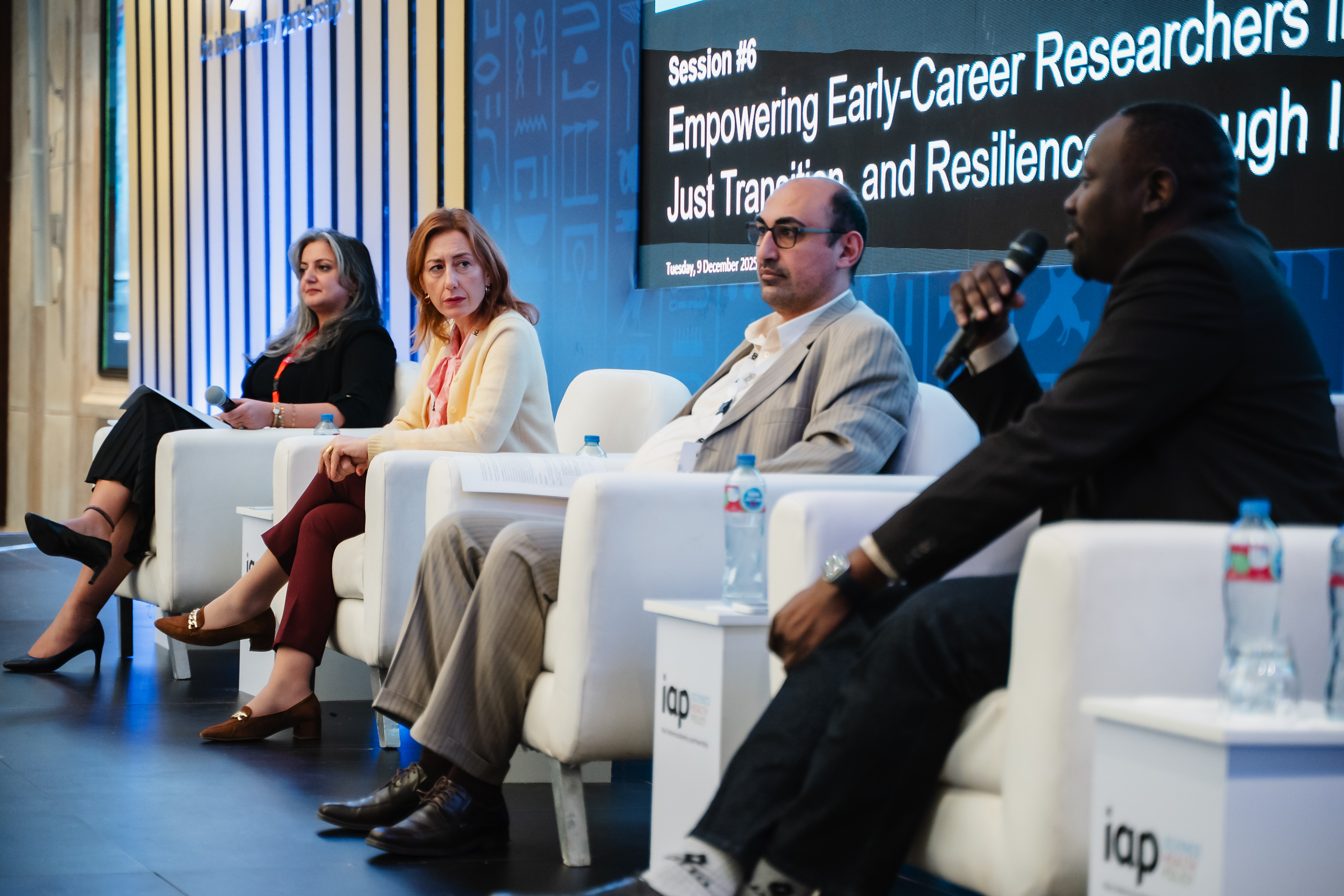
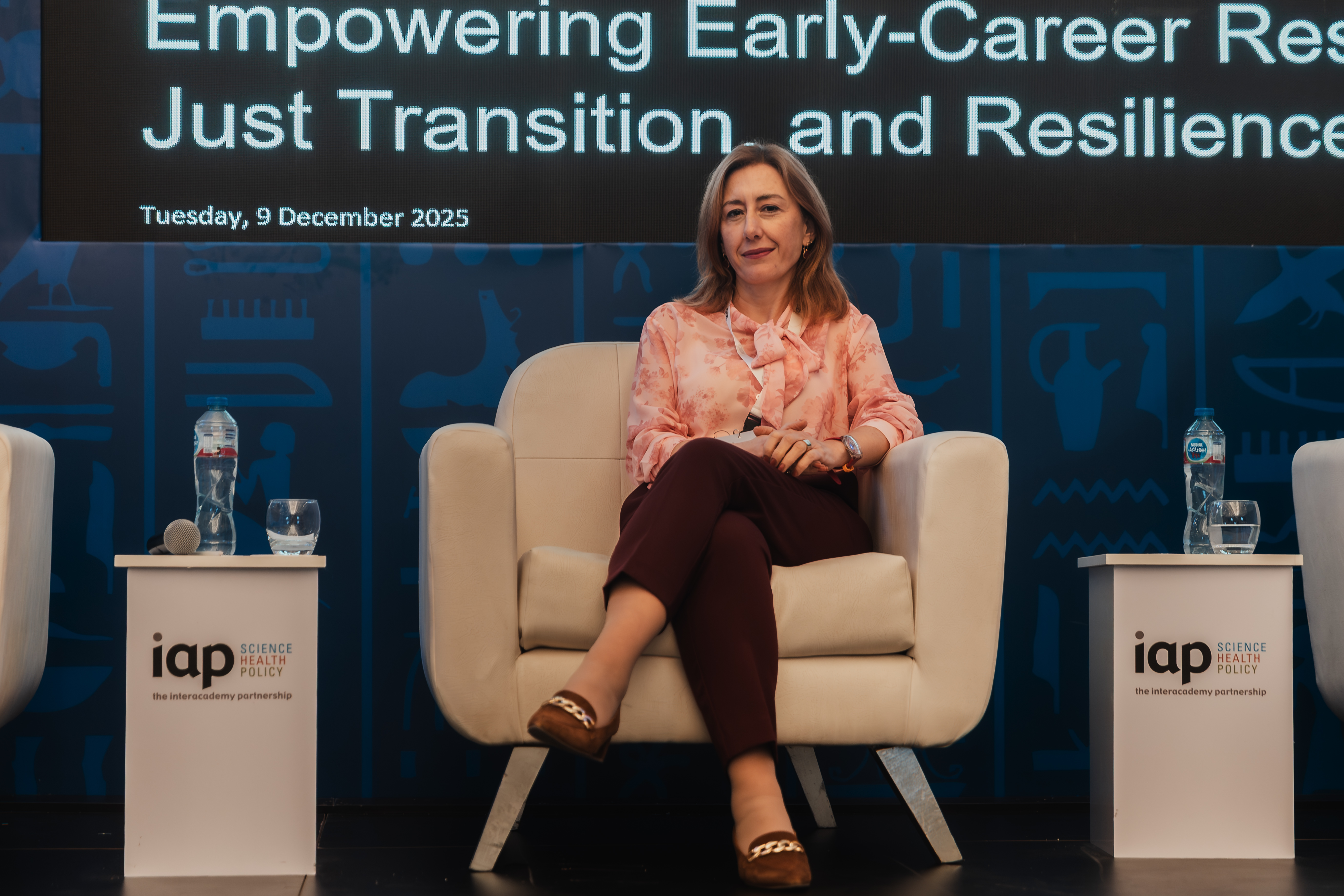
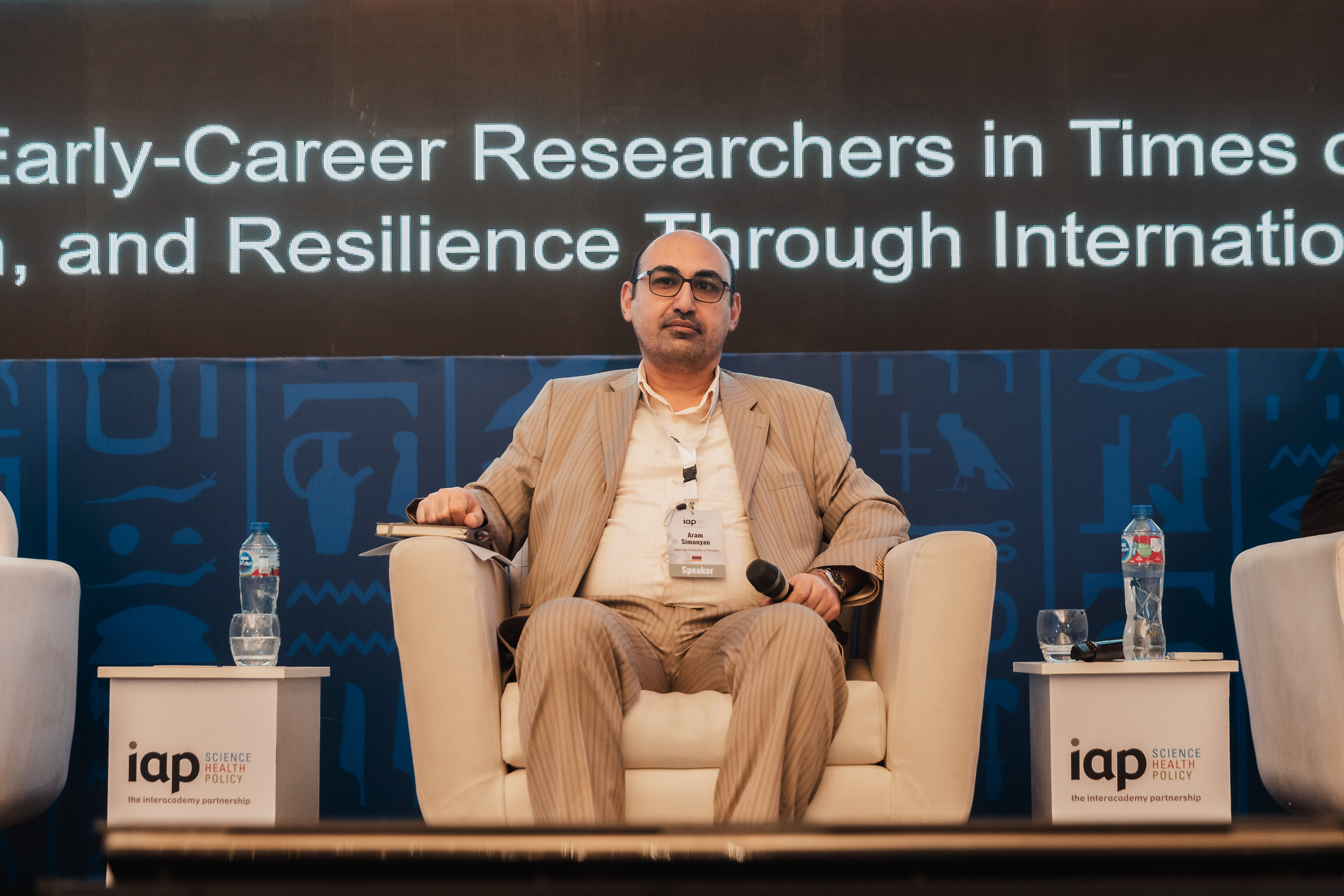
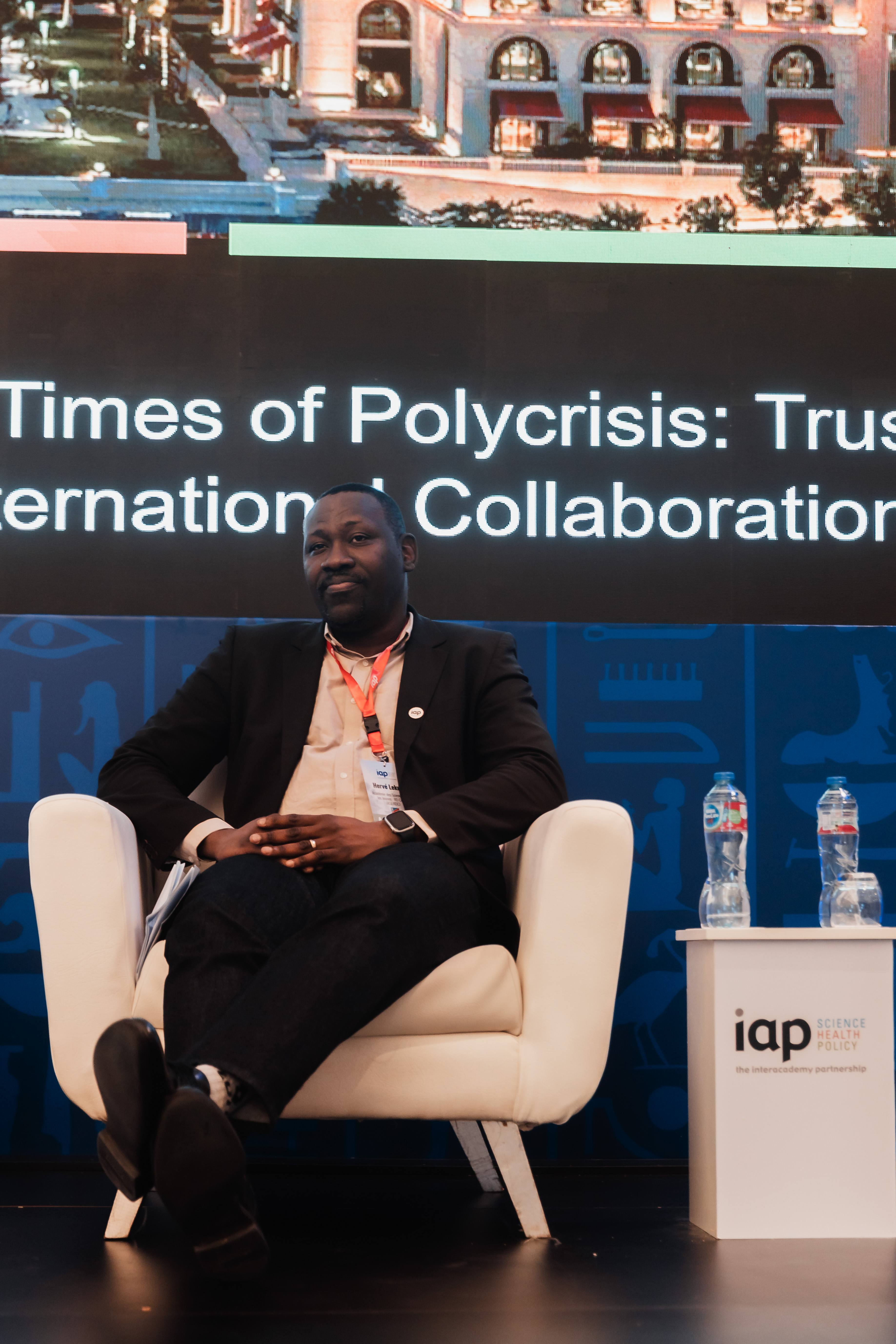
Session 6: Empowering Early-Career Researchers in Times of Polycrisis: Trust, Just Transition and Resilience through International Collaboration
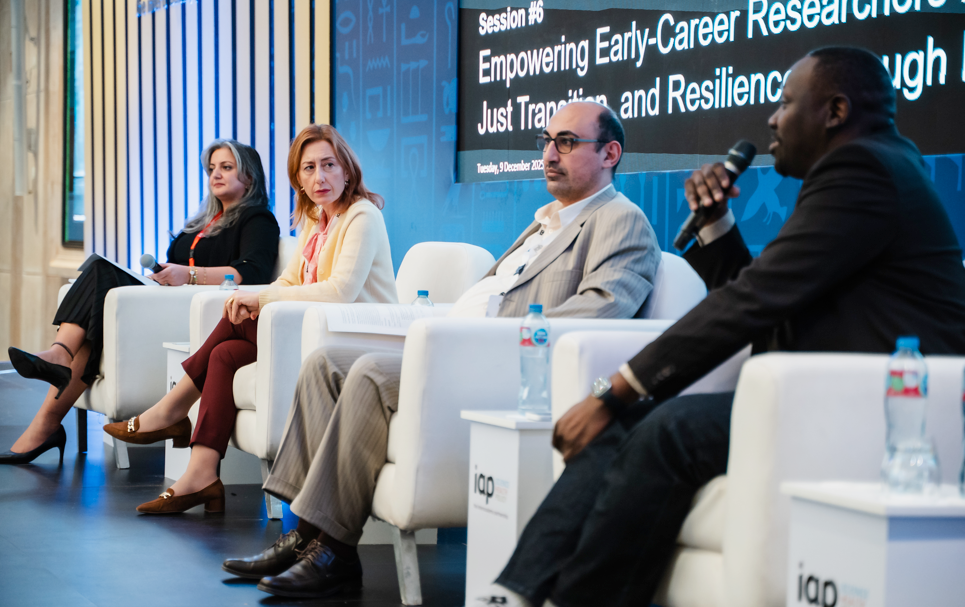 This session addressed the challenges faced by early-career researchers (ECRs) in engaging internationally, particularly in contexts of limited funding, weak institutional support, insufficient mentorship and barriers to mobility and visas. Speakers highlighted practical measures and success stories that illustrate how collaboration among young academies and global scientific networks, including IAP, can build trust, resilience and mutual support where systemic backing is limited.
Case studies presented during the session showed how joint initiatives help ECRs overcome common obstacles, strengthen visibility and enhance credibility within global science systems. Examples included participation in global energy and sustainability dialogues and contributions to UN conferences, the IPCC and European Commission initiatives. The session also explored efforts to reform early-career research assessment through tools such as narrative CVs, developed collaboratively by early-career networks and funding bodies.
Speakers emphasized the importance of continued support through networks that connect ECRs, embedding mentorship and supportive practices within scholarly associations and funding mechanisms. The session concluded with a call to further mobilize resources to ensure that ECRs can participate fully in international scientific collaboration and that their perspectives and expertise are amplified in addressing global challenges.
Watch the recording on the IAP YouTube Channel here.
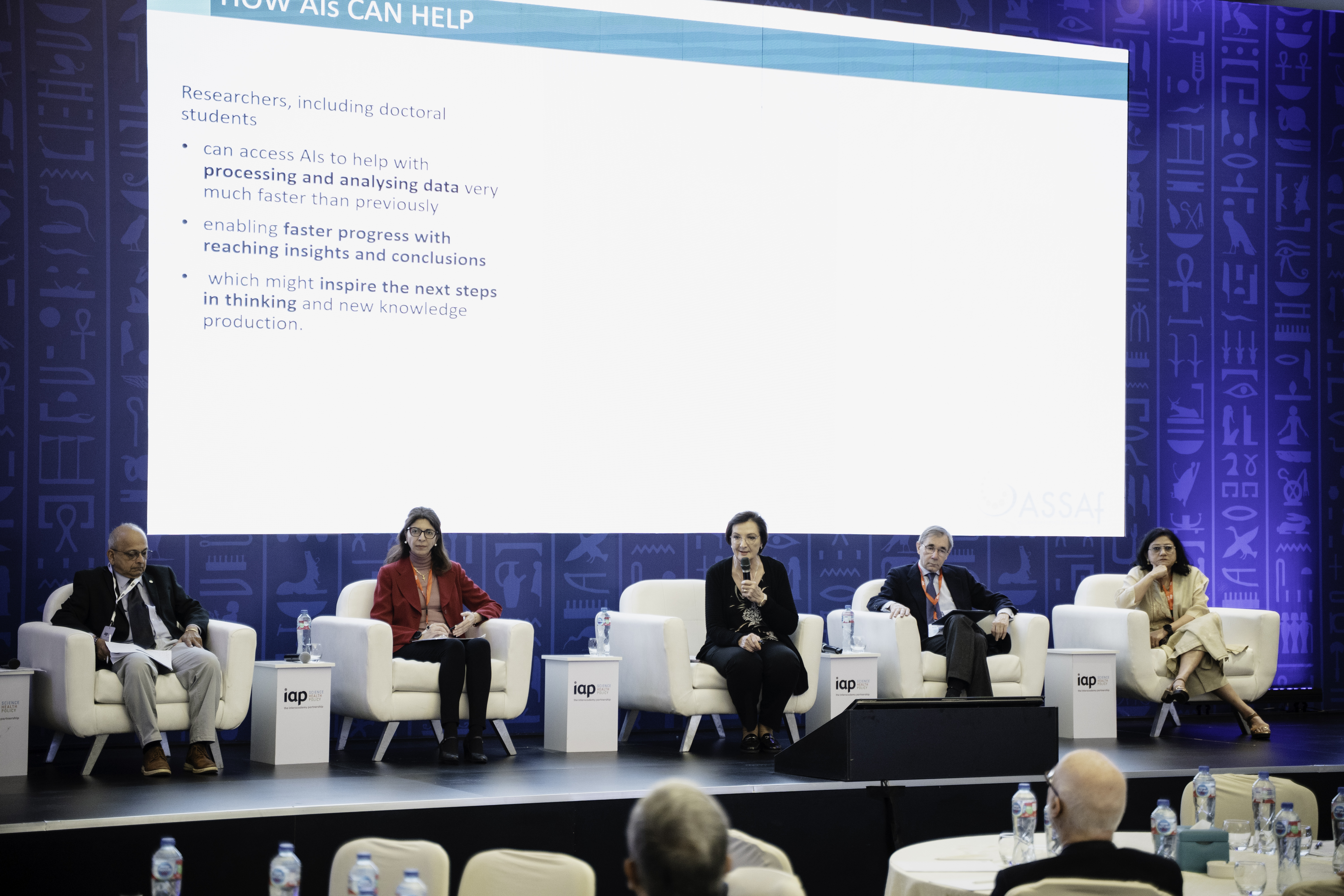
Session 7: Responsible and Sustainable AI for Society
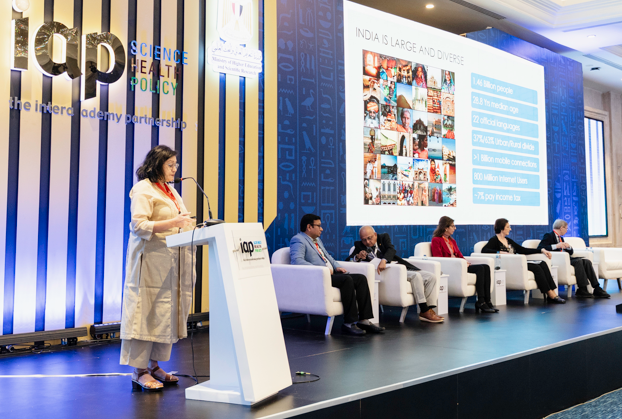 This session explored the transformative potential of artificial intelligence across education, research, agriculture and healthcare, while highlighting the need for ethical and sustainable integration. Speakers noted that postgraduate students using AI must maintain the authenticity of their contributions, ensuring that PhD work continues to generate original research and new knowledge with transparency about AI use.
Applications of AI were discussed in multiple sectors. In research, AI can accelerate analysis, such as speeding up chemical studies of medicinal plants. In agriculture, AI supports early detection of pests and diseases, efficient water and fertilizer use and monitoring in multiple local languages. In healthcare, AI facilitates early screening, telehealth and remote patient monitoring. Discussions also addressed governance and ethical issues, including data privacy, liability for adverse outcomes and the importance of transparent oversight.
The session concluded that AI development should not be left solely to developers. Instead, it requires engagement from researchers and legislators, with feedback and reiteration processes to refine and improve AI integration. Participants emphasised the need for robust policies and governance frameworks to ensure that AI delivers societal benefits responsibly and equitably.
Watch the recording on the IAP YouTube Channel here.
Session 8: Novel Discoveries and Meaning-Making: Risky and Challenging, but with a Transformative Potential
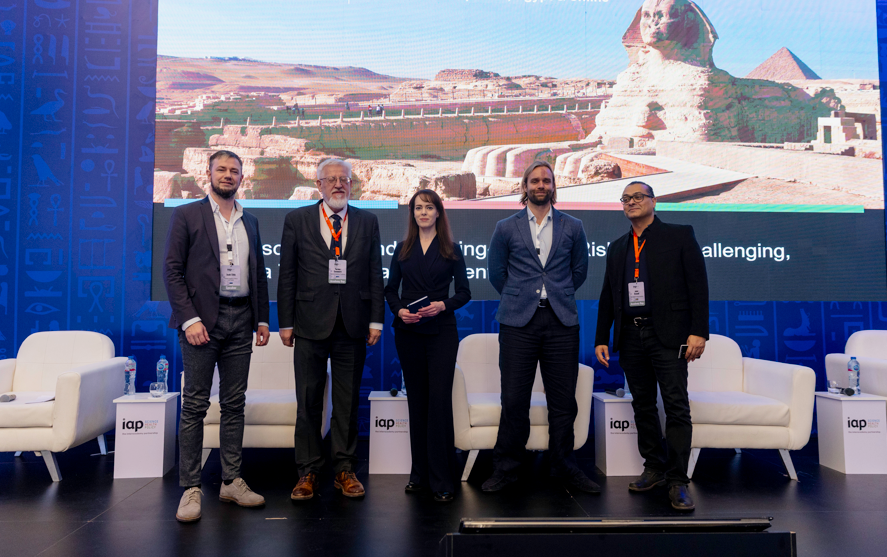 This session examined novelty as a fragile yet essential driver of scientific progress. Speakers emphasised that genuine discoveries and new forms of meaning-making are inherently risky and uncertain and often poorly supported by existing research structures. Transformative novelty rarely follows predictable pathways, depending on both discovery and the ways new knowledge is interpreted, framed and integrated into broader scientific and societal contexts.
The discussion assessed how funding models, evaluation metrics, rankings, language biases and institutional incentives often reward volume, safety and short-term outputs rather than paradigm-shifting breakthroughs. Speakers highlighted that these structures contribute to inequalities in knowledge production across regions and disciplines. The session also explored how innovation relies on trust, openness, fair reward structures and institutional maturity, noting that fear, competition and misaligned incentives can suppress risk-taking, especially among early-career researchers. Generative AI was discussed as a tool that can both accelerate research and democratise access, while ethical assessments must carefully balance risks and benefits.
Participants emphasised the need for systemic reform to protect academic freedom, reward originality and support small, flexible research teams. The conversation also underscored the importance of diversity of perspectives, bottom-up cultural change and meaningful engagement across disciplines. The session concluded with a call for intentional reform of research ecosystems to enable risky ideas, support transformative discovery and train the next generation of scientists within inclusive, ethical and resilient research environments.
Watch the recording on the IAP YouTube Channel here.
Session 9: Trust in Science: A Policy Agenda for Resilient Knowledge Systems
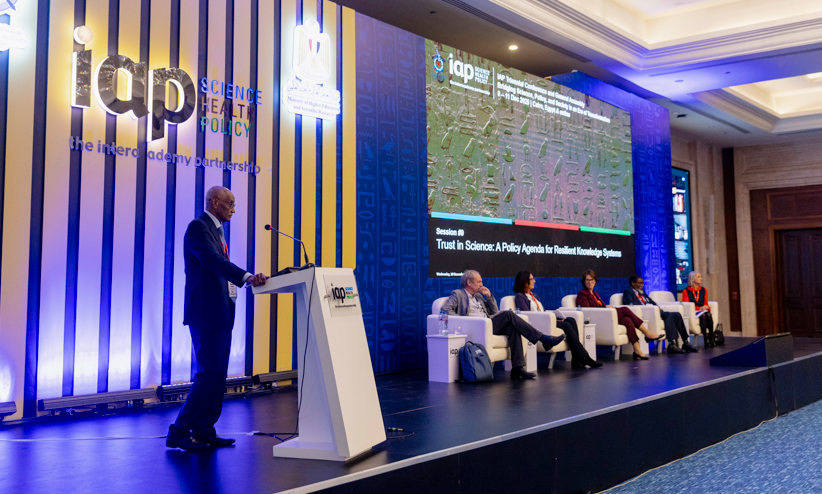 This session focused on the urgent need to rebuild and sustain public trust in science amid political polarisation, misinformation and challenges to democratic governance. Speakers emphasised that trust is essential for addressing global threats, including climate change and food insecurity and that it must be strengthened at local, regional and global levels. Transparent communication, inclusive engagement, protection of academic freedom and international cooperation were highlighted as core mechanisms for building trust.
Panellists discussed the importance of institutional resilience, noting that scientific institutions face ideological pressures that can undermine integrity. Inclusive global networks of science academies were identified as critical for defending scientific standards, amplifying voices from underrepresented regions and sharing best practices in engagement, policy influence and education.
The session concluded that fostering trust requires not only communication and cooperation but also equity in the distribution of scientific benefits and strong science–society relationships grounded in transparency and reciprocity. The conversation underscored that resilient knowledge systems must combine ethical governance with inclusive engagement to ensure science remains a credible and constructive force in society.
Watch the recording on the IAP YouTube Channel here.
Session 10: Building Resilient and Collaborative Science Ecosystems: Strengthening Partnerships across Government, Academia, Industry and Philanthropy
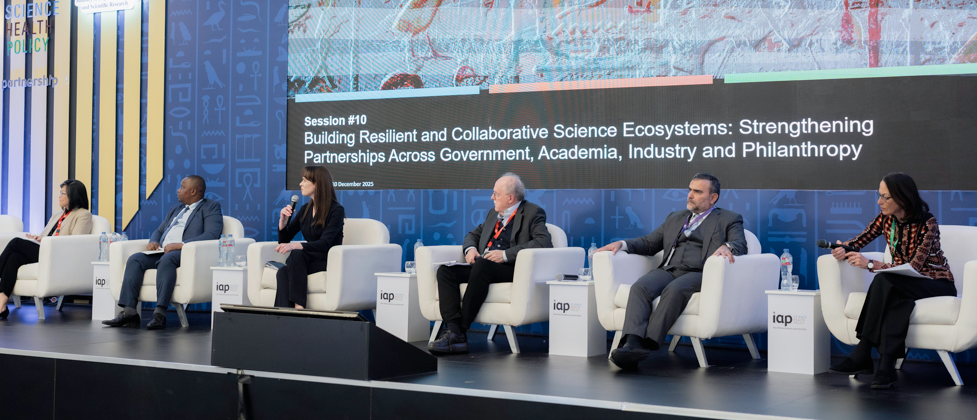 This session explored strategies for building resilient and future-ready science ecosystems through intentional collaboration across government, academia, industry and philanthropy. Speakers highlighted the need for academic leaders to take risks, invest resources and adopt flexible approaches to cross-sector partnerships, while bureaucracy remains a major barrier. Policymakers emphasised the importance of timely translation of scientific evidence into policy insights and the need for regular engagement with researchers.
The perspectives of young academies highlighted the human dimensions of collaboration, including mentorship, storytelling and advocacy for early-career researchers, alongside increasing expectations for policy-relevant research from academia. Industry contributions noted that market-driven innovation creates incentives to collaborate, but existing communication channels and infrastructure are insufficient. Philanthropy was presented as a connector and catalyst capable of supporting early-stage or cross-cutting initiatives not covered by other funders.
Participants stressed that multiple research ecosystems exist with differing needs and funding structures, raising the question of who should set research priorities when most funding is publicly sourced. The session concluded that sustained engagement, better-aligned incentives and improved communication across sectors are essential to ensure science ecosystems can meet emerging societal challenges and remain resilient in the face of global change.
Watch the recording on the IAP YouTube Channel here.
Side Events and Workshops
On the first day, IAP member academies and observer organizations hosted a series of side events, offering participants the opportunity to delve deeper into specialized topics and build connections across regions and disciplines.
Side Event 1: For People, For Planet: Environmentally Sustainable Health Research
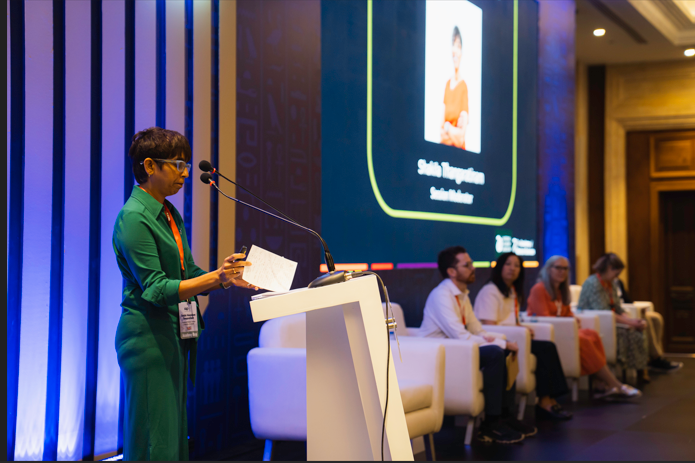
The health research sector has a high environmental impact. Clinical trials produce millions of tonnes of CO₂ each year, laboratories consume substantial energy and computational research carries a significant carbon footprint. As a sector focused on improving population health, health research must also protect the planet.
A session on Environmentally Sustainable Health Research was moderated by Shakila Thangaratinam, Vice-President International of the Academy of Medical Sciences. Chris Hanley, Director of the Grand Challenge on Climate Change and Health at the National Academy of Medicine, presented a policy paper on embedding sustainability in health research systems in the UK and US.
Sixteen interdisciplinary early- and mid-career research leaders participated in the initiative, aiming to translate research into actionable strategies for stakeholders, amplify new voices and bridge science and policy. The report emphasizes that adopting sustainable practices across laboratory science, clinical trials, computational research, community studies and public health can benefit both people and the planet.
Audience discussion highlighted potential risks of increasing inequities in low- and middle-income countries. A key recommendation is to expand global training to support the development of sustainable health research.
Watch the recording on the IAP YouTube Channel here.
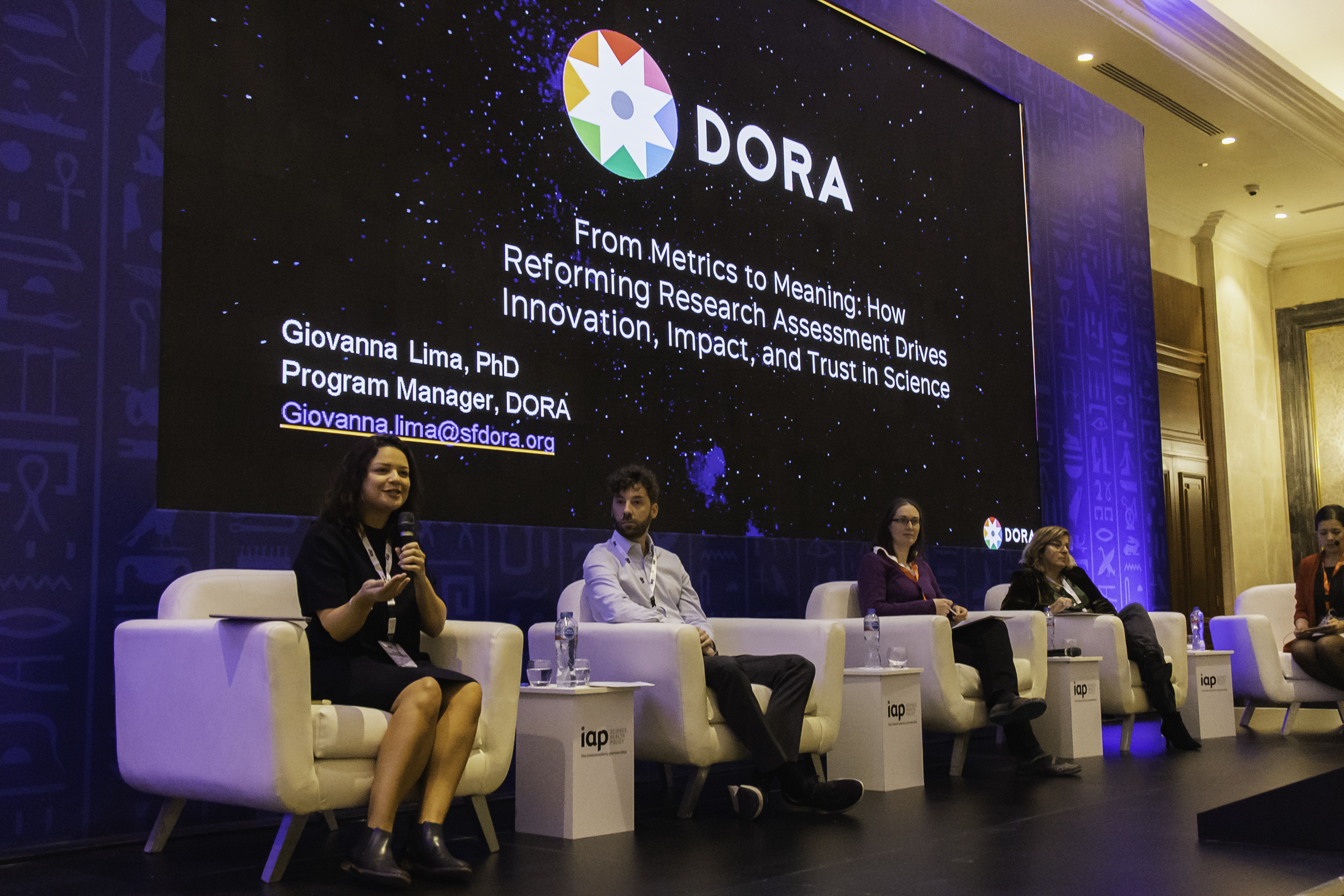
Side Event 2: From Metrics to Meaning: How Reforming Research Assessment Drives Innovation, Impact and Trust in Science
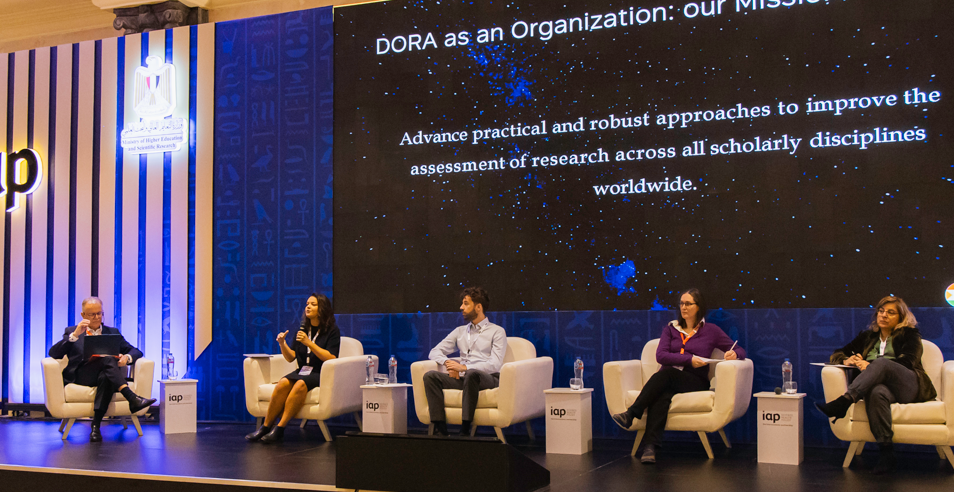 The session focused on responsible research assessment that values diverse outputs, aligns research with societal challenges and prioritises what truly matters over simplistic metrics. Participants noted that many funders already consider “desired” qualities but must better mitigate bias through measures such as lotteries and ensure they request the right proposals. Enabling innovation in assessment requires flexible, transparent infrastructure built to evolve, scale effective practices and embed experimentation.
Cultural and mindset change was emphasised as essential, alongside recognition of reviewer limits, generational shifts, breaking silos, investing in science education and improving communication to counter the politicisation of science. Approaches such as narrative CVs, peer review recognition, reduced emphasis on quantity of outputs and more emphasis on contextual, qualitative assessment were discussed to better capture diverse careers, including hybrid paths and regional priorities, despite challenges around subjectivity, language, training and time.
The session underscored the importance of assessment systems that strengthen the link between science and society while safeguarding academic freedom and encouraging innovation, impact and trust.
Watch the recording on the IAP YouTube Channel here.
Side Event 3: Science Diplomacy in the AI Era: Bridging Disciplines, Borders and Generations
 The panel highlighted the critical role of science diplomacy amid global transformation, emphasizing trust, responsible innovation and AI’s dual potential to foster collaboration while raising ethical, social and political challenges. Speakers discussed bridging borders, generations and disciplines, sharing examples from the United States, Türkiye and countries in Europe and the Middle East. Key themes included creating platforms for scientists and institutions, supporting young researchers and refugees and leveraging bibliometric and institutional analyses to strengthen collaboration. The discussion linked modern science diplomacy to historical practices, stressing reliability, responsibility, inclusiveness and long-term cooperation, with people-to-people and bottom-up engagement alongside top-down policy.
Further, the intersection between AI and science diplomacy and young academies was addressed. Ercan Öztemel traced AI from symbolic reasoning to generative AI, projecting future advances toward artificial general intelligence. According to the presenter, AI enhances international collaboration by enabling data harmonization, multilingual communication, predictive policy simulation and monitoring compliance, while raising ethical, governance and strategic concerns including bias, inequality and dual-use risks. Young academies, Mürsel Dogrul argued, are well-positioned to help democratize AI access, support early-career researchers and bridge generational gaps in knowledge and governance.
During the Q&A, emerging priorities included sustaining collaborations amid personnel or geopolitical changes, ensuring flexible policies for rapid technological and societal shifts, and promoting AI-driven knowledge integration, scenario simulations and inclusive intellectual property participation in multidisciplinary science diplomacy. The discussion emphasised balancing AI’s potential with governance, mentorship and ethical oversight to address global challenges without deepening inequalities and noted that international organisations should support standardised, accessible AI systems for all countries.
Watch the recording on the IAP YouTube Channel here.
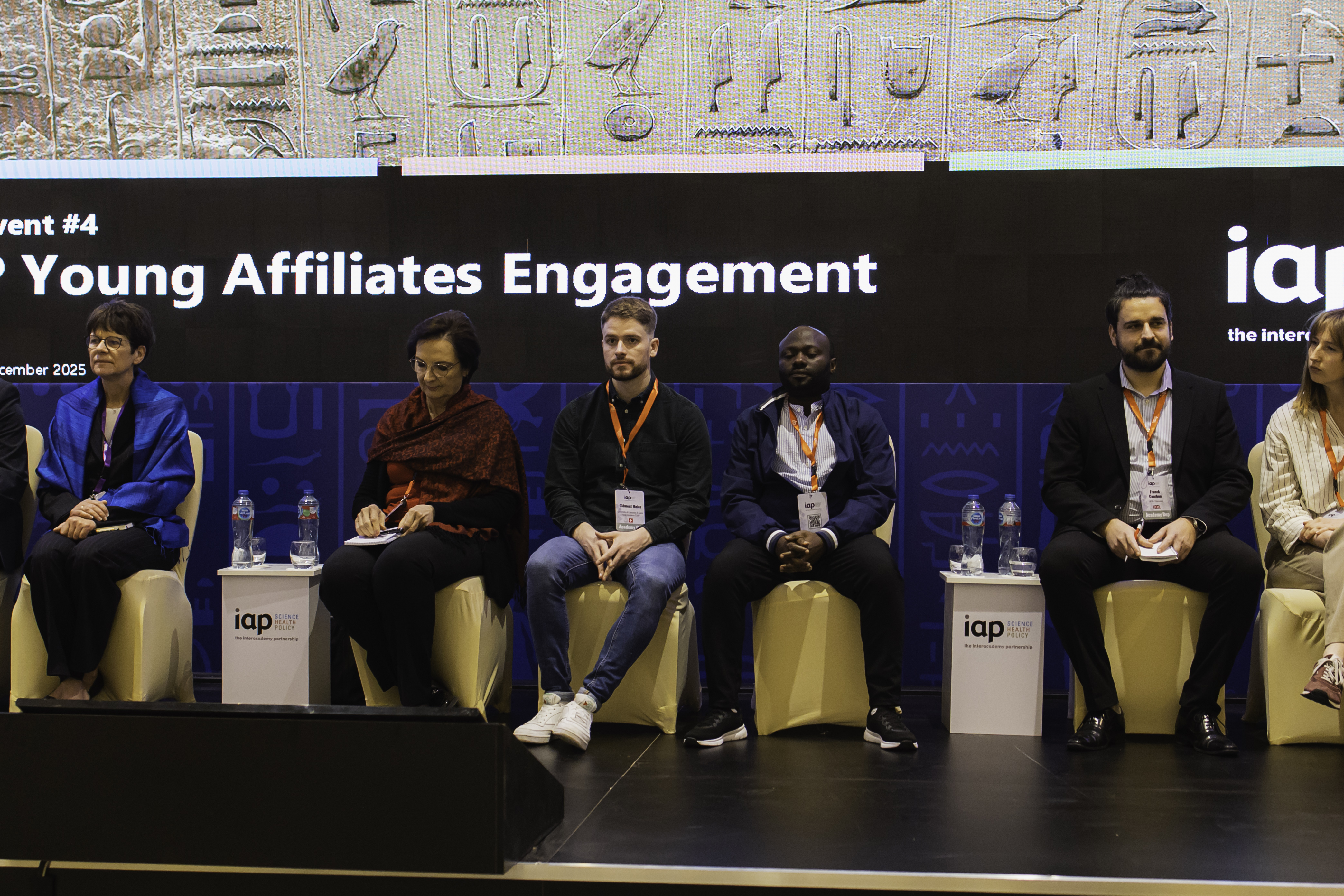
Side Event 4: Young Affiliate Engagement
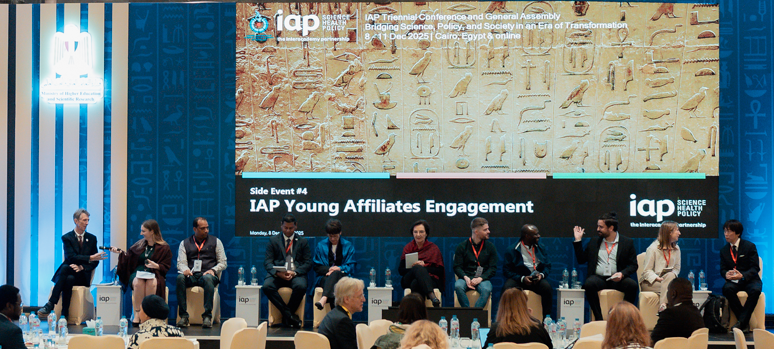 The session introduced the new IAP Young Affiliates category, open to young academies and cohort-based early-career leadership programmes. Eleven young academies have joined the IAP as affiliates. The side event provided a space to connect peers across regions and disciplines, discuss how IAP affiliation supports young academies and explore contributions to policy, outreach and capacity building.
Representatives highlighted motivations for joining IAP, including contributing to its mission, learning best practices for financial sustainability, understanding regional challenges, identifying collaborators, expanding mentoring opportunities and learning from senior scientists.
Rania Kosti emphasized that the conference demonstrated IAP’s commitment to emerging leaders, noting young academies’ multidisciplinary training, fresh ideas, strong communication skills and ability to connect with the next generation of policy leaders.
Watch the recording on the IAP YouTube Channel here.
Side Event 5: Horizon Scanning
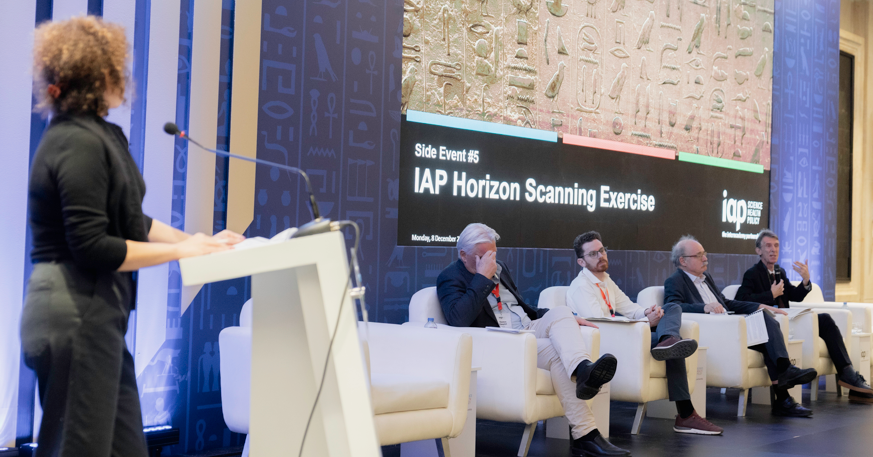 The session aimed to identify emerging scientific and policy challenges meriting collective action. Participants considered pre-submitted ideas and spontaneous contributions, shaping future IAP priorities and collaborative programmes.
Project proposals included work on bridging academia and diplomacy, sustainable protein production, pastoralism and grasslands, climate–health action and social media impacts on teenagers. Two potential IAP statements were put forward on STEM publishing and solar radiation management.
Next steps involve IAP reviewing and clustering proposed topics, gathering additional information from proposing academies and assessing feasibility, potential impact and opportunities for cross-academy collaboration and fundraising.
Watch the recording on the IAP YouTube Channel here.
General Assembly and Leadership Transitions
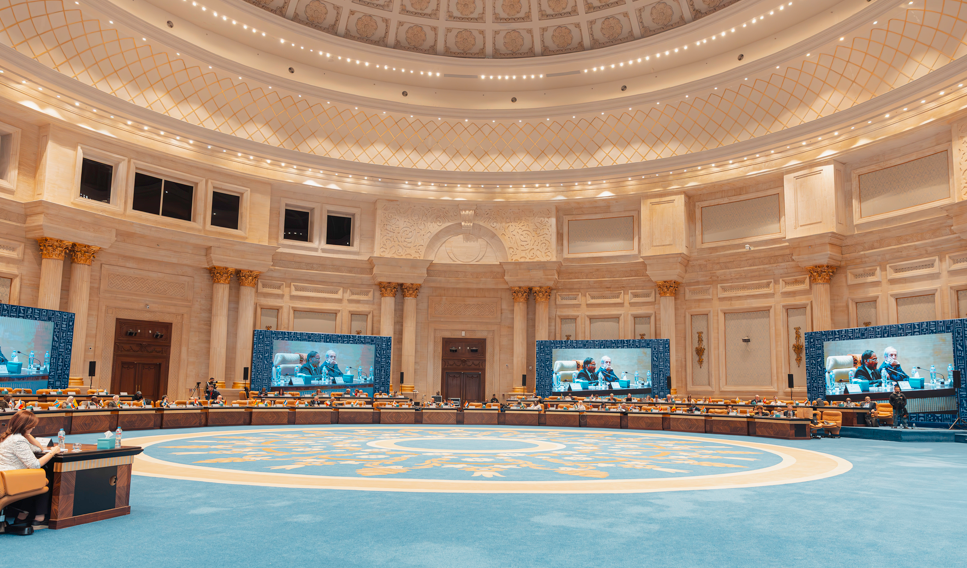 The IAP General Assembly on 11 December provided a platform for member academies to review progress, discuss ongoing programmes, and set the strategic direction for the coming years. This included the introduction of the newly elected IAP leadership team and the formal onboarding of new member academies.
Highlights and Takeaways
Across all sessions, participants emphasized the essential role of academies in providing independent advice, promoting collaboration, and nurturing future generations of researchers. Key takeaways included:
- The need for sustained trust, openness, and long-term vision in global science systems.
- Opportunities for science to address societal challenges through innovation, diplomacy, and ethical governance.
- The importance of engaging early-career researchers and fostering cross-sector collaboration to strengthen the impact of science worldwide.
Recordings and Resources
To ensure continued access to the conference discussions, all sessions and side events have been recorded and are available on the IAP YouTube channel. The summaries of all Sessions and Side Events can be downloaded here.
Acknowledgment of Support
The InterAcademy Partnership extends its sincere gratitude to the academies whose generous contributions have supported the expenses of the Triennial Conference. Their commitment and partnership are deeply appreciated. We thank the Académie des Sciences, France, the Deutsche Akademie der Naturforscher Leopoldina, Germany, the Science Council of Japan, the Royal Netherlands Academy of Arts and Sciences and the Academy of Medical Sciences, United Kingdom.
Project
Updates
Project
Previous Editions
 Triennial Conference
 Triennial Conference
 Triennial Conference
 Triennial Conference
 Triennial Conference
 Triennial Conference
 Triennial Conference
 Triennial Conference
 Triennial Conference
 Triennial Conference
 Triennial Conference
 Triennial Conference
 Triennial Conference
 Triennial Conference
 Triennial Conference
 Triennial Conference
 Triennial Conference
 Triennial Conference
 Triennial Conference
 Triennial Conference
 Triennial Conference
 Triennial Conference
 Triennial Conference
 Triennial Conference
 Triennial Conference
 Triennial Conference
 Triennial Conference
 Triennial Conference
 Triennial Conference
 Triennial Conference
 Triennial Conference
 Triennial Conference
 Triennial Conference
 Triennial Conference
 Triennial Conference
 Triennial Conference
 Triennial Conference
 Triennial Conference
 Triennial Conference
 Triennial Conference
 Triennial Conference
 Triennial Conference
 Triennial Conference
 Triennial Conference
 Triennial Conference
 Triennial Conference
 Triennial Conference
 Triennial Conference
 Triennial Conference
 Triennial Conference
 Triennial Conference
 Triennial Conference
 Triennial Conference
 Triennial Conference
 Triennial Conference
 Triennial Conference
 Triennial Conference
 Triennial Conference
 Triennial Conference
 Triennial Conference
 Triennial Conference
 Triennial Conference
 Triennial Conference
 Triennial Conference
 Triennial Conference
 Triennial Conference
 Triennial Conference
 Triennial Conference
 Triennial Conference
 Triennial Conference
 Triennial Conference
 Triennial Conference
 Triennial Conference
 Triennial Conference
 Triennial Conference
 Triennial Conference
 Triennial Conference
 Triennial Conference
 Triennial Conference
 Triennial Conference
 Triennial Conference
 Triennial Conference
 Triennial Conference
 Triennial Conference
 Triennial Conference
 Triennial Conference
 Triennial Conference
 Triennial Conference
 Triennial Conference
 Triennial Conference
 Triennial Conference
 Triennial Conference
 Triennial Conference
 Triennial Conference
 Triennial Conference
 Triennial Conference
 Triennial Conference
 Triennial Conference
 Triennial Conference
 Triennial Conference