News
Young Physician Leaders 2026: 23 physicians sharpen their leadership skills in Berlin
Other
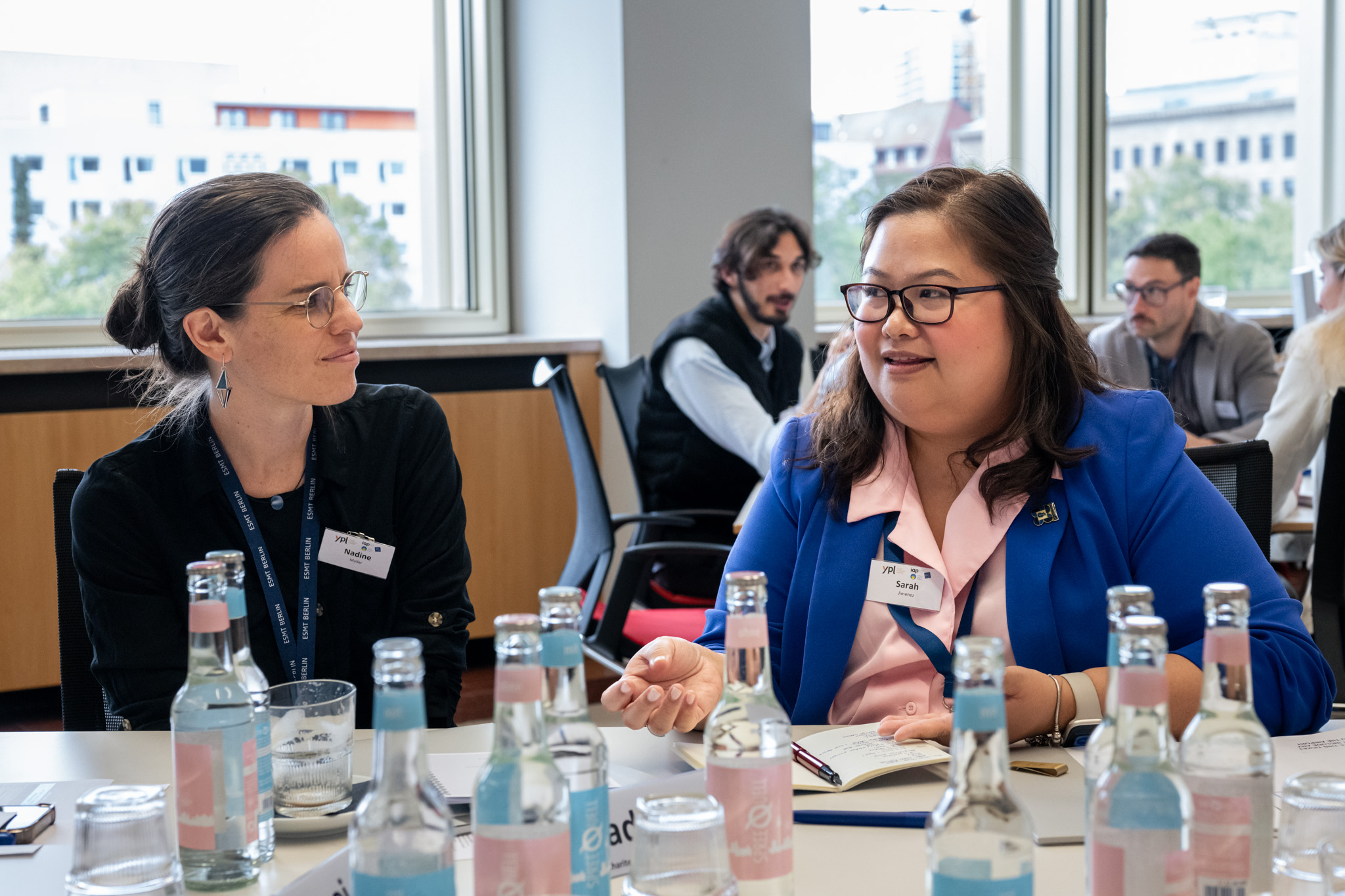
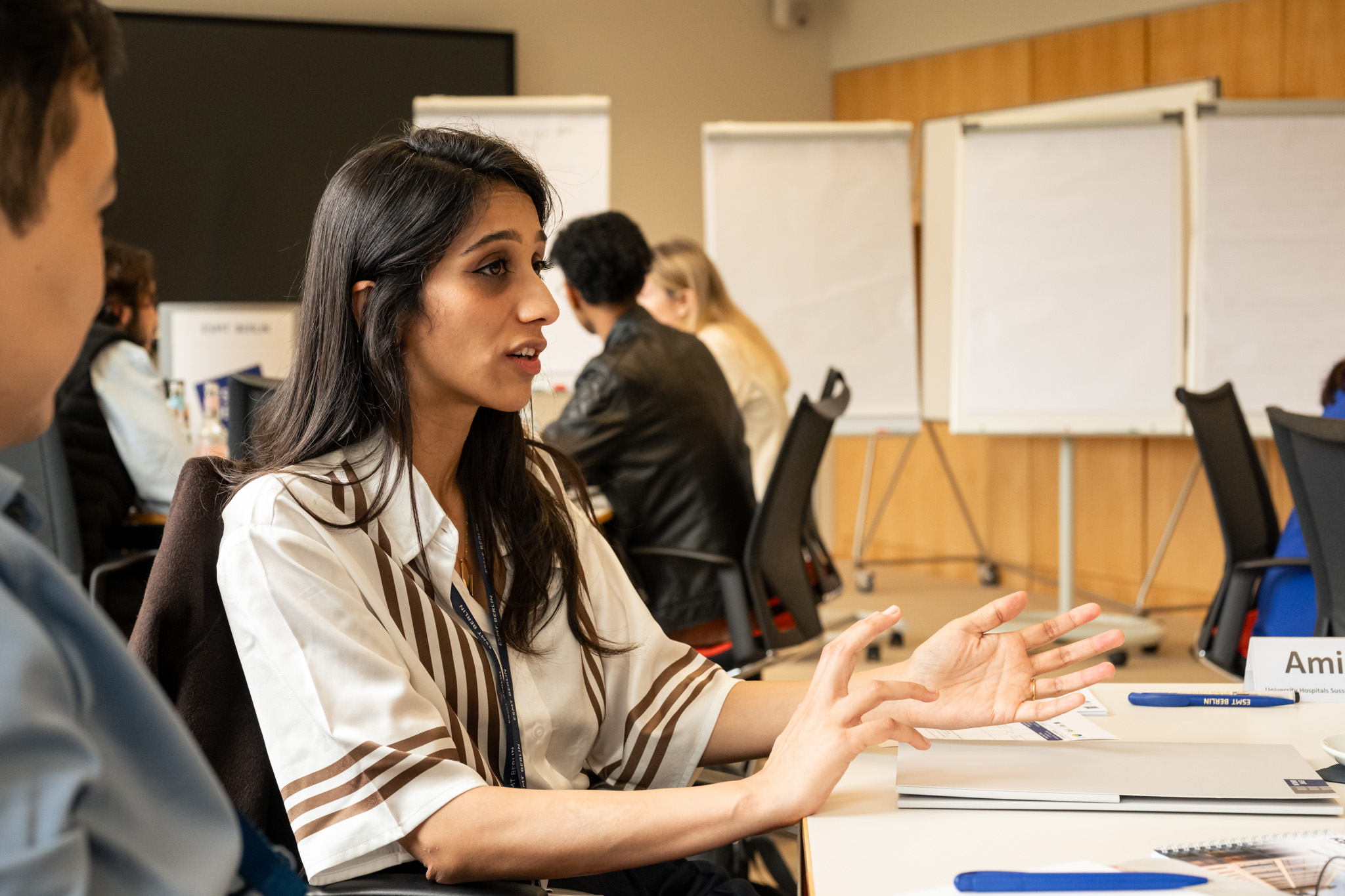
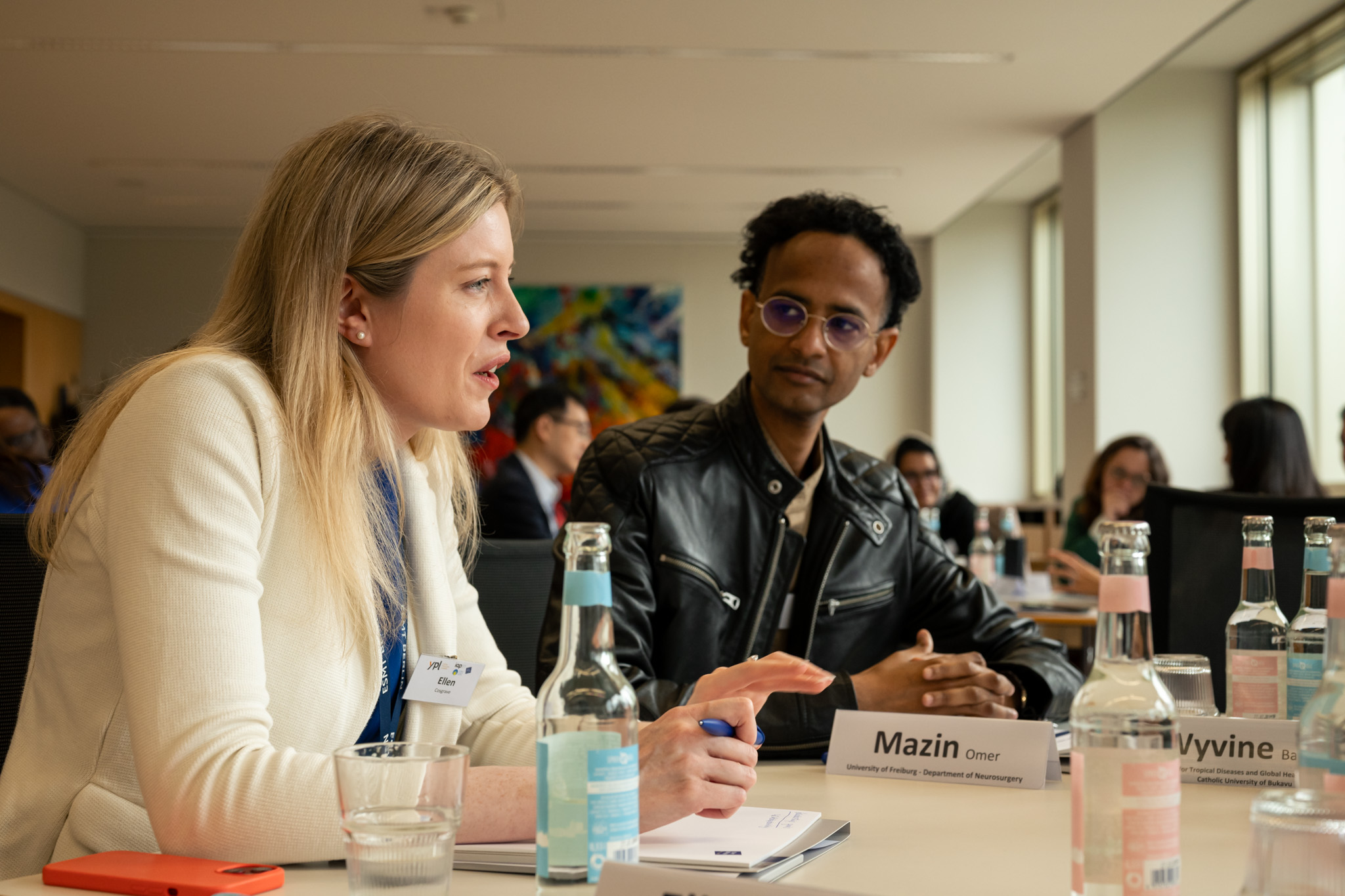
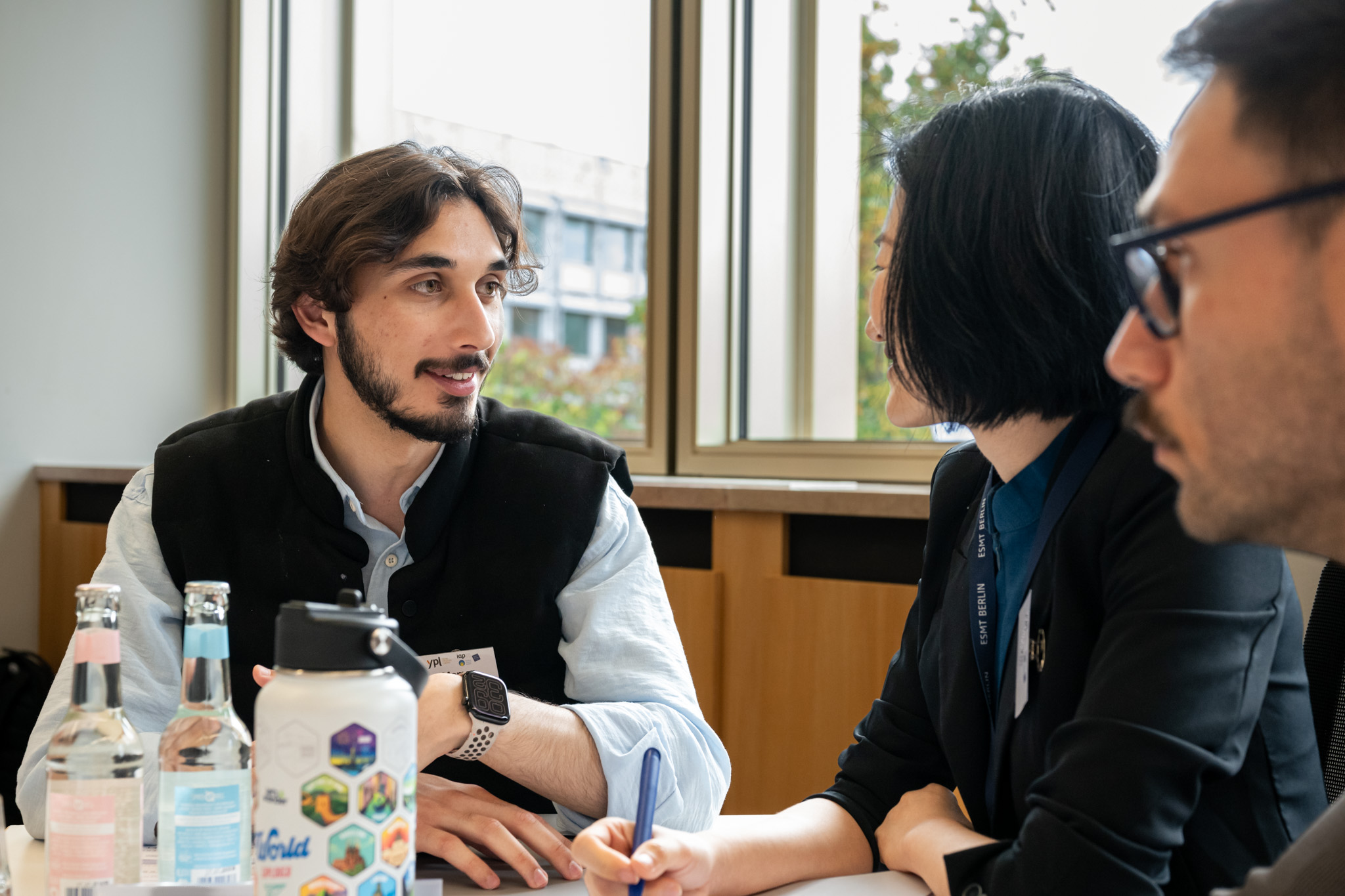
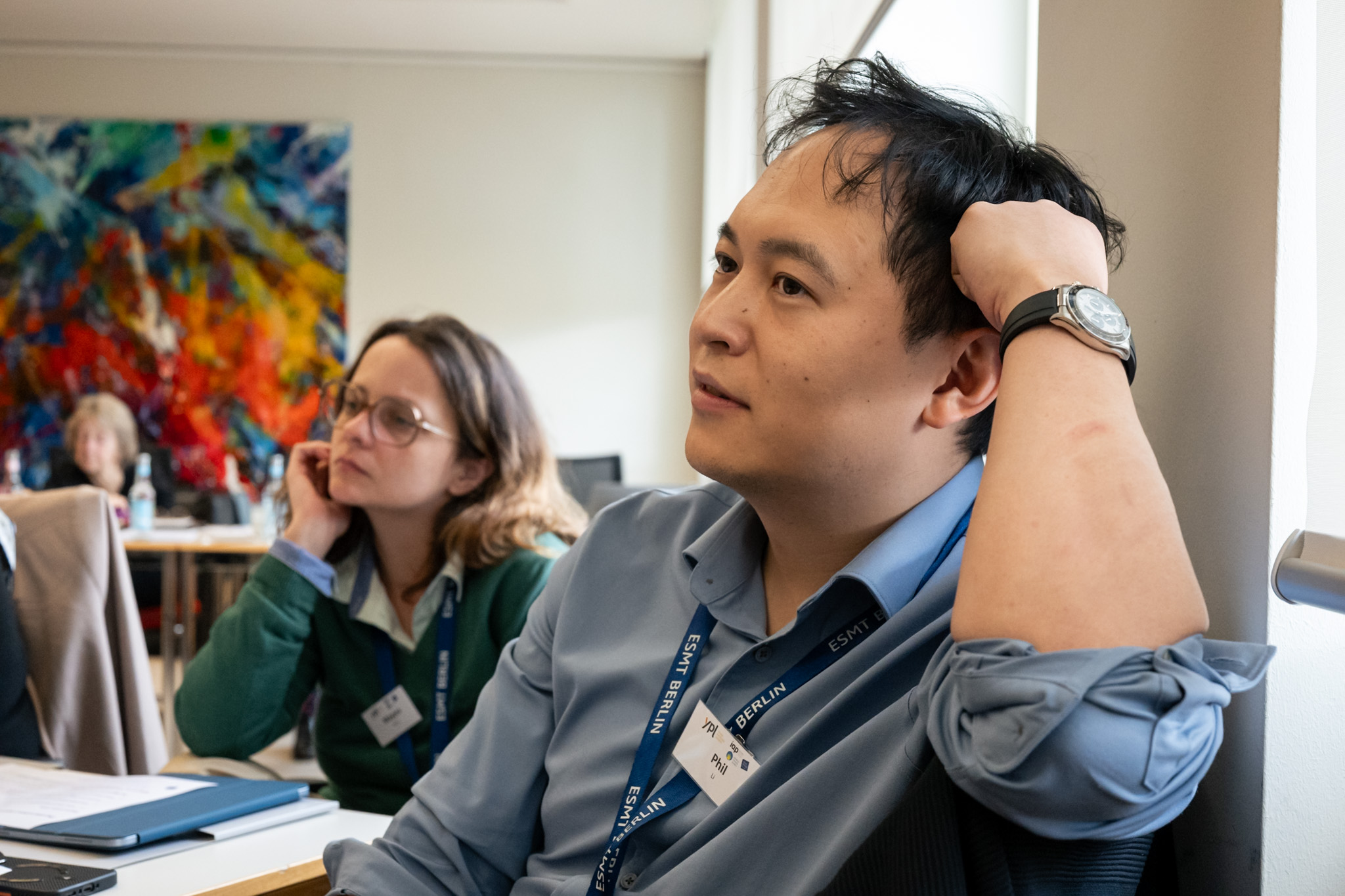
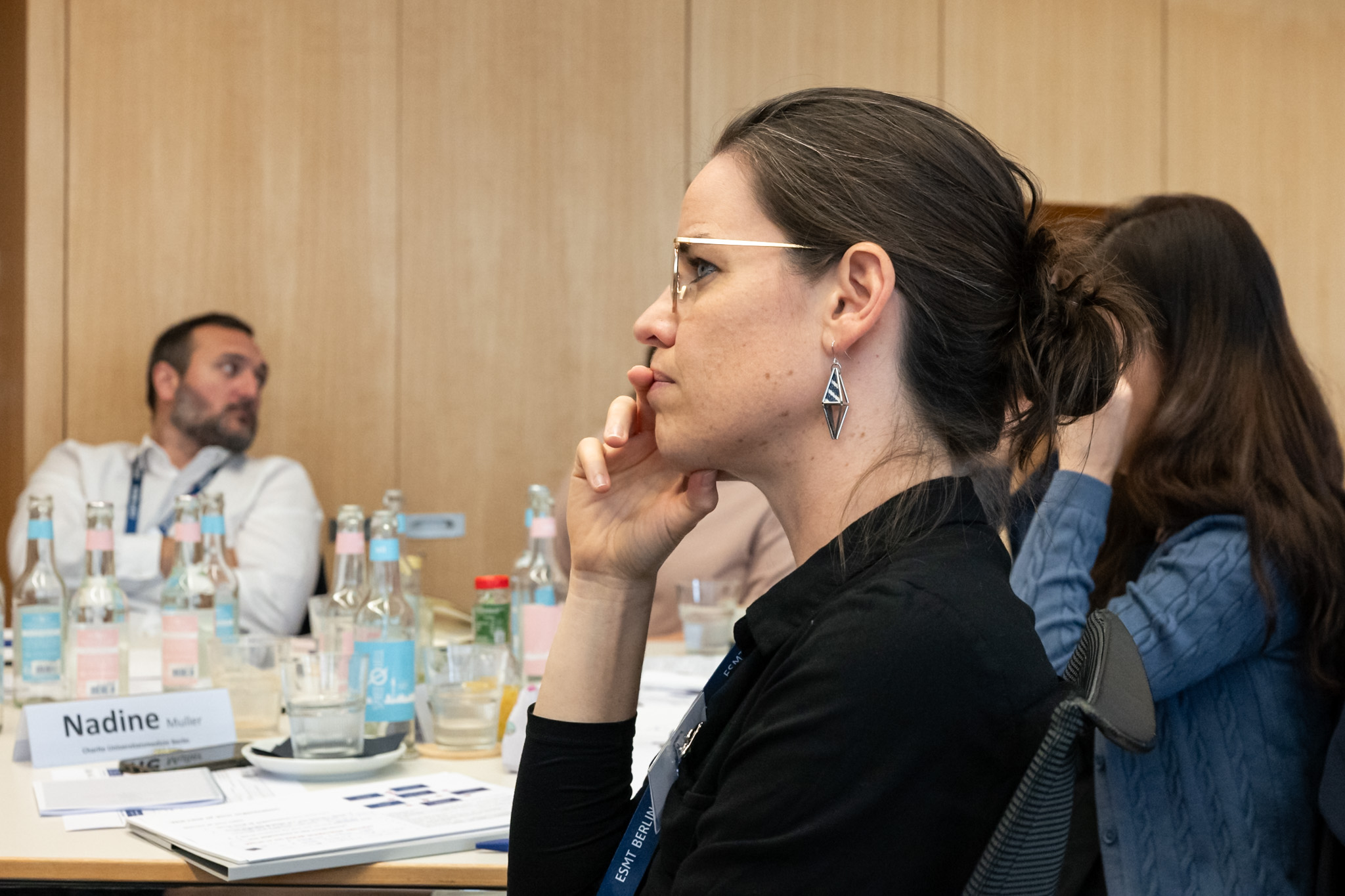
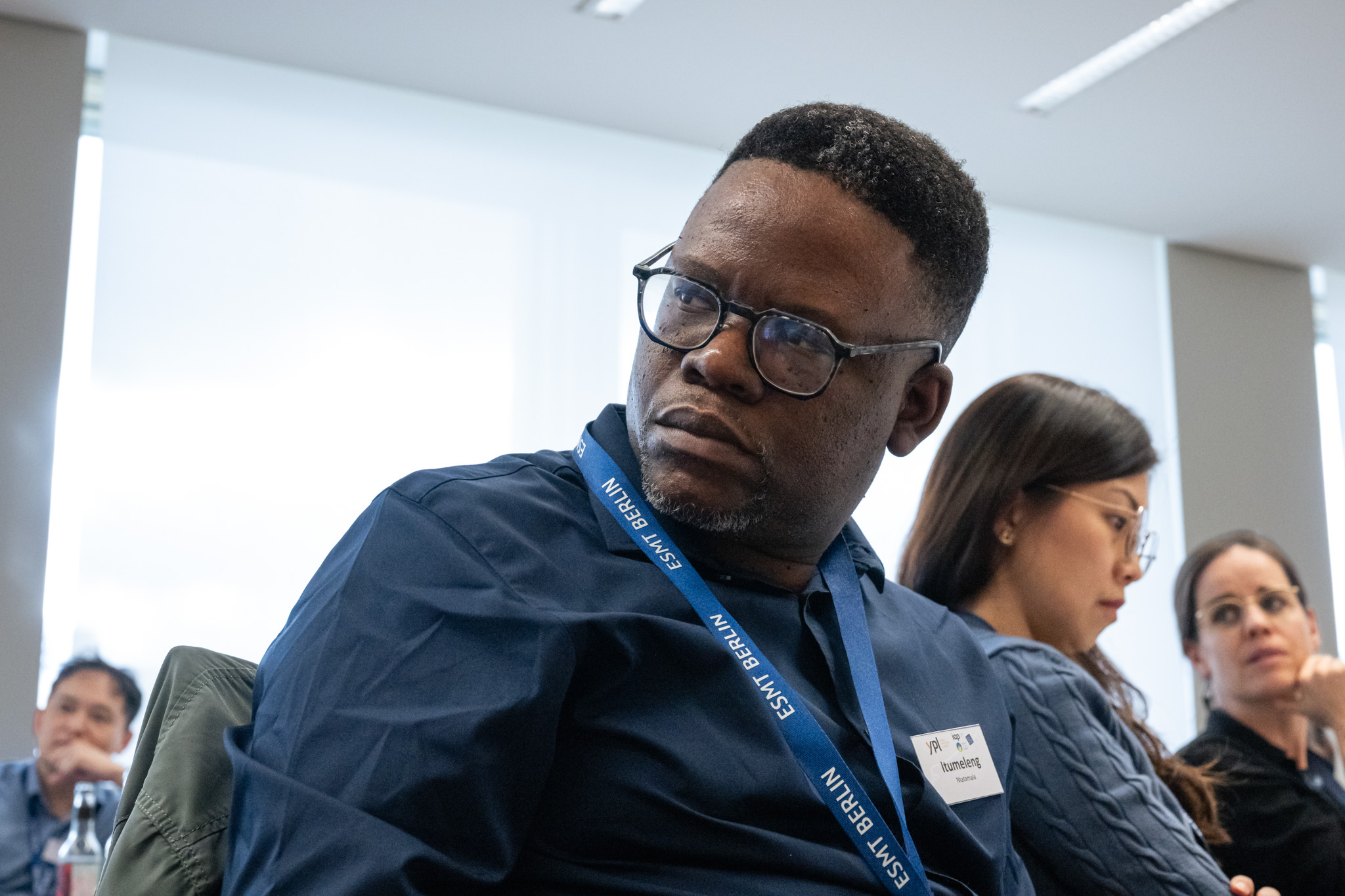
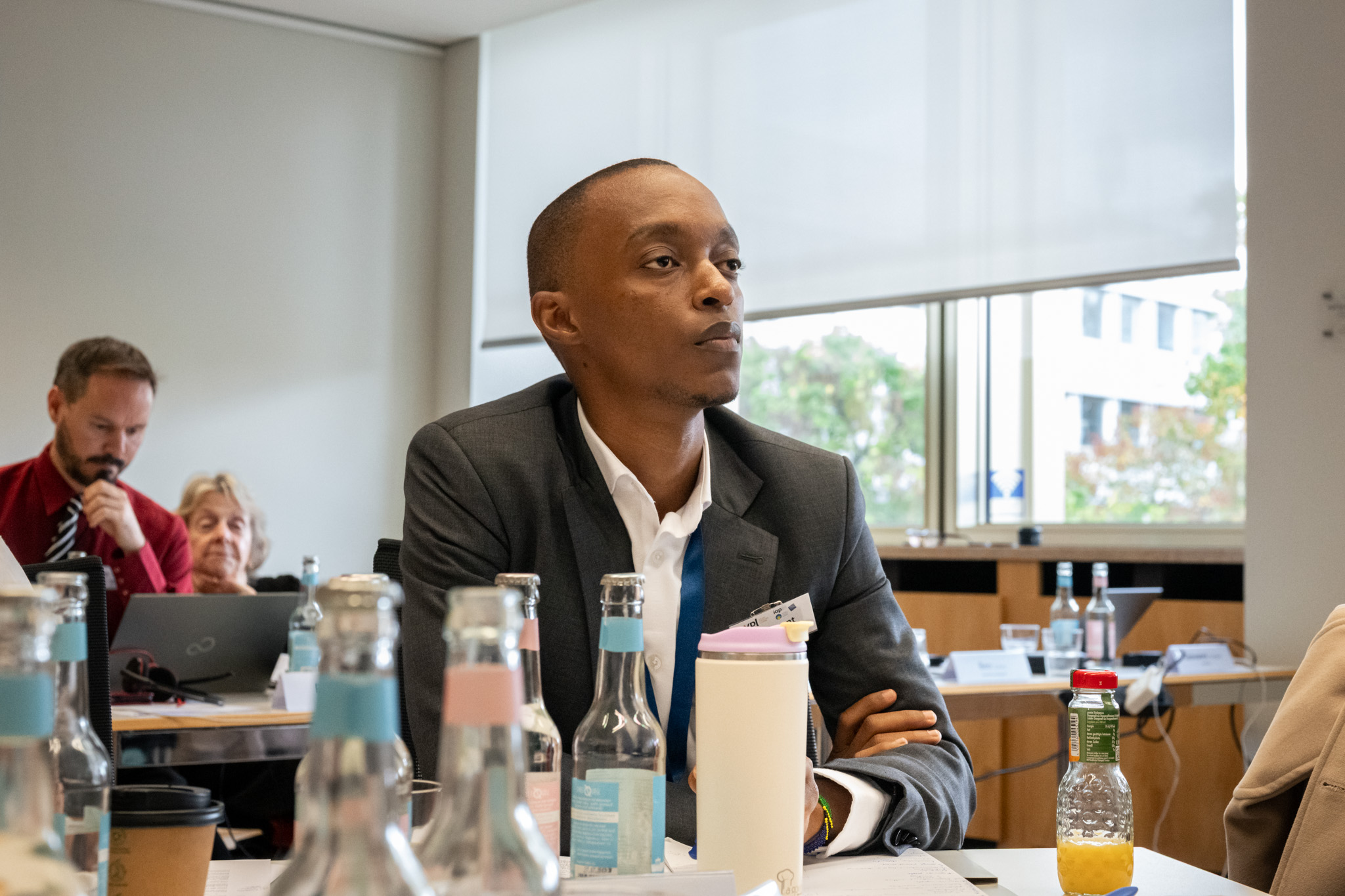
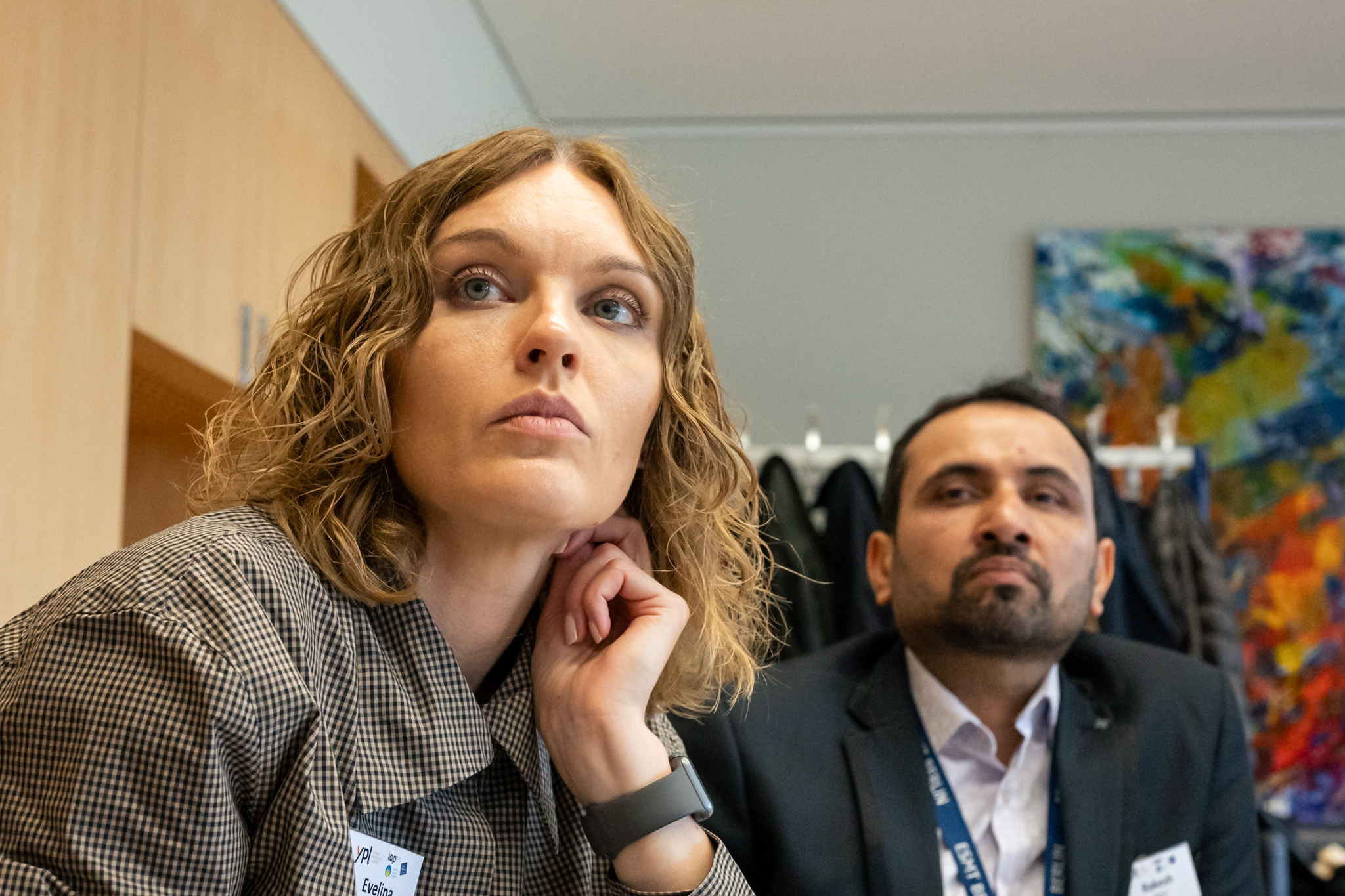
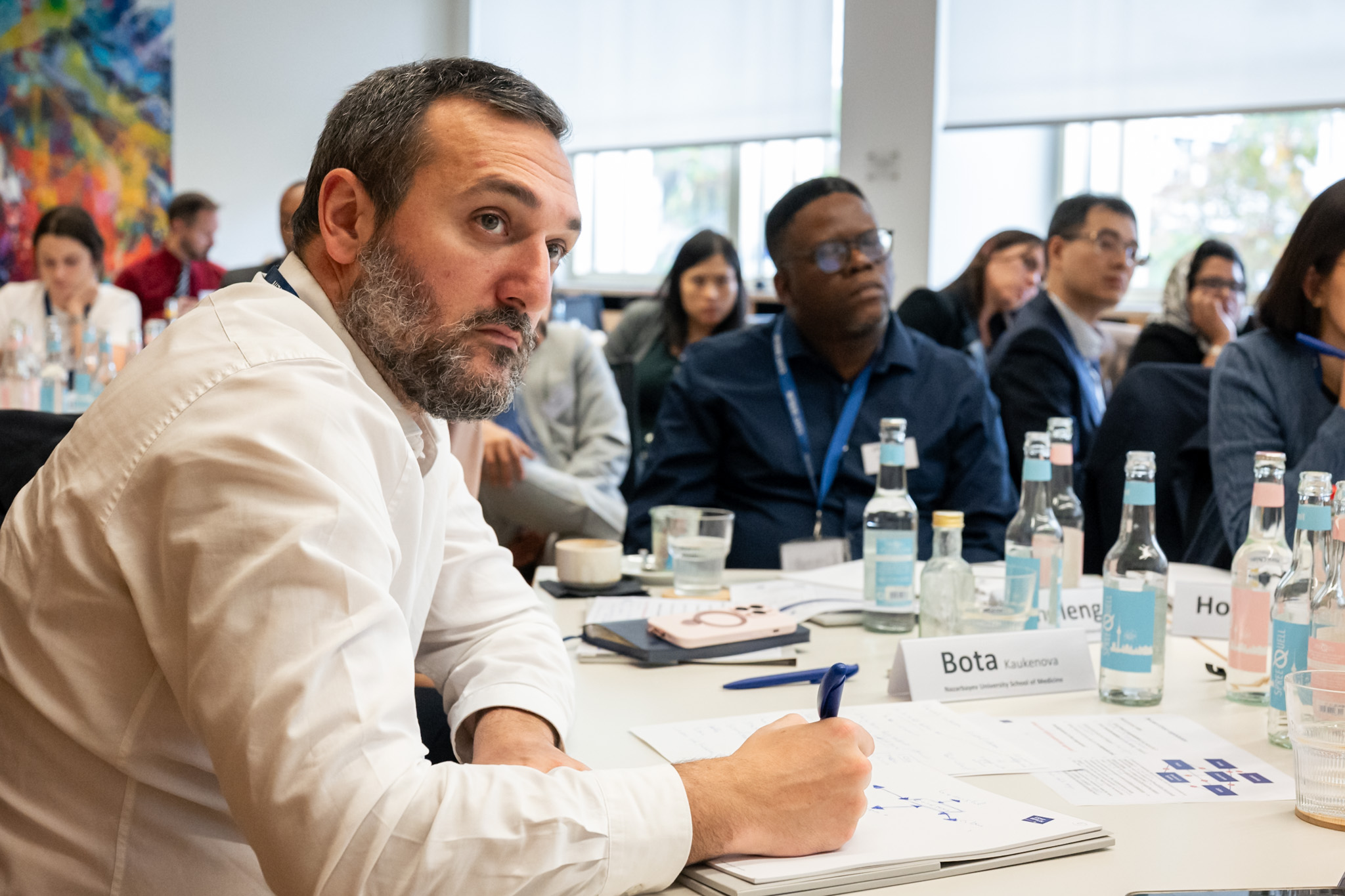
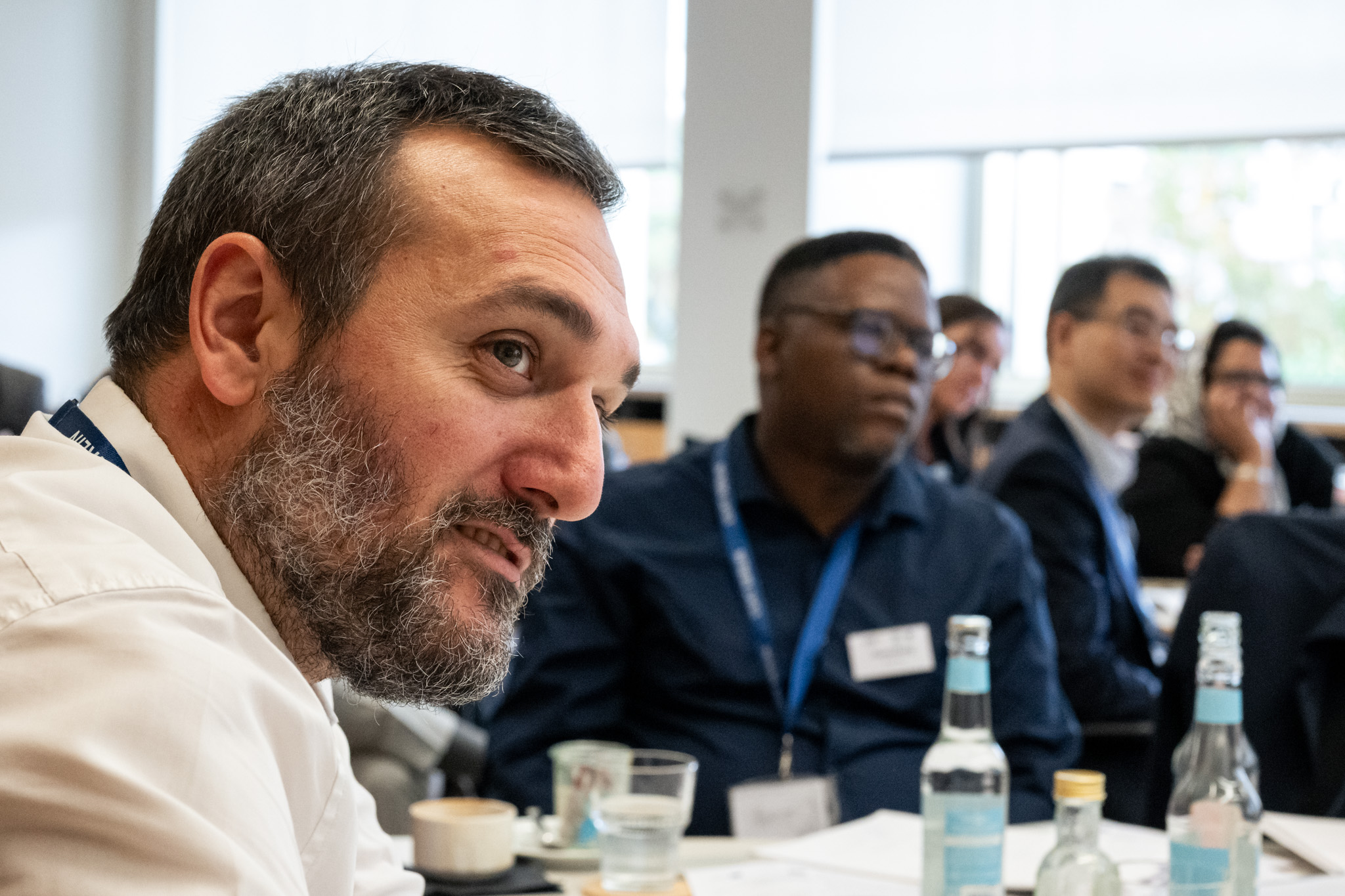
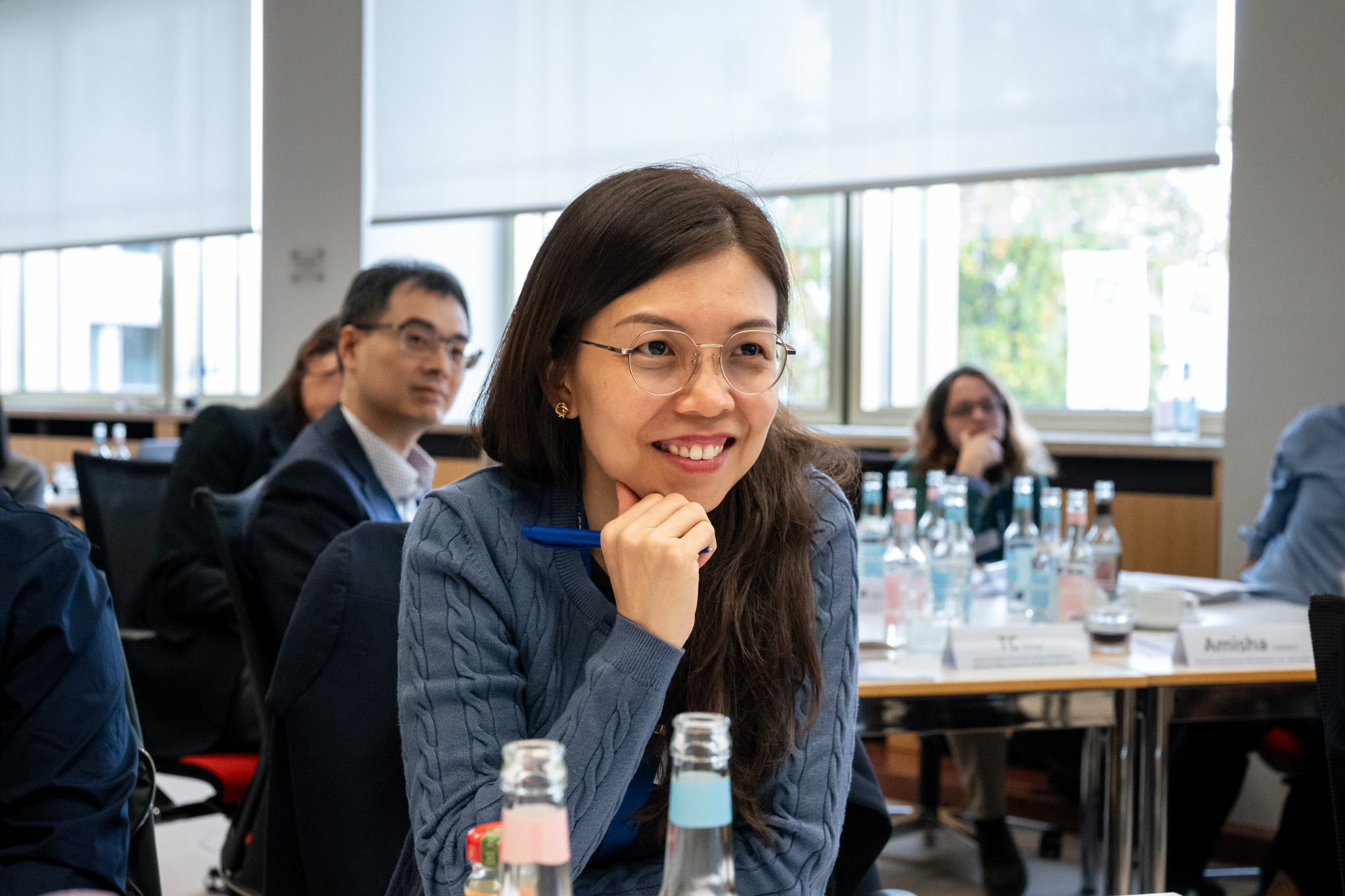
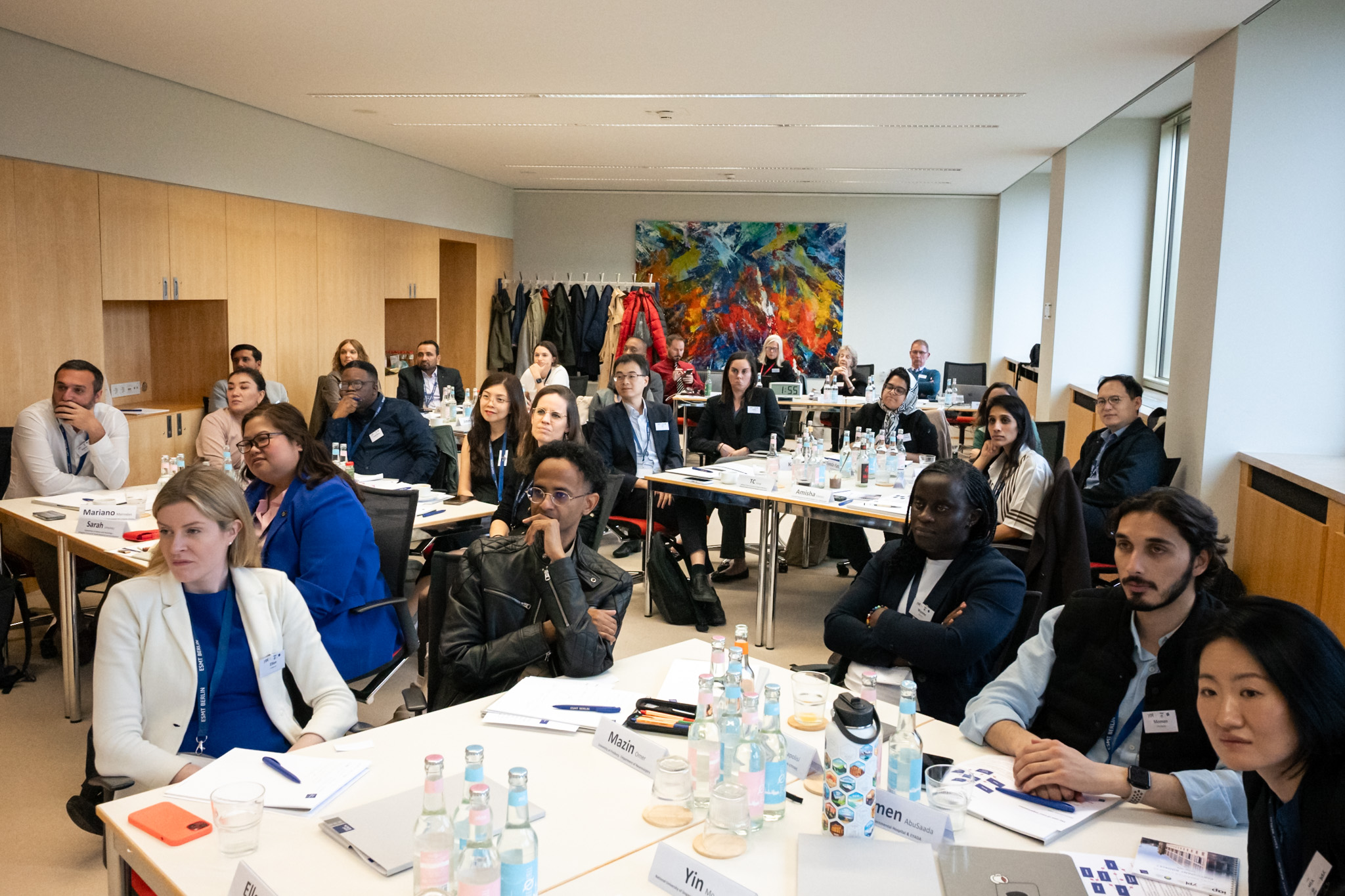
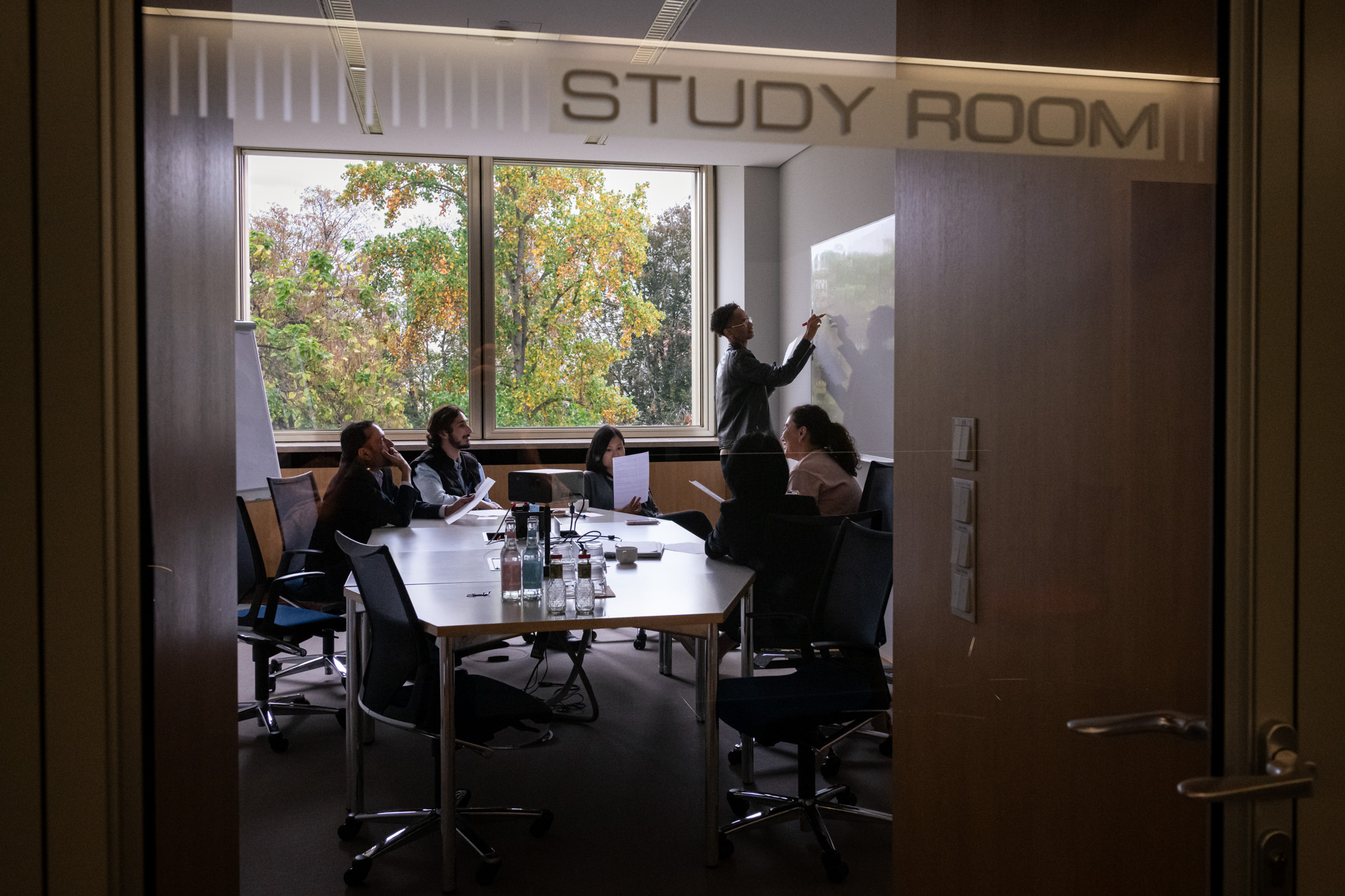
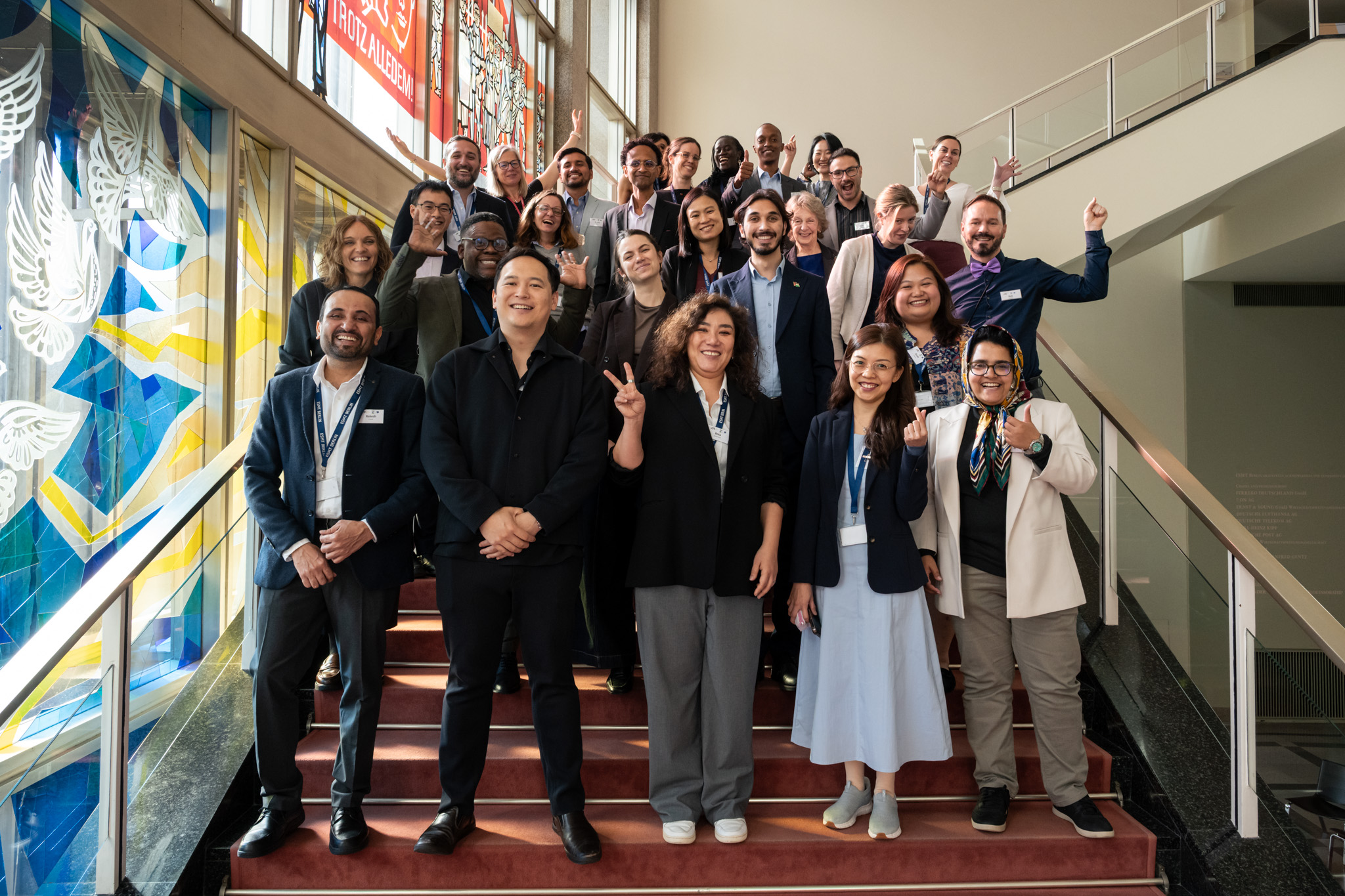
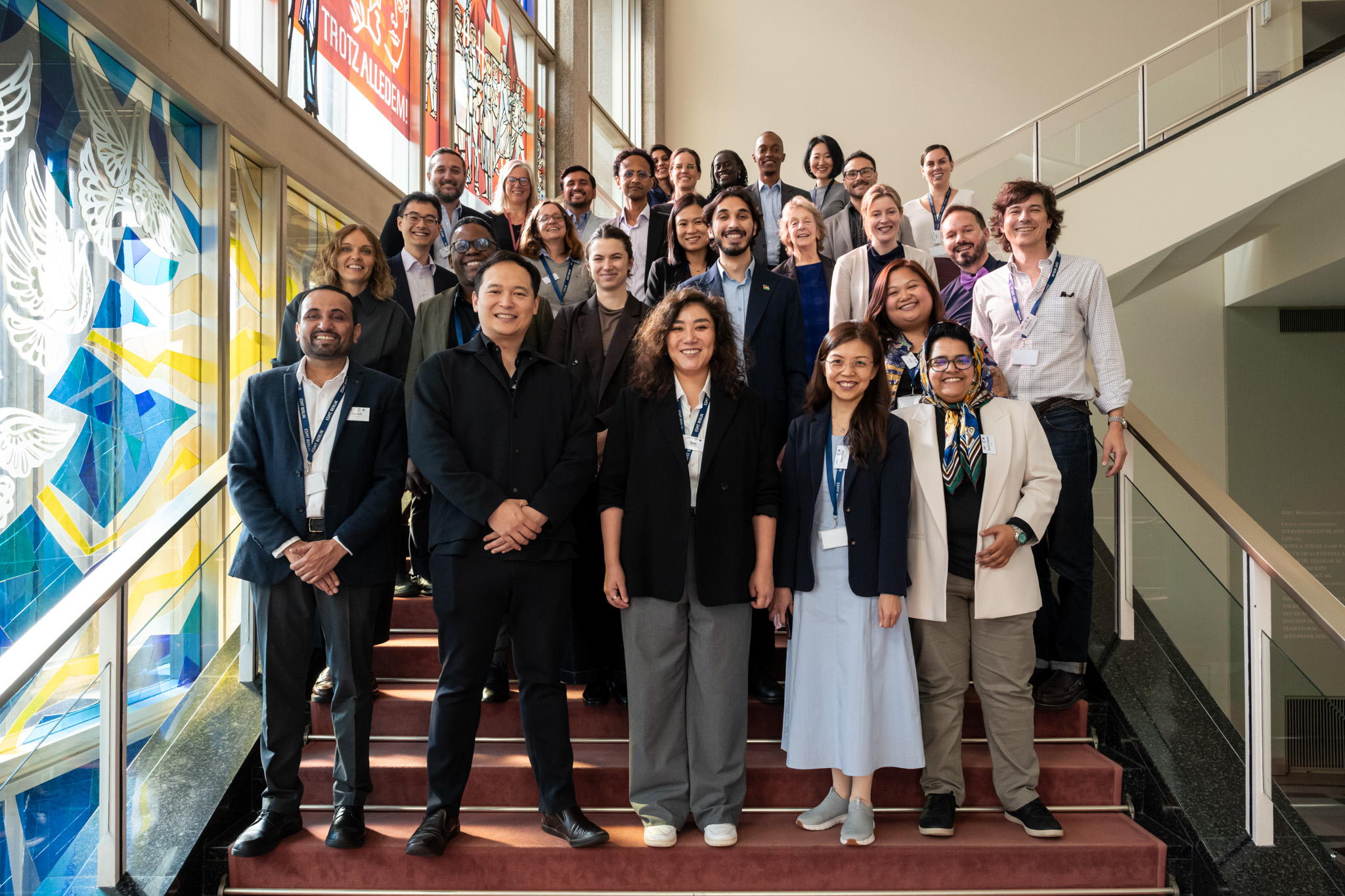
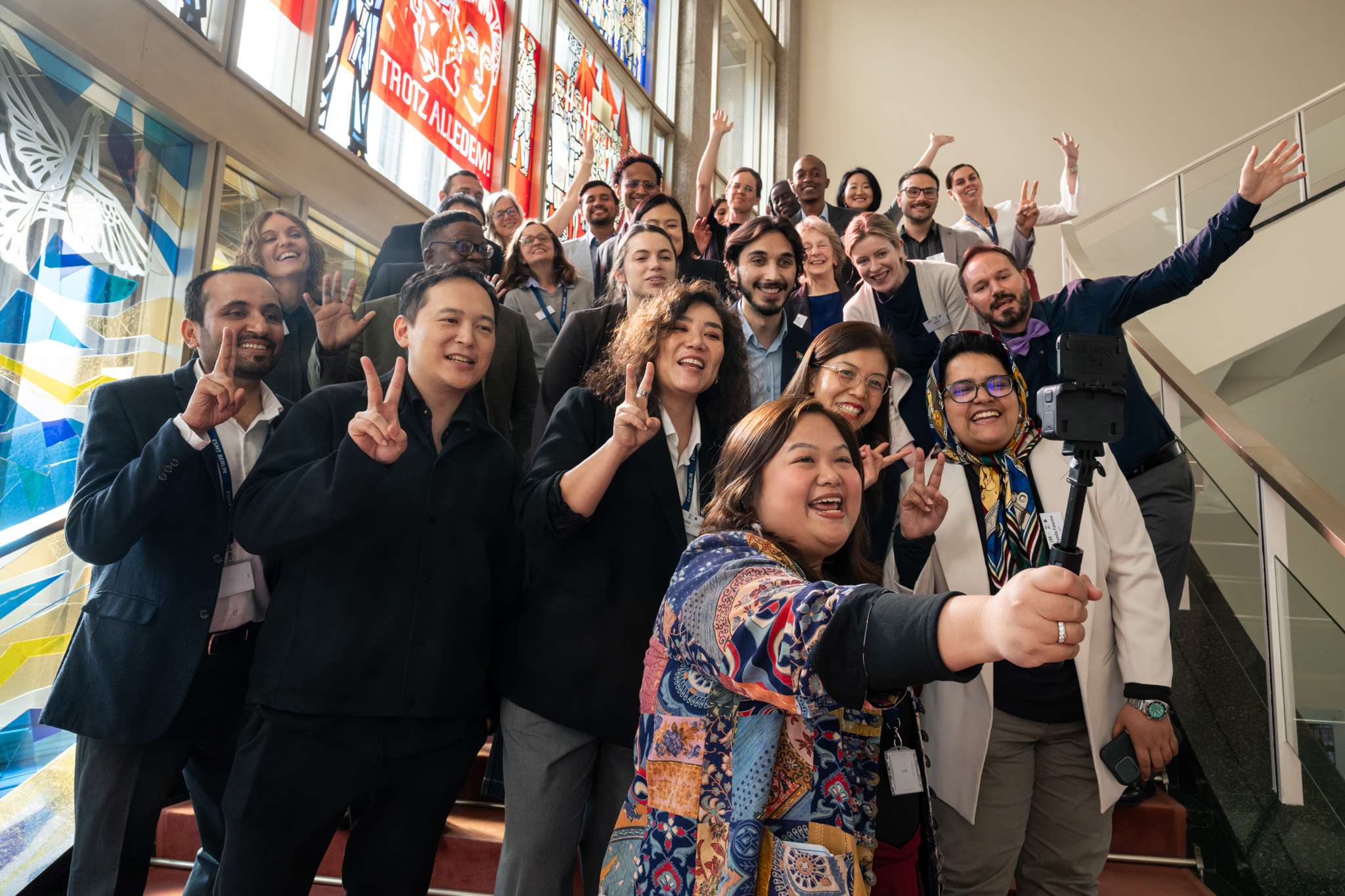
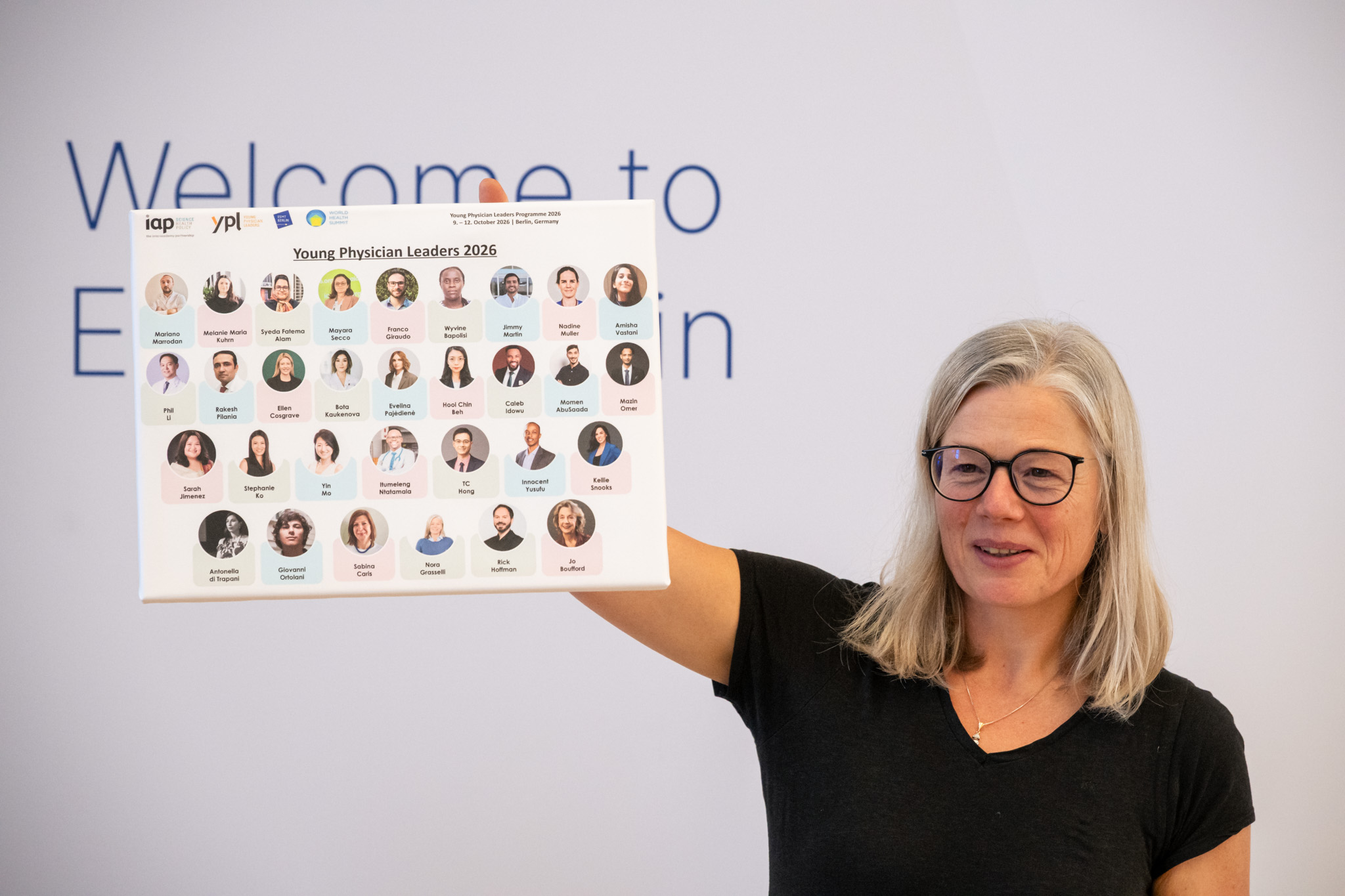
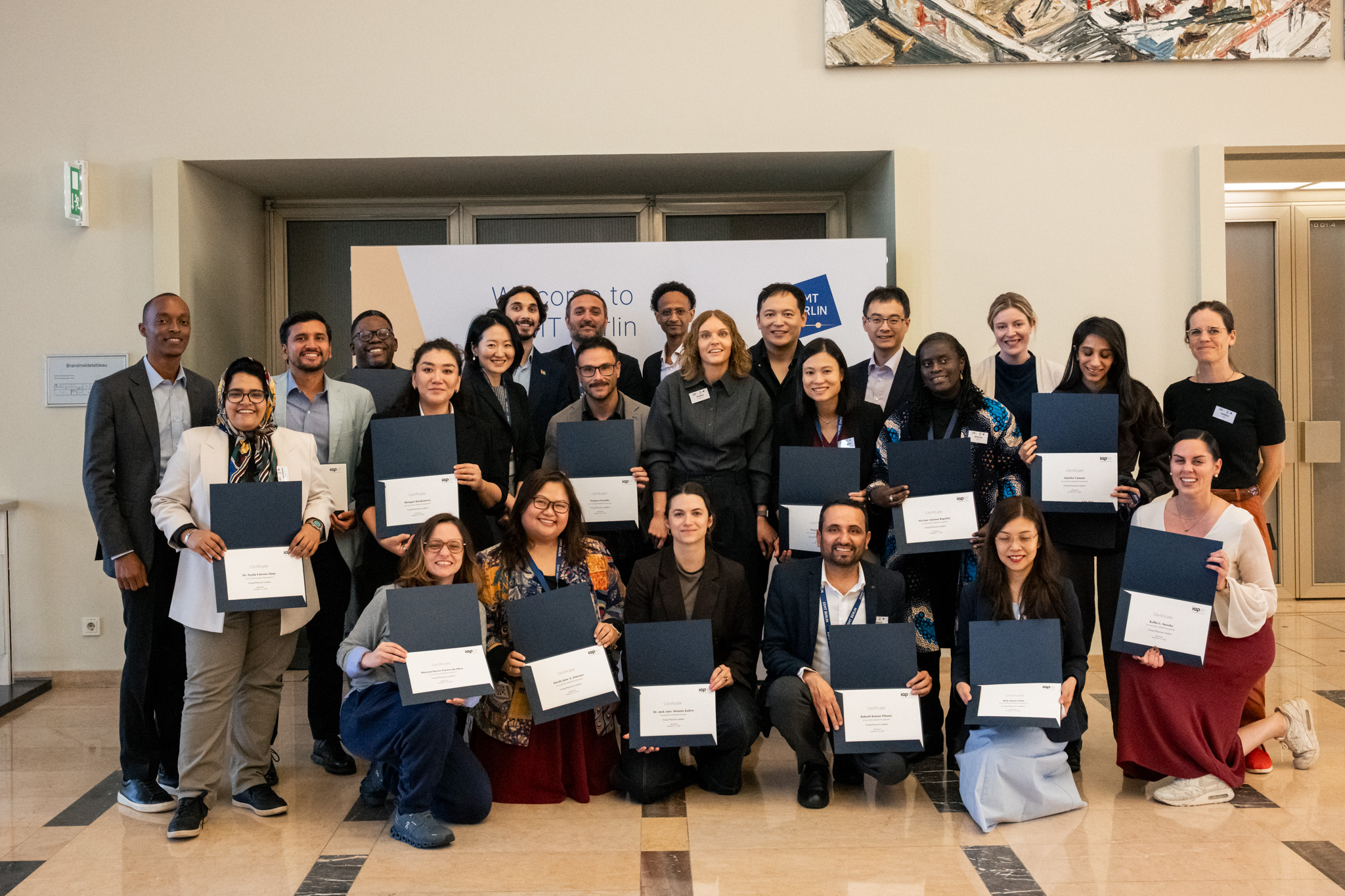
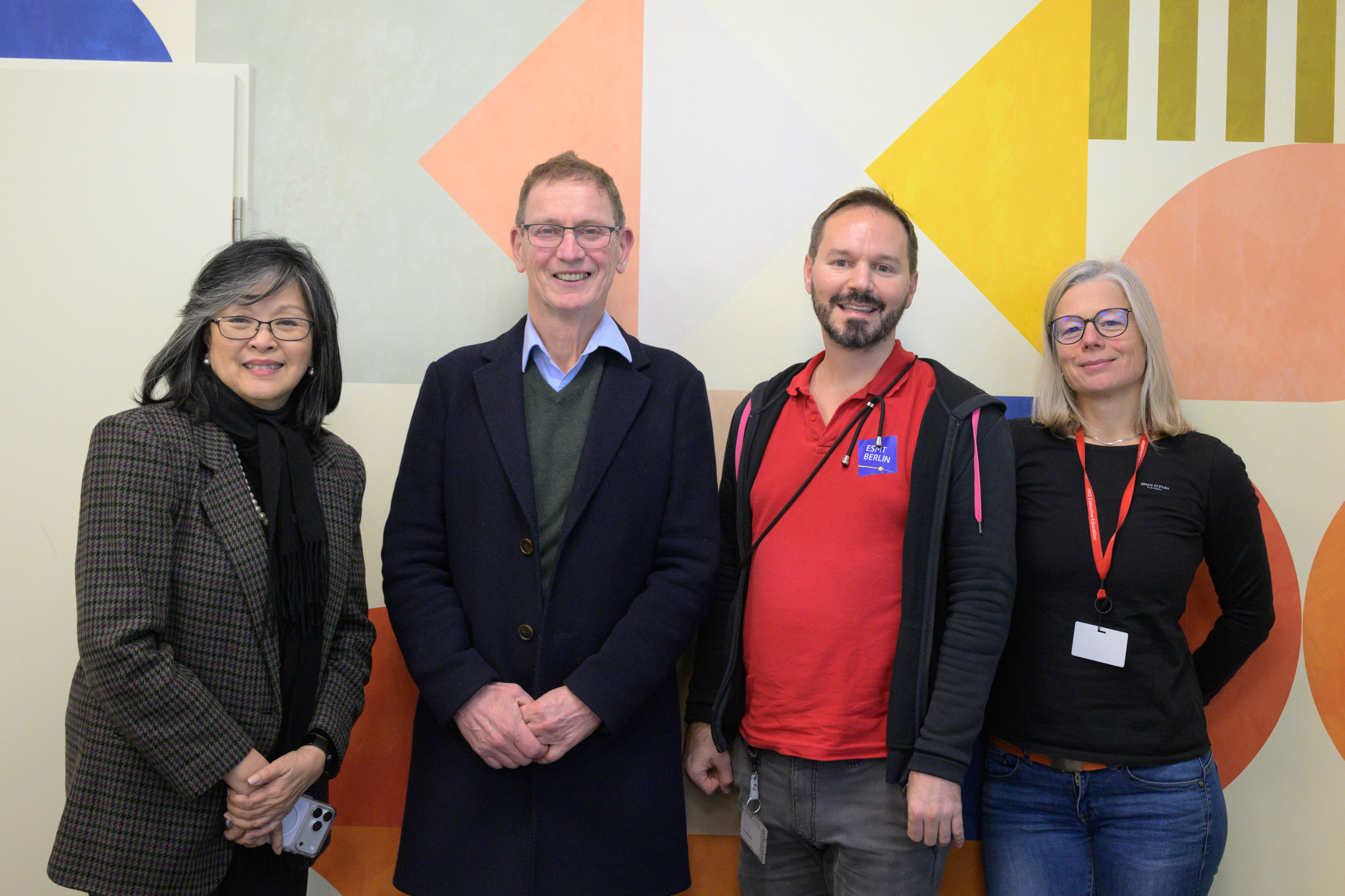
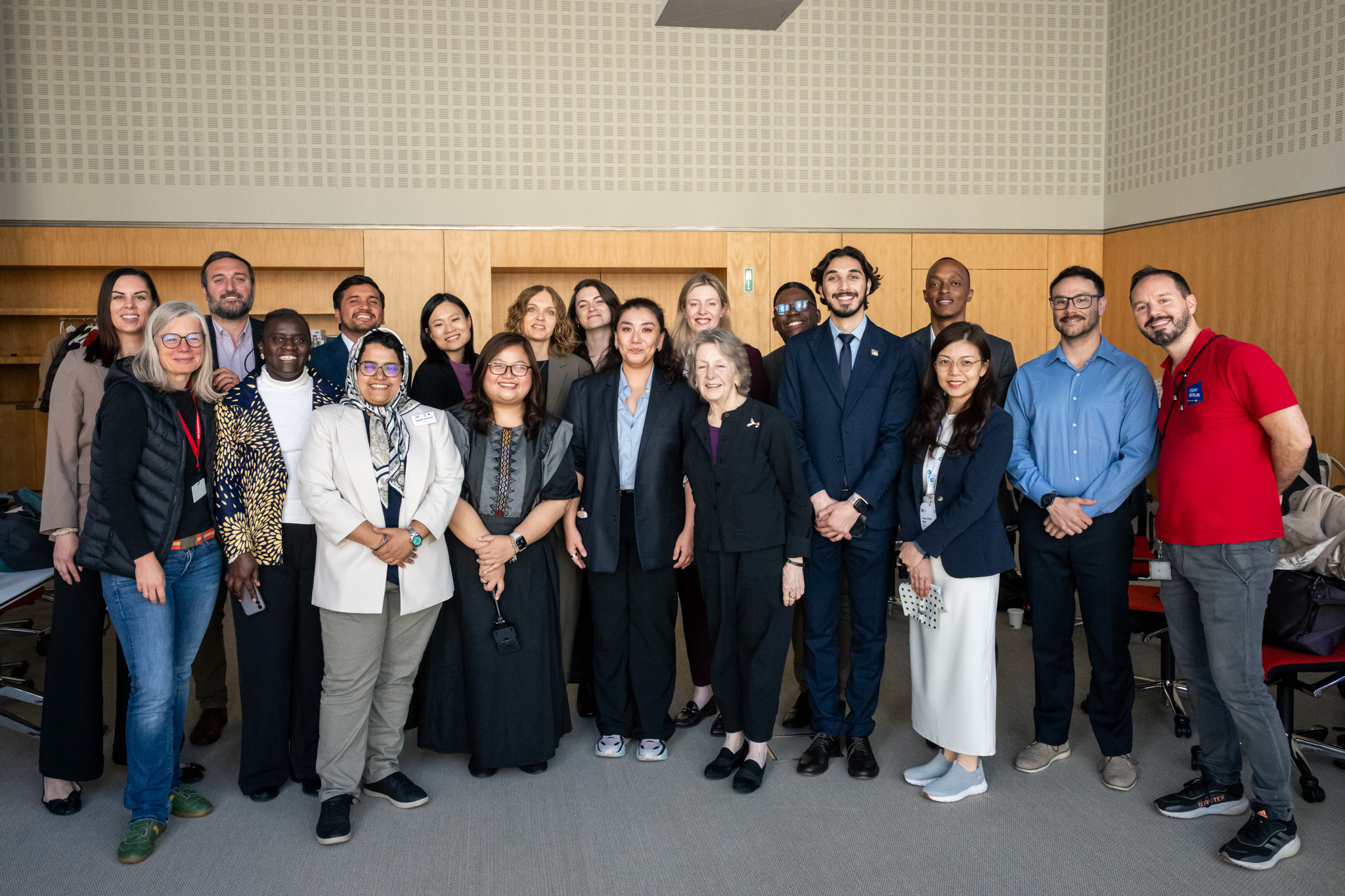
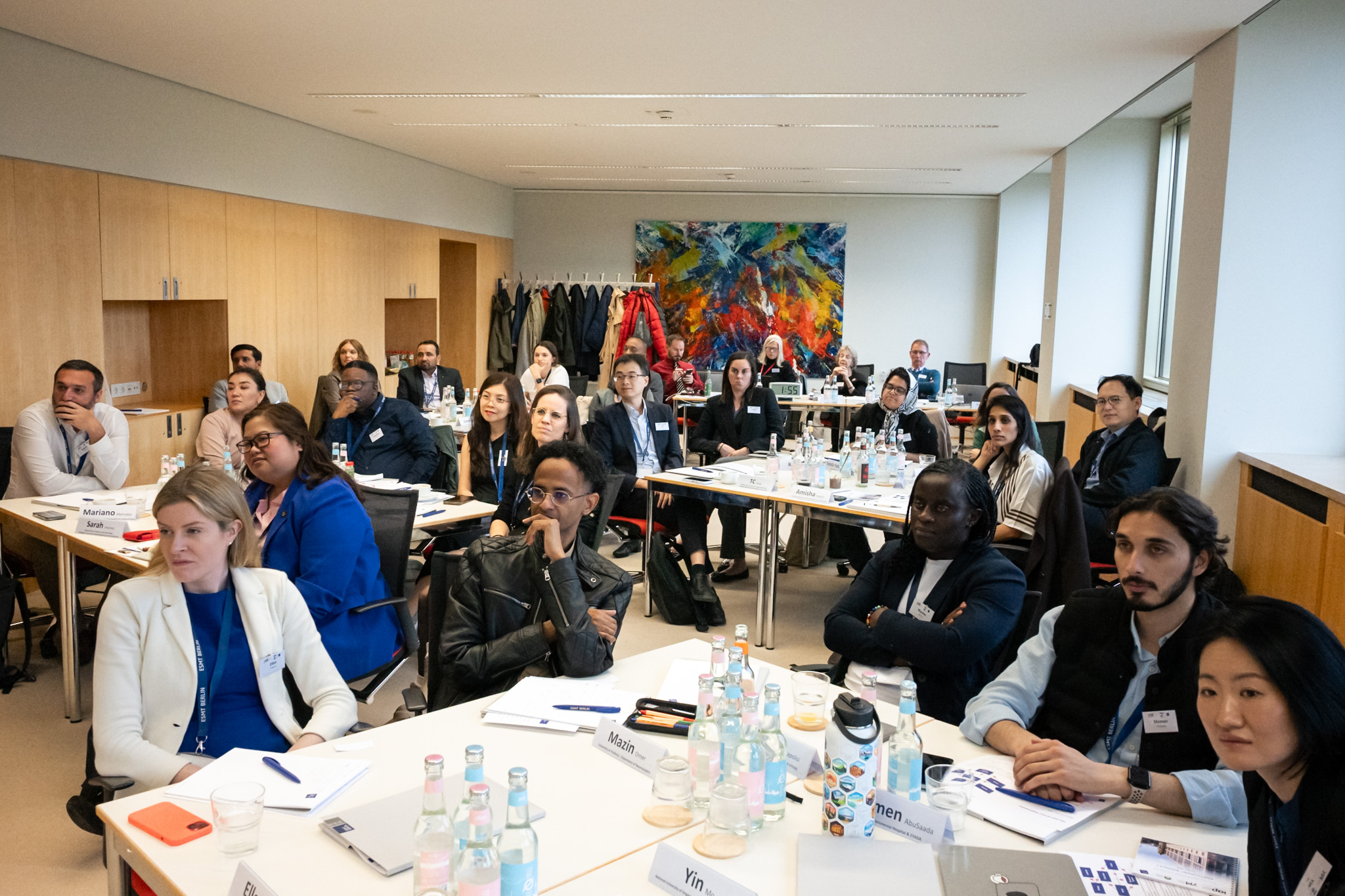
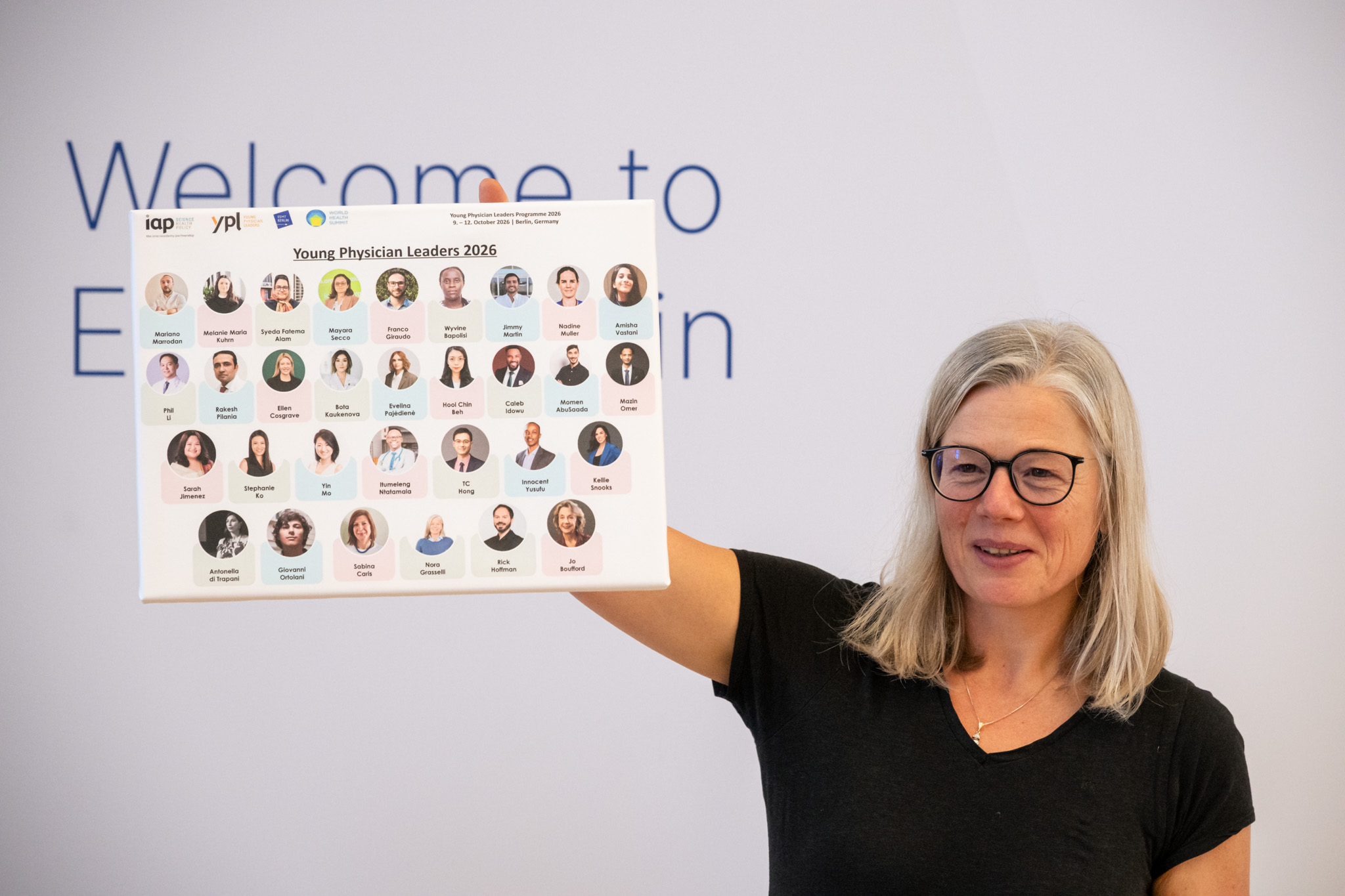
Twenty-three physicians from 20 countries met in Berlin from 9 to 12 October 2026 for the 15th edition of the IAP Young Physician Leaders (YPL) programme. They combined two days of leadership training at ESMT Berlin with an active role at the World Health Summit.
The YPL programme supports physicians under 40 who are building careers as educators, public health professionals and health policy leaders. With this year’s cohort, more than 300 physicians have now joined the YPL alumni network since the programme began.
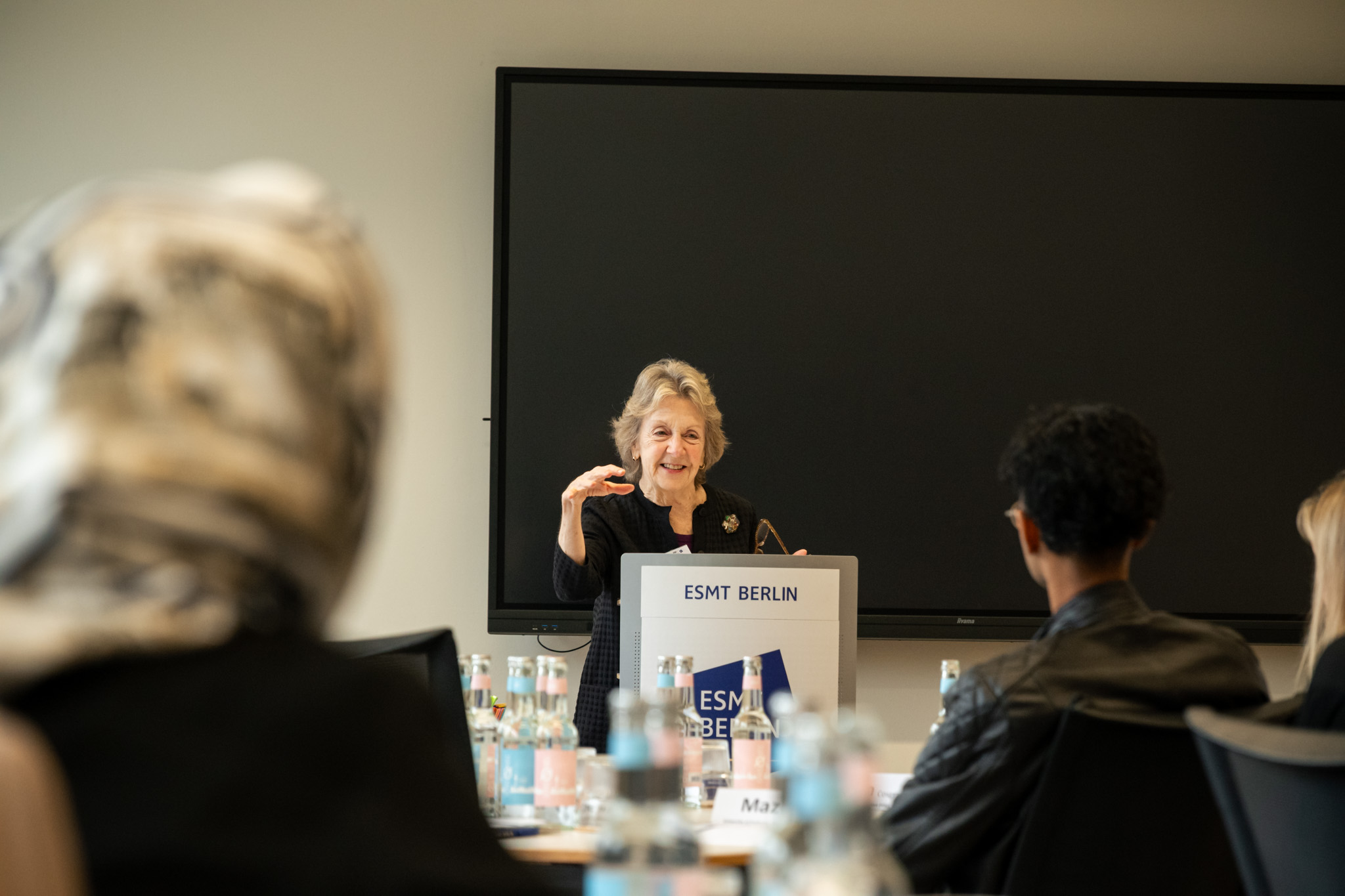
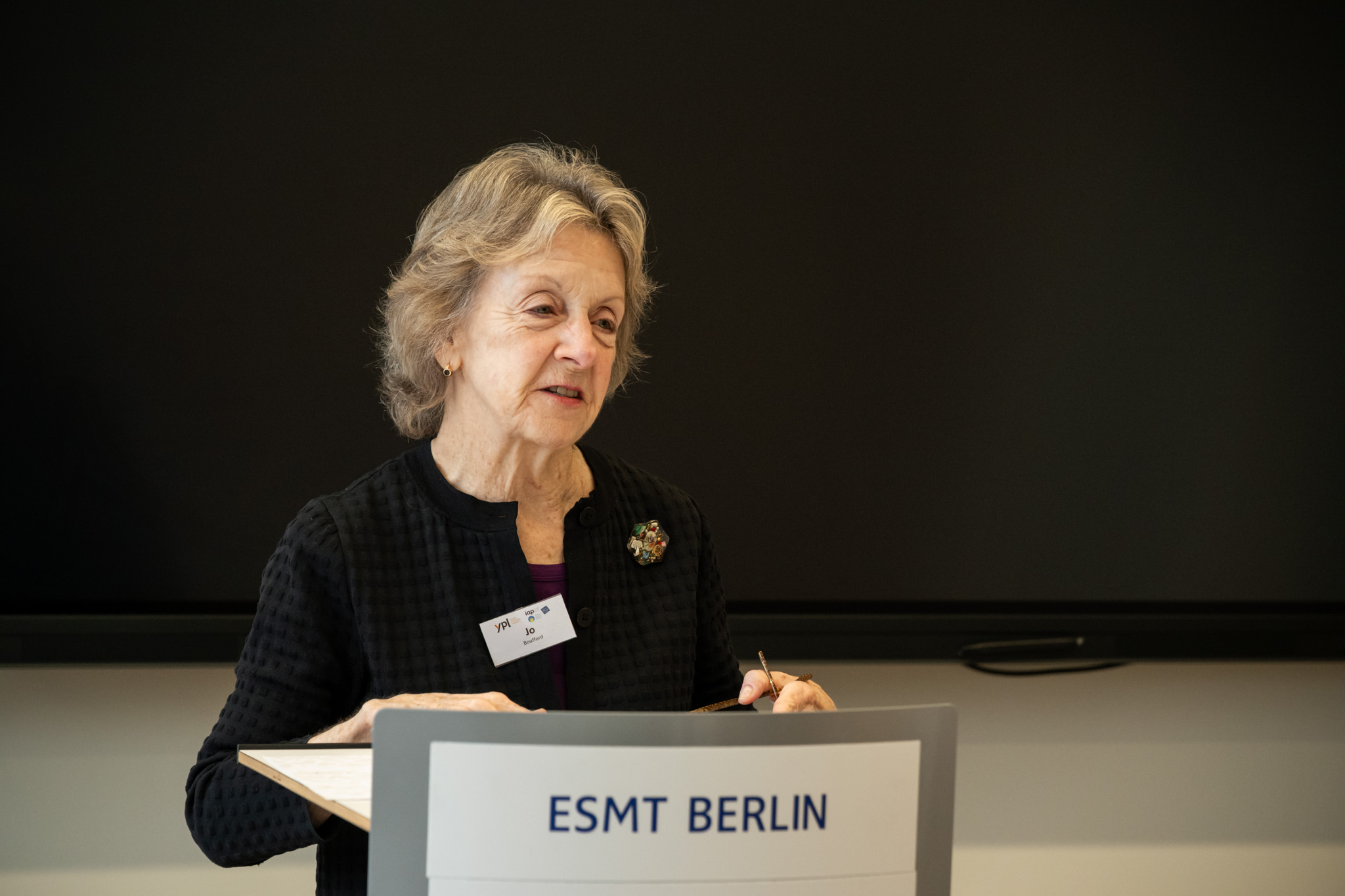
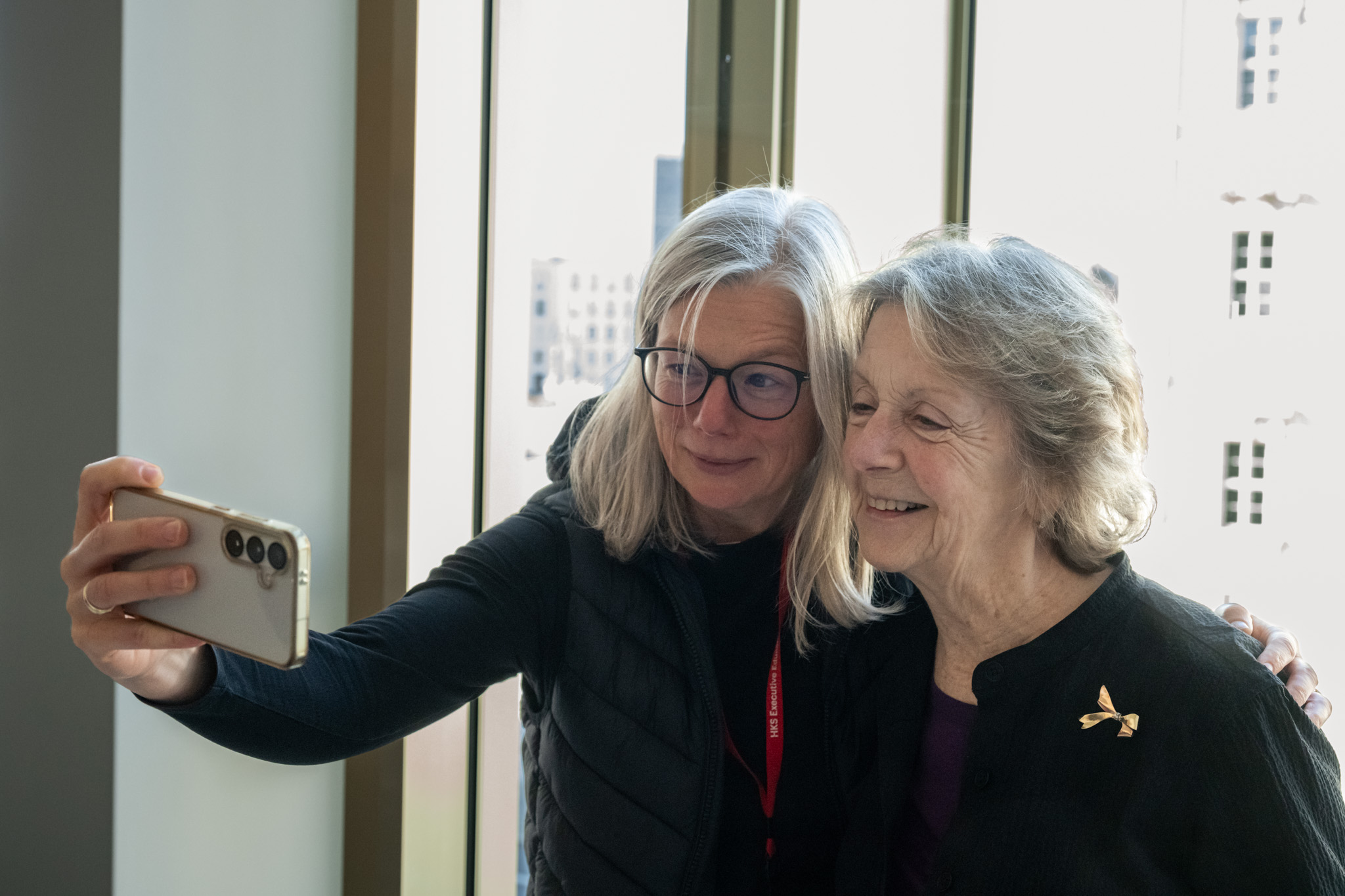
“We can’t improve health without effective leaders. Yet too many young physicians still learn to lead by trial and error, often only once they are already in positions of responsibility,” said Jo Boufford, IAP YPL programme coordinator and clinical professor of global health at New York University School of Global Public Health.
“Since 2011, the YPL programme has given emerging leaders the skills, the confidence and, above all, a network of peers to lead change in their own countries and globally. This year’s cohort shows how much talent is ready to step up,” she said.
The 2026 YPLs work in fields ranging from neurology, oncology and infectious diseases to public health, medical education, health policy and health systems. They are based in major universities and teaching hospitals, national health institutions, research organisations and healthcare systems. Several combine clinical practice with research and policy work, while others are developing new approaches to health education, public health and health-system improvement.
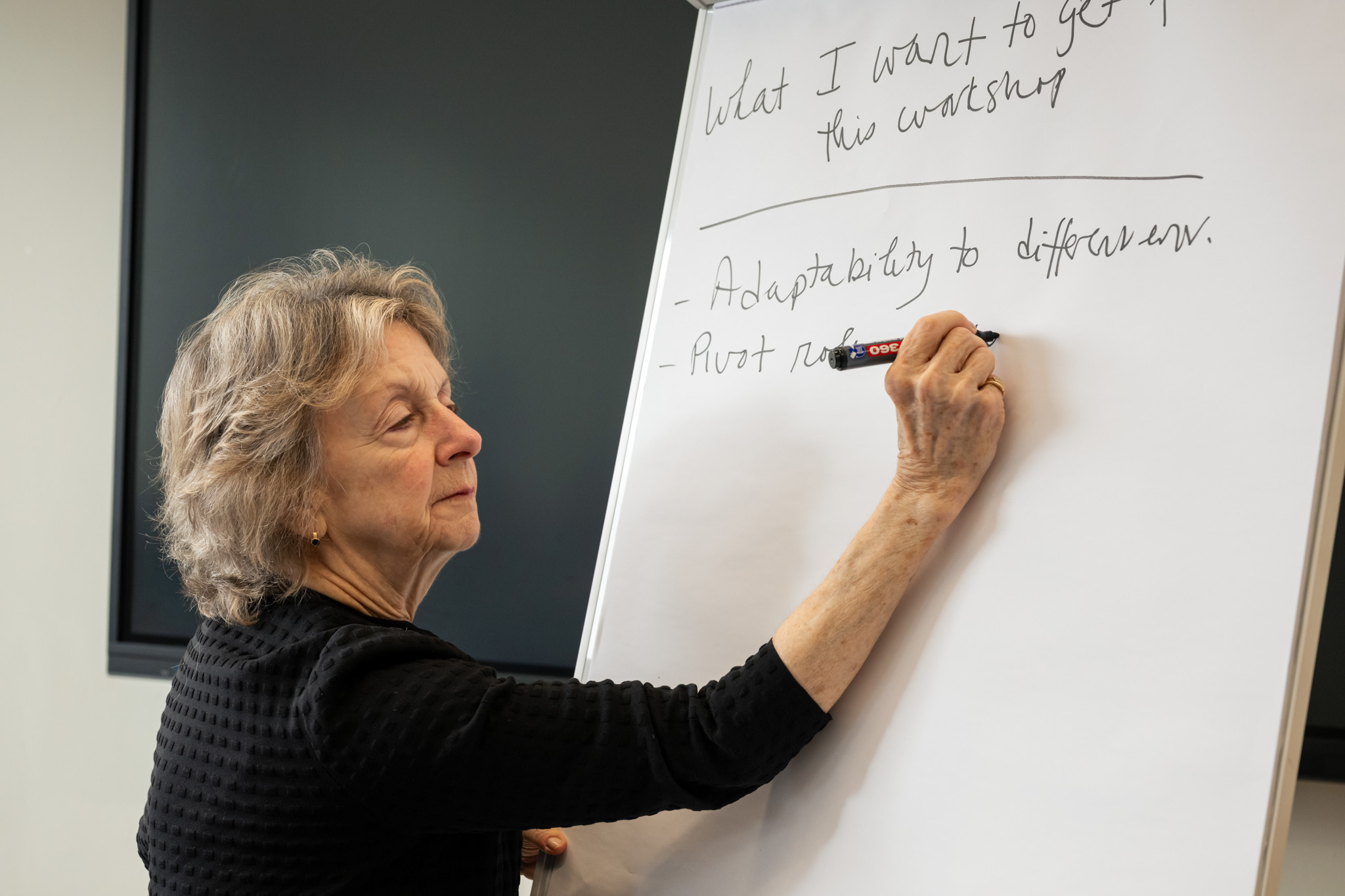
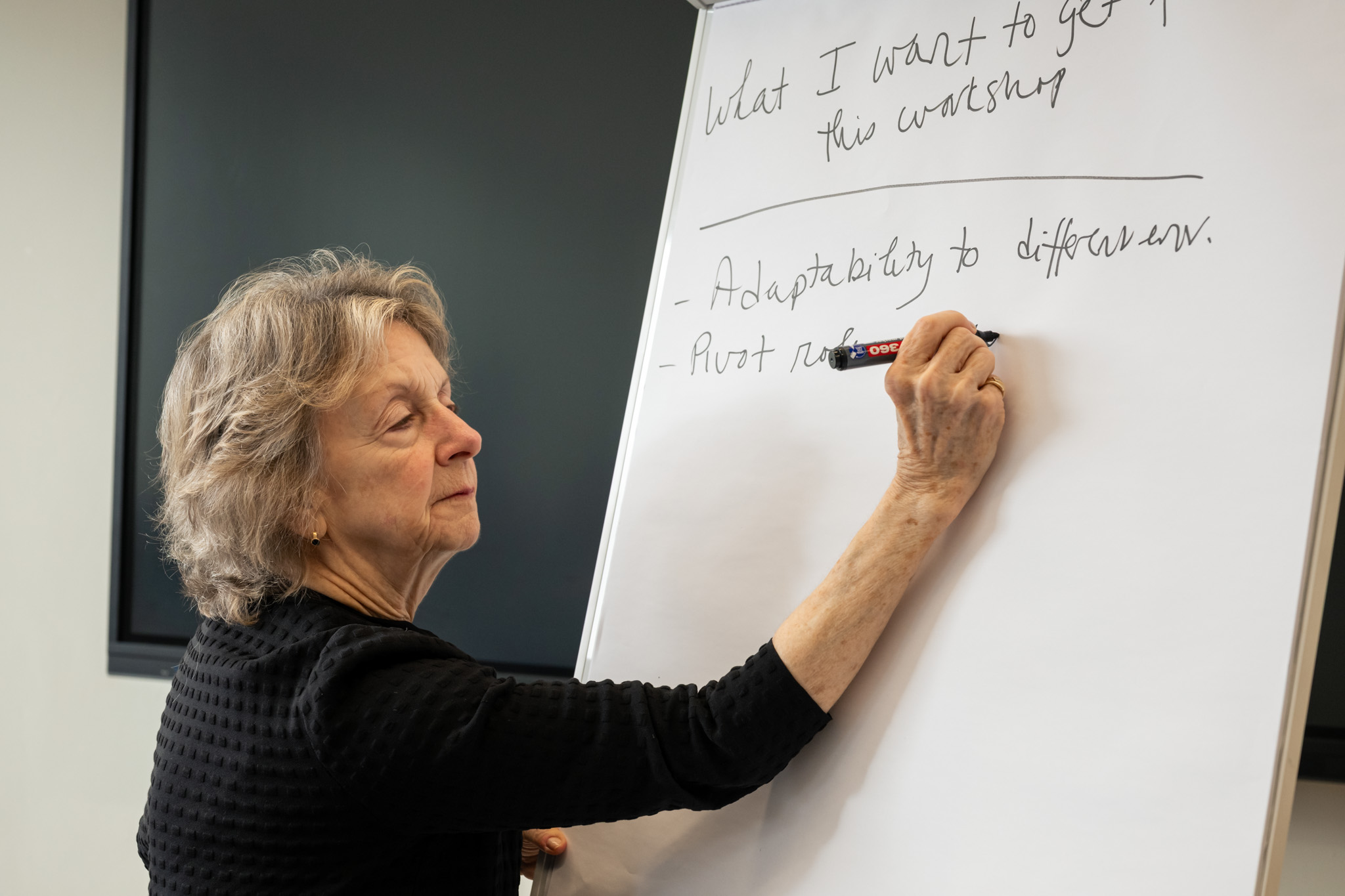
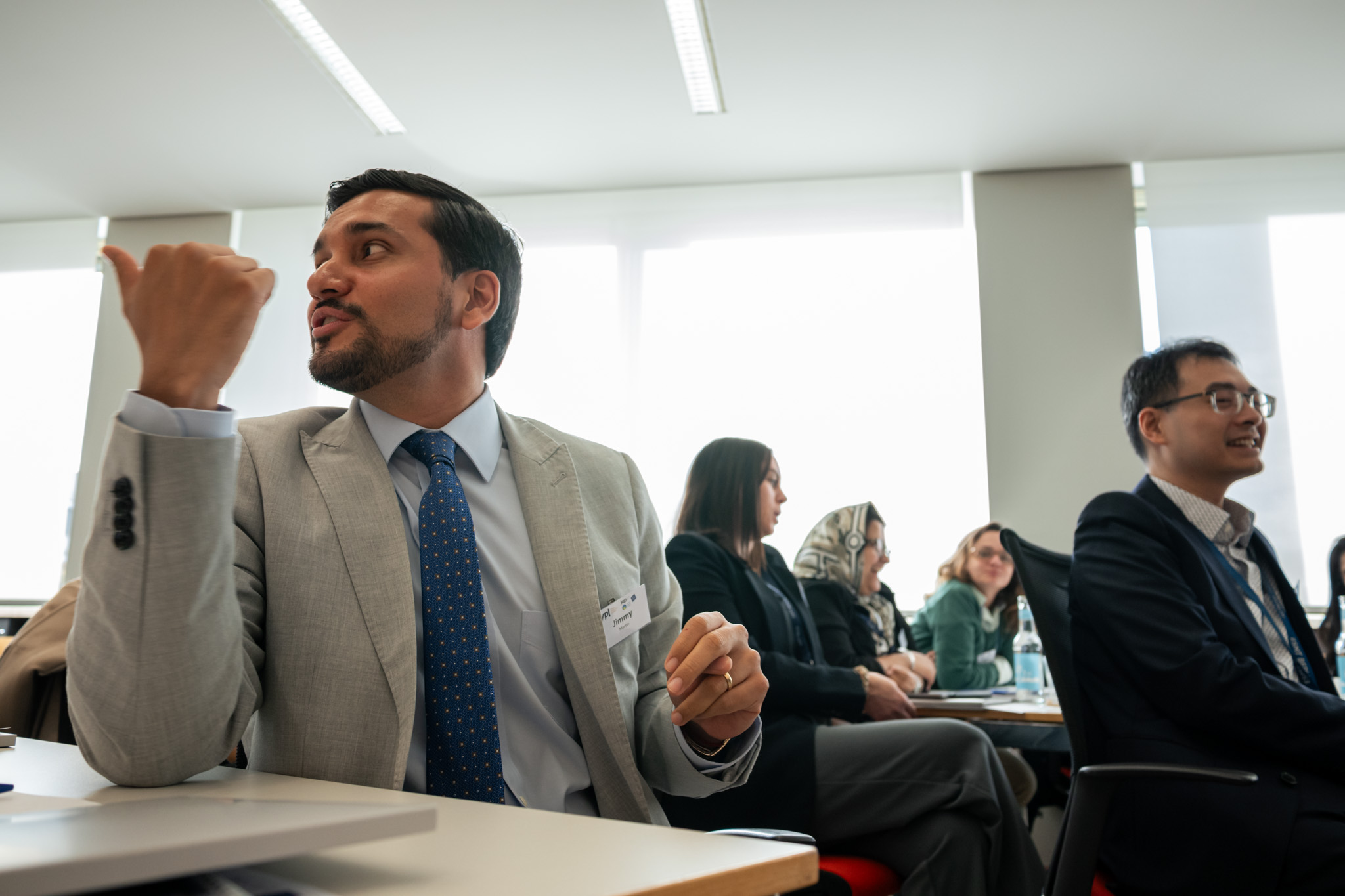
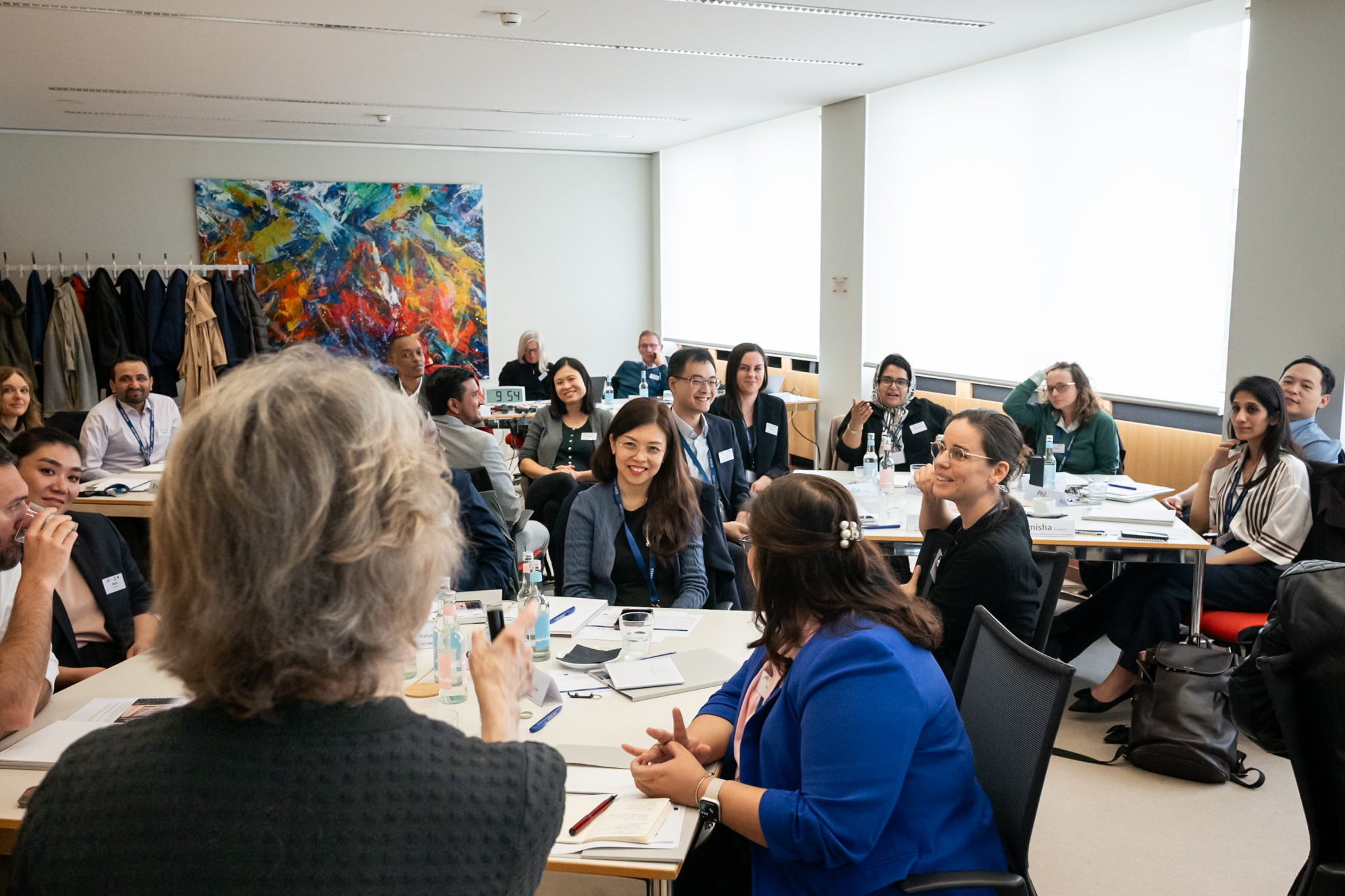
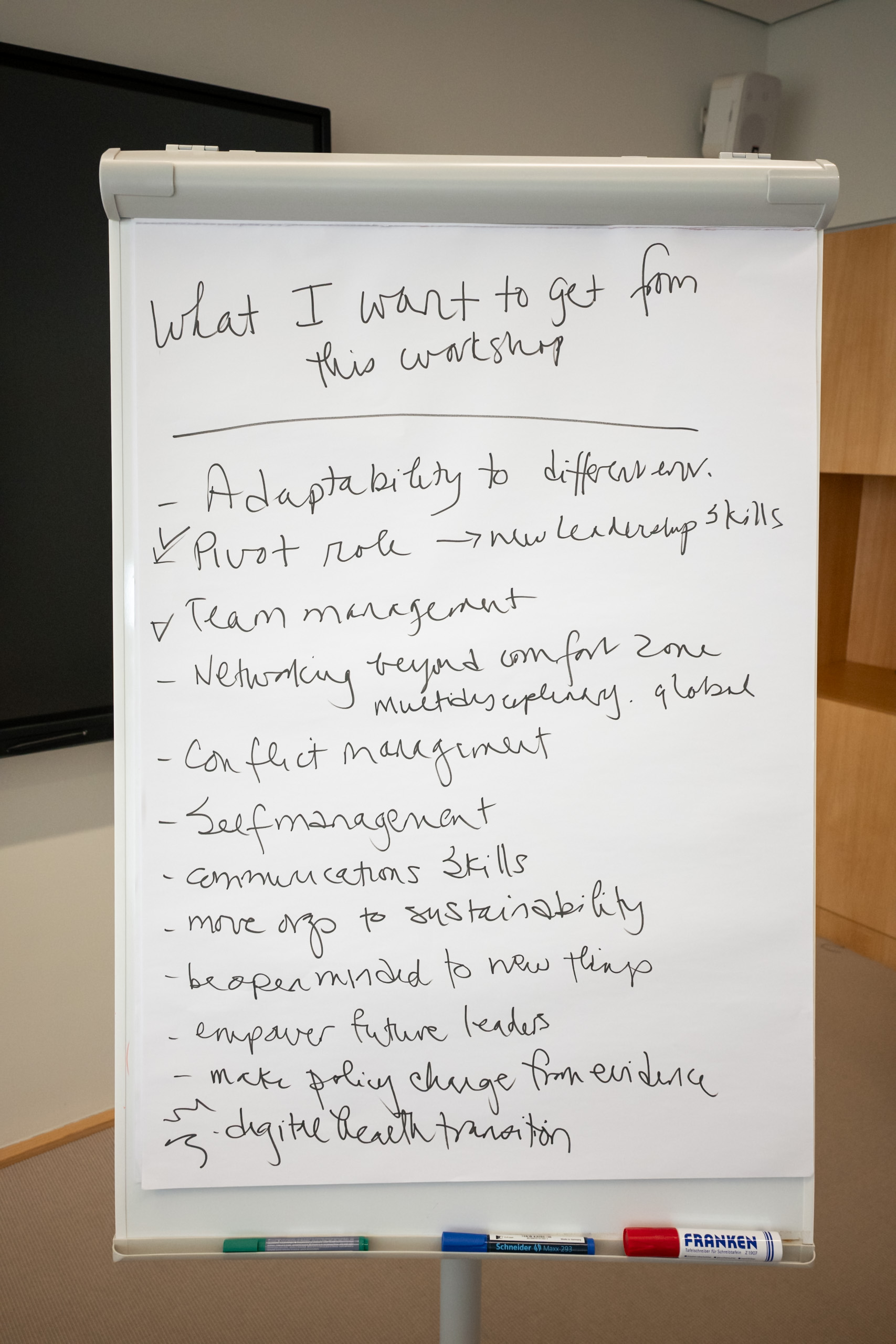
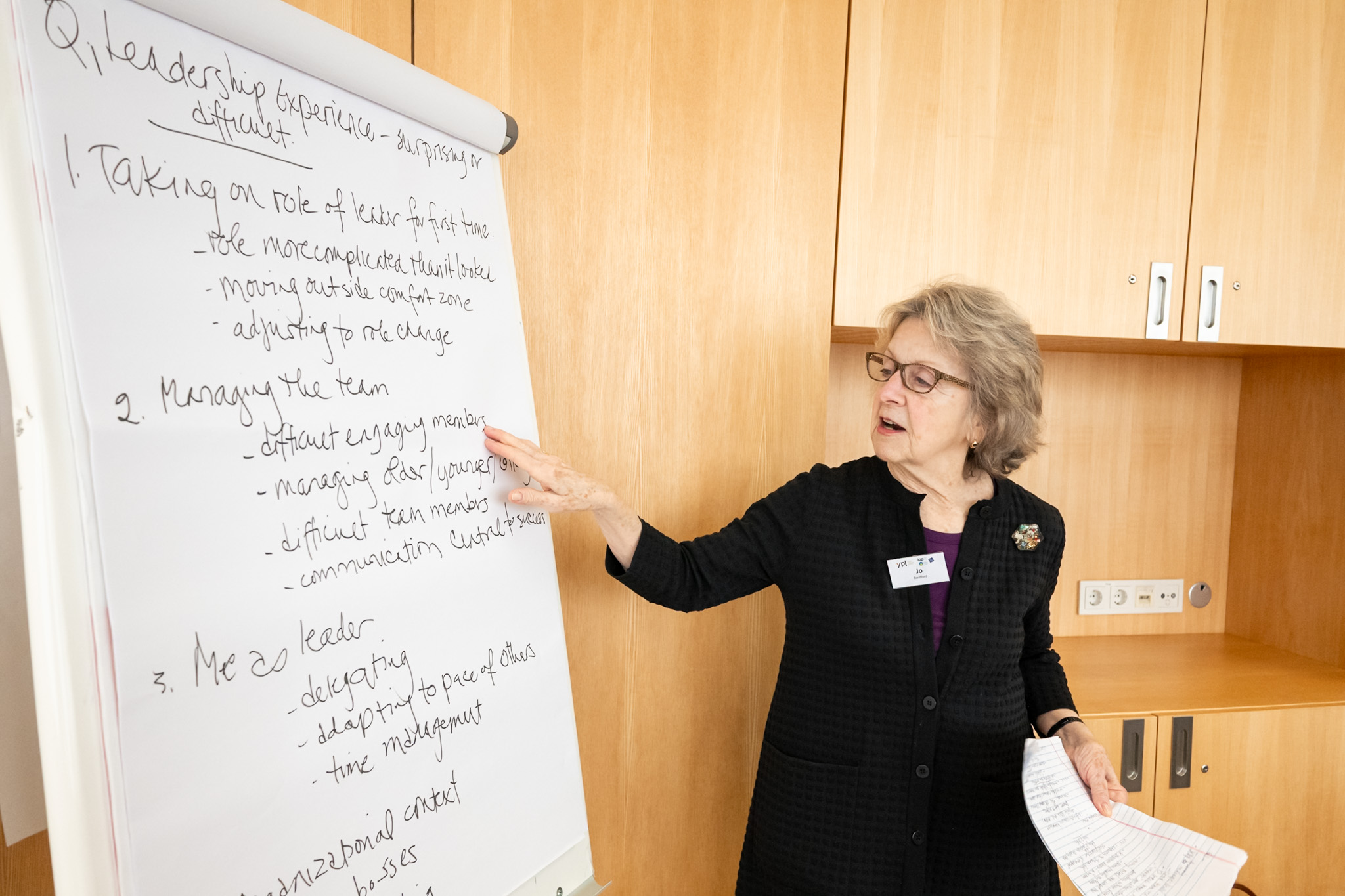
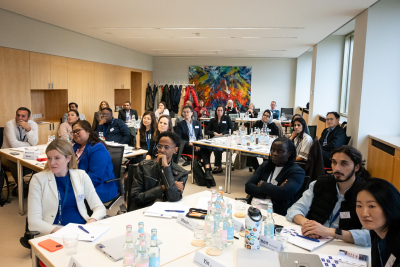
The programme opened on Friday 9 October. Before arriving, participants had completed a leadership self-assessment. The first session, led by Jo Boufford, used it as a starting point, as each physician shared their own leadership experiences with the group.
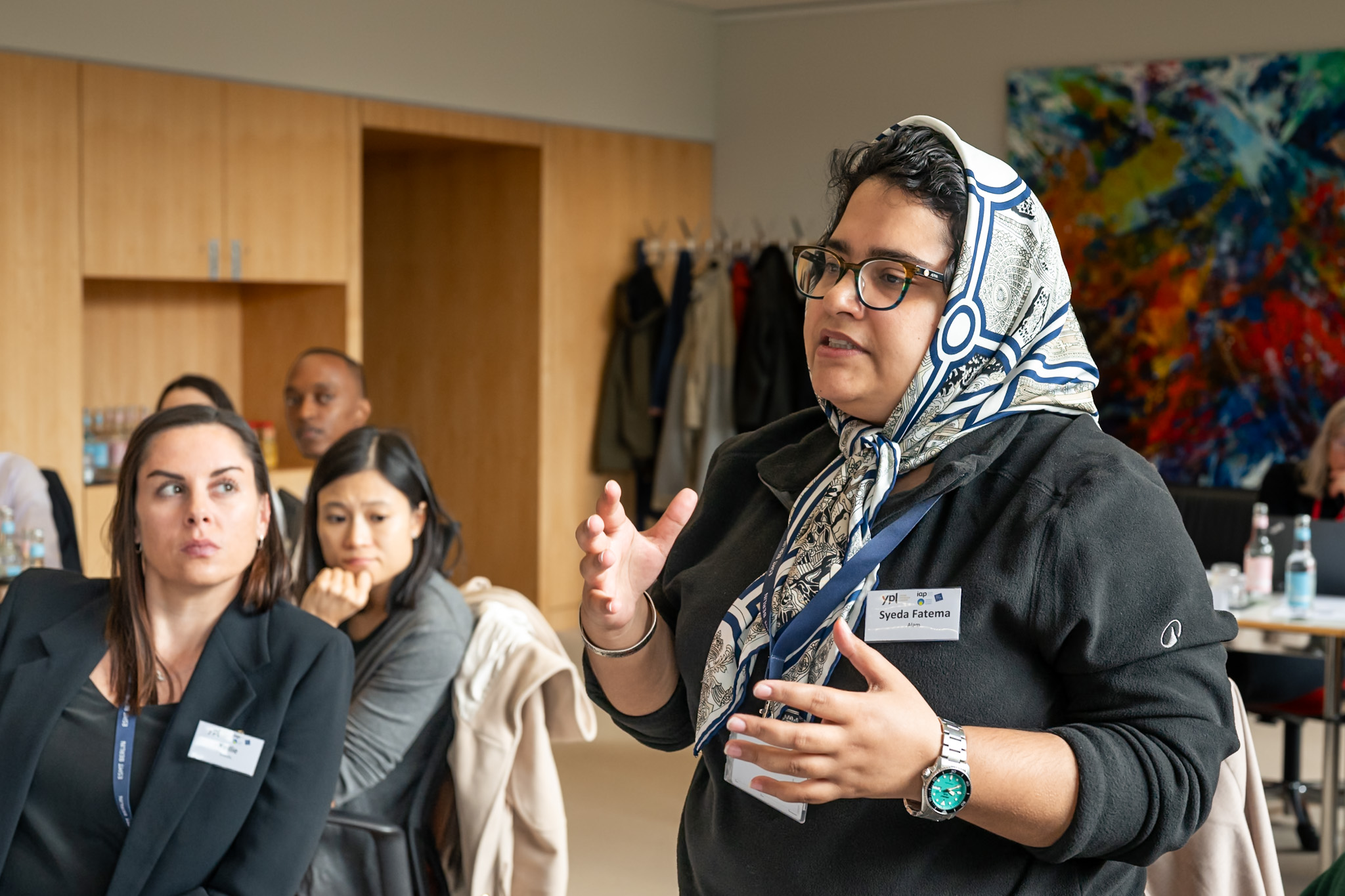
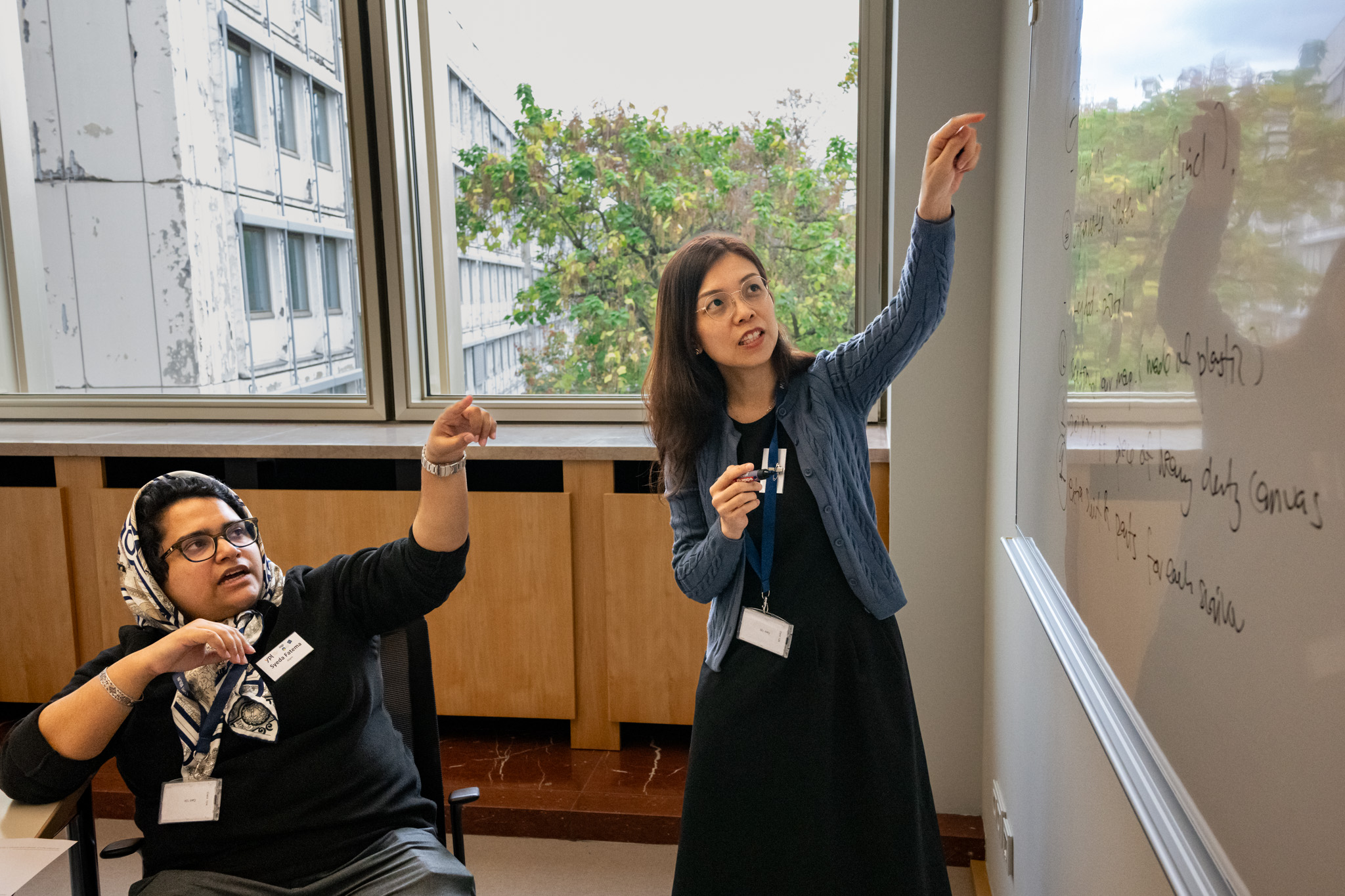
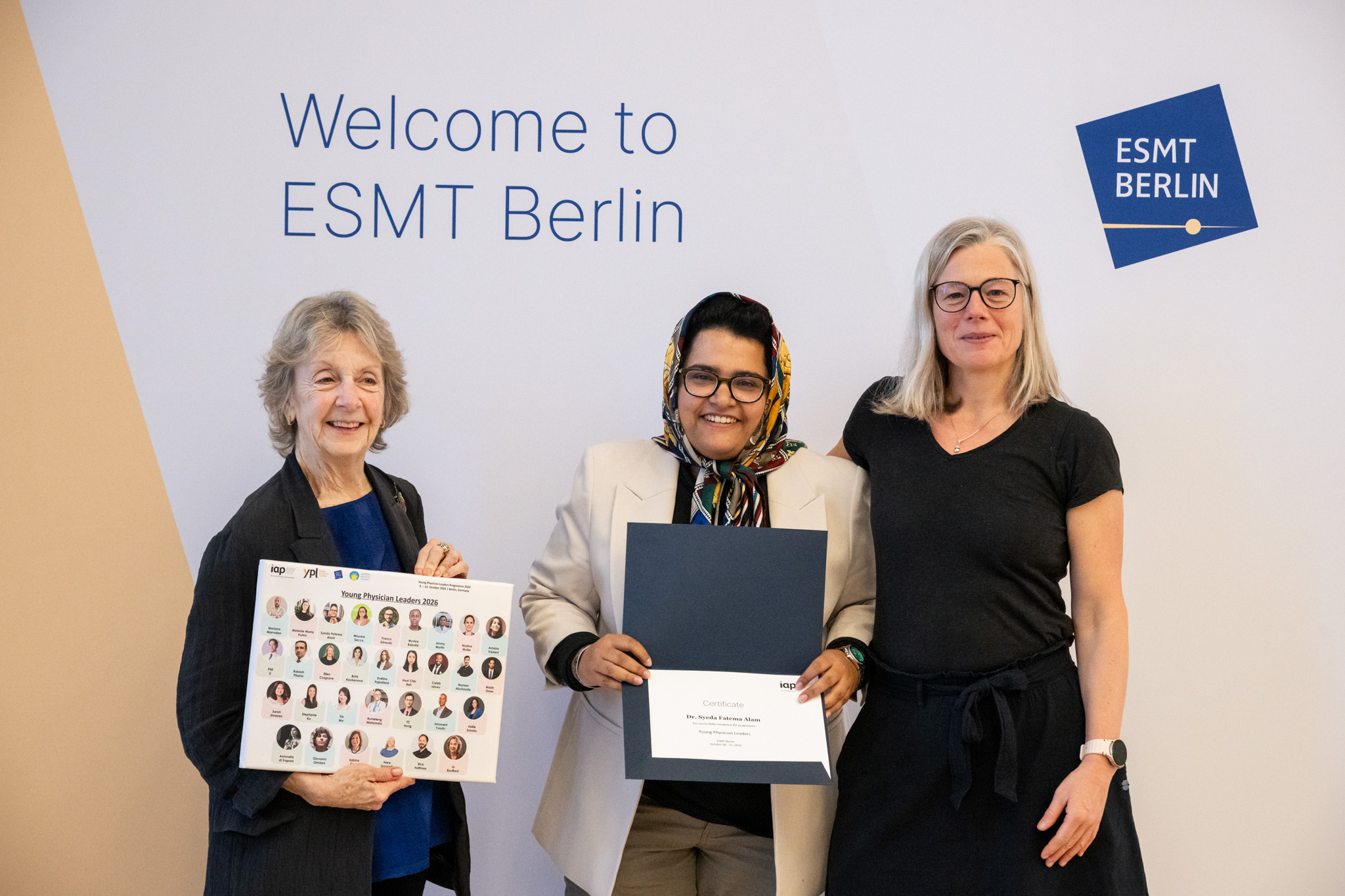
“Our entry point is technical: we were hired because we are good doctors. But then you have to go beyond that,” said psychiatrist Syeda Fatema Alam.
Alam works at the Department of Psychiatry at Dhaka Medical College Hospital, where she also runs her own research projects and mentors medical students. Her work spans clinical psychiatry, public health, mental health support in low-resource settings, programme design and policy.
“In your everyday work you deal with technical and political issues, so it is really important to learn to work with other people, understand what they want and what they have to offer, and build alliances around shared goals,” she added.
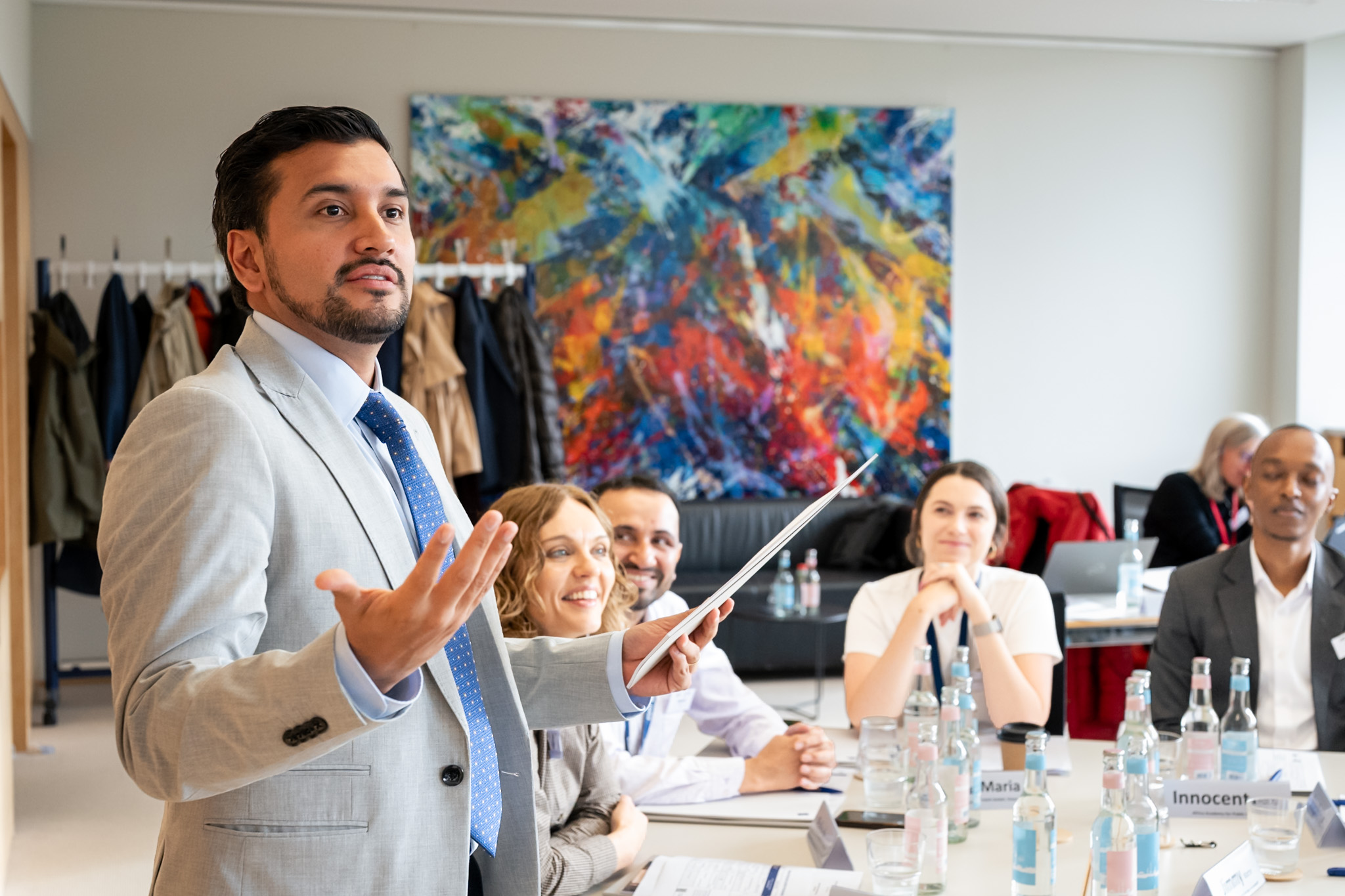
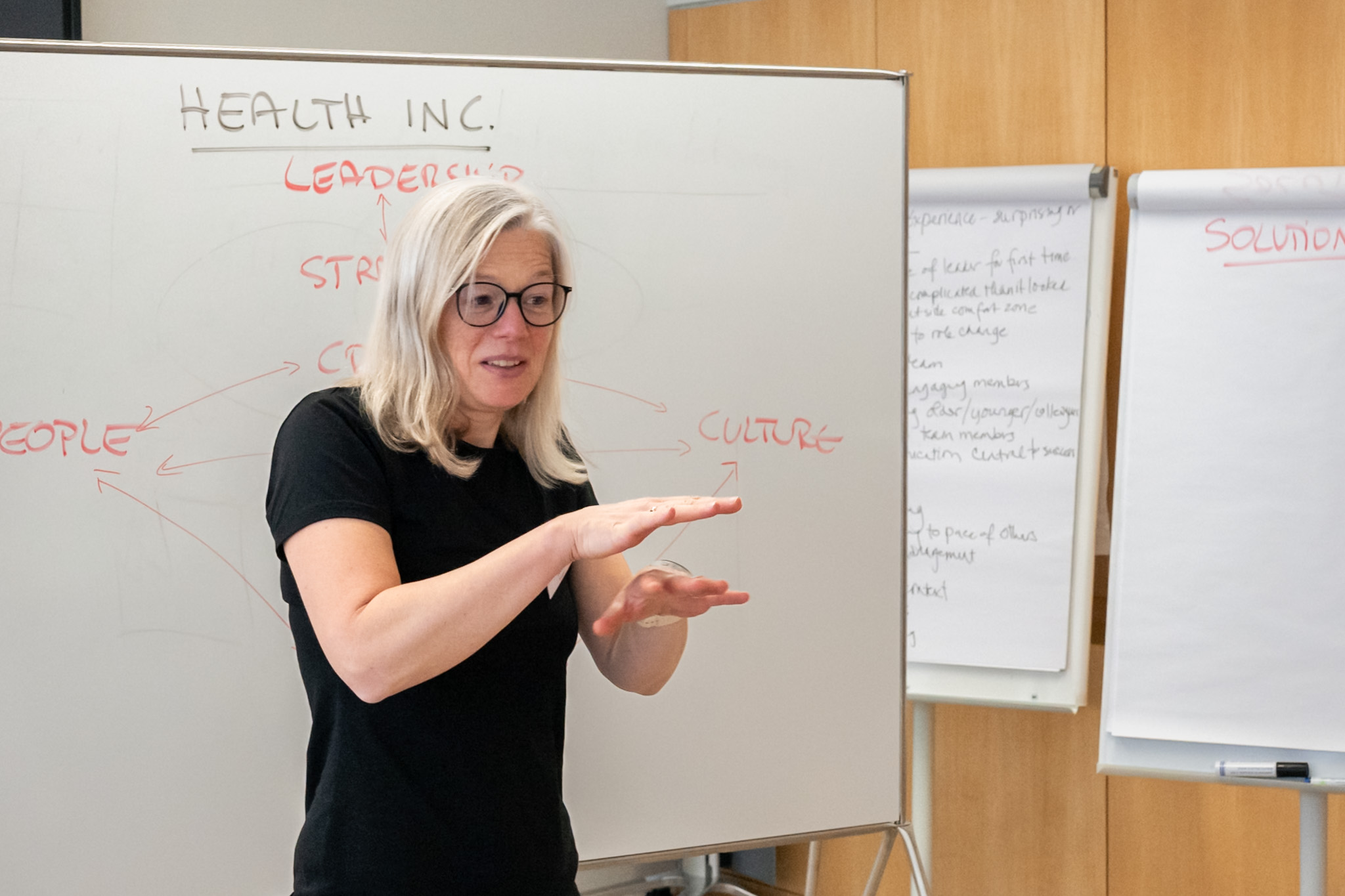
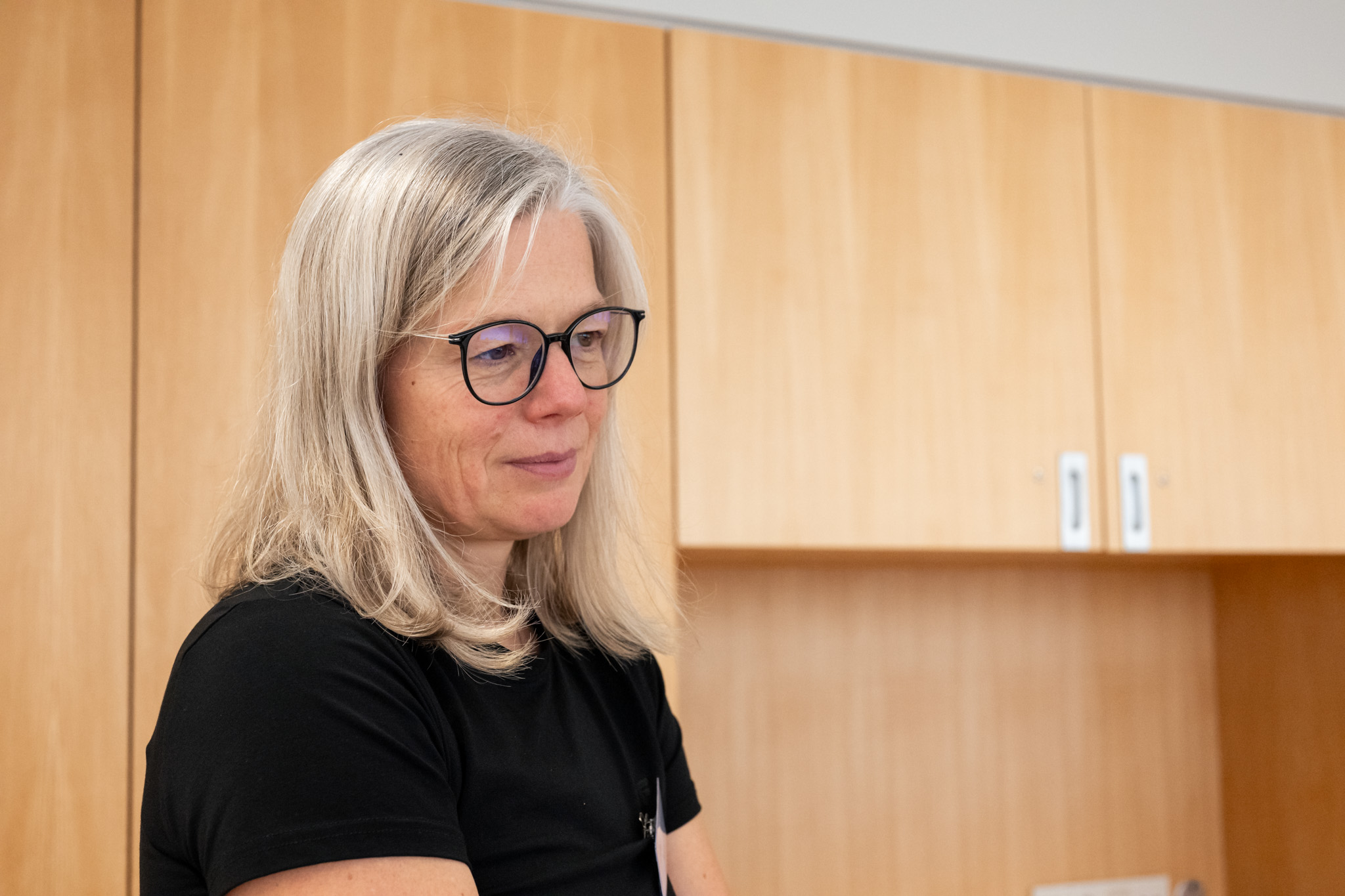
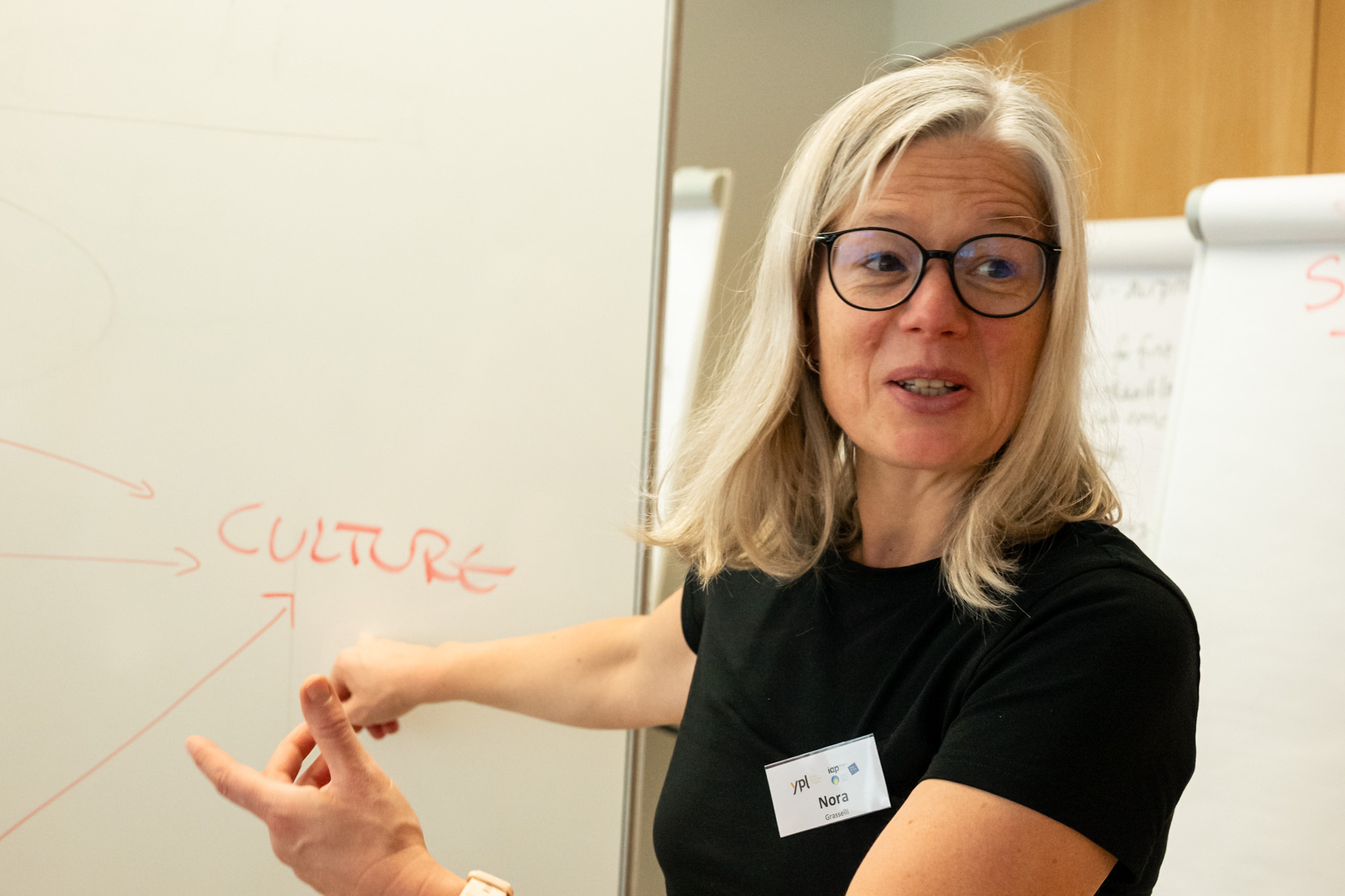
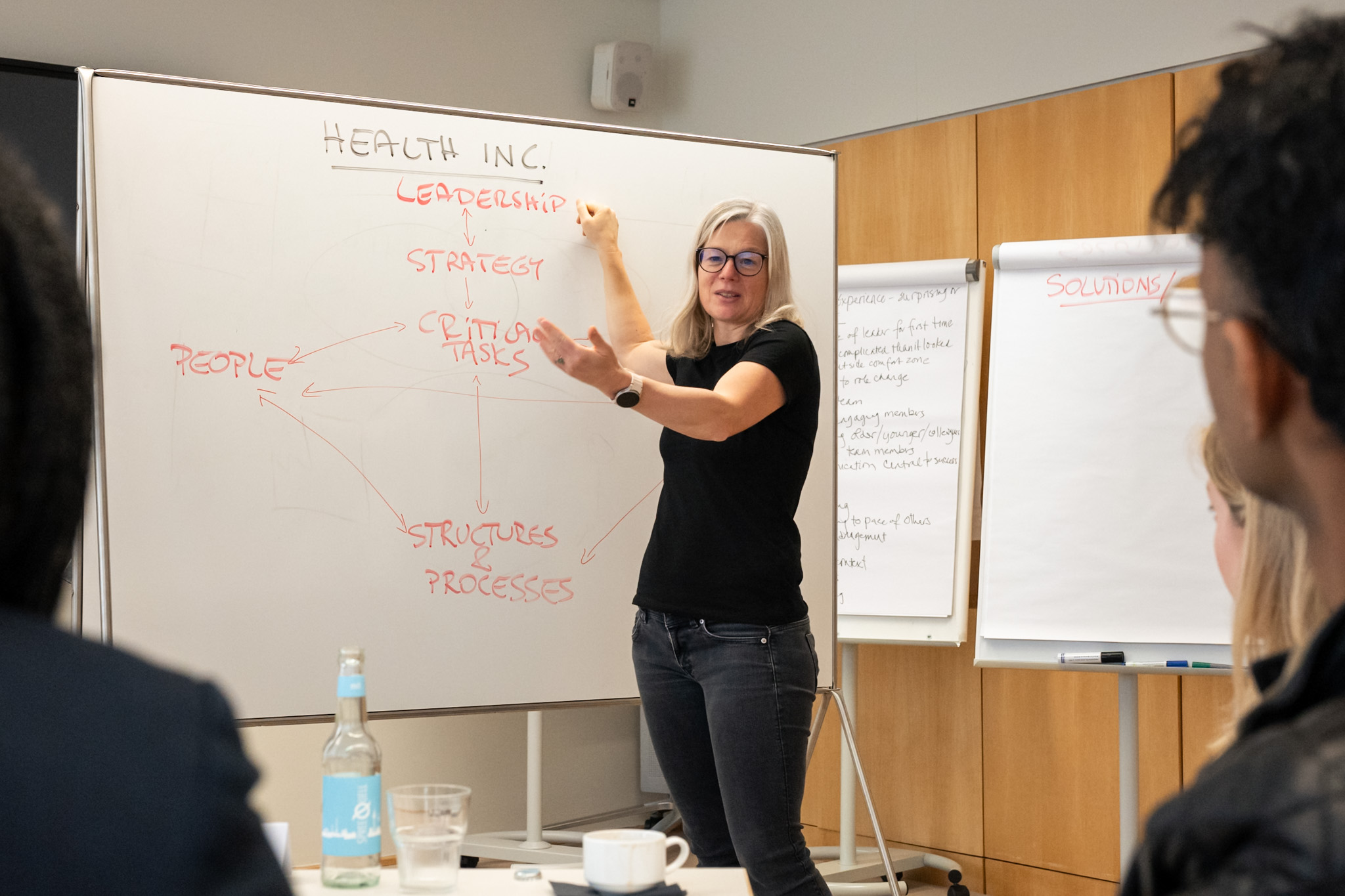
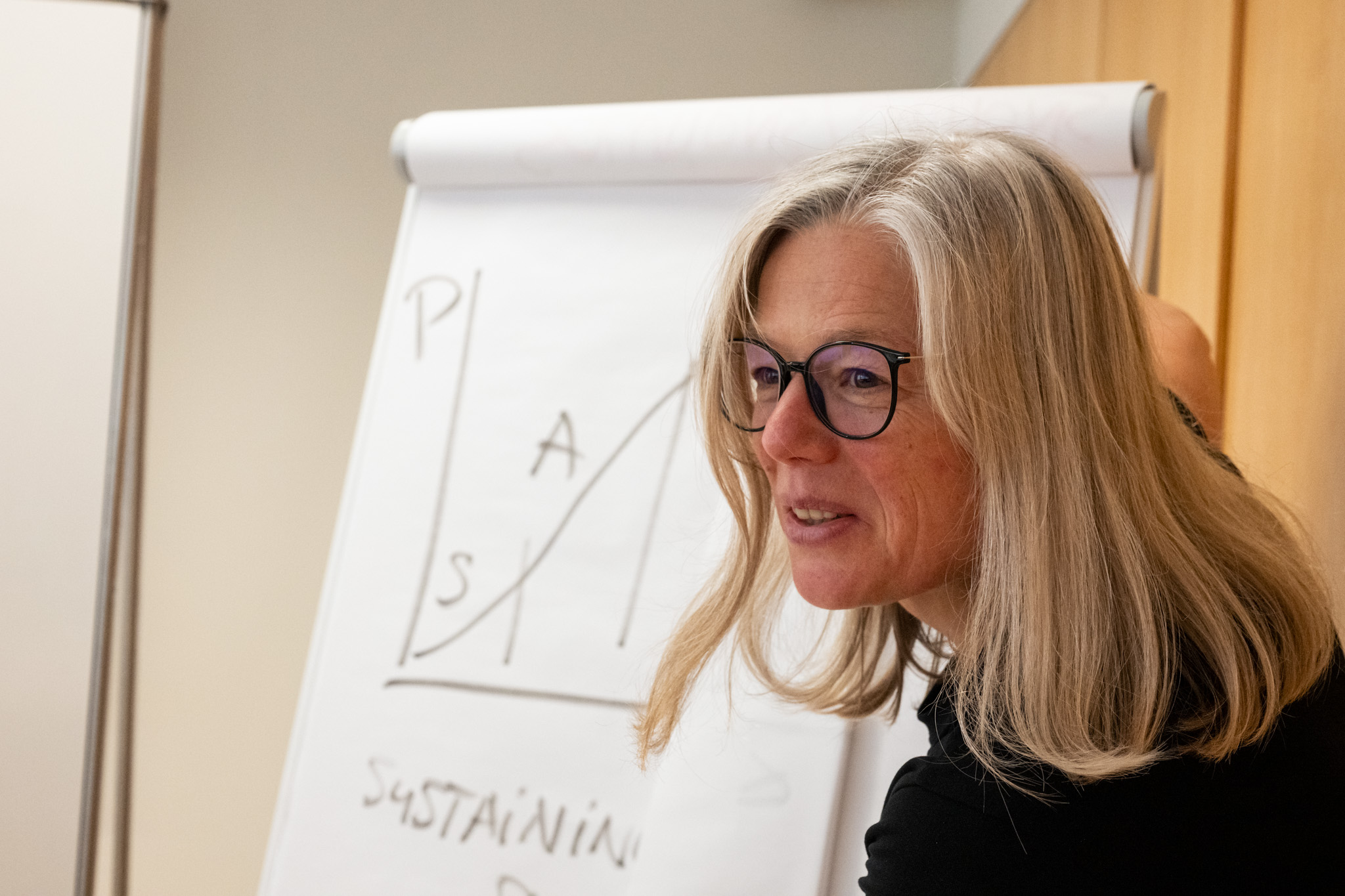
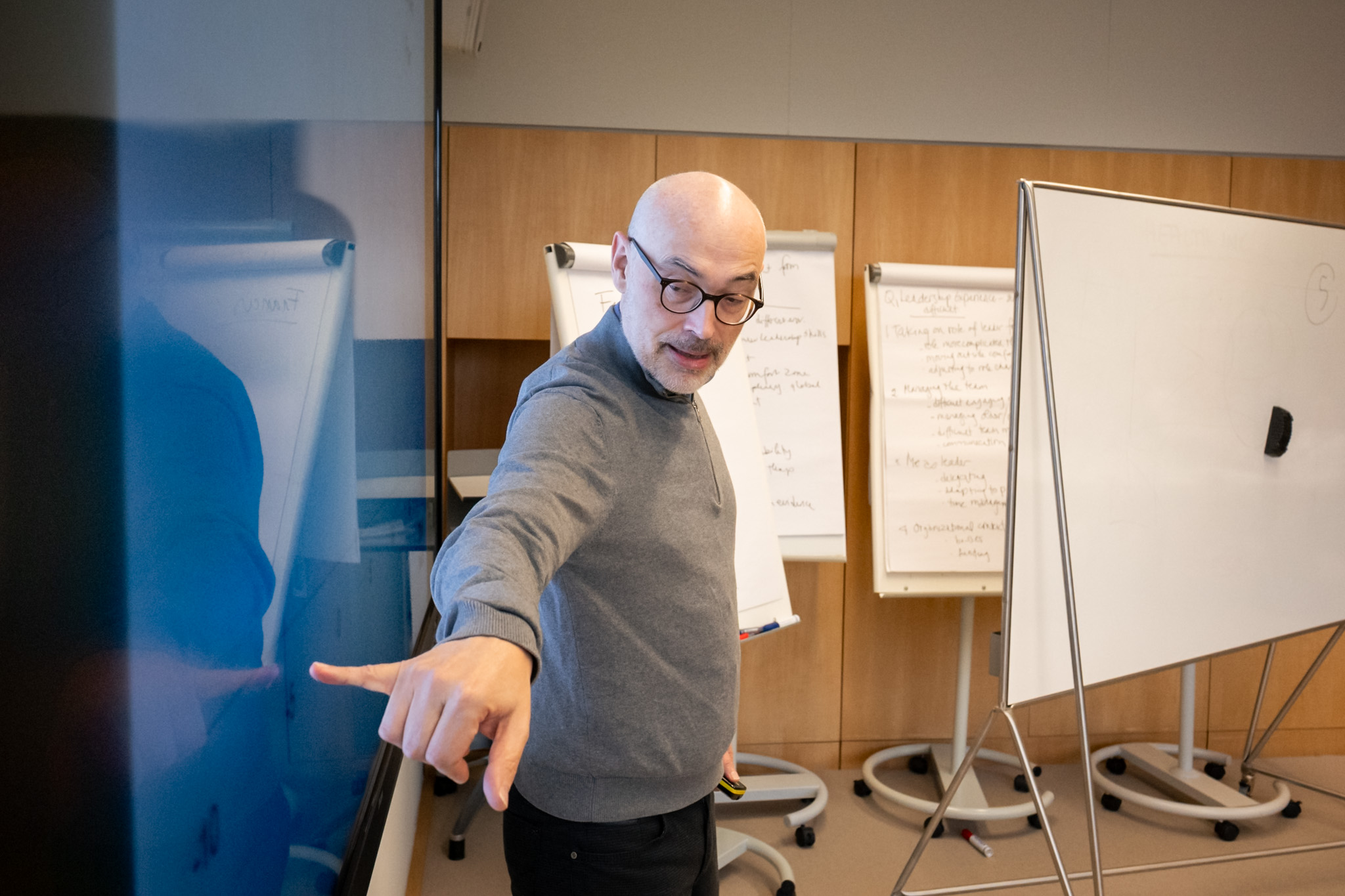
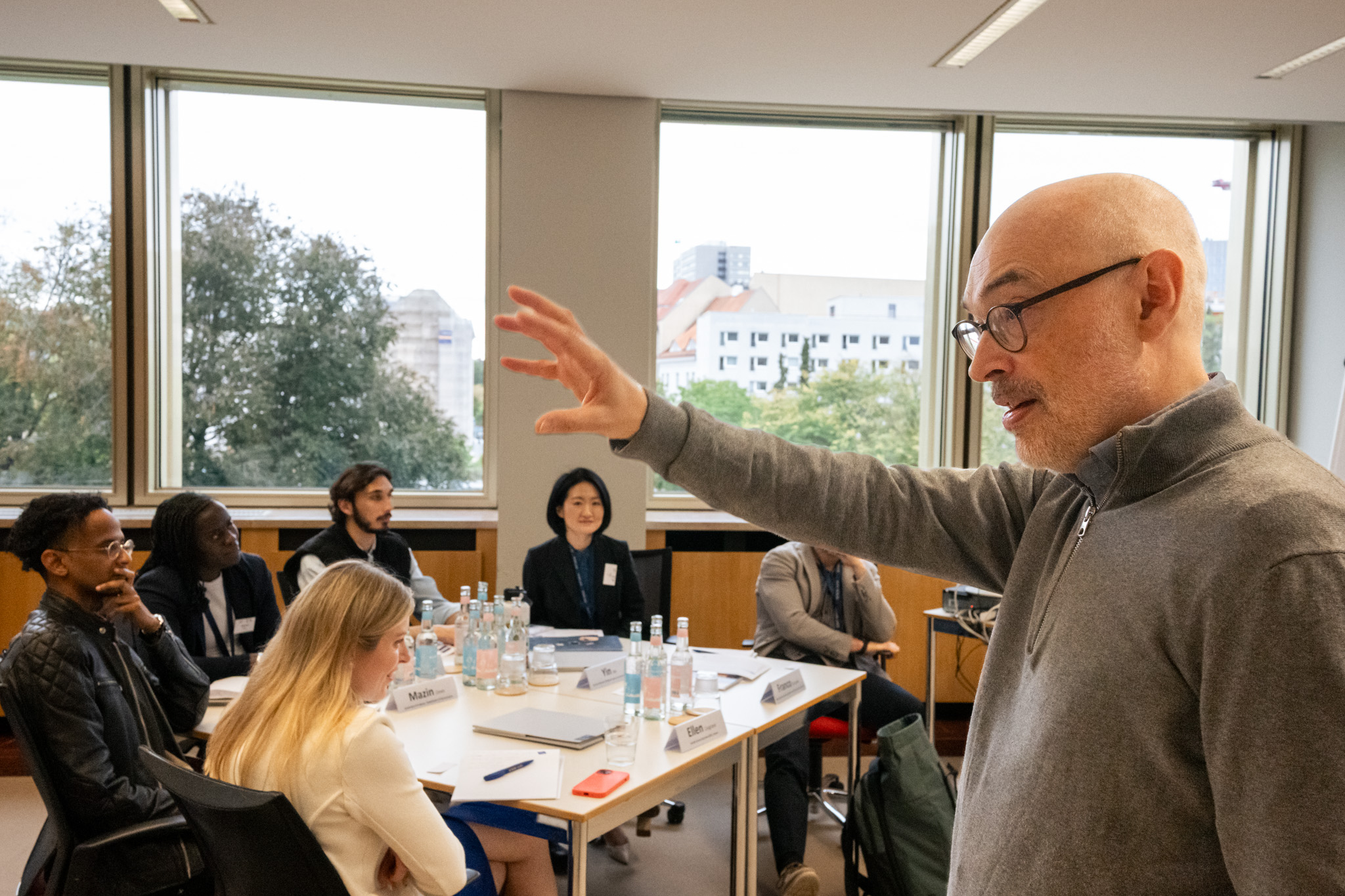
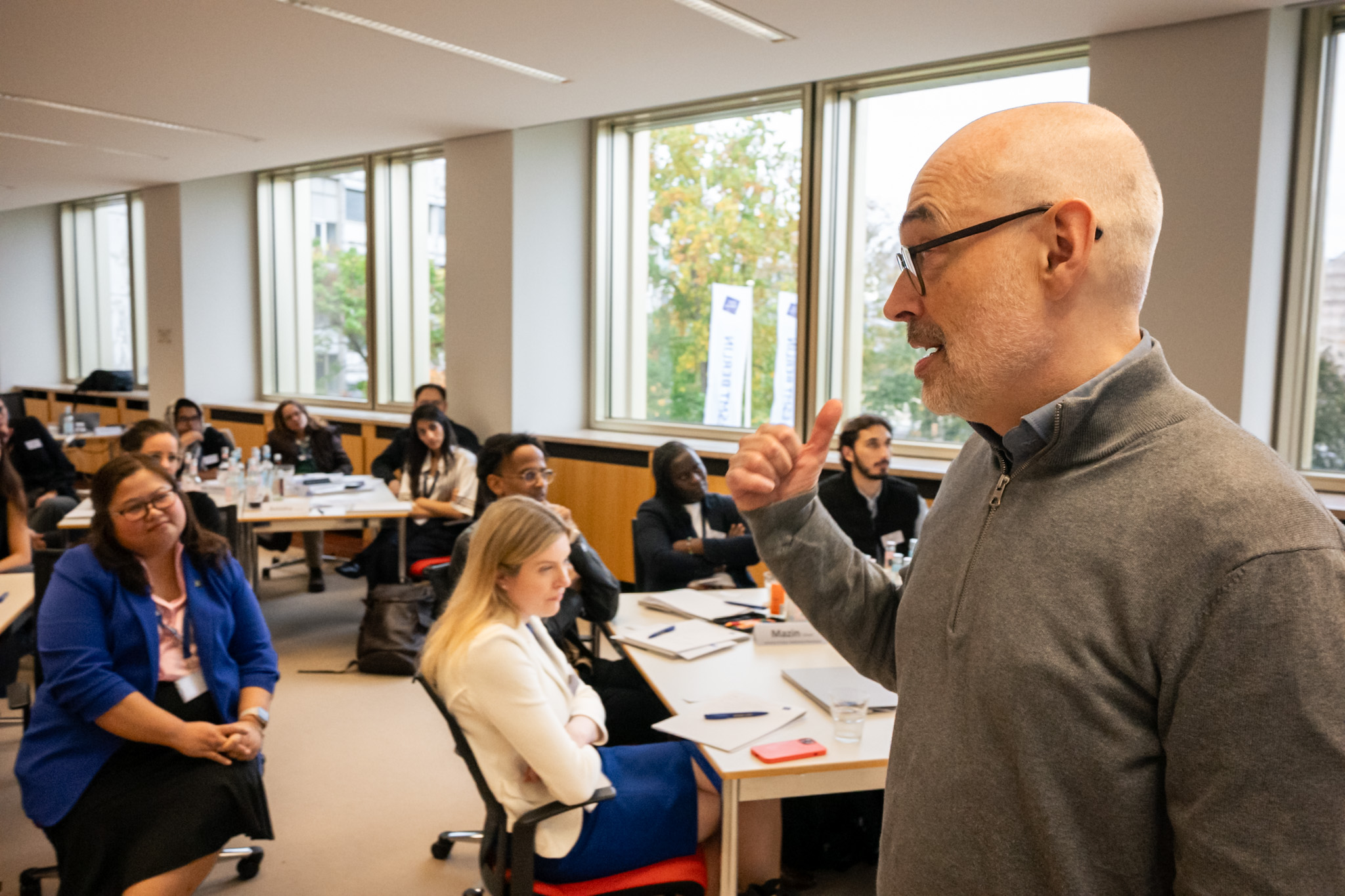
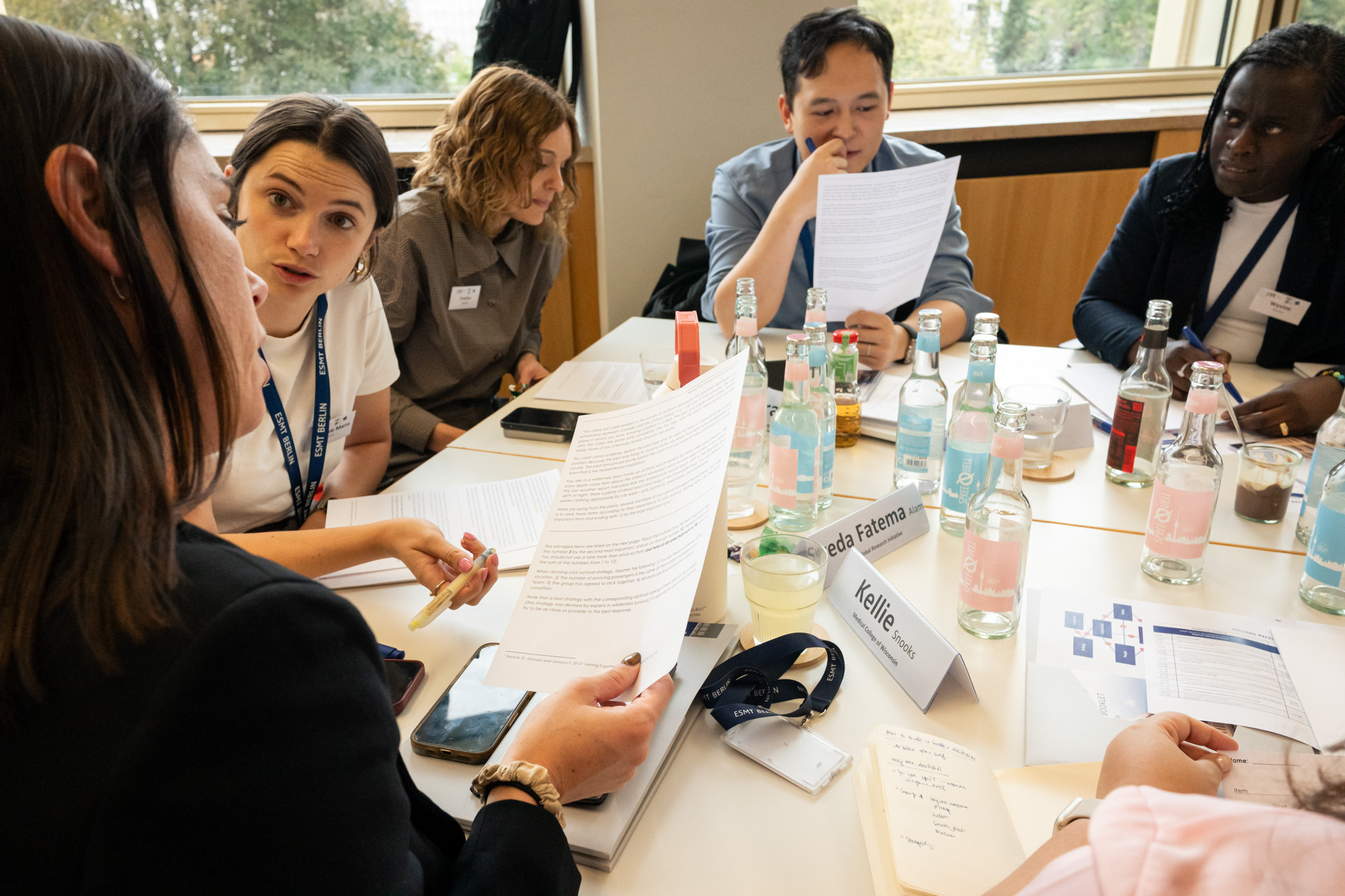
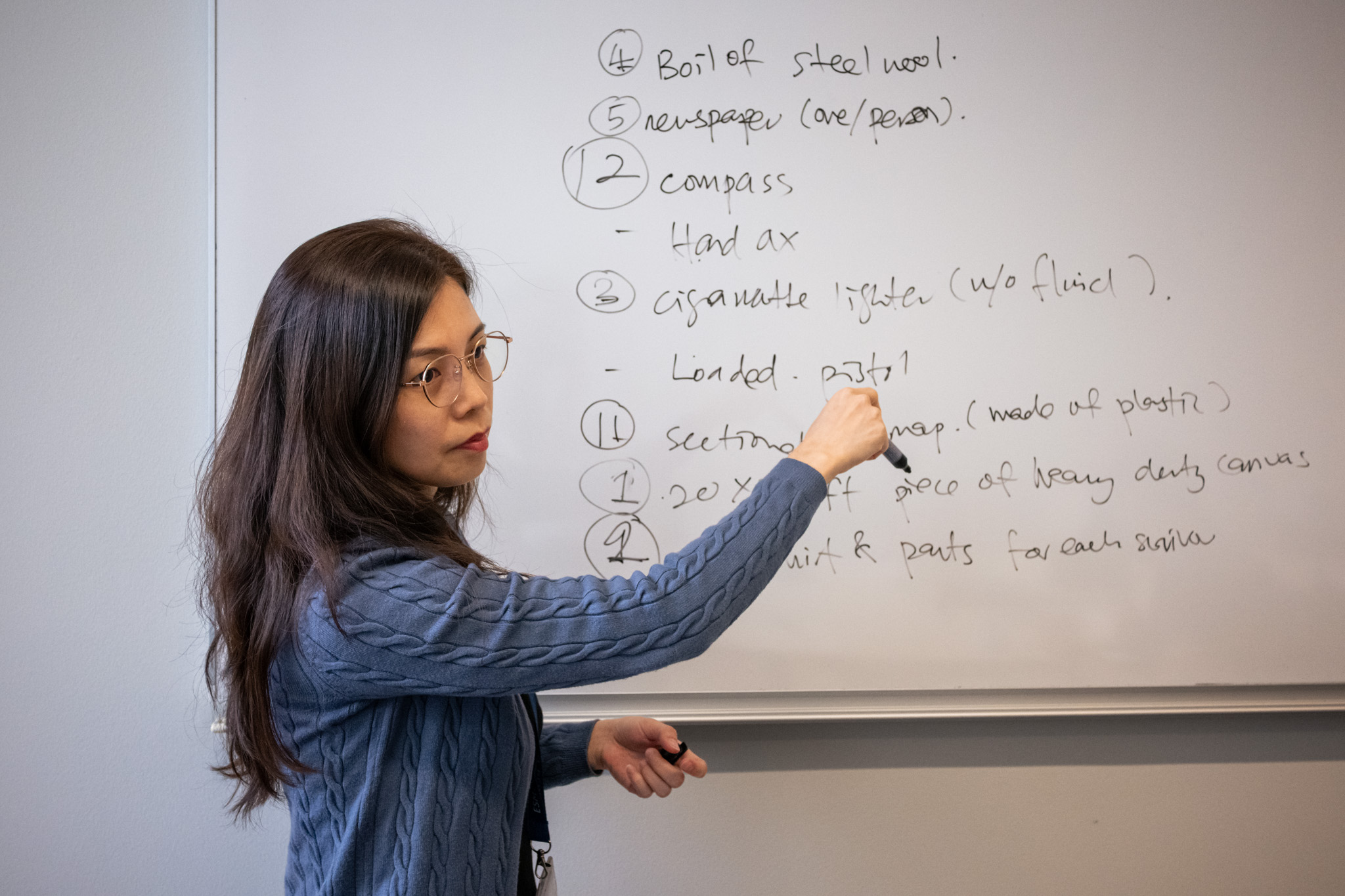
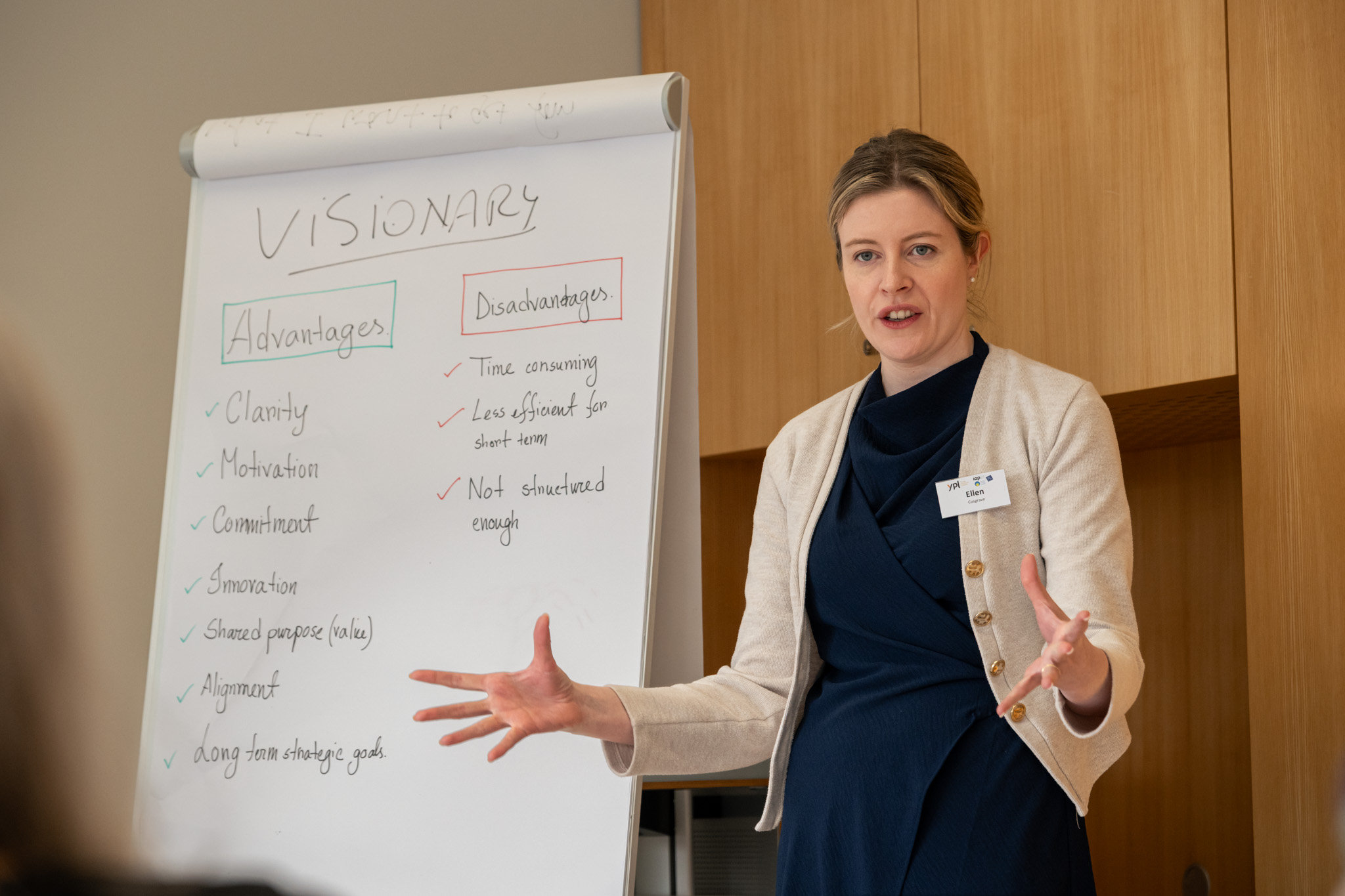
Nora Grasselli, lecturer in leadership at ESMT Berlin, then led a discussion of the “Robin Hood case”. Through the story of an organisation that outgrows its founding vision, participants explored the Congruence Model, which examines how strategy, people, structure and culture must fit together for an organisation to perform.
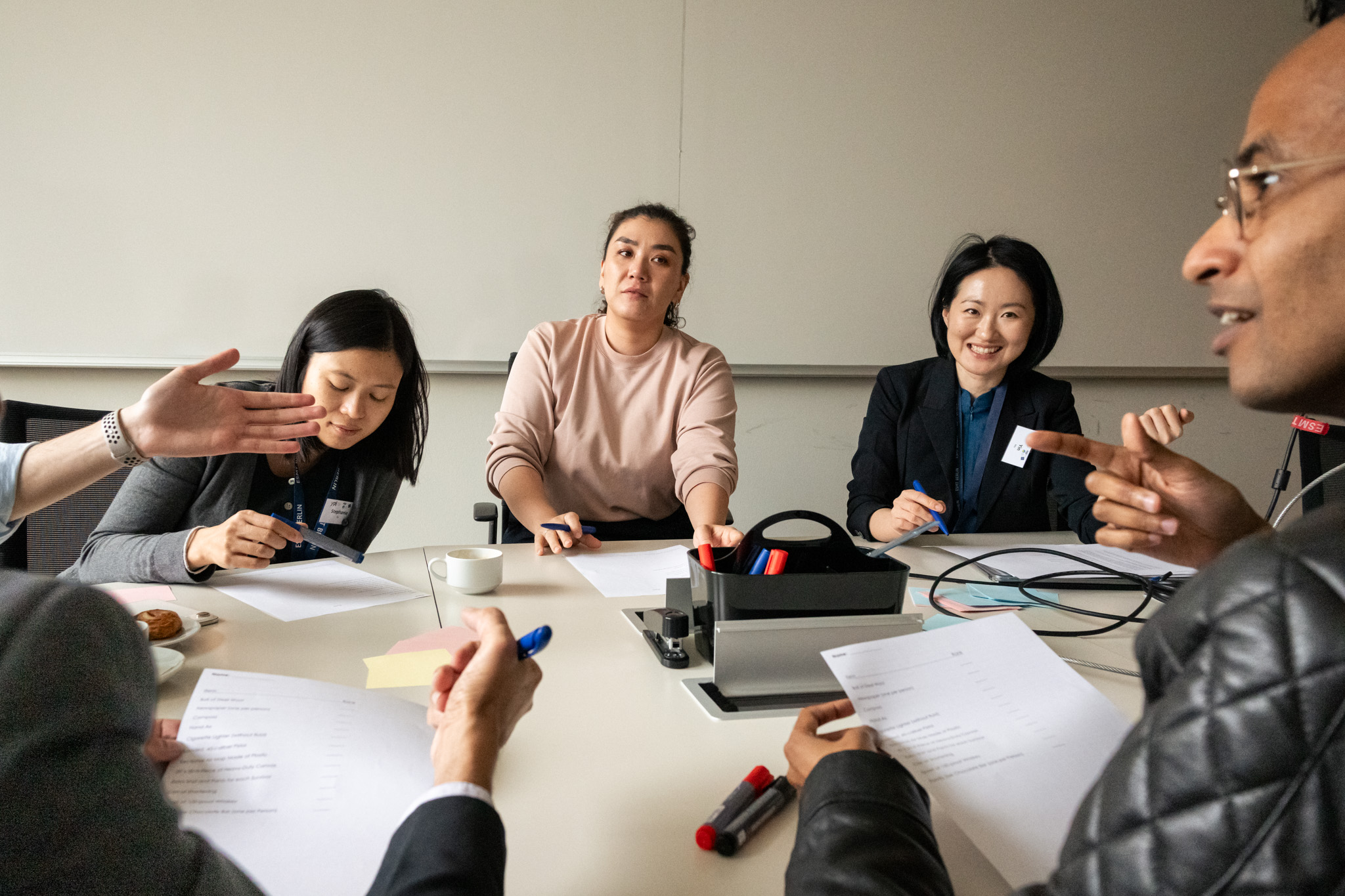
The afternoon focused on team decision-making with Francis de Véricourt. Drawing on surveys the participants had completed in advance, the sessions examined how teams make decisions under uncertainty, and how biases and group dynamics can lead even experienced professionals astray.
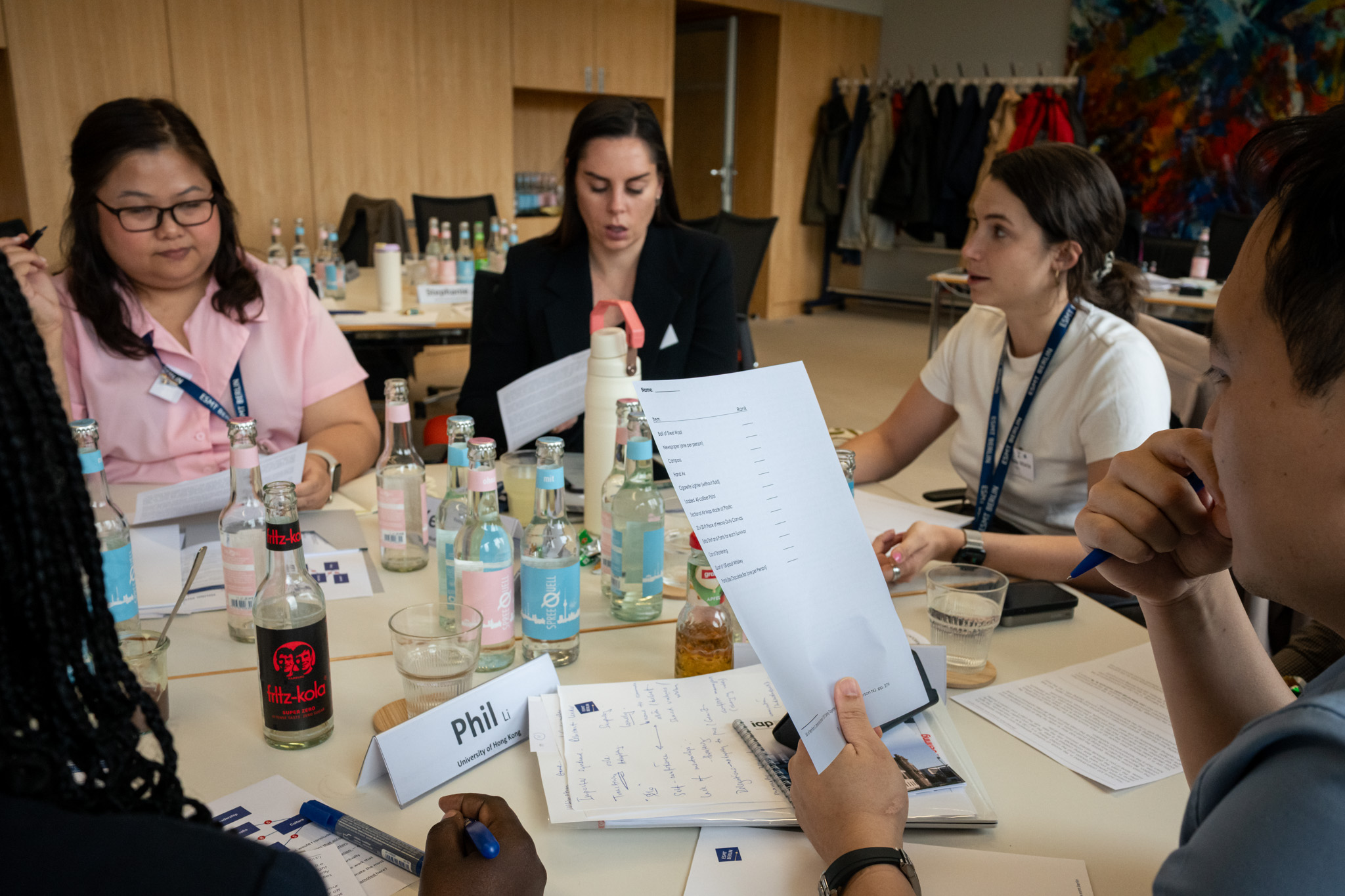
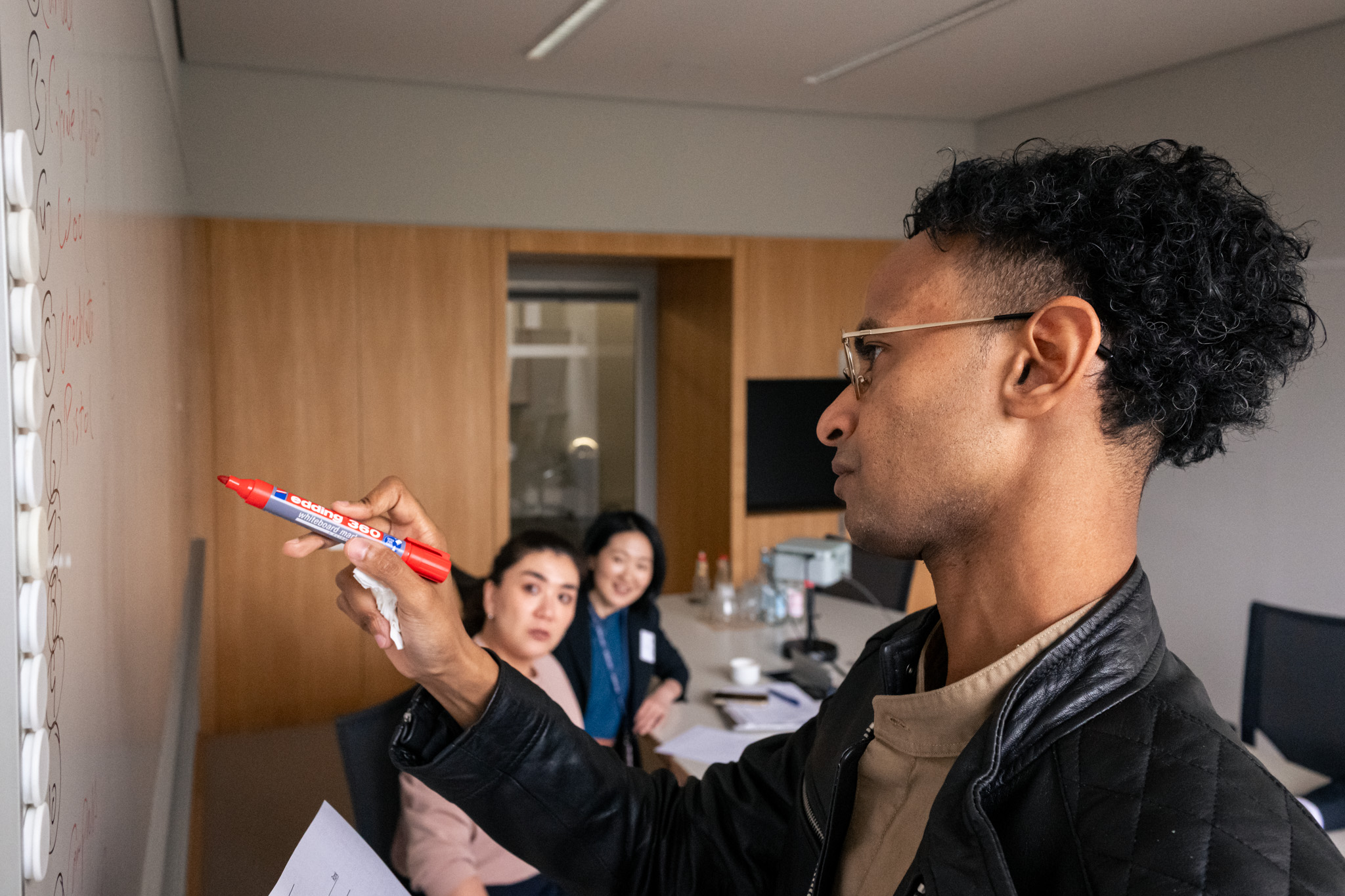
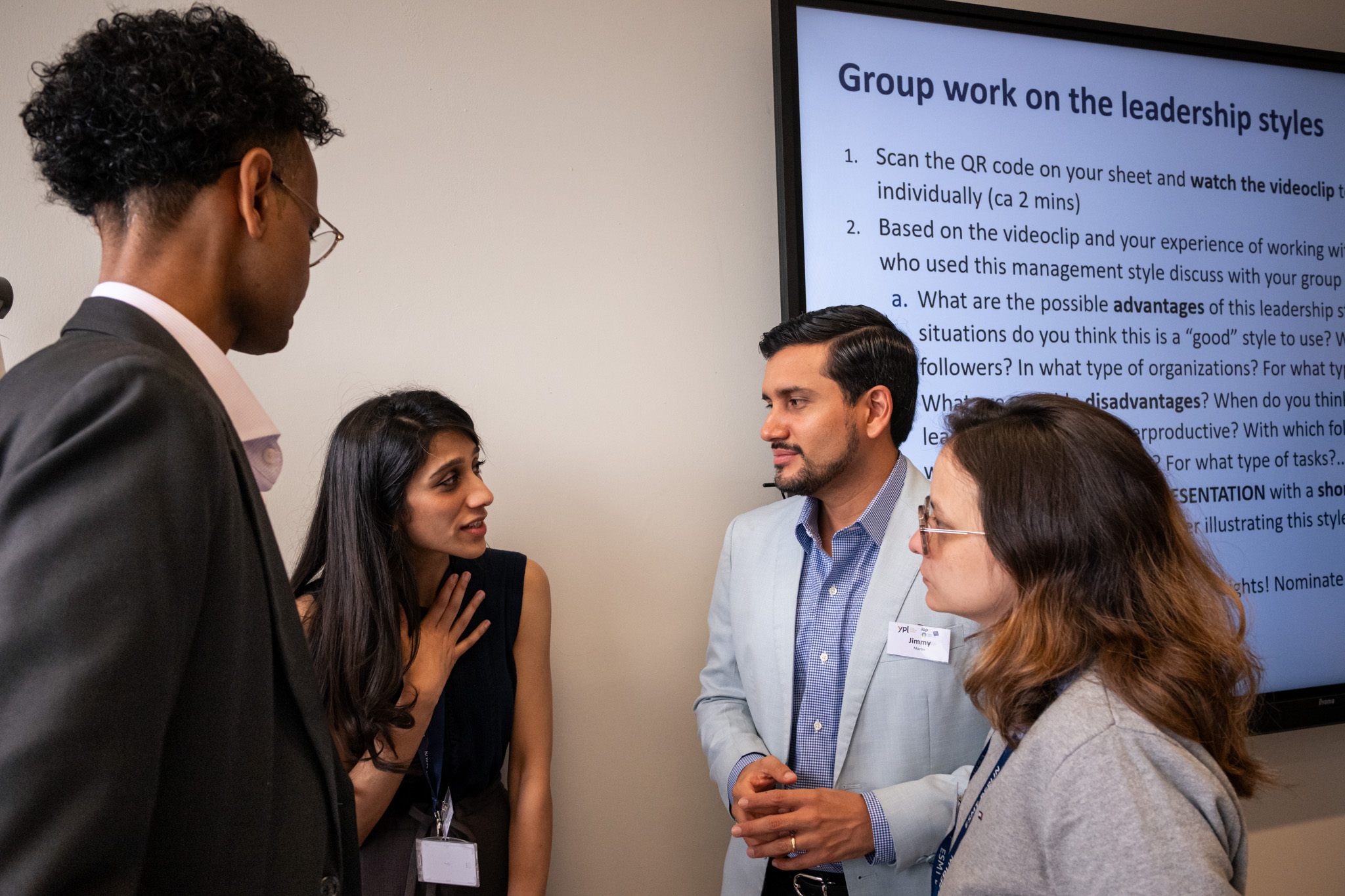
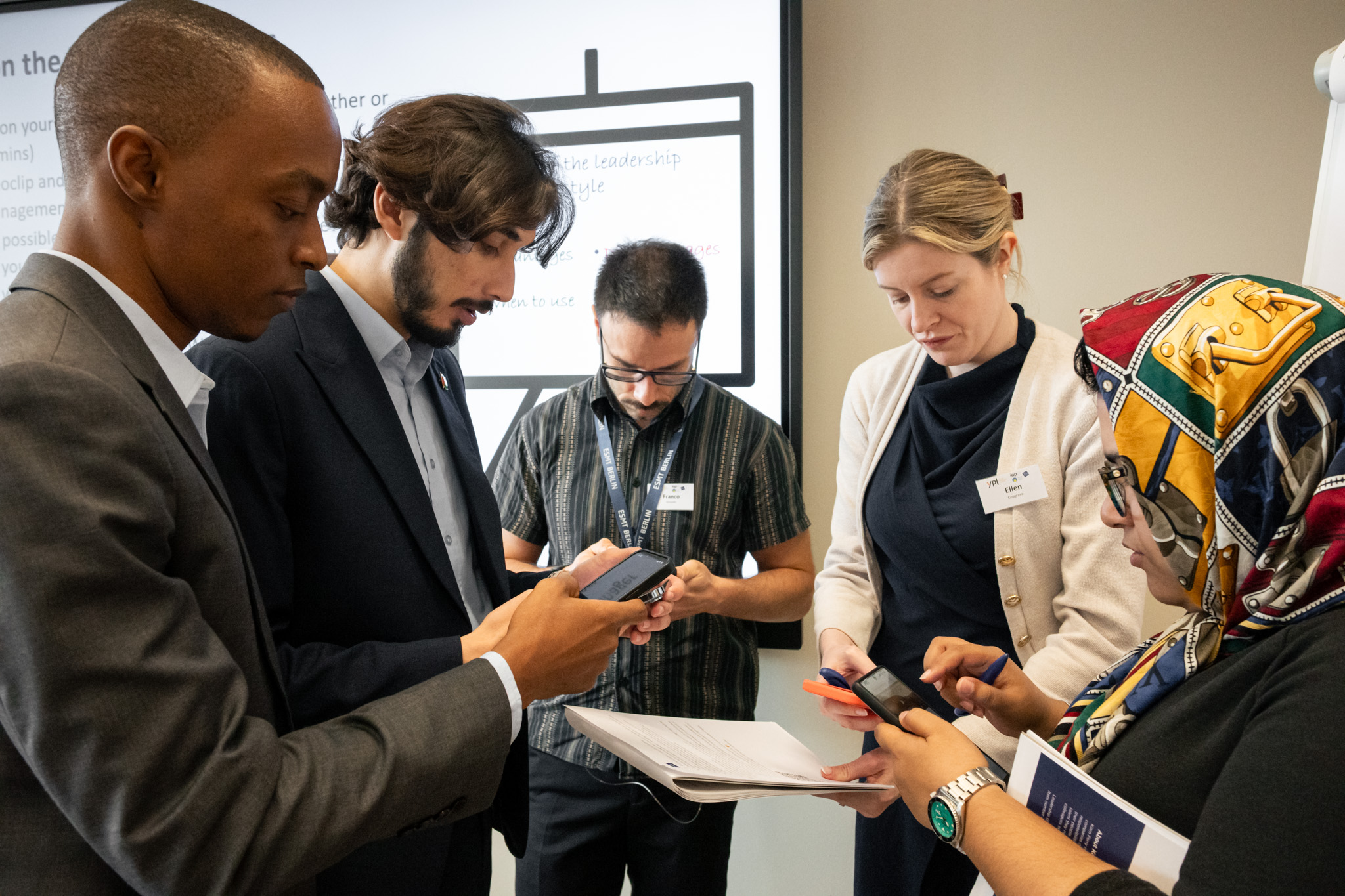
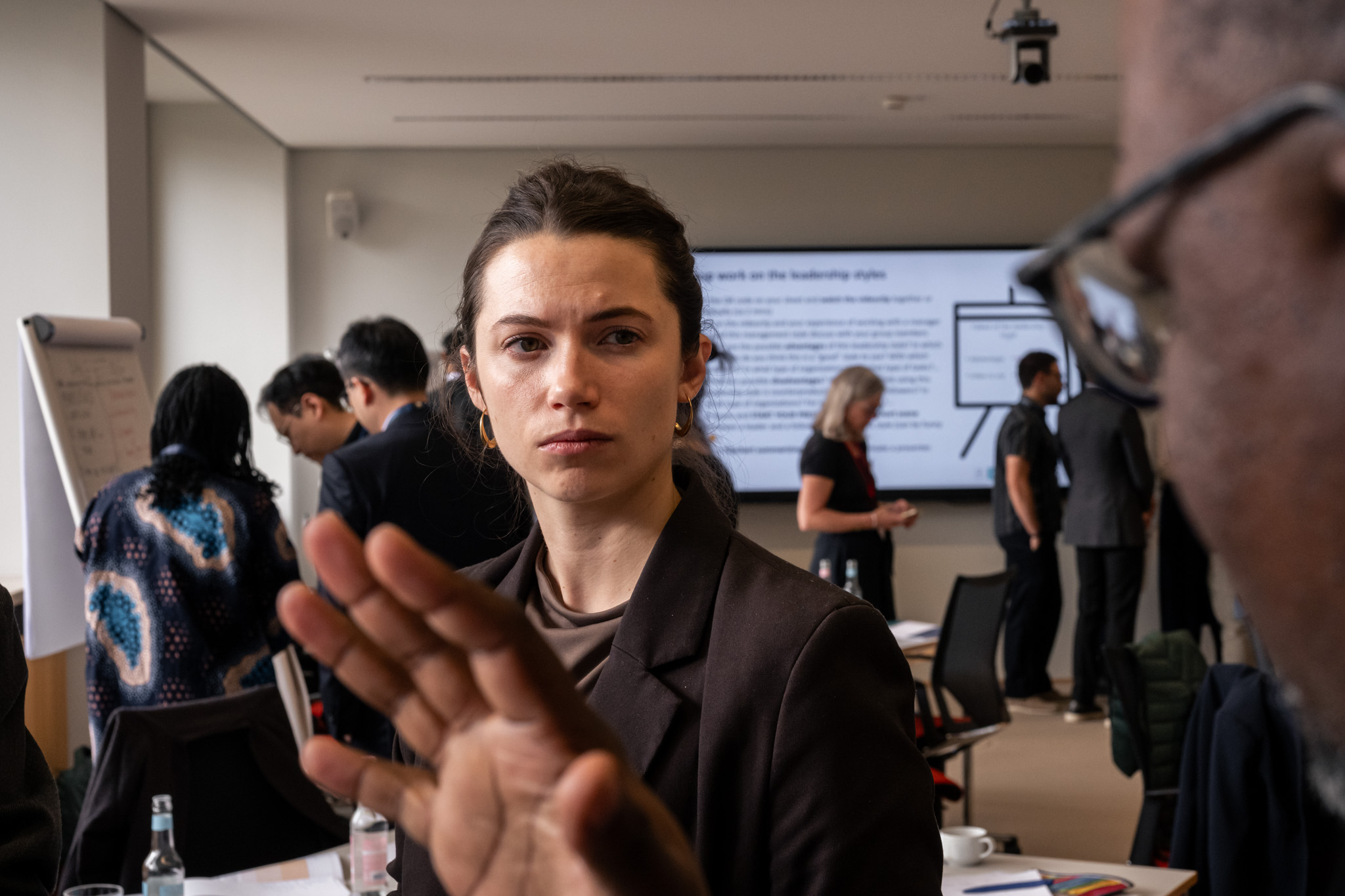
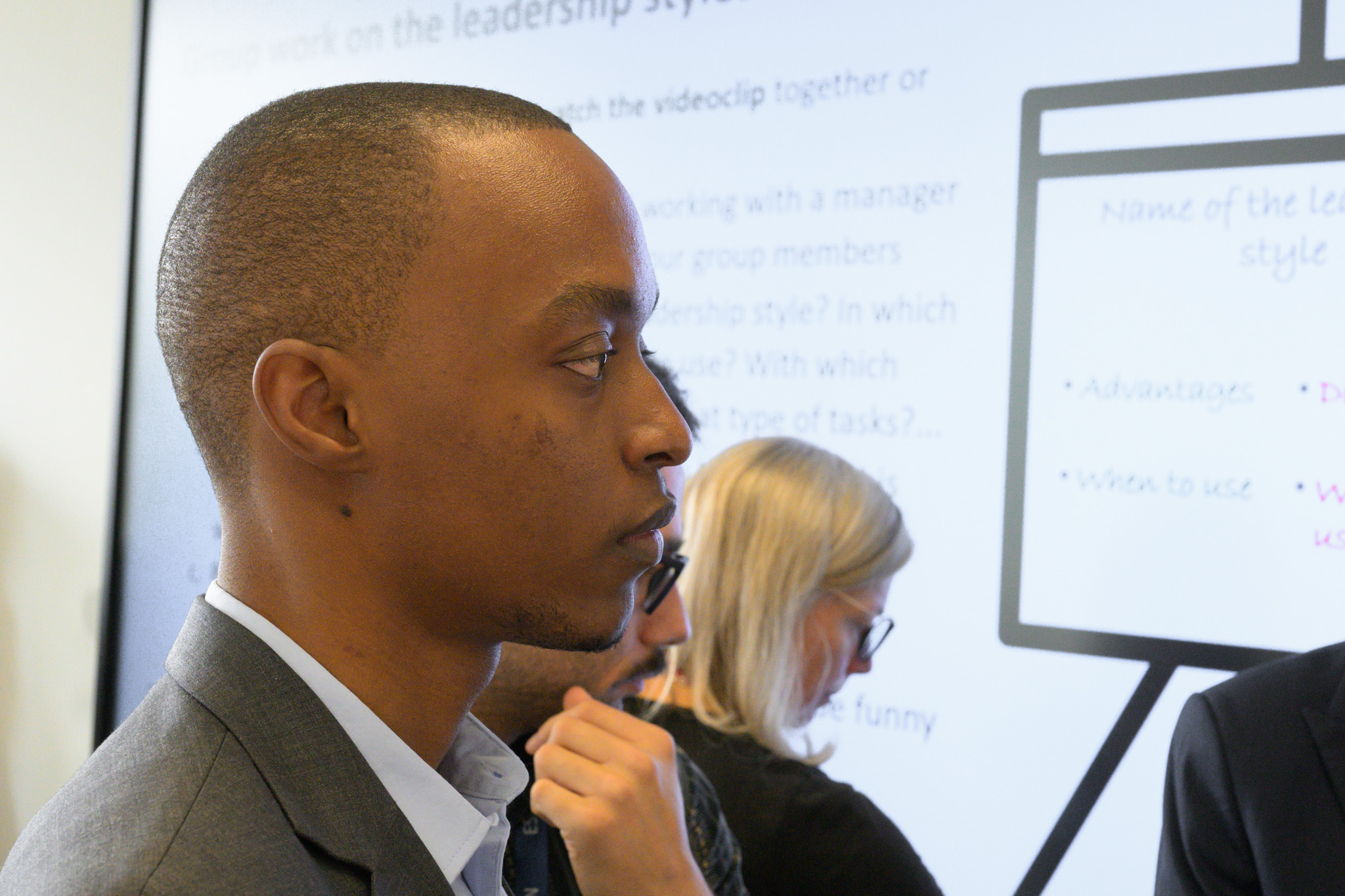
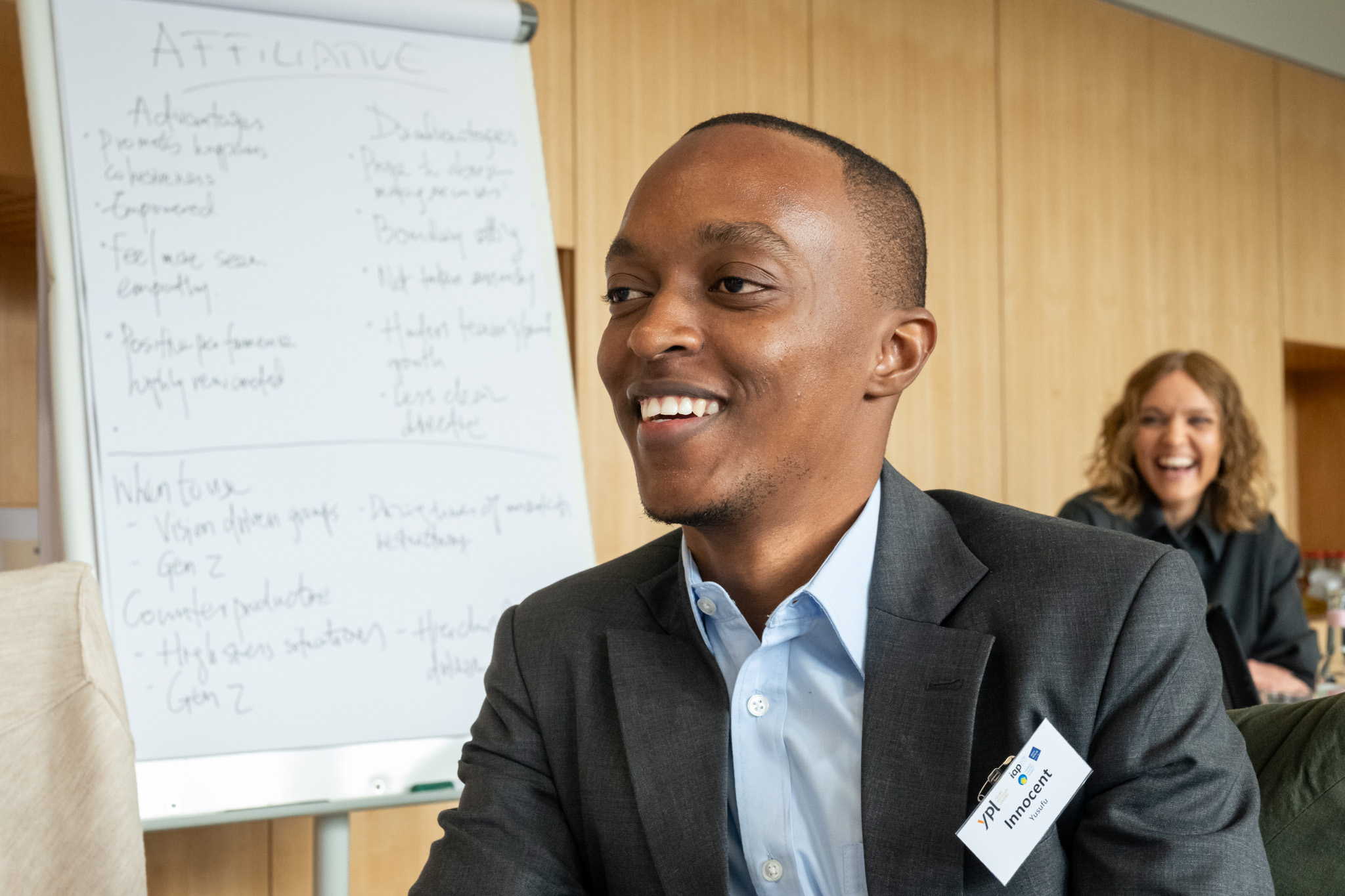
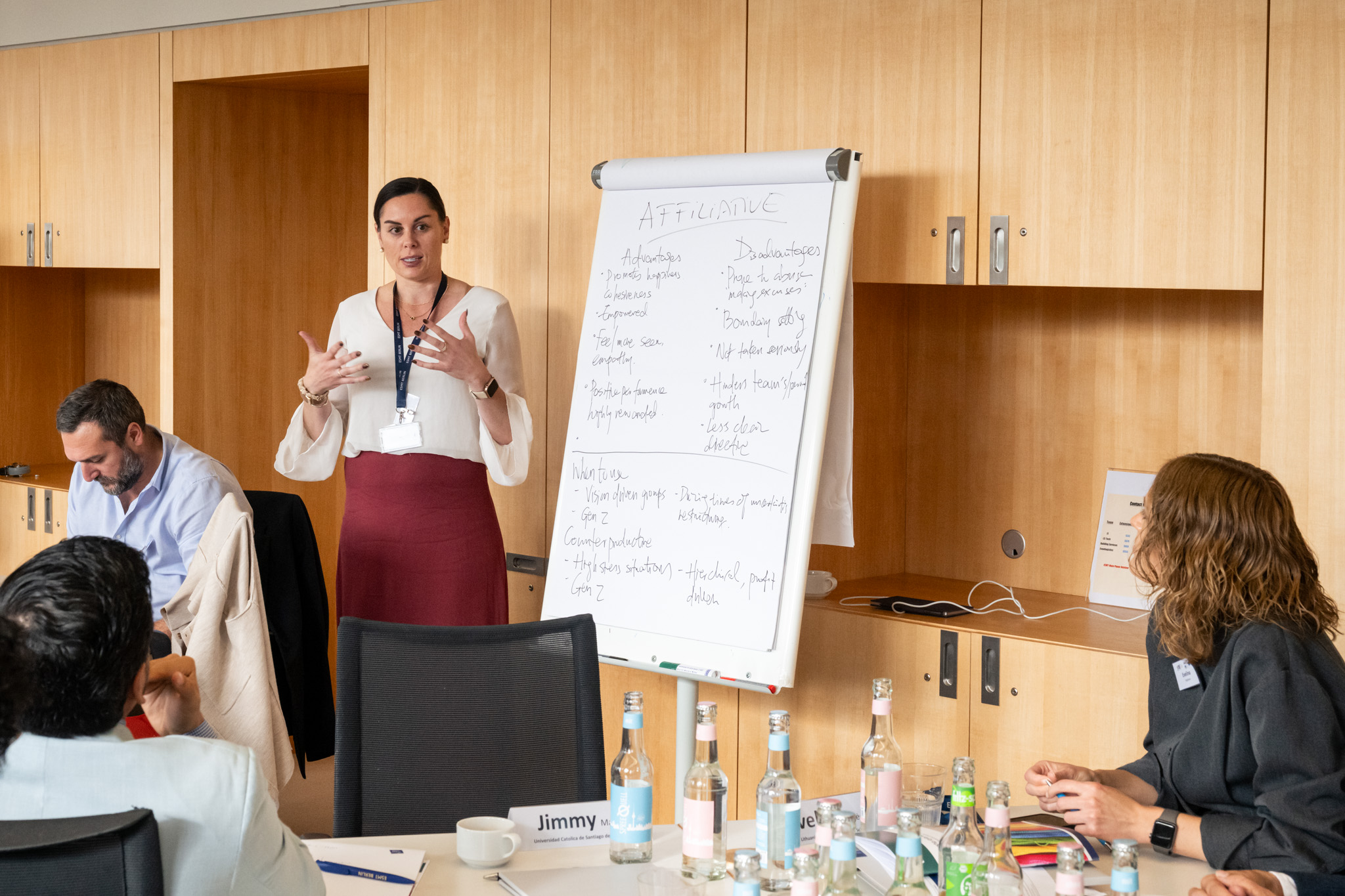
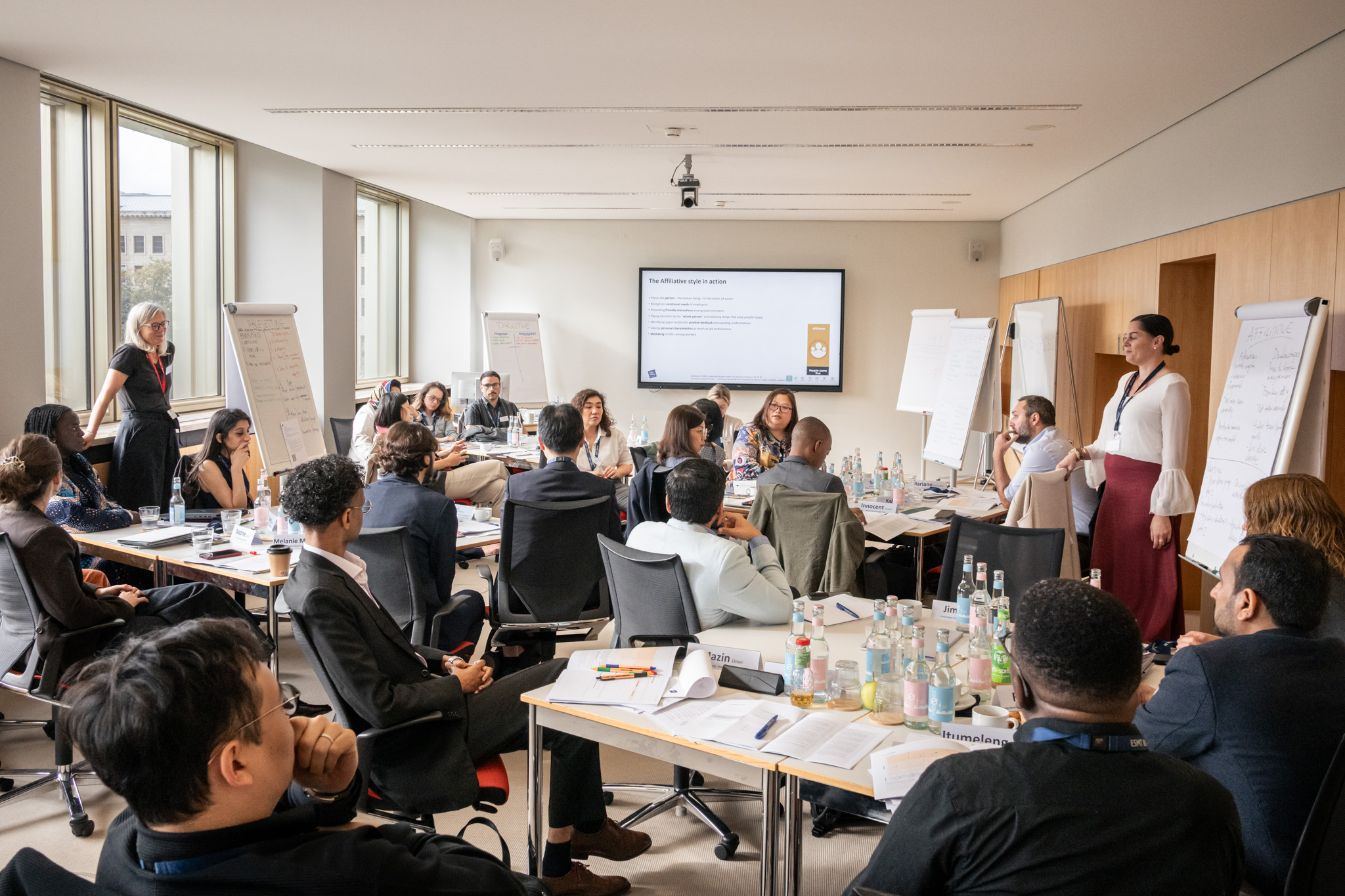
Saturday 10 October began with a morning reflection on the lessons of the first day. Grasselli then guided participants through a leadership styles questionnaire, helping each of them diagnose their default approach and explore how to broaden their range.
“The YPL programme encourages participants to reflect on their transition into leadership,” said Grasselli. “As their roles expand beyond clinical work, they begin leading others and creating positive impact within their local health systems. Taking on these organizational and people-leadership responsibilities also involves a shift in professional identity,” she added.
A session on collaboration through conflict followed. Using a conflict-handling assessment, participants examined how they respond when interests clash, and when competing, accommodating or collaborating serves a team best.
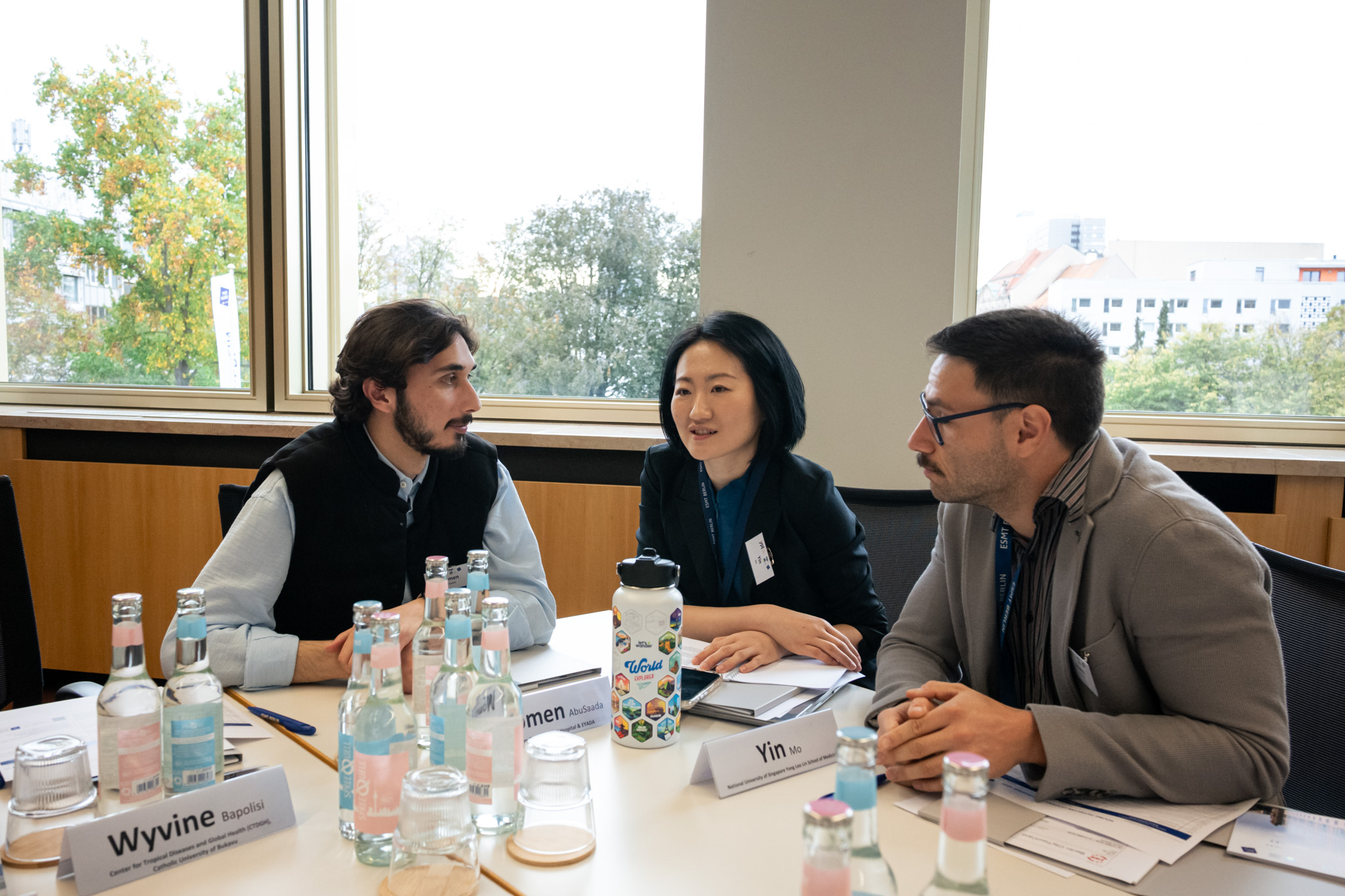
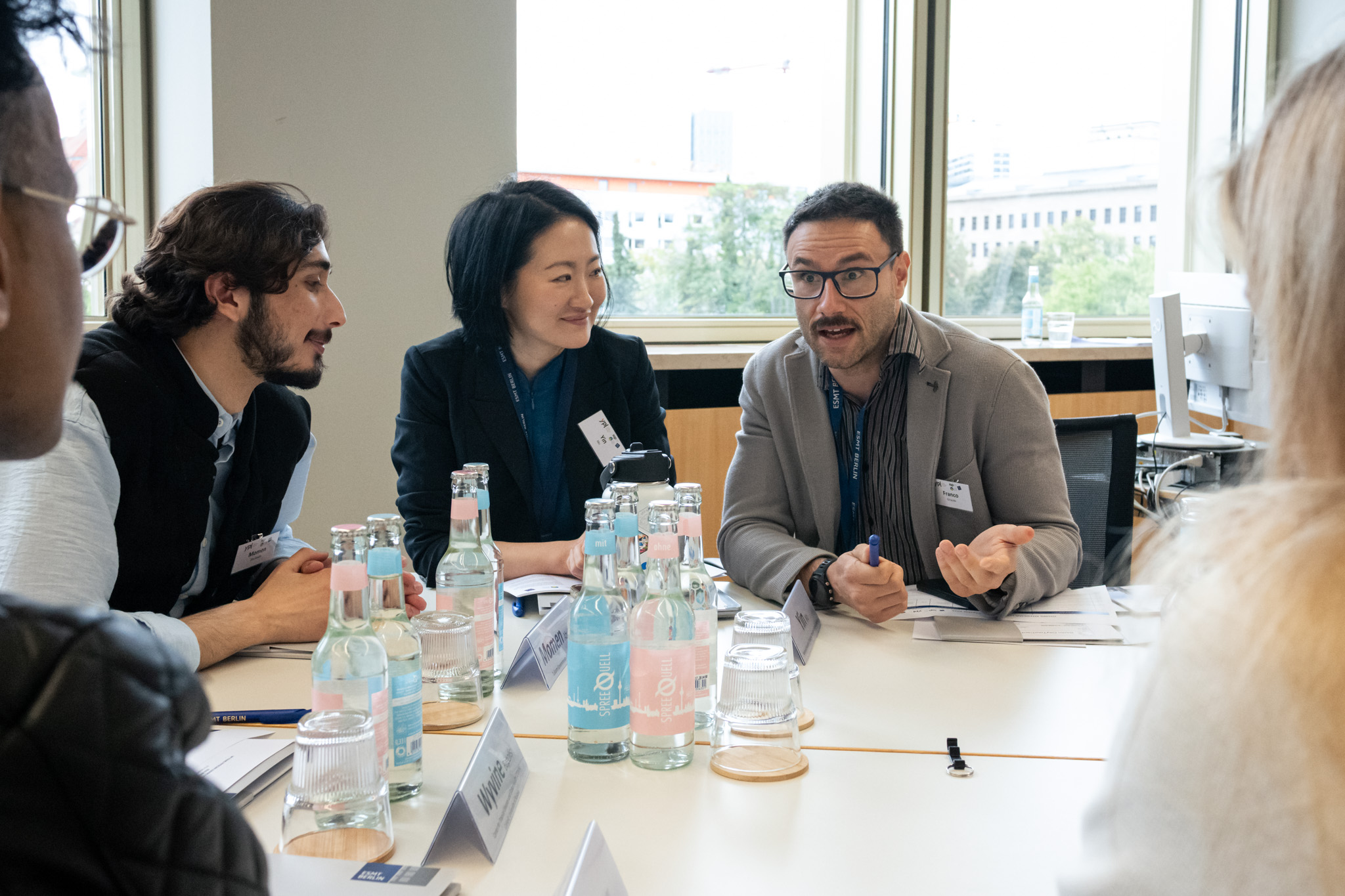
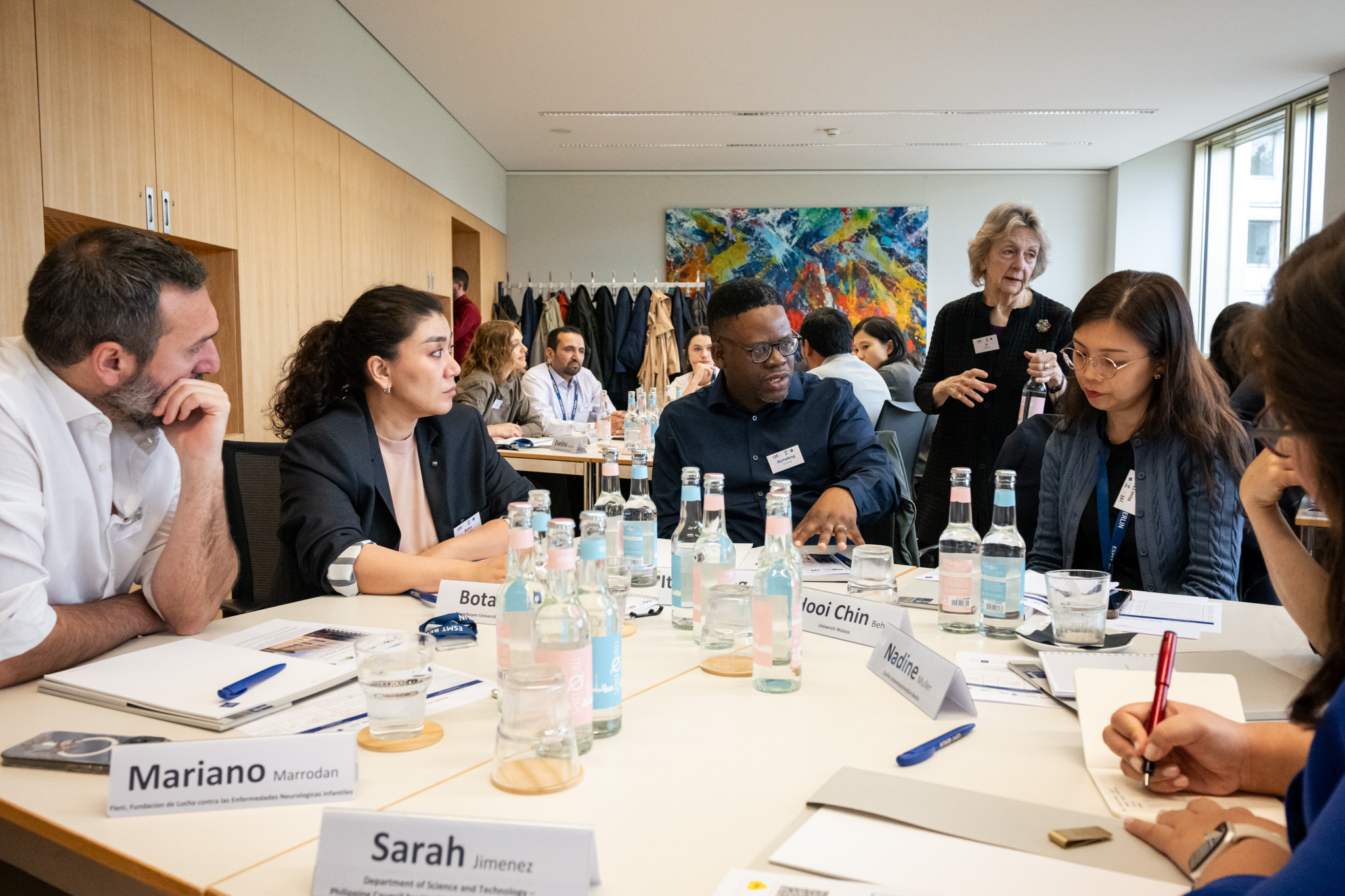
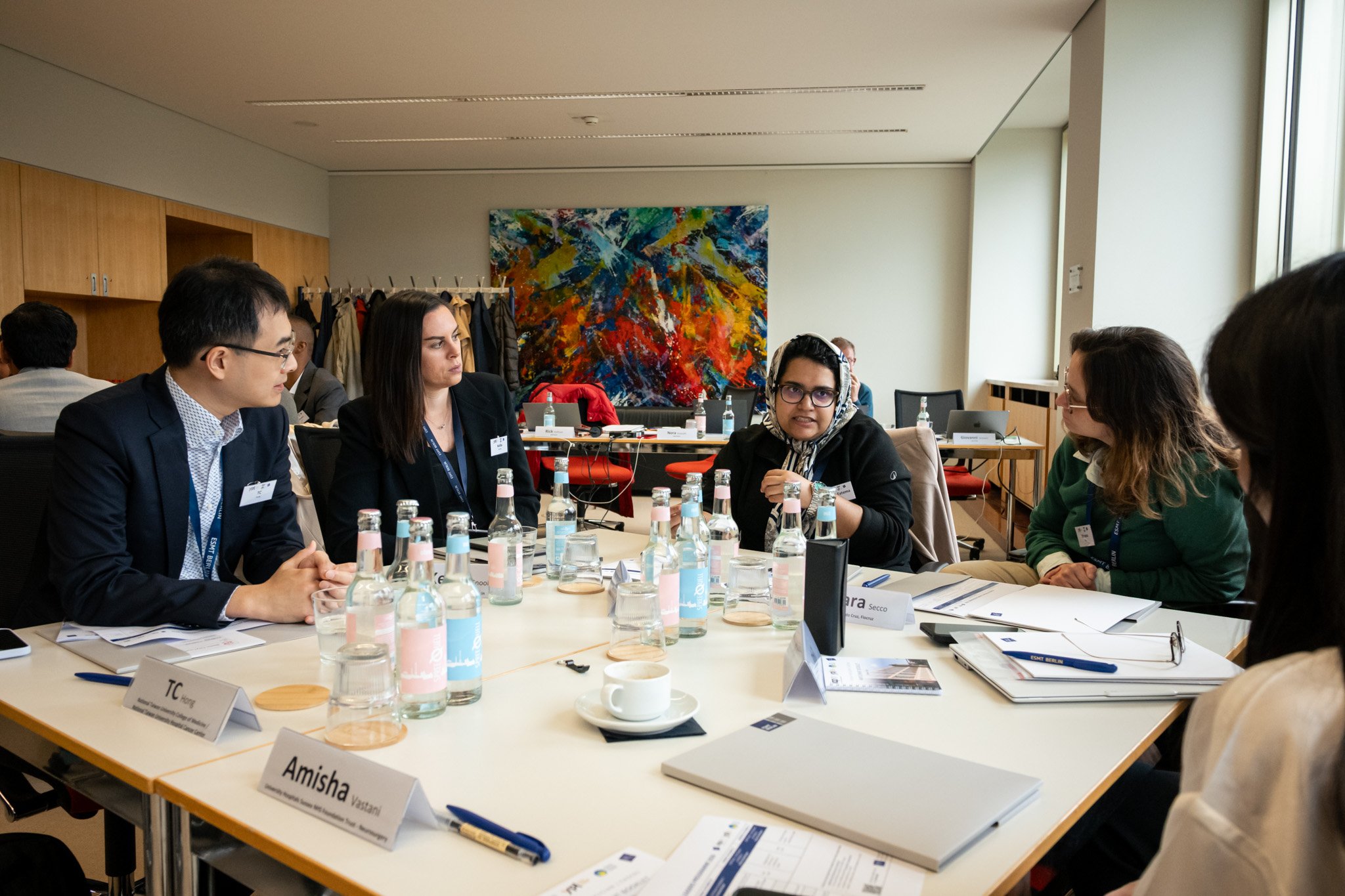
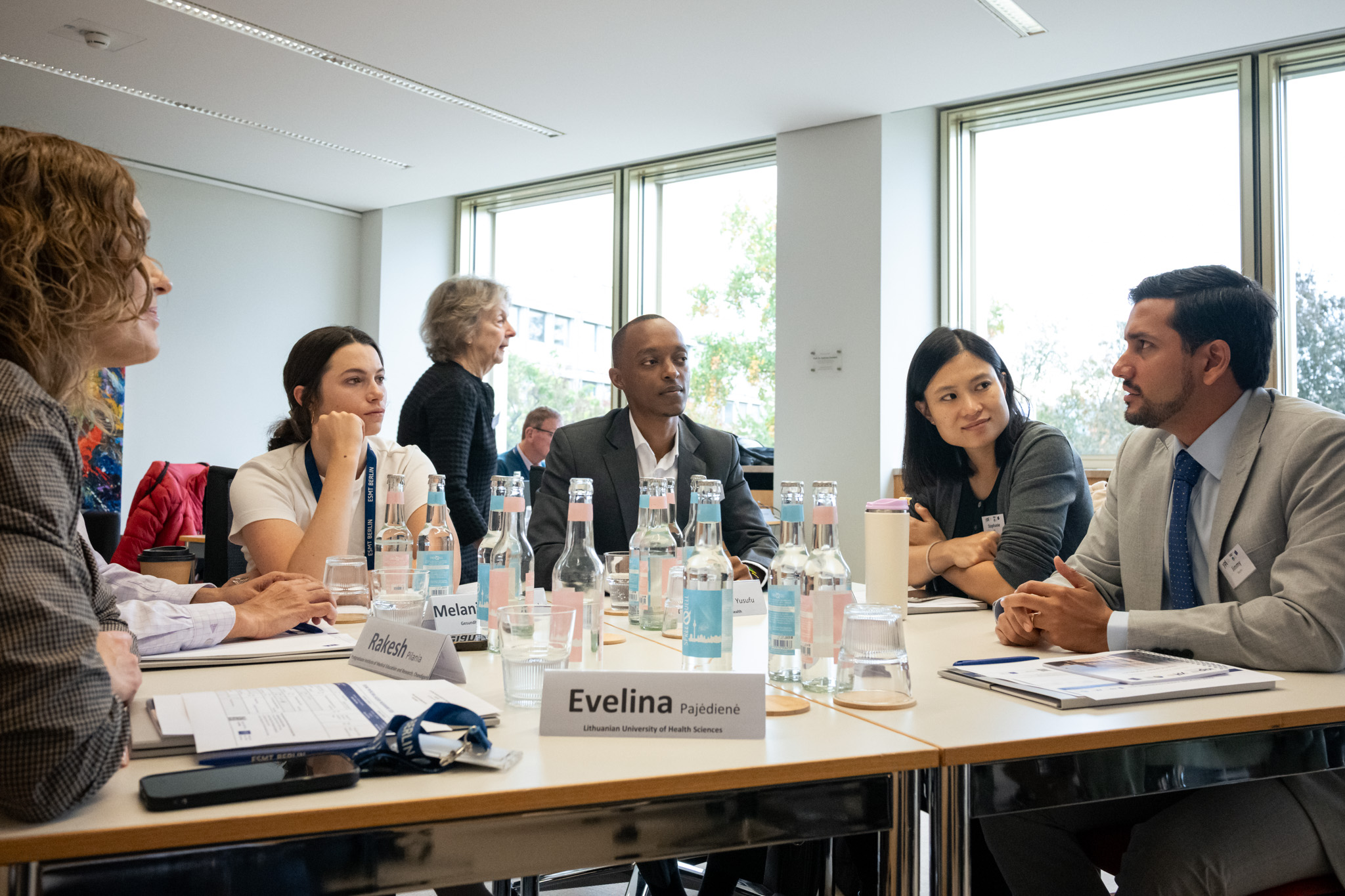
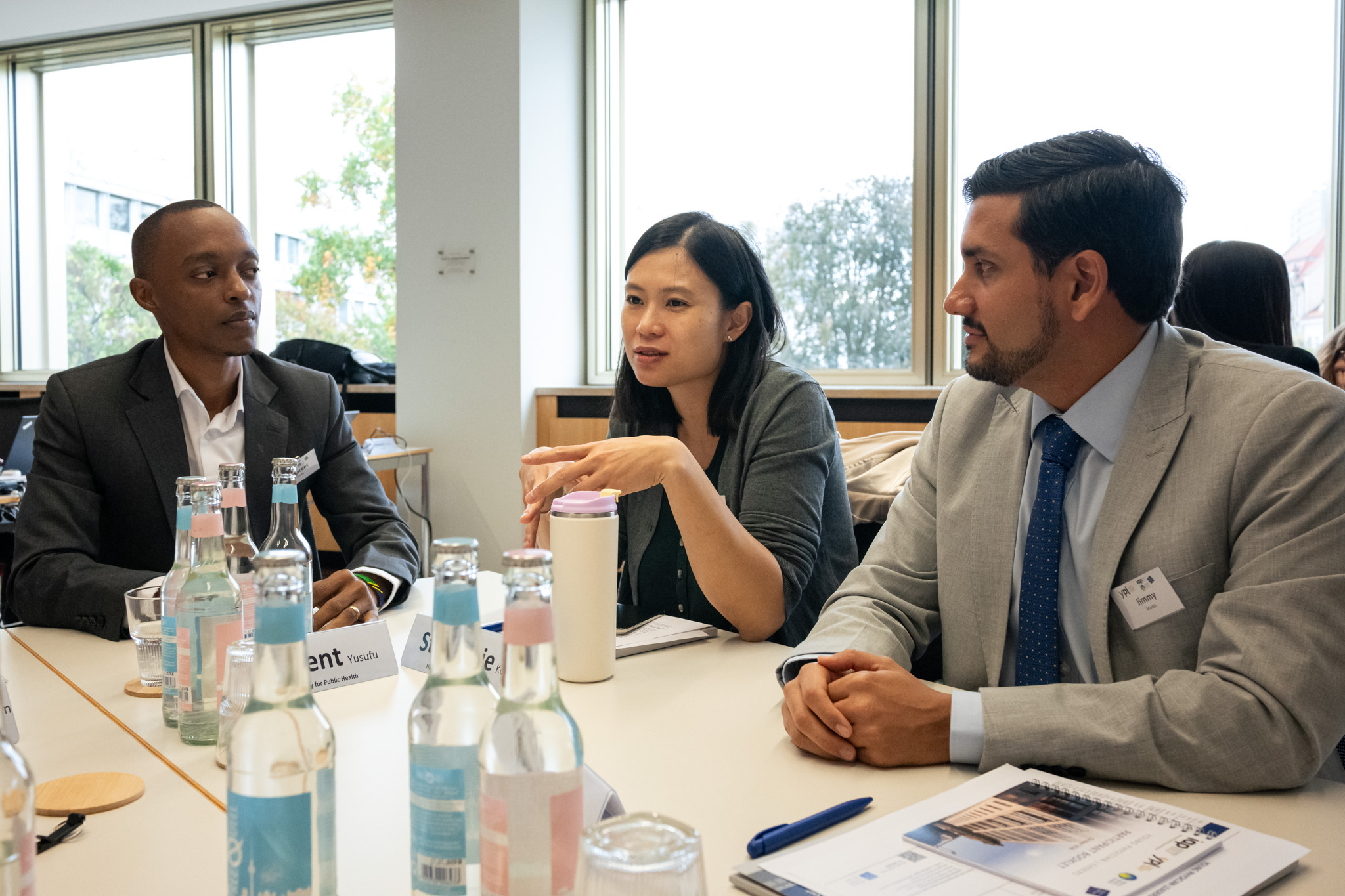
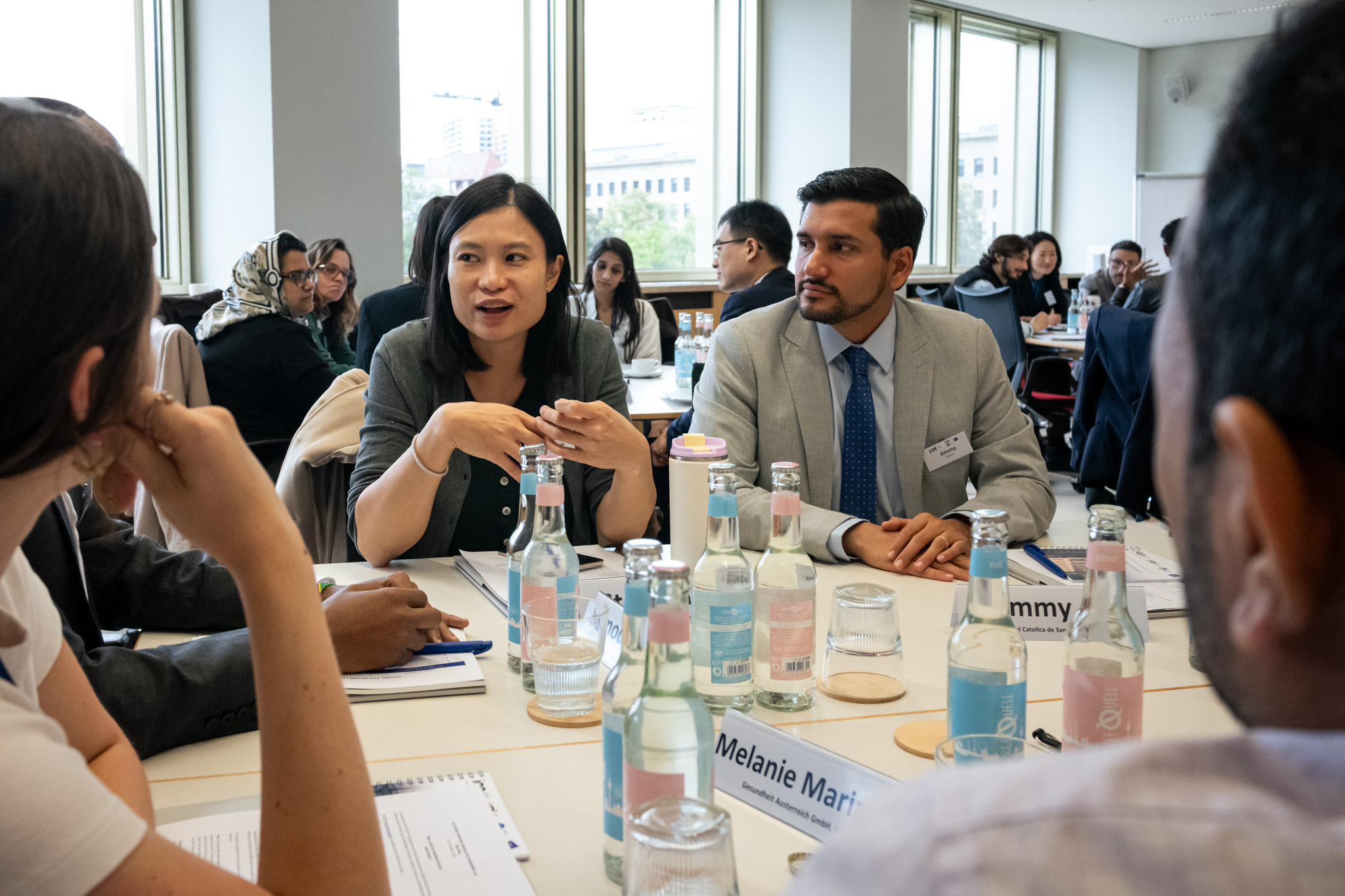
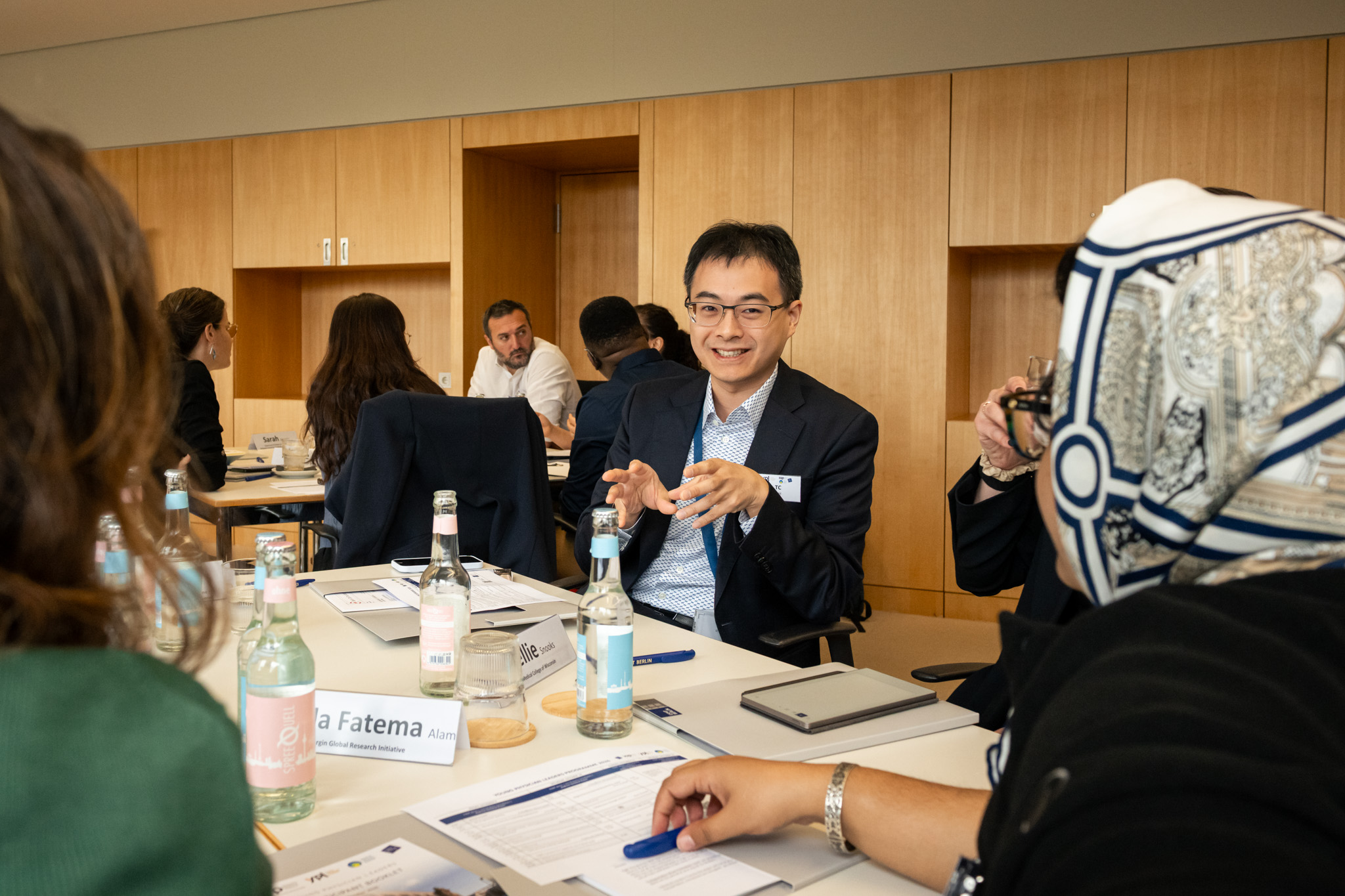
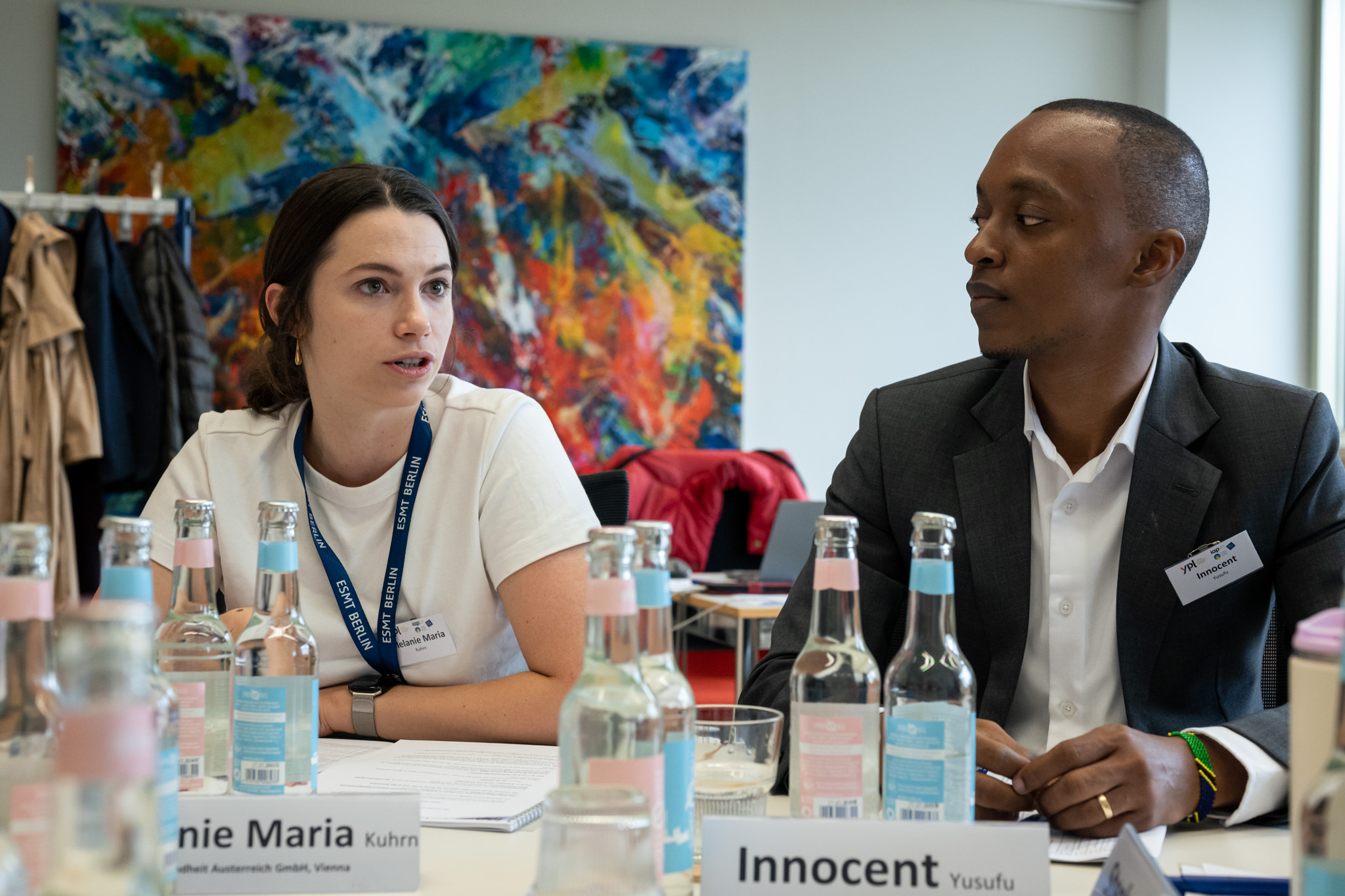
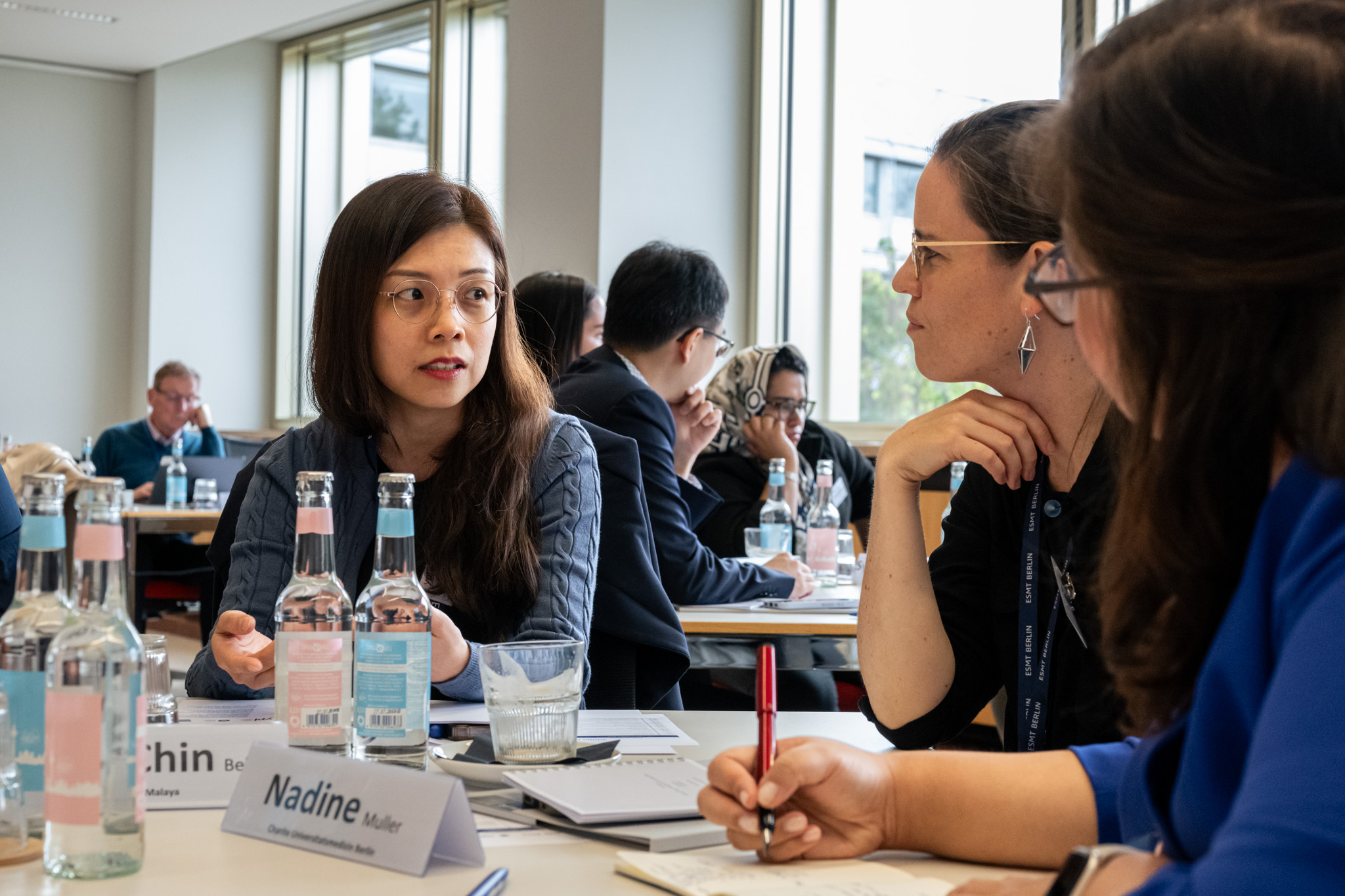
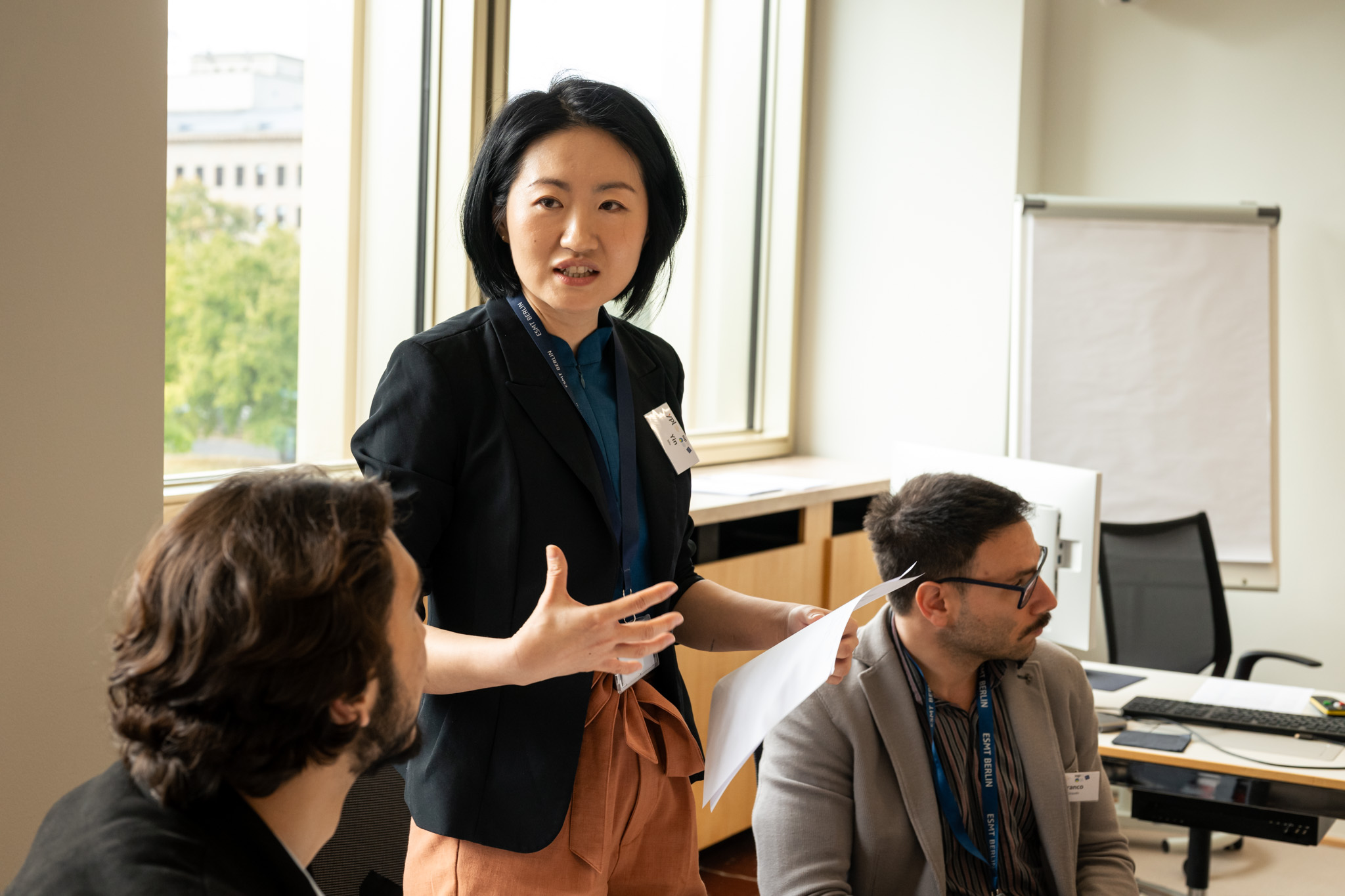
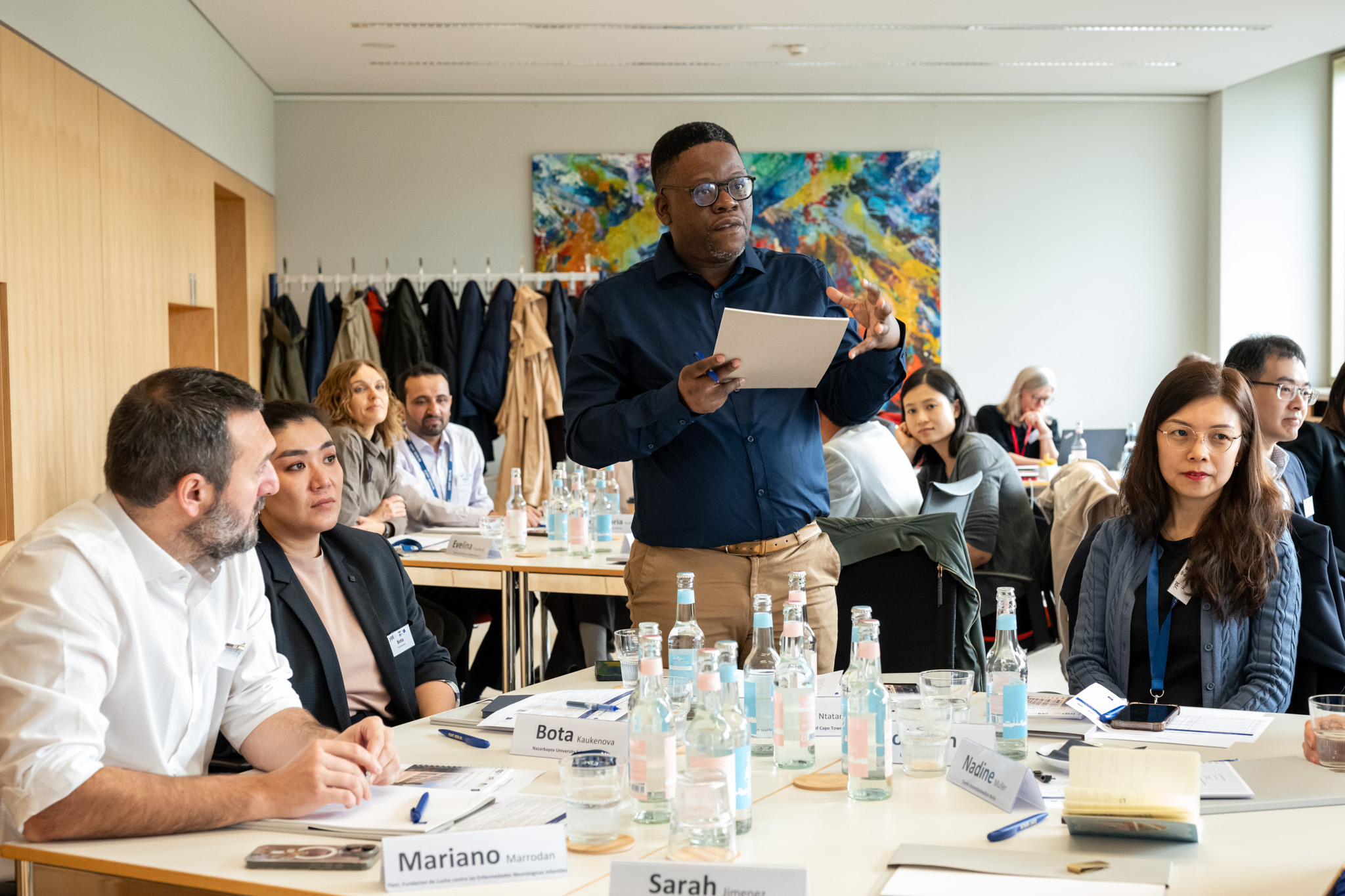
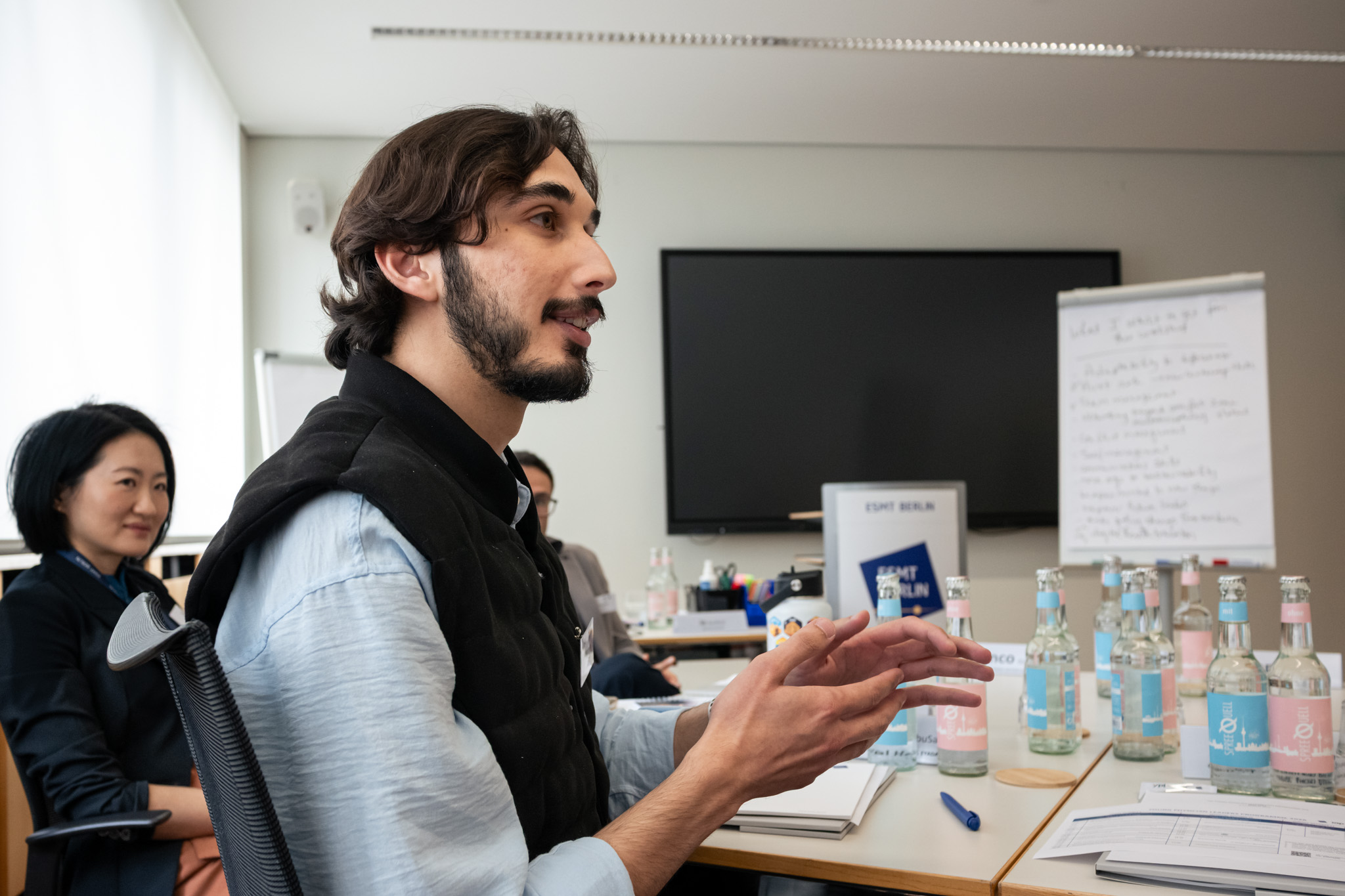
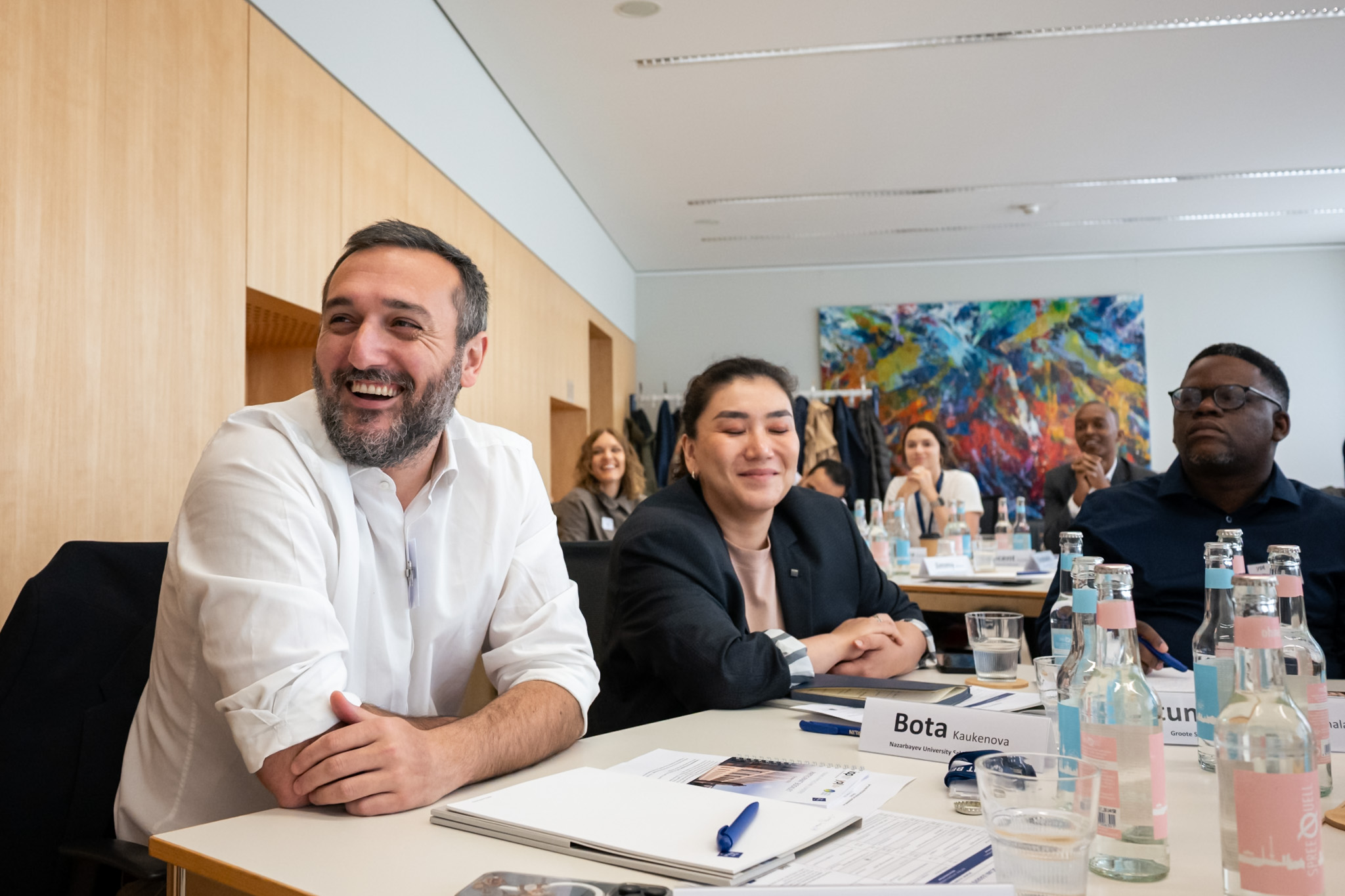
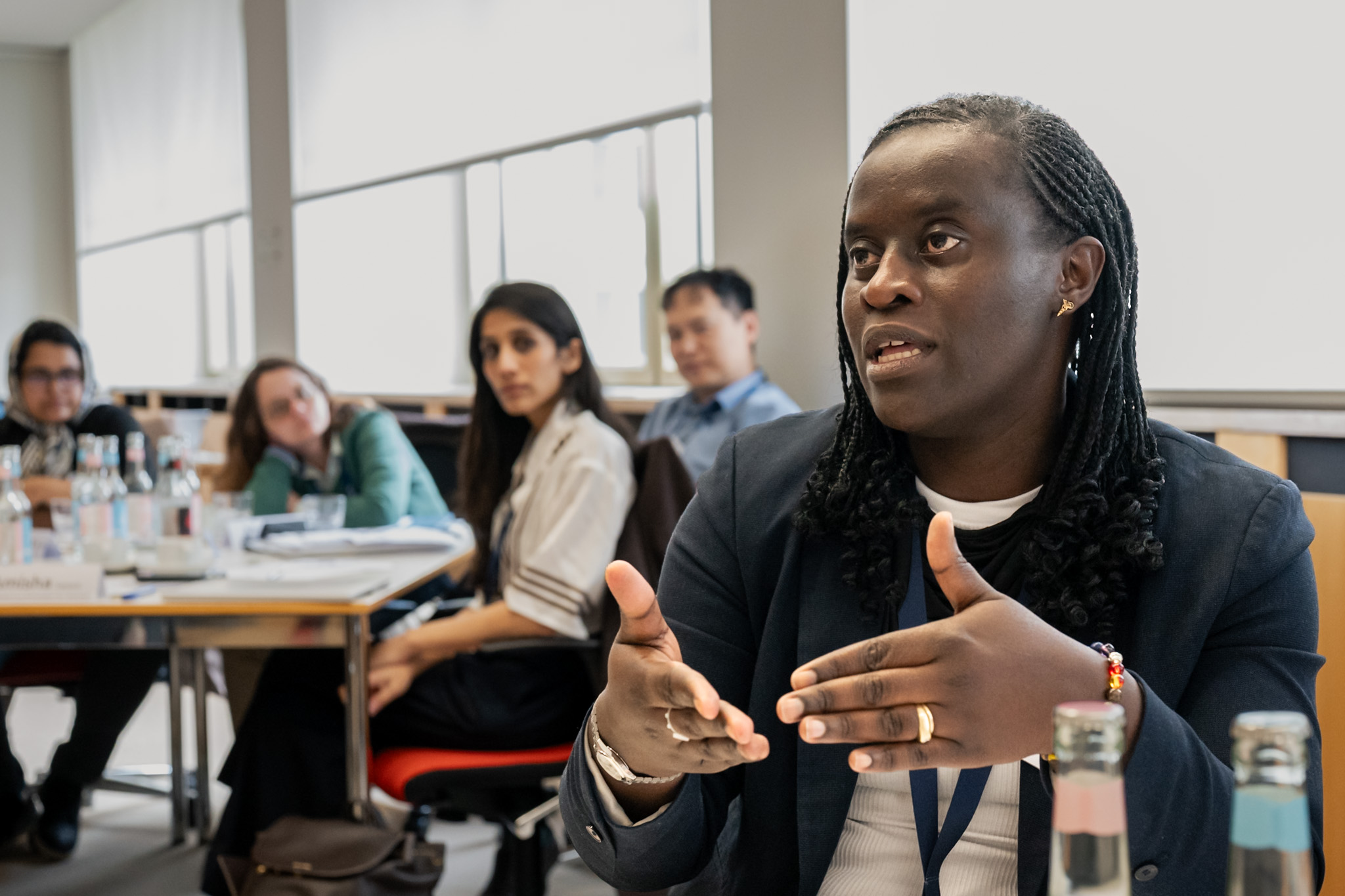
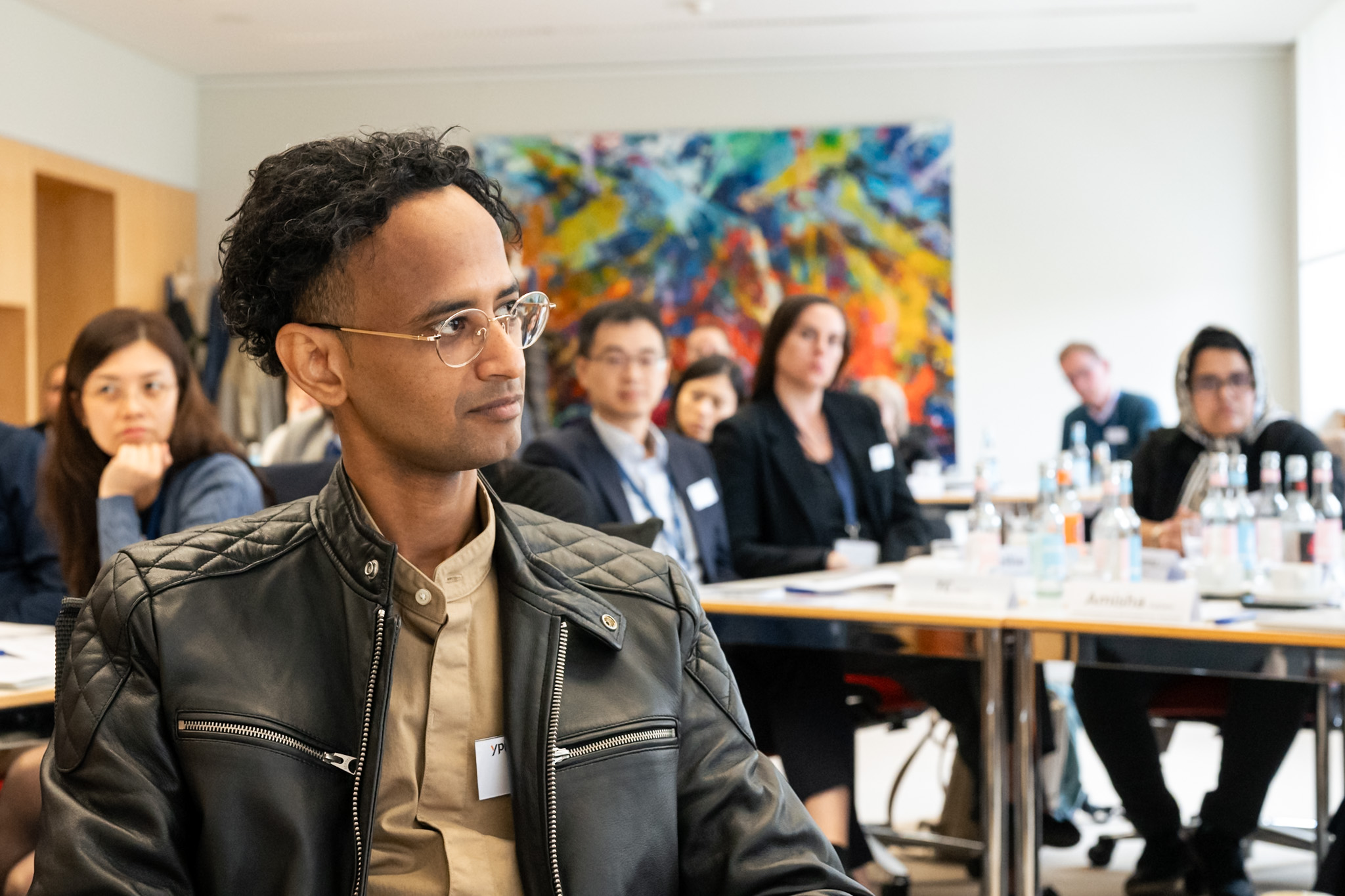
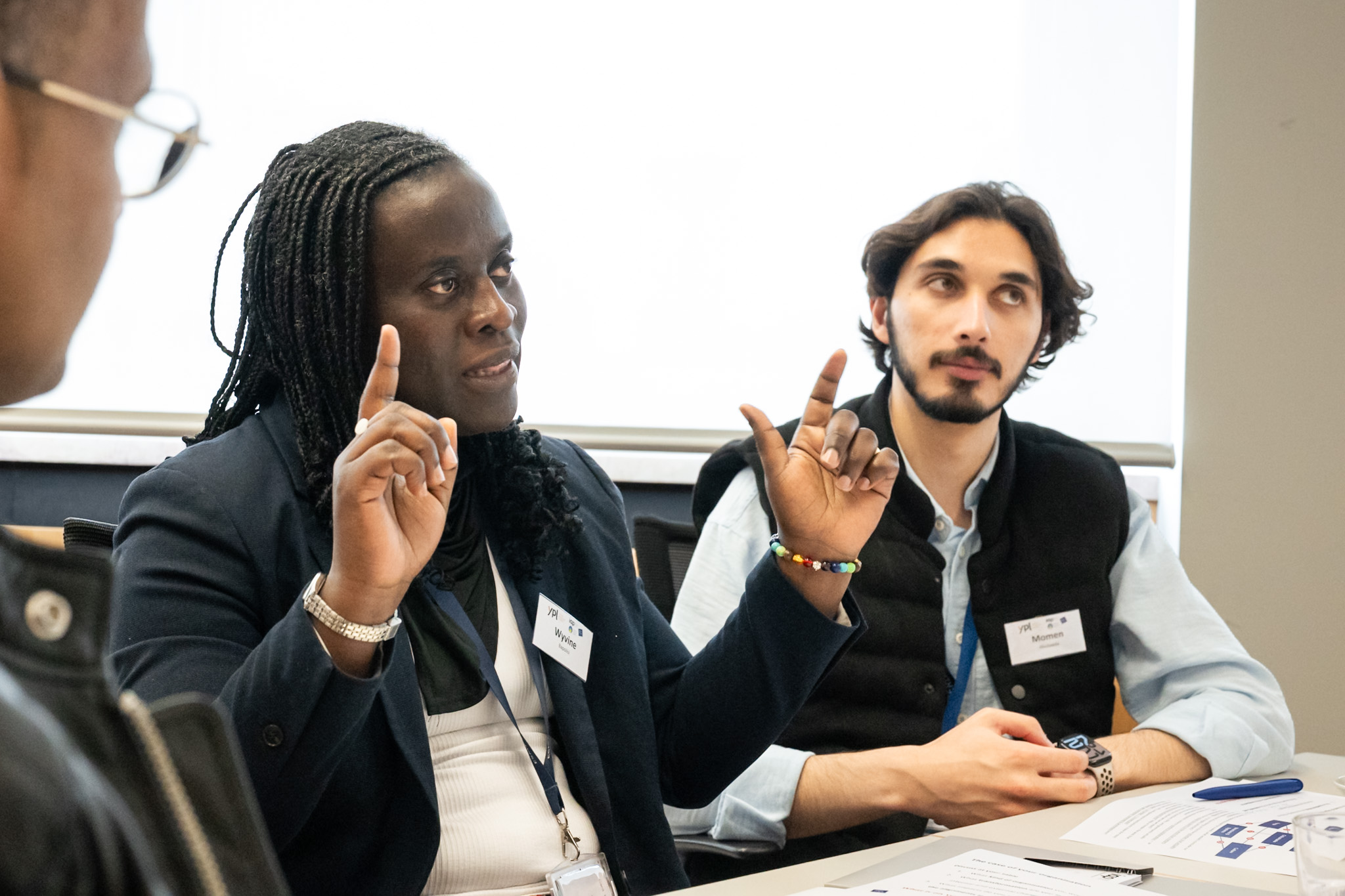
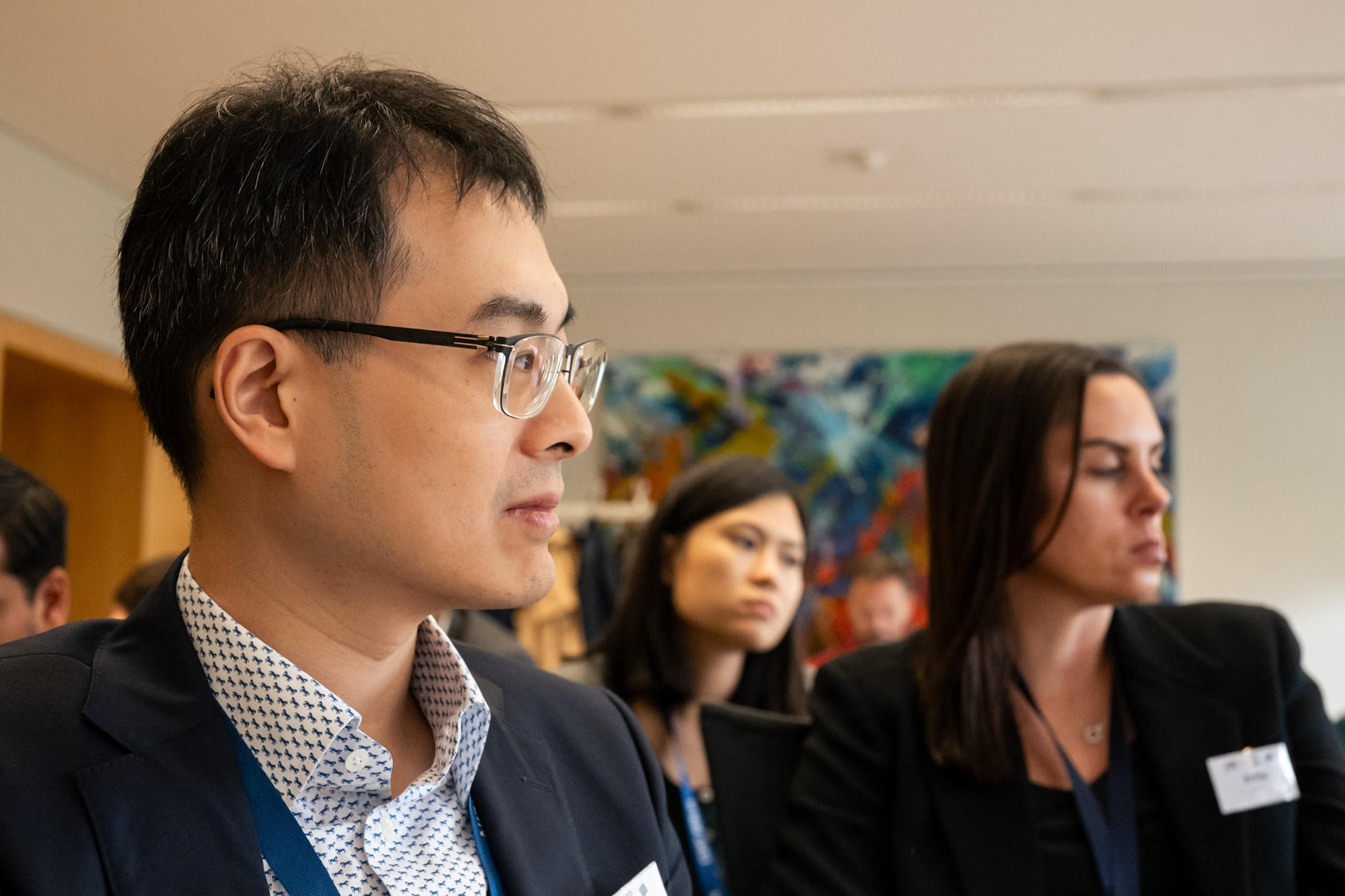
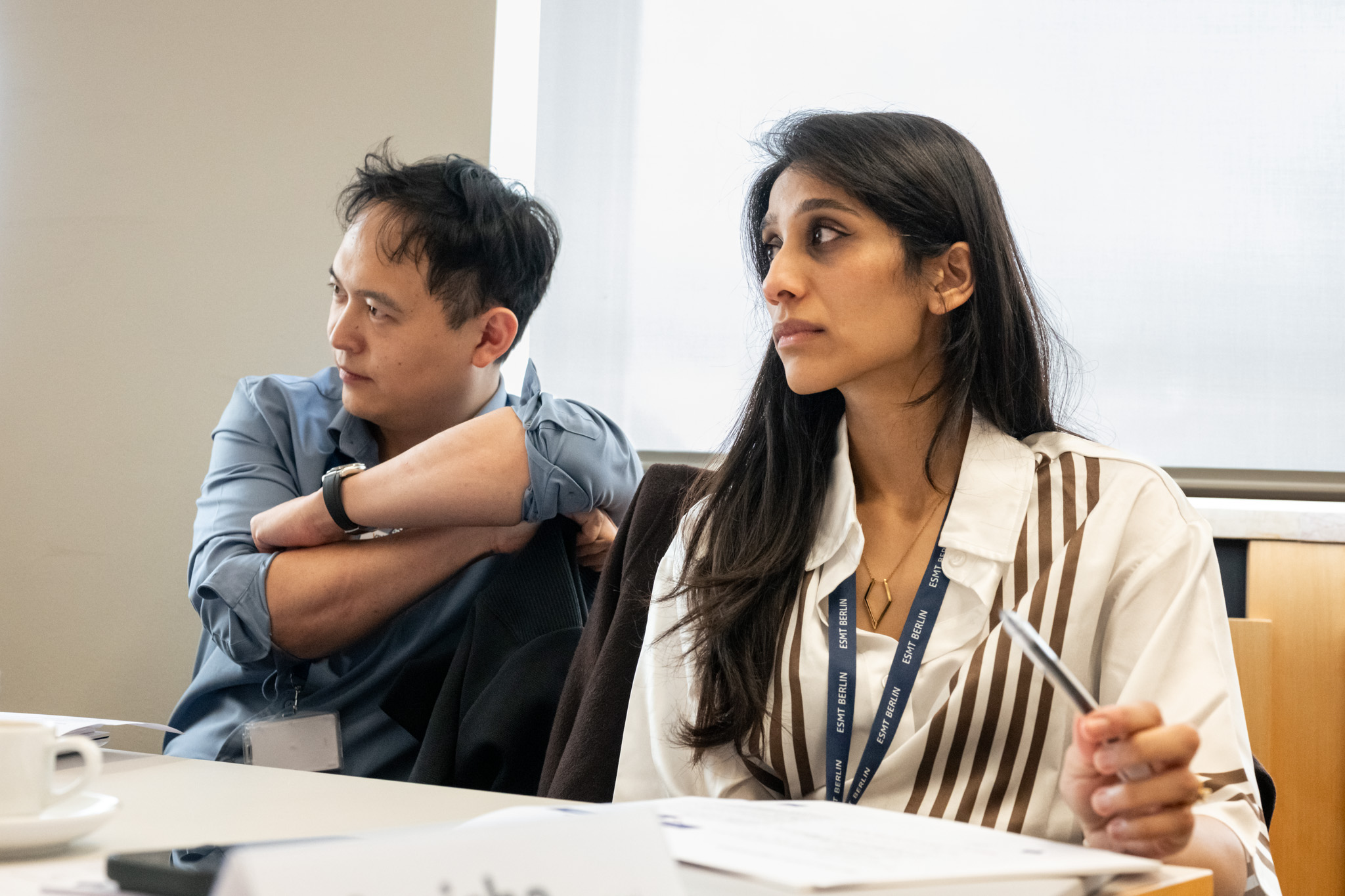
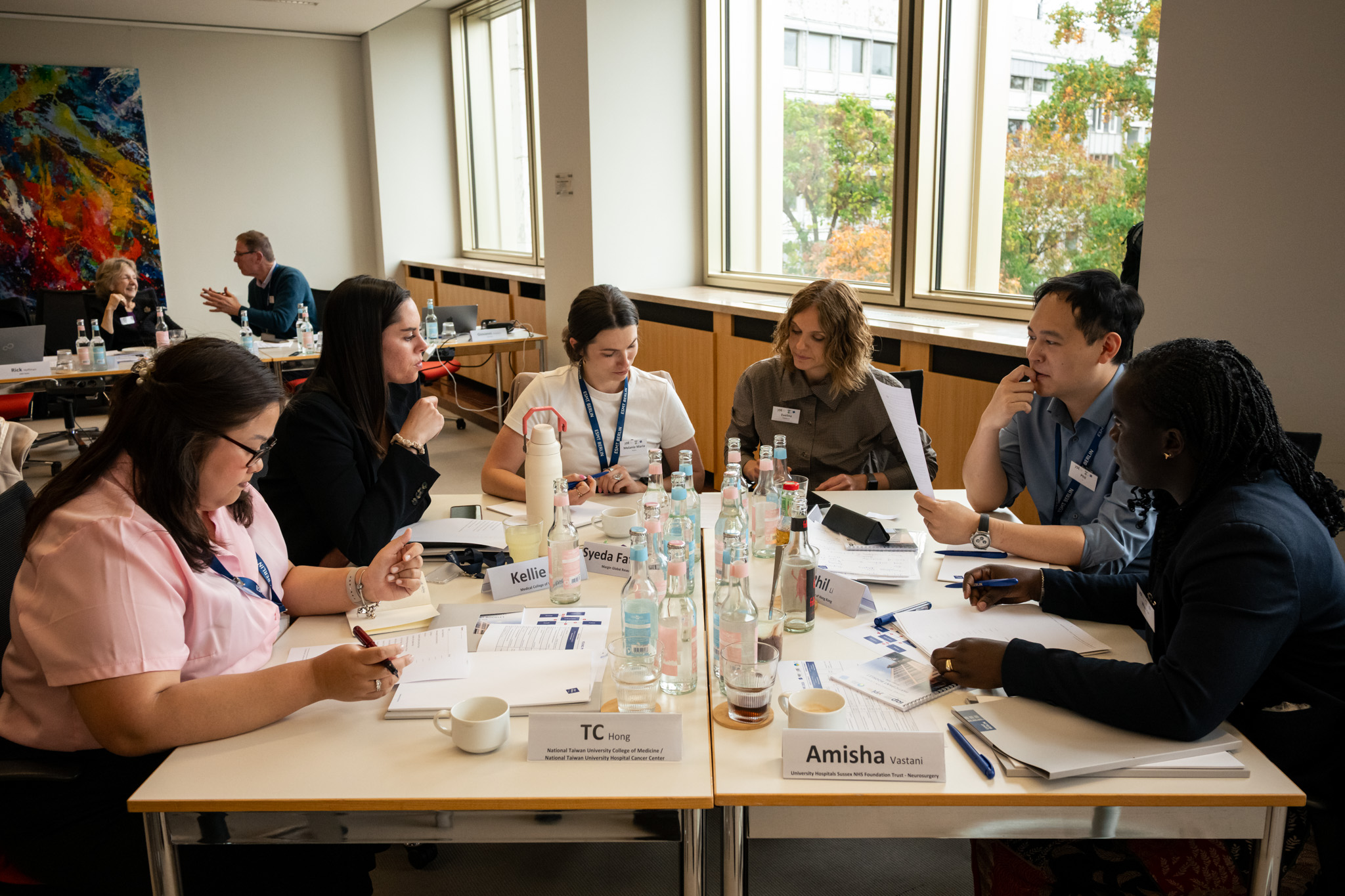
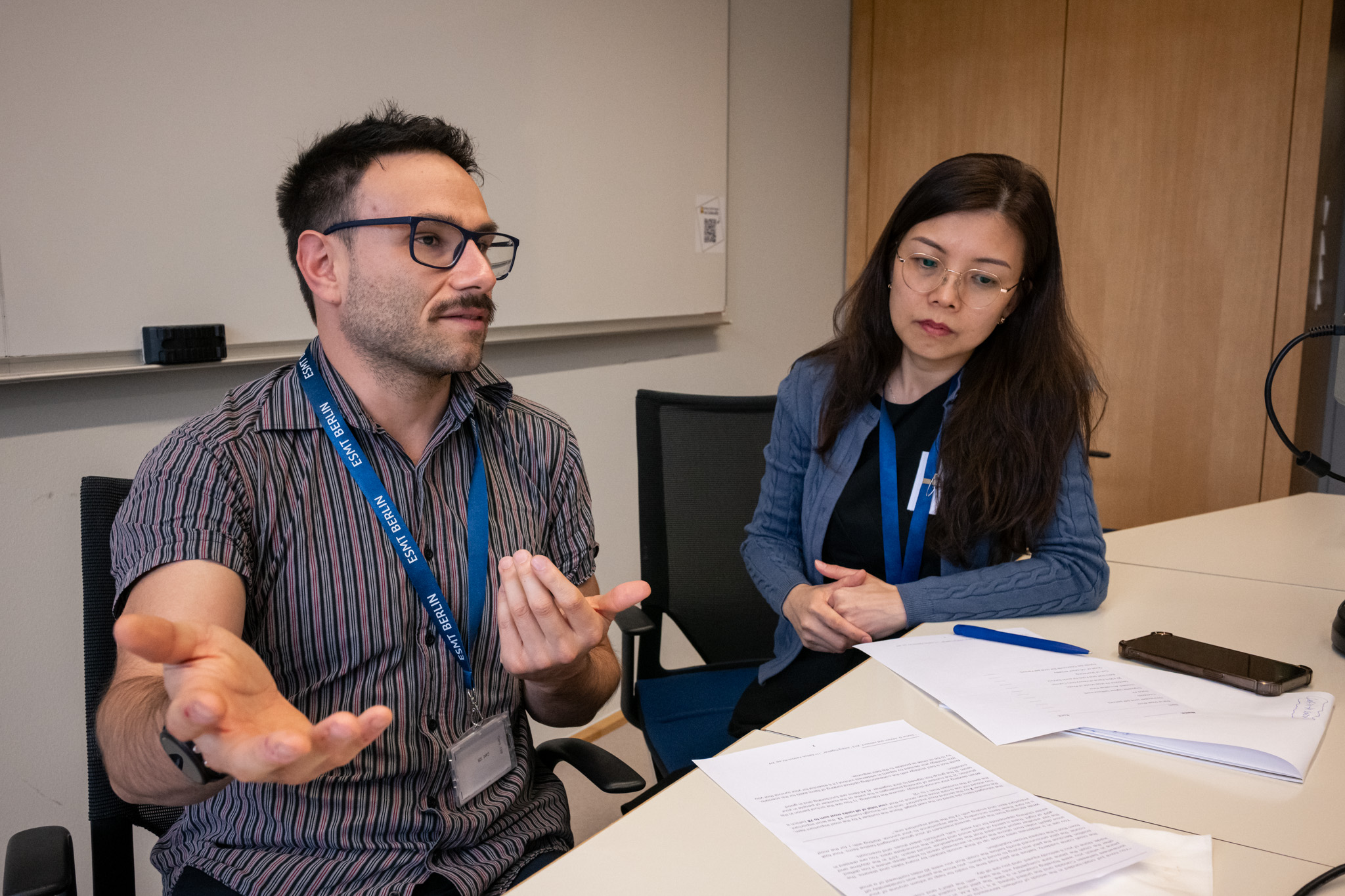
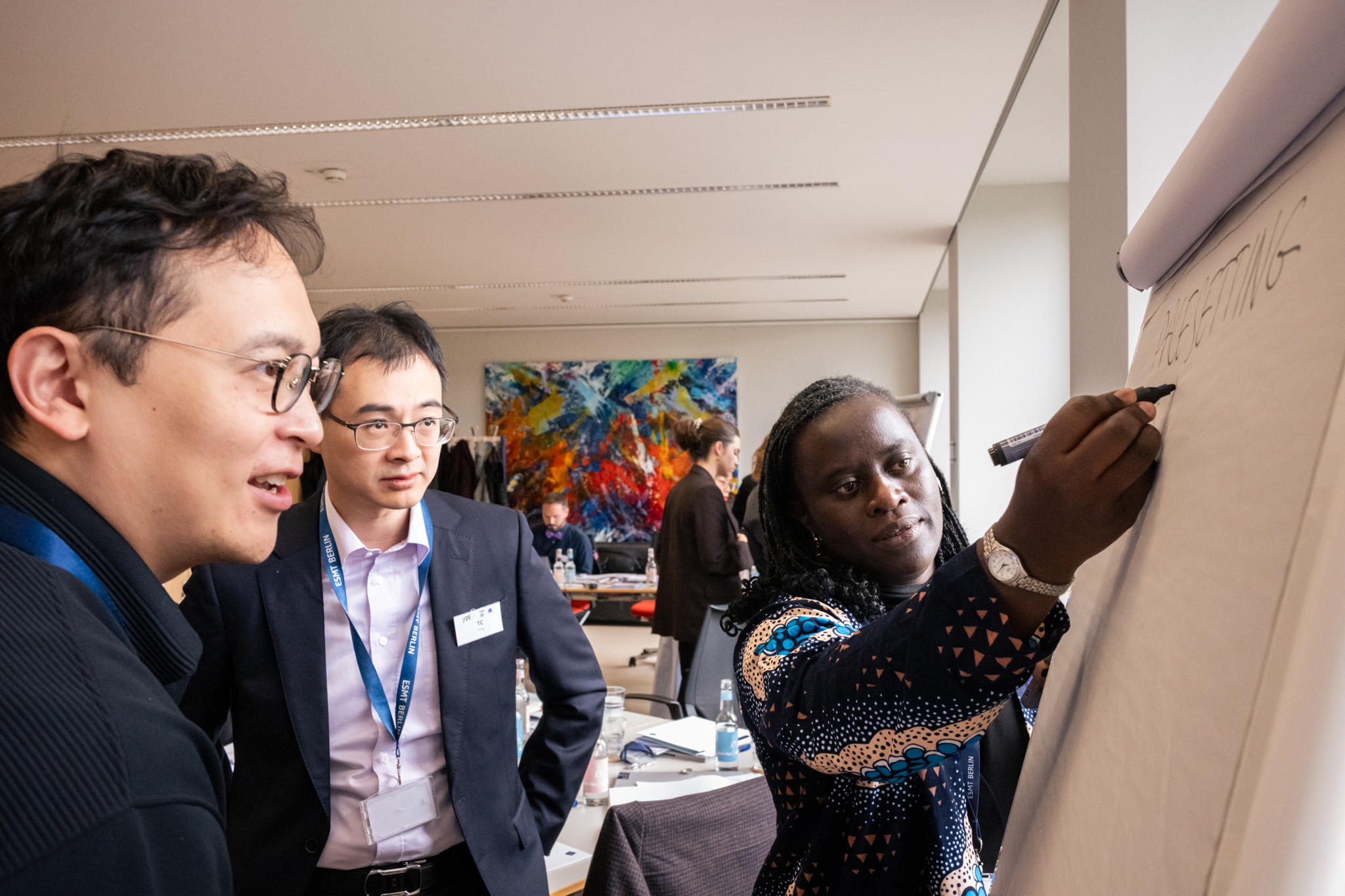
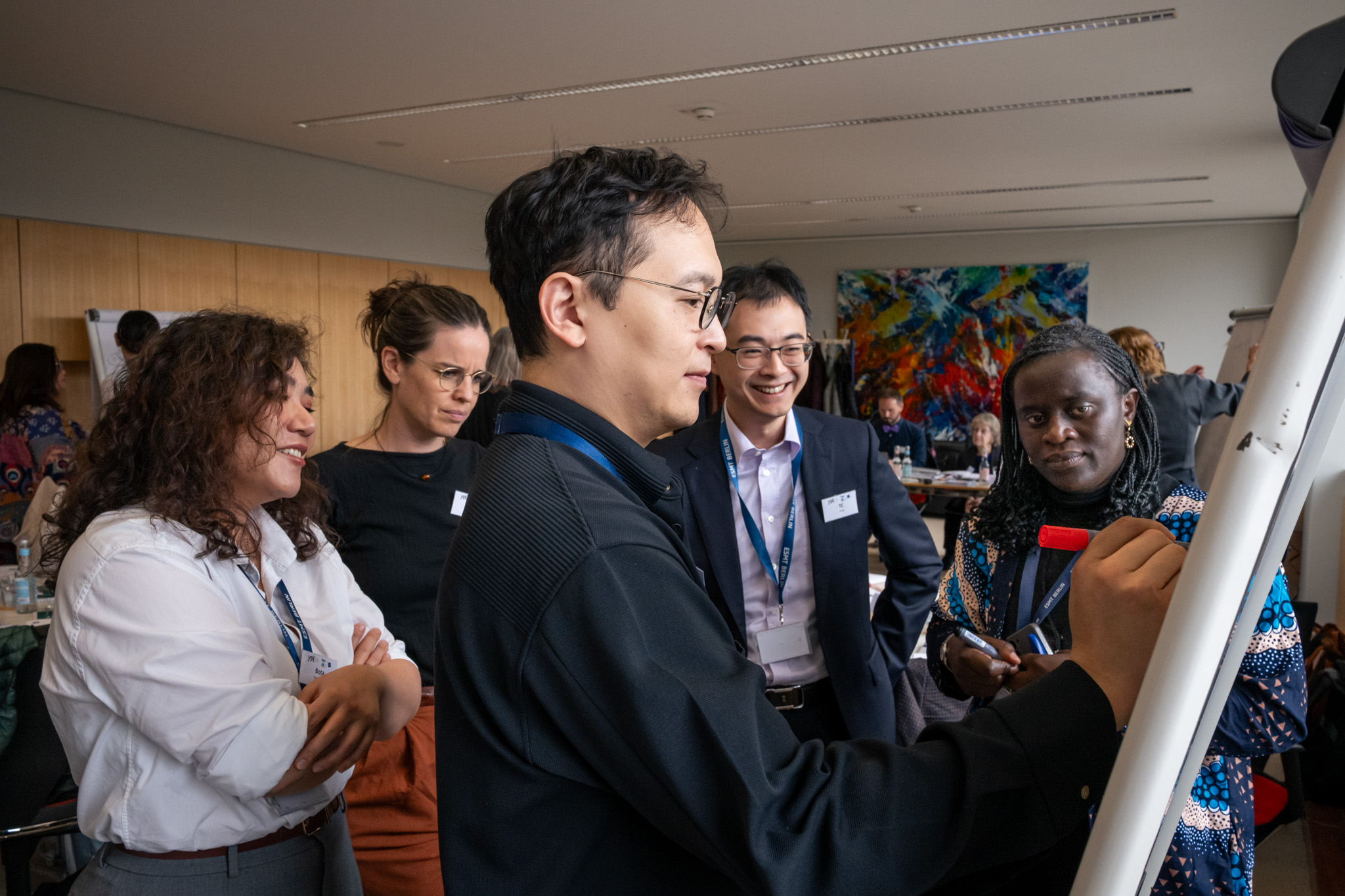
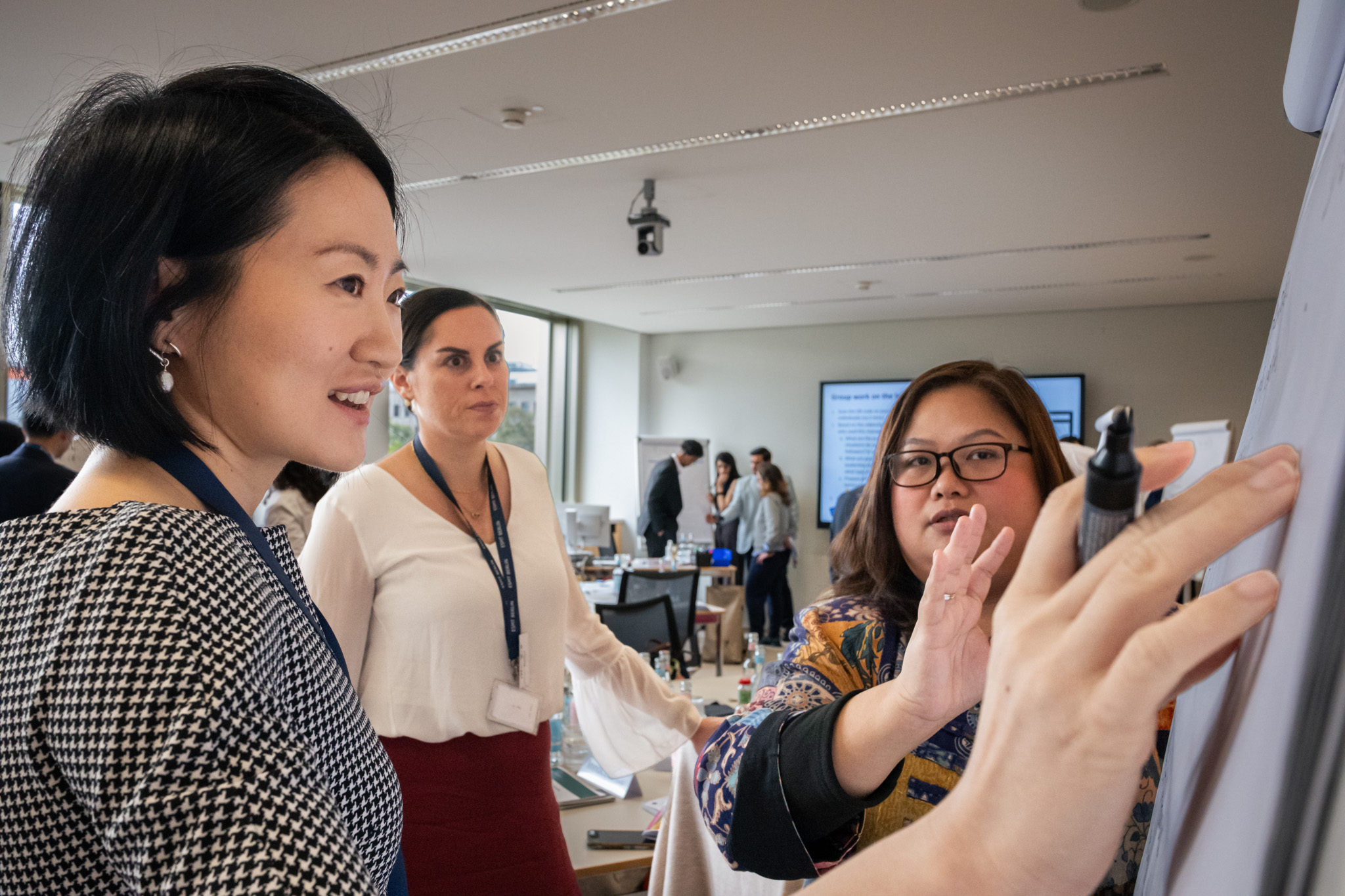
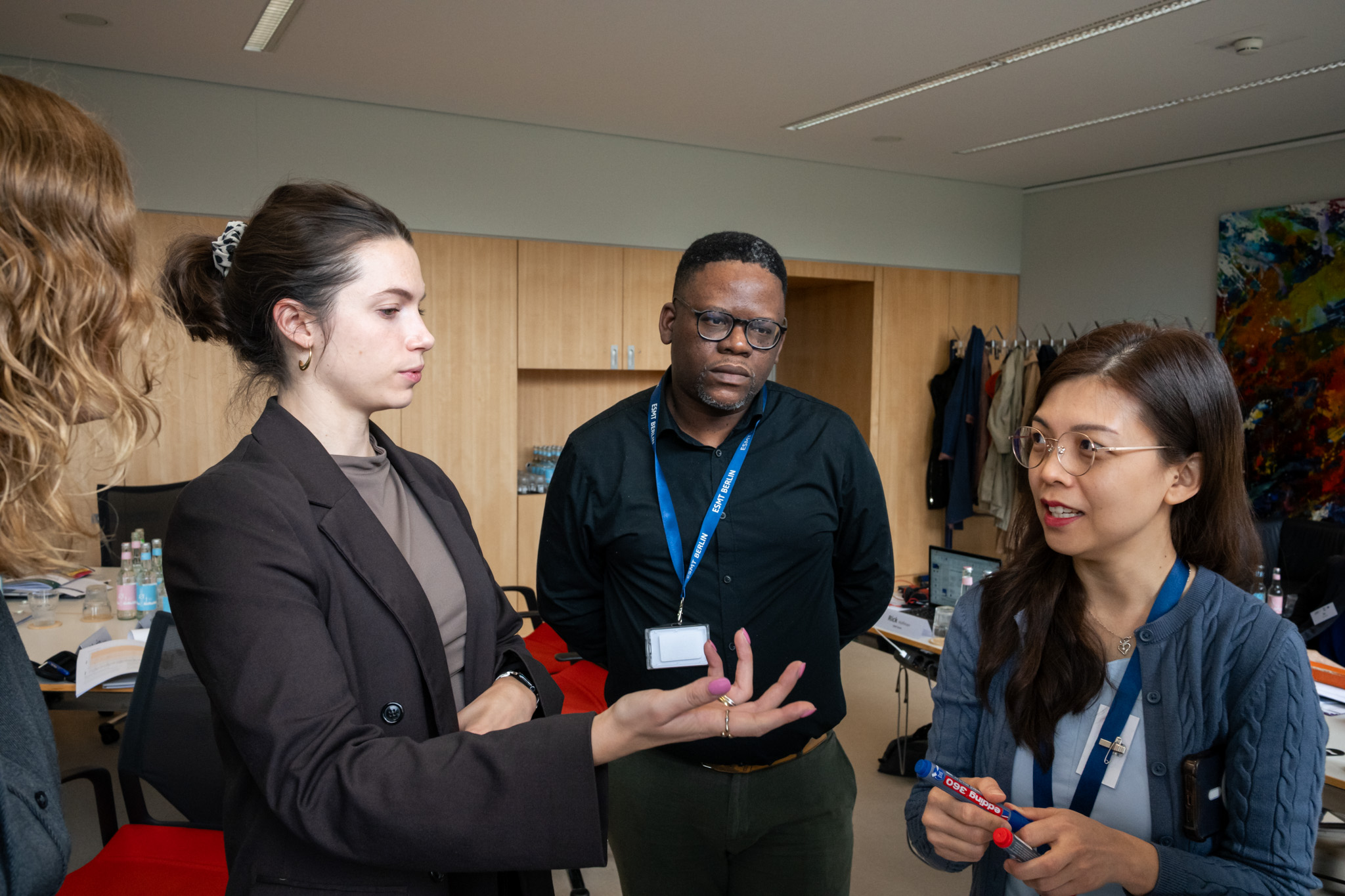
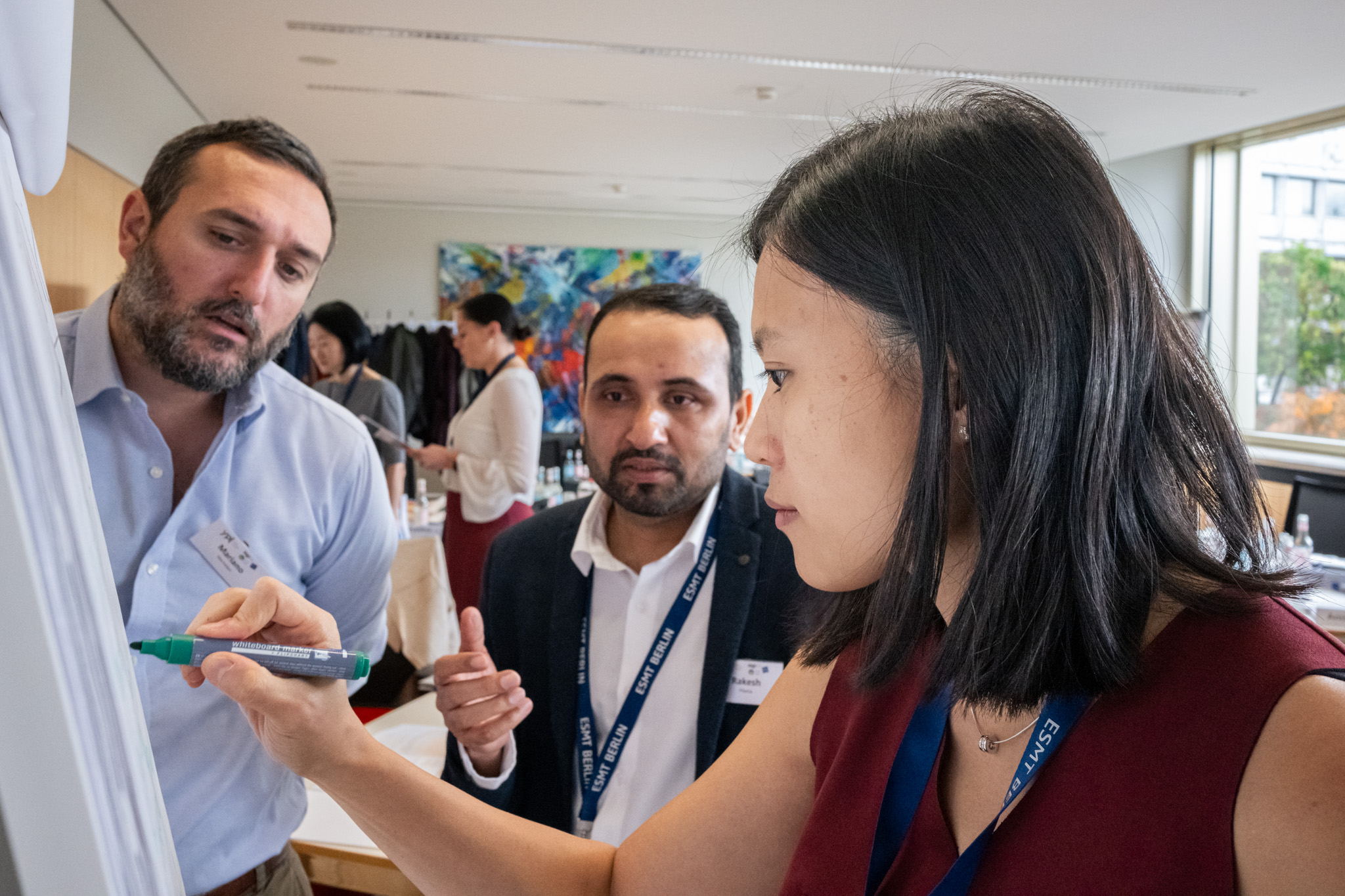
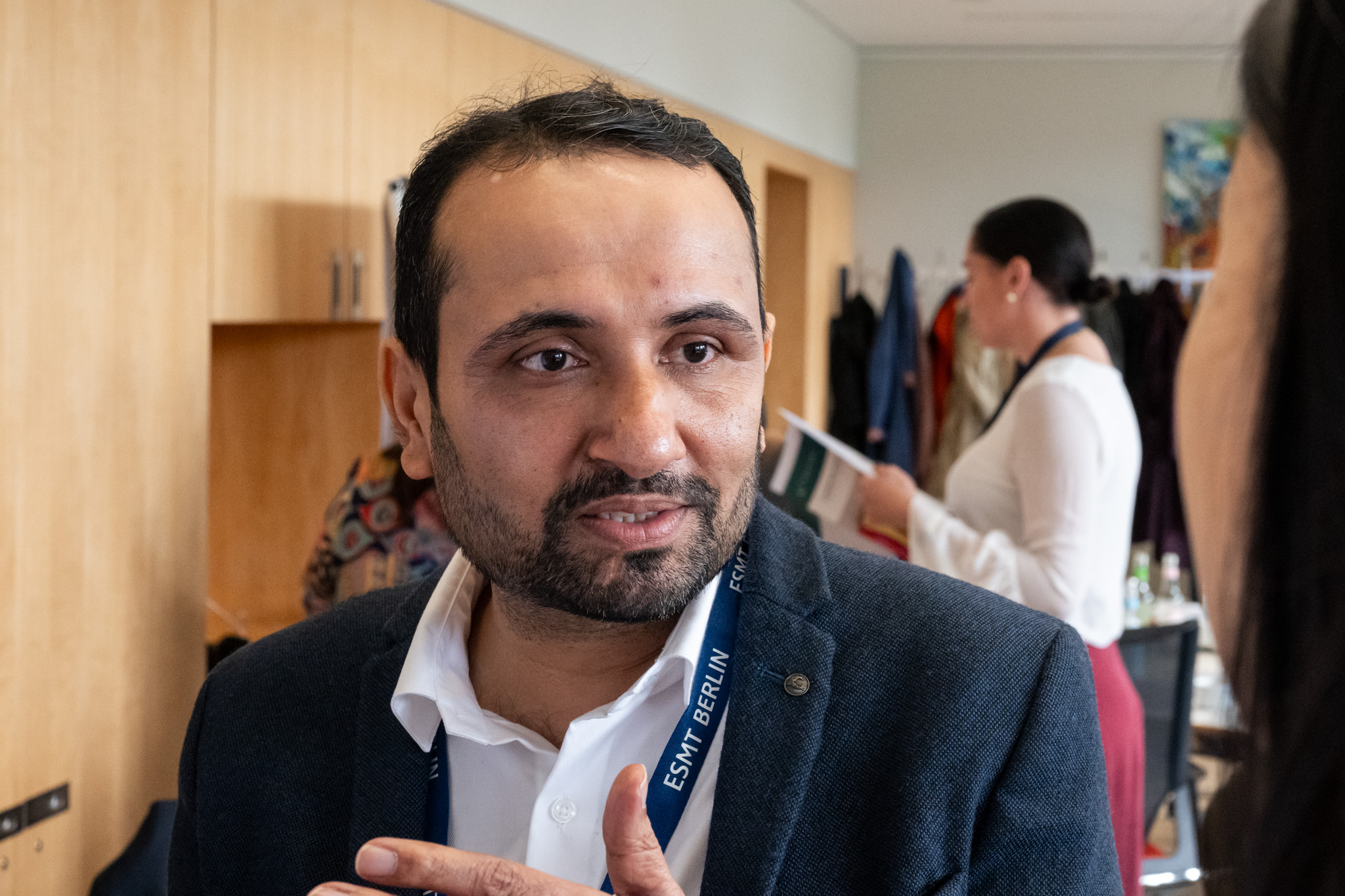
In the afternoon, the cohort turned to peer consulting. In small groups, each physician presented a real leadership challenge from their own work and received structured advice from colleagues facing similar questions in other countries and specialties.
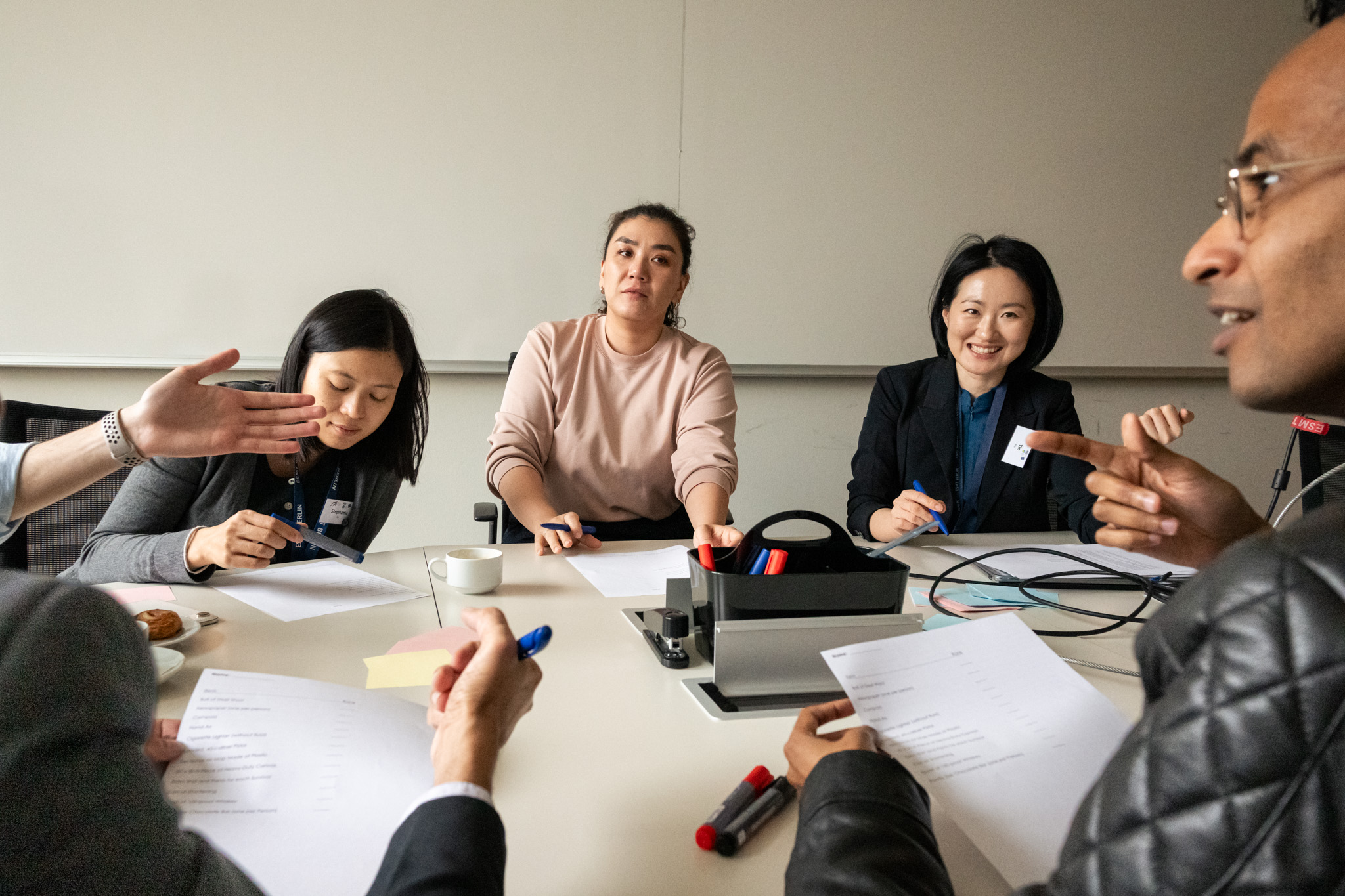
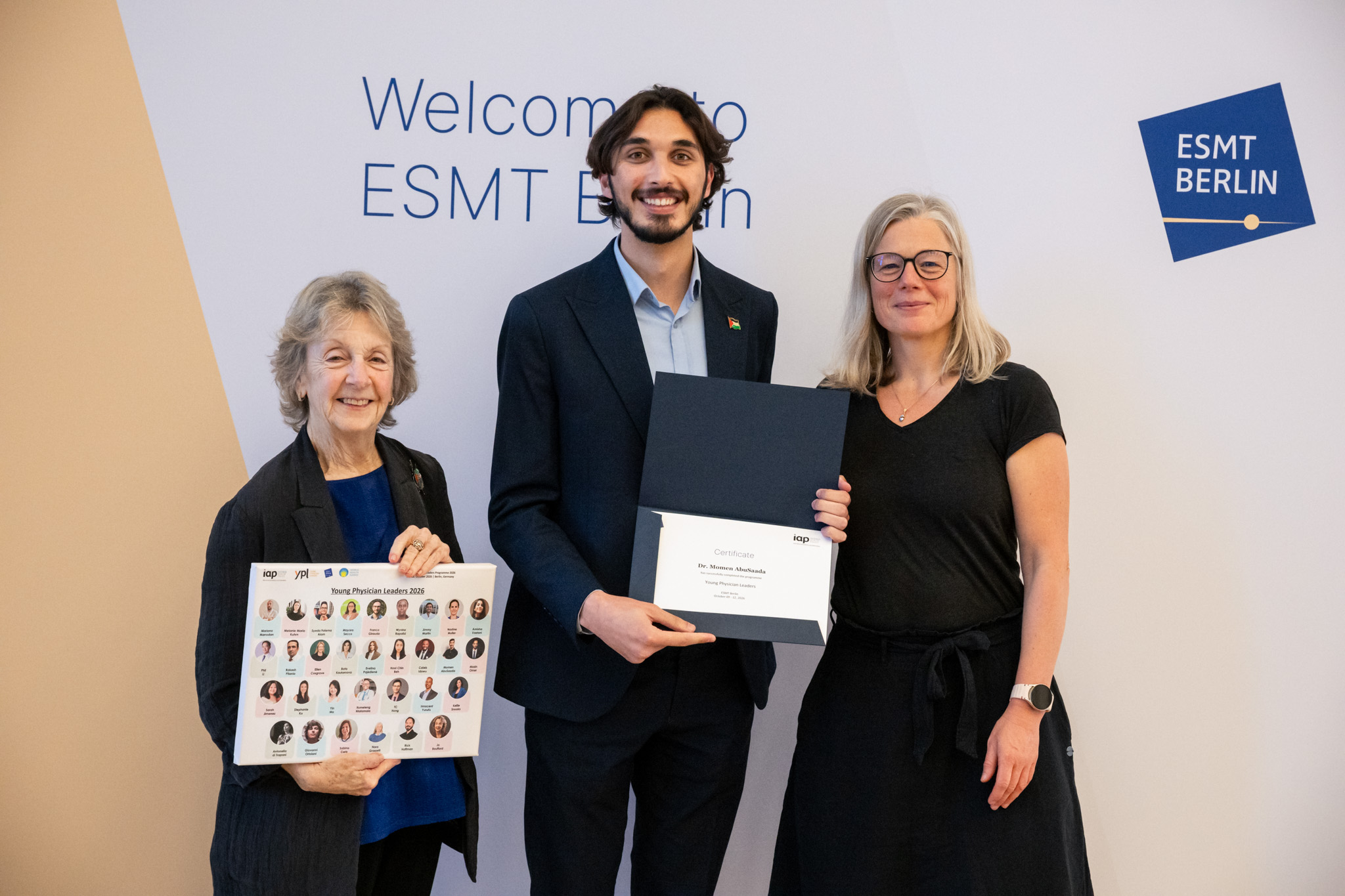
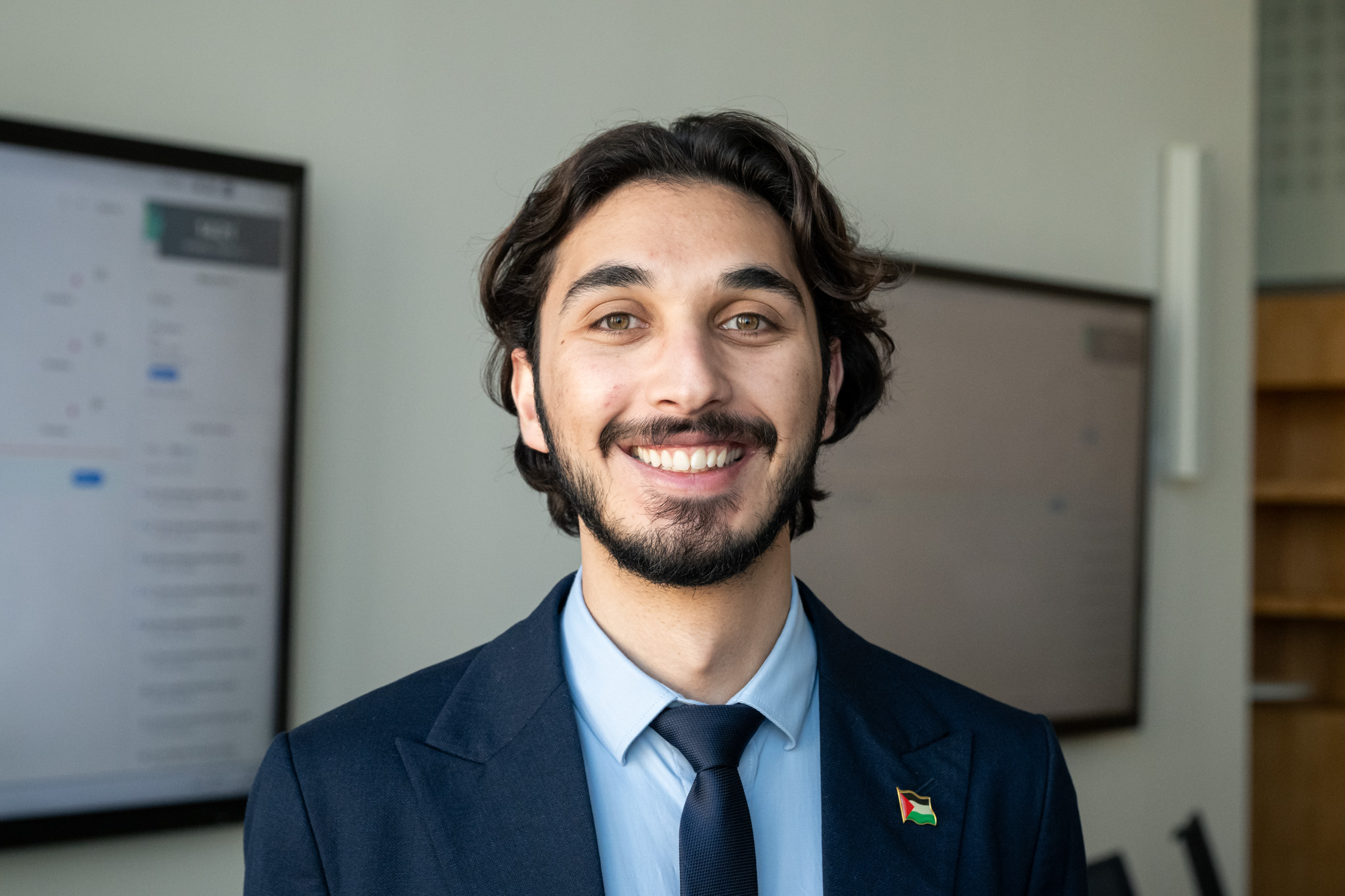
“Usually when we doctors get together, we talk about work and studies. During the YPL programme we had the chance to exchange ideas on how we tackle different challenges and how we can support each other. I’m leaving Berlin with a group of peers I know I can call on,” said Momen AbuSaada, a Palestinian physician and AI health-tech researcher at Imperial College London.
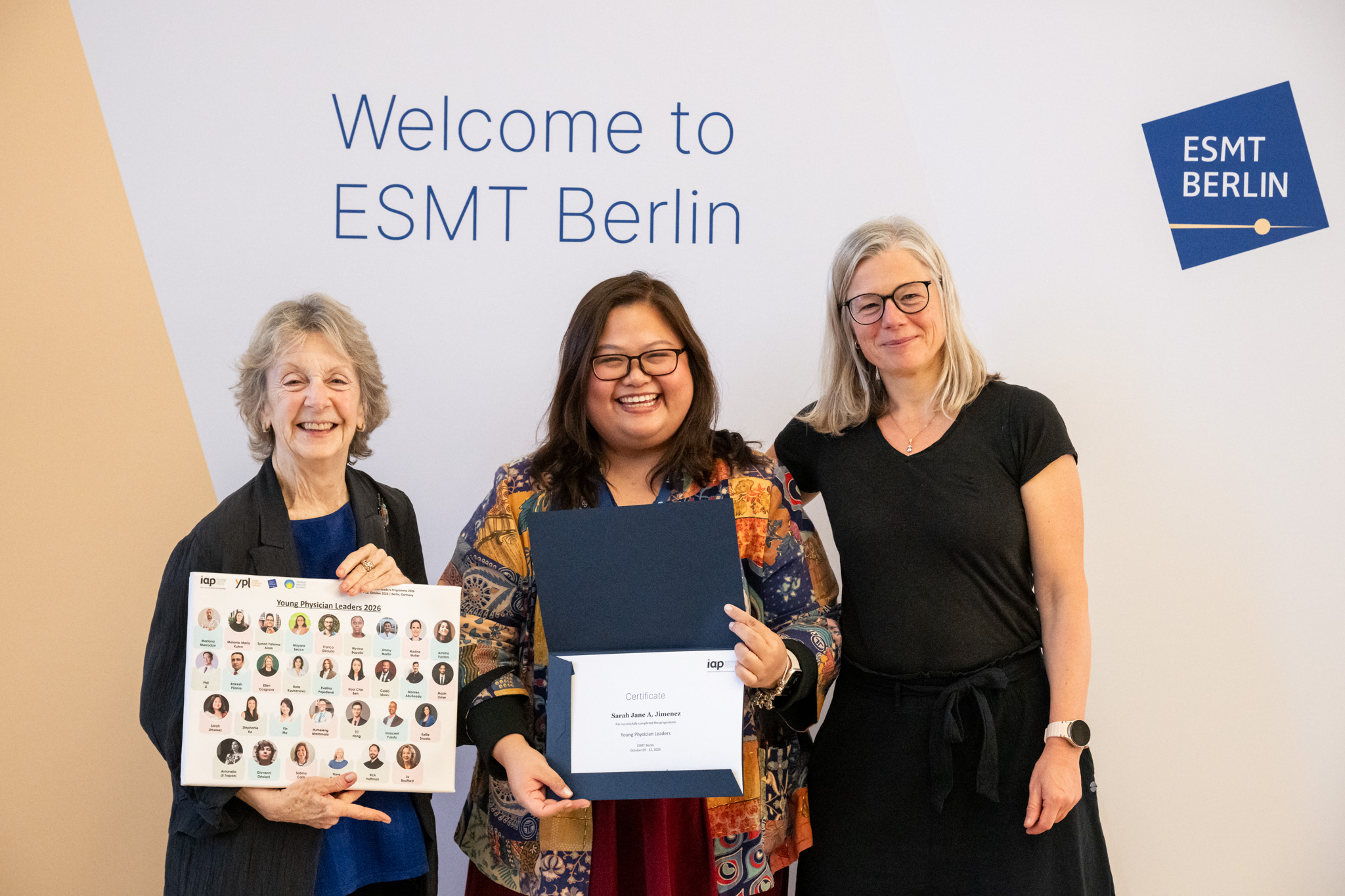
“The main takeaway from this programme is that leadership really matters. The way I lead my team will have an impact on the institution I serve and, ultimately, on the outcomes and the change I want to create for the Filipino people,” said Sarah Jane Jimenez, a paediatrician, clinician-researcher, and Science and Technology (S&T) Fellow at the Department of Science and Technology in the Philippines.
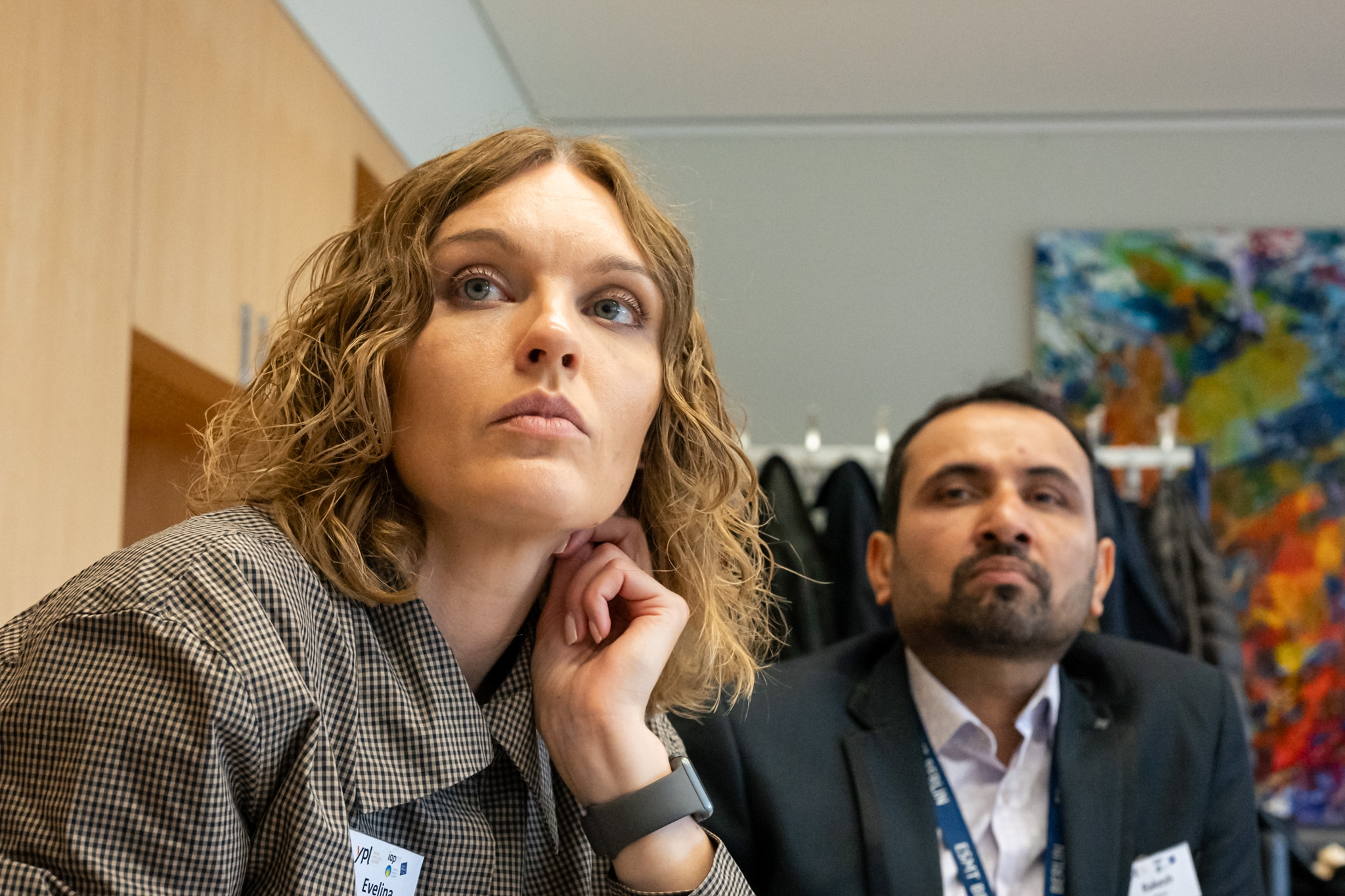
Jimenez’s work focuses on brain and mental health, child health and health policy. She leads ChildMIND, a national initiative that uses digital tools to improve access to services for children with neurodevelopmental disorders.
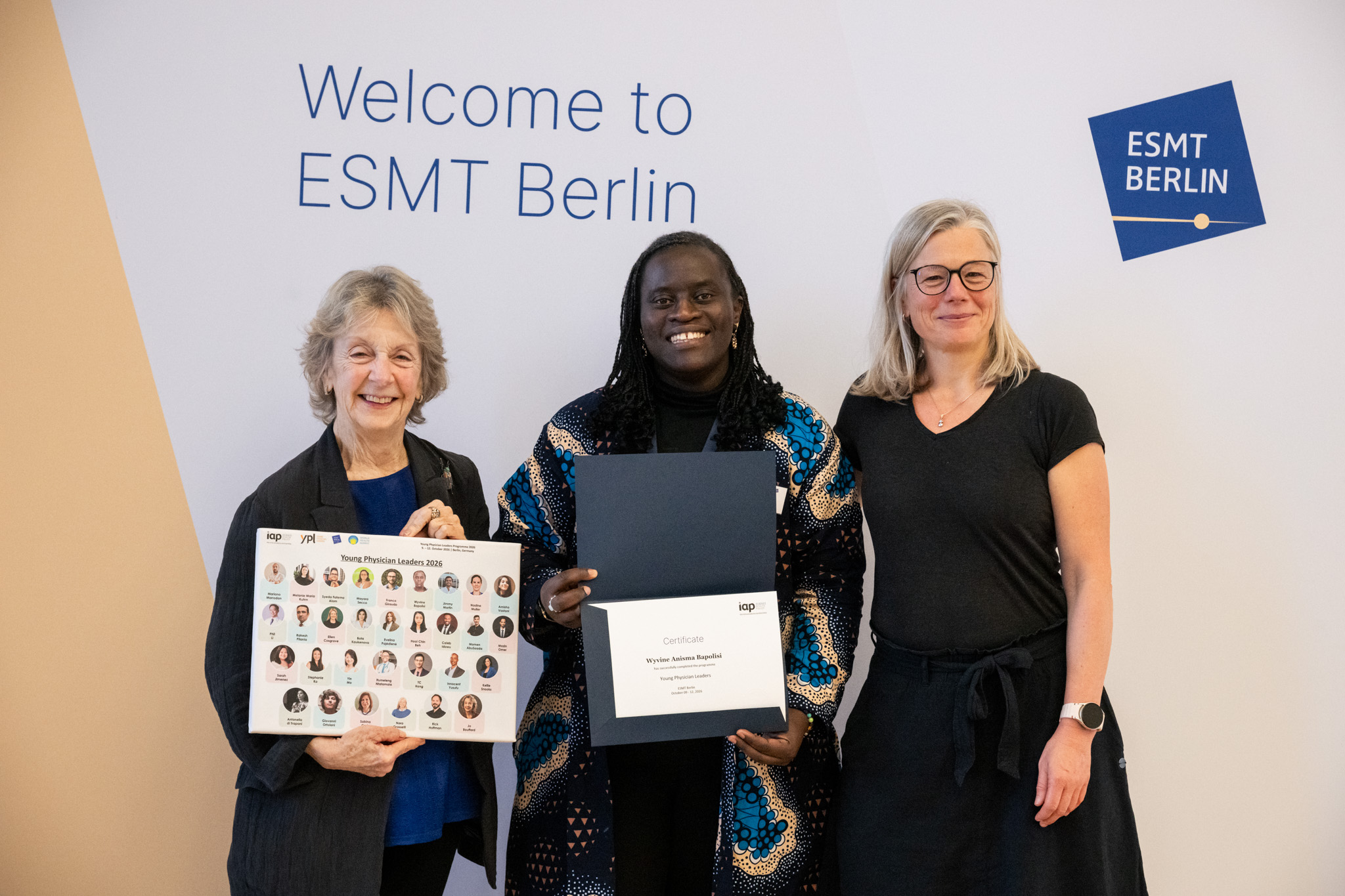
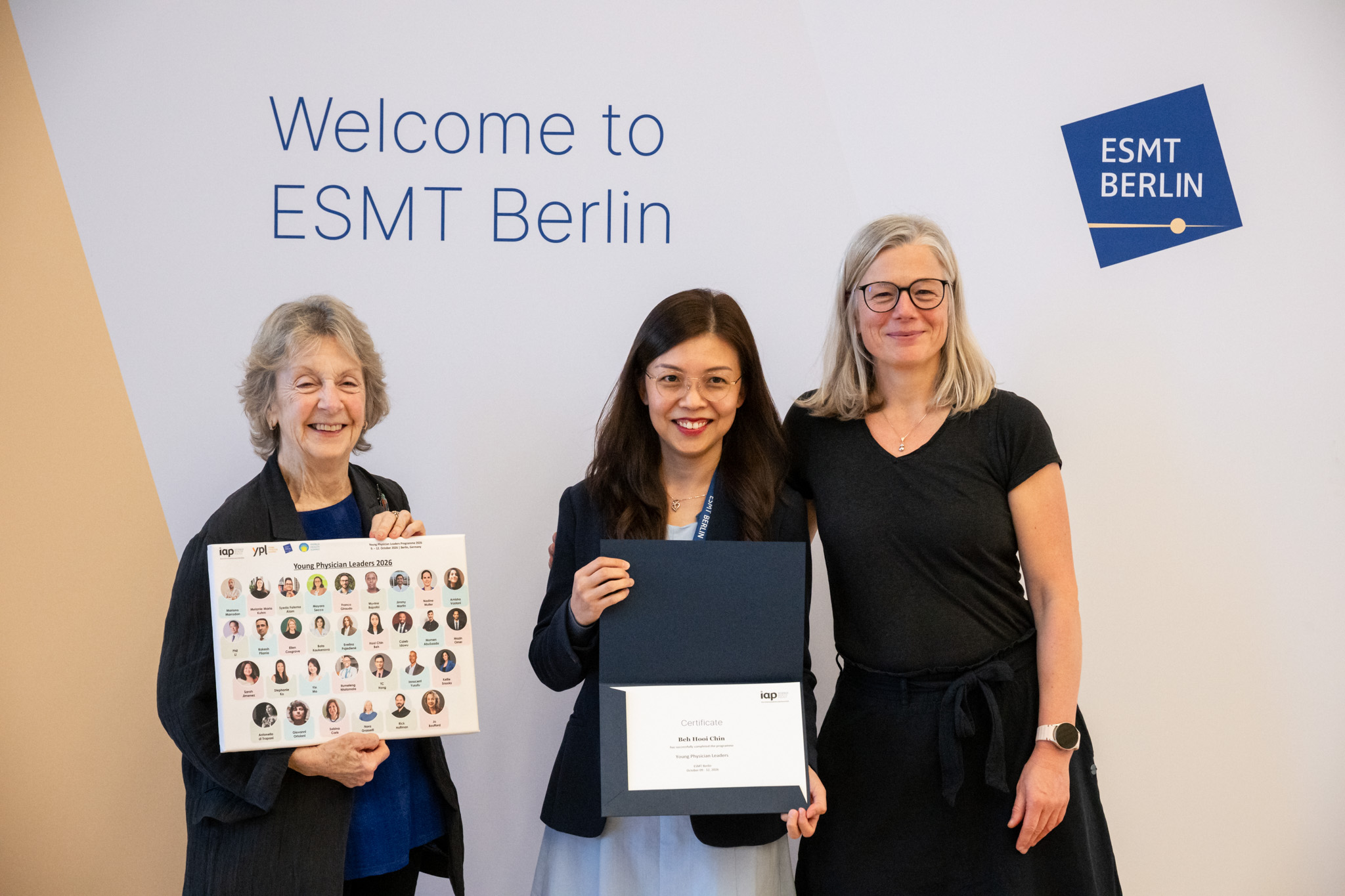
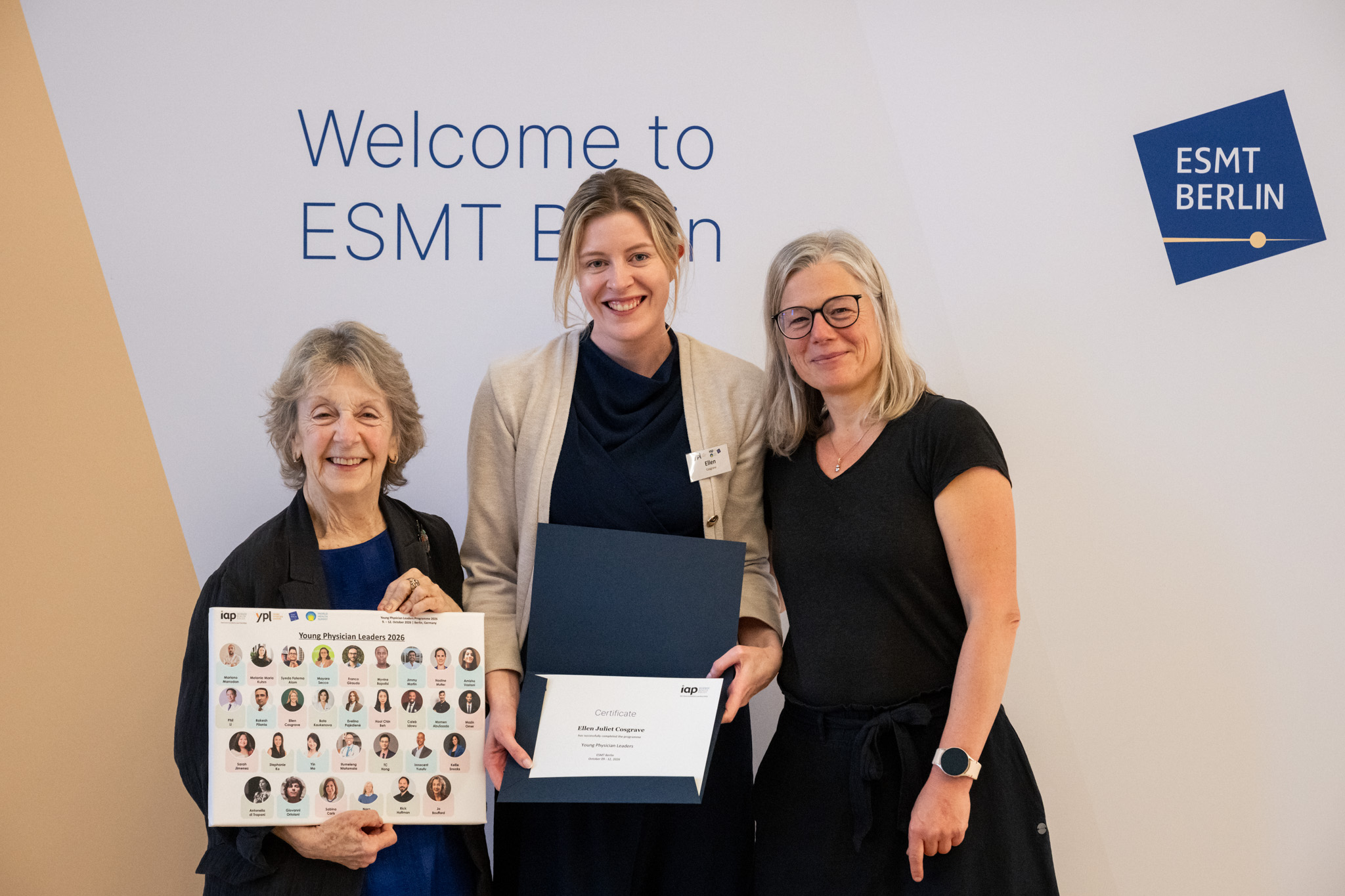
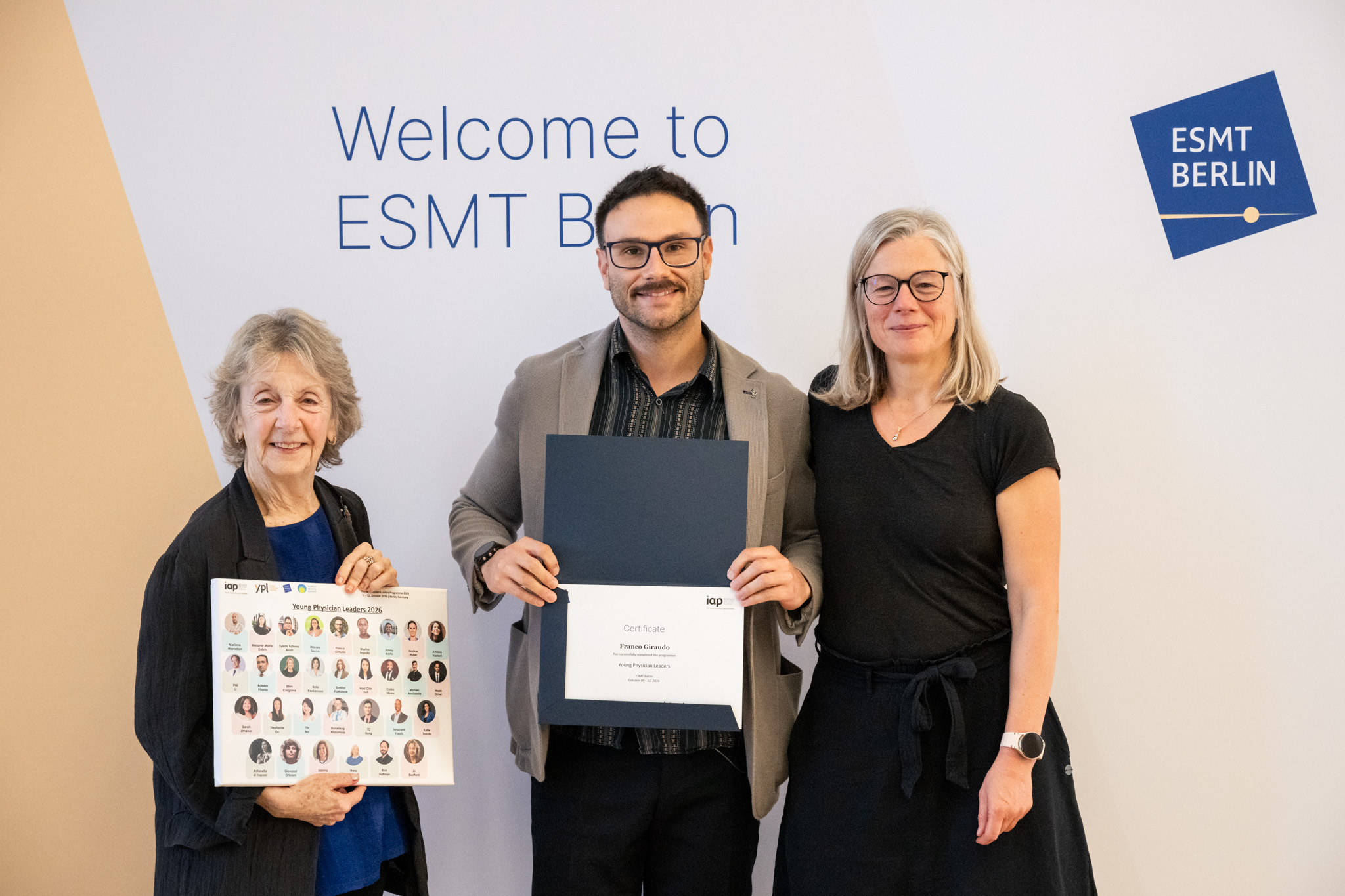
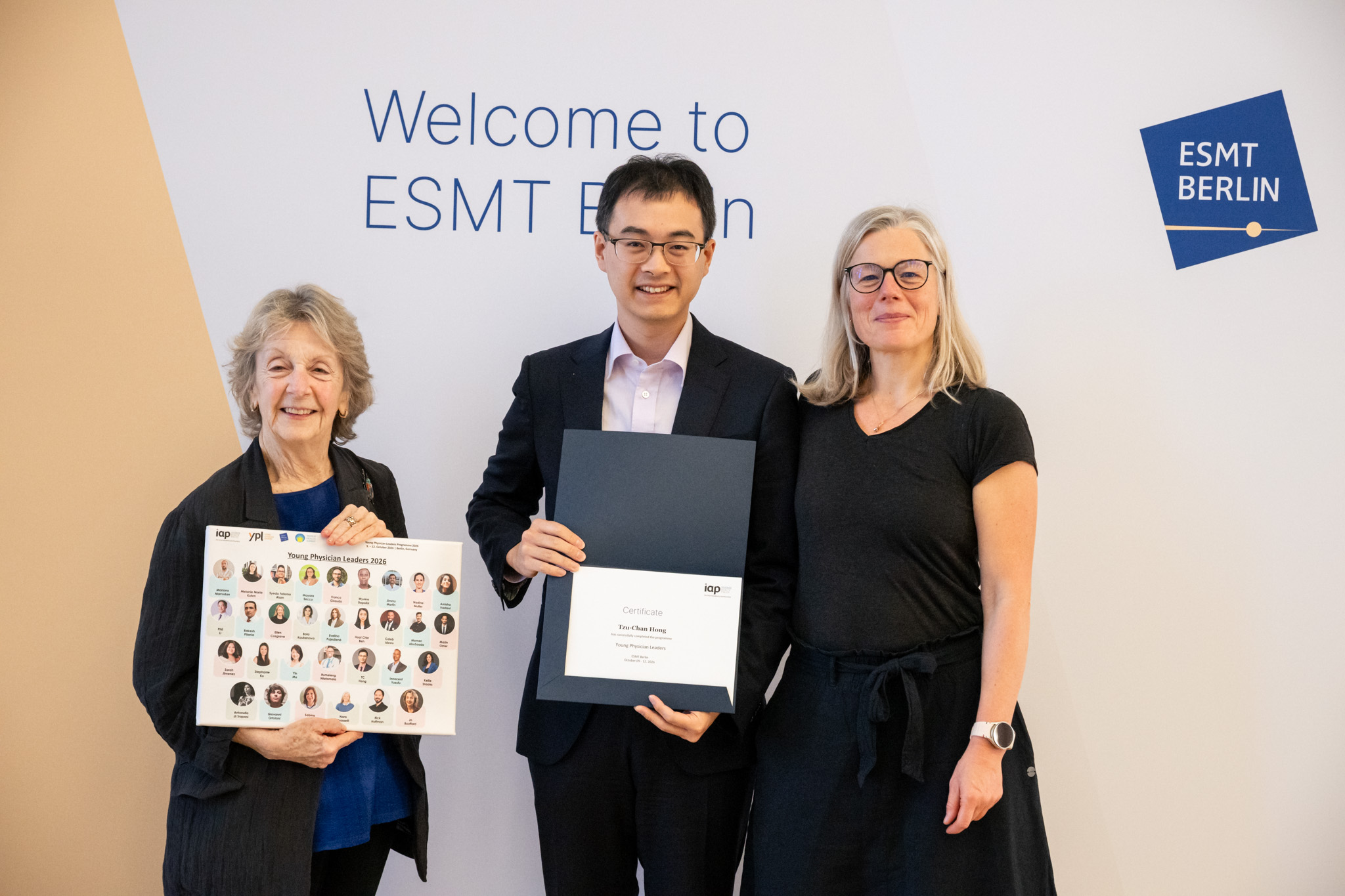
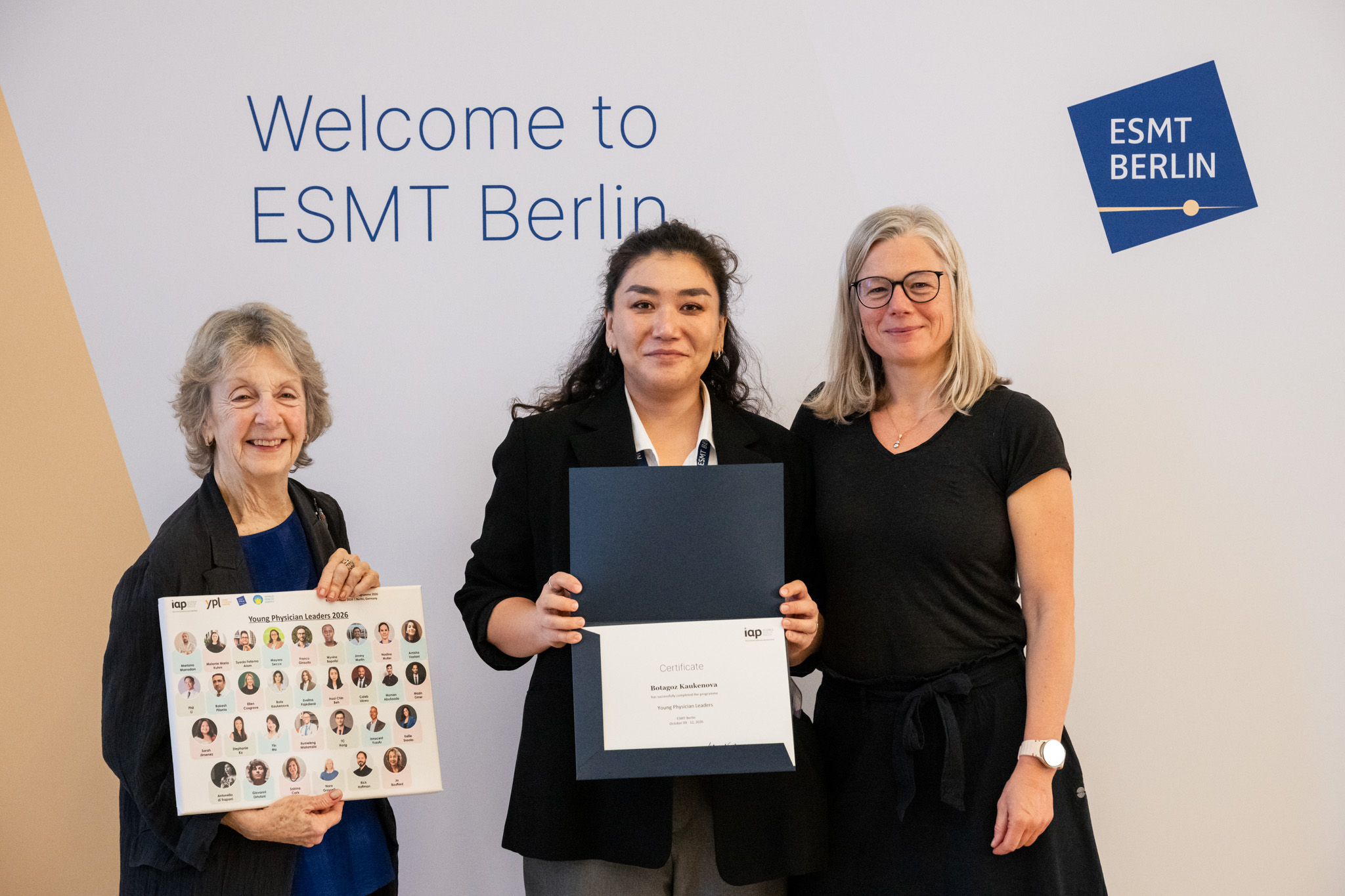
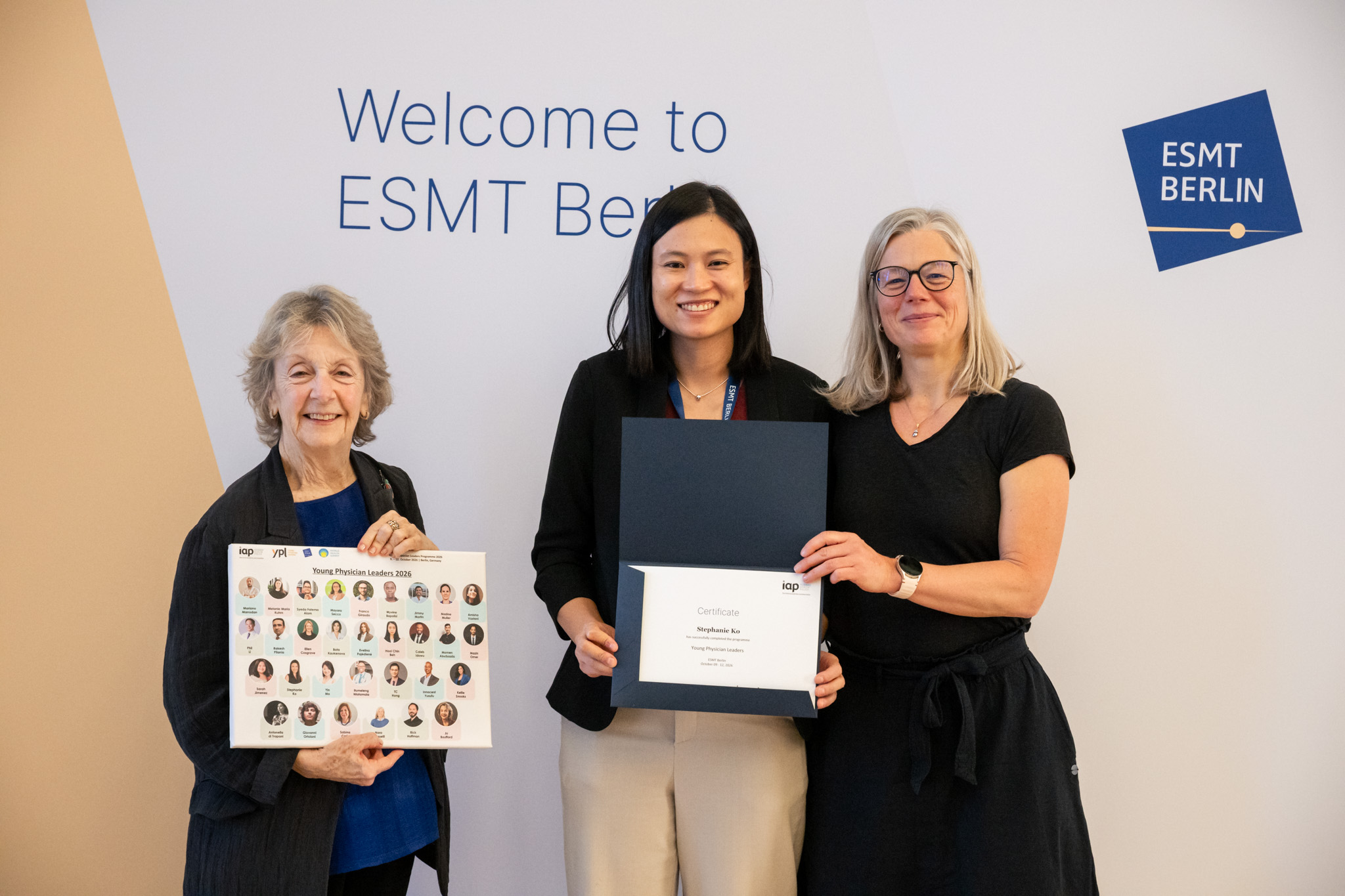
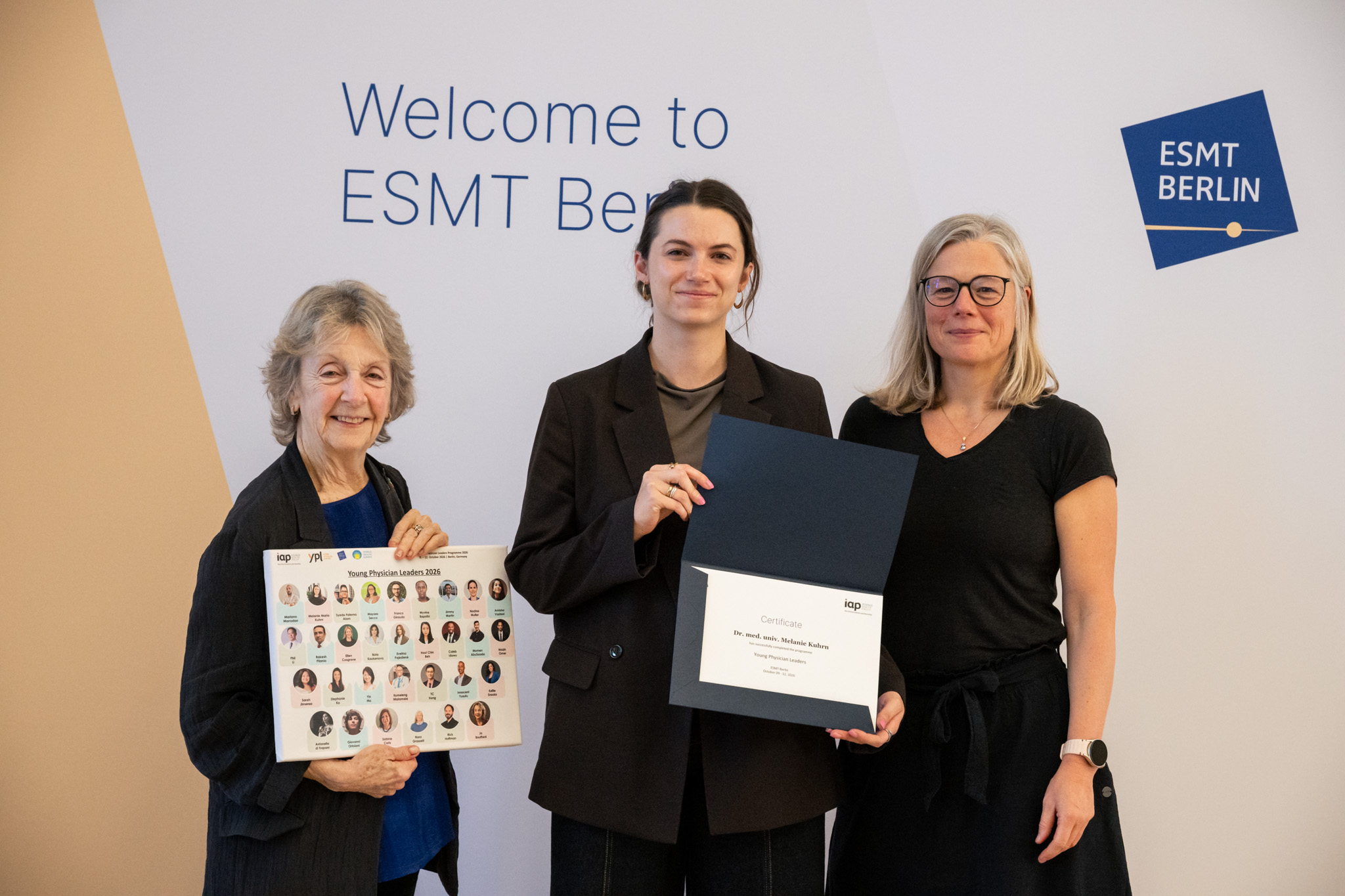
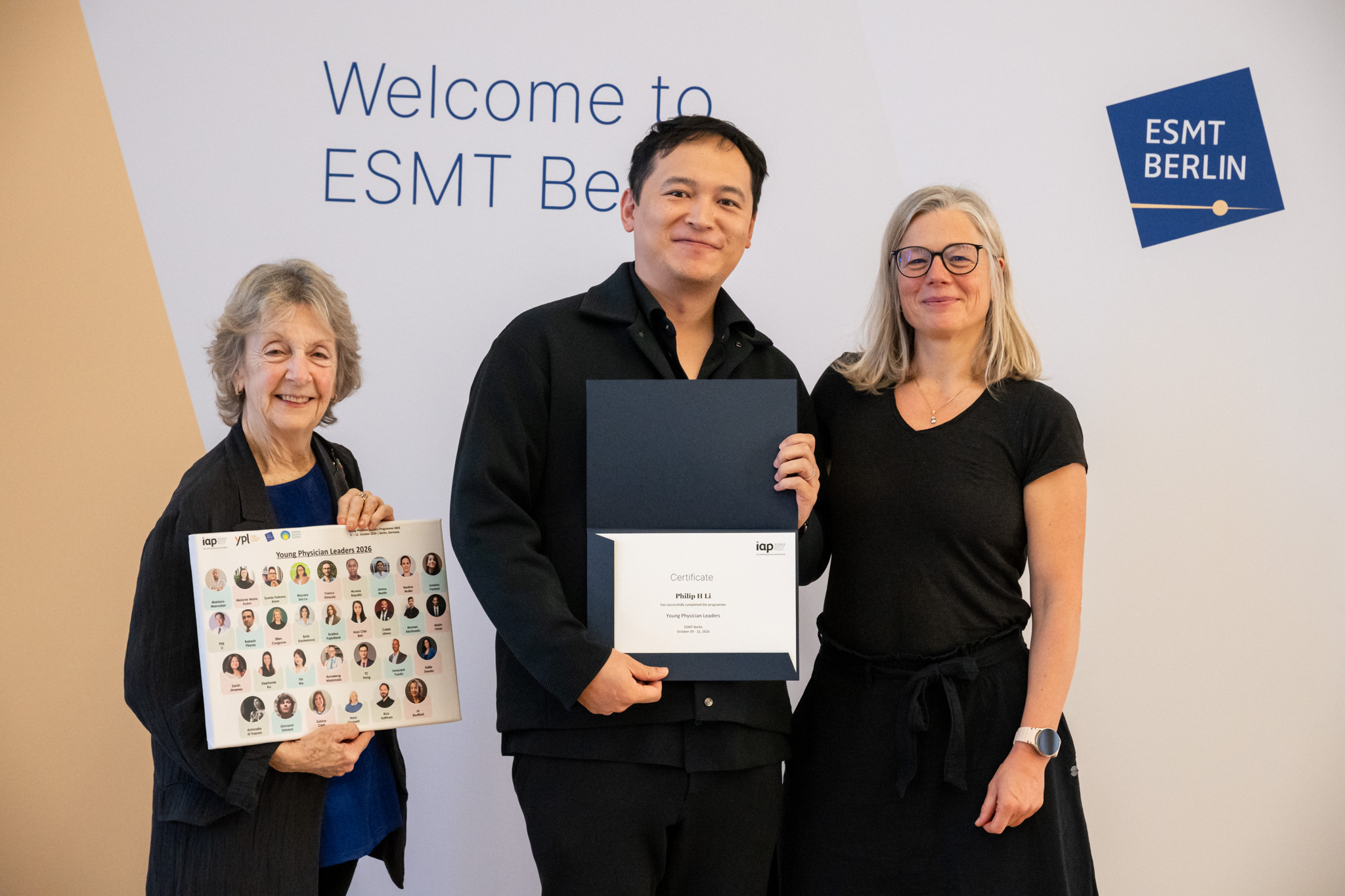
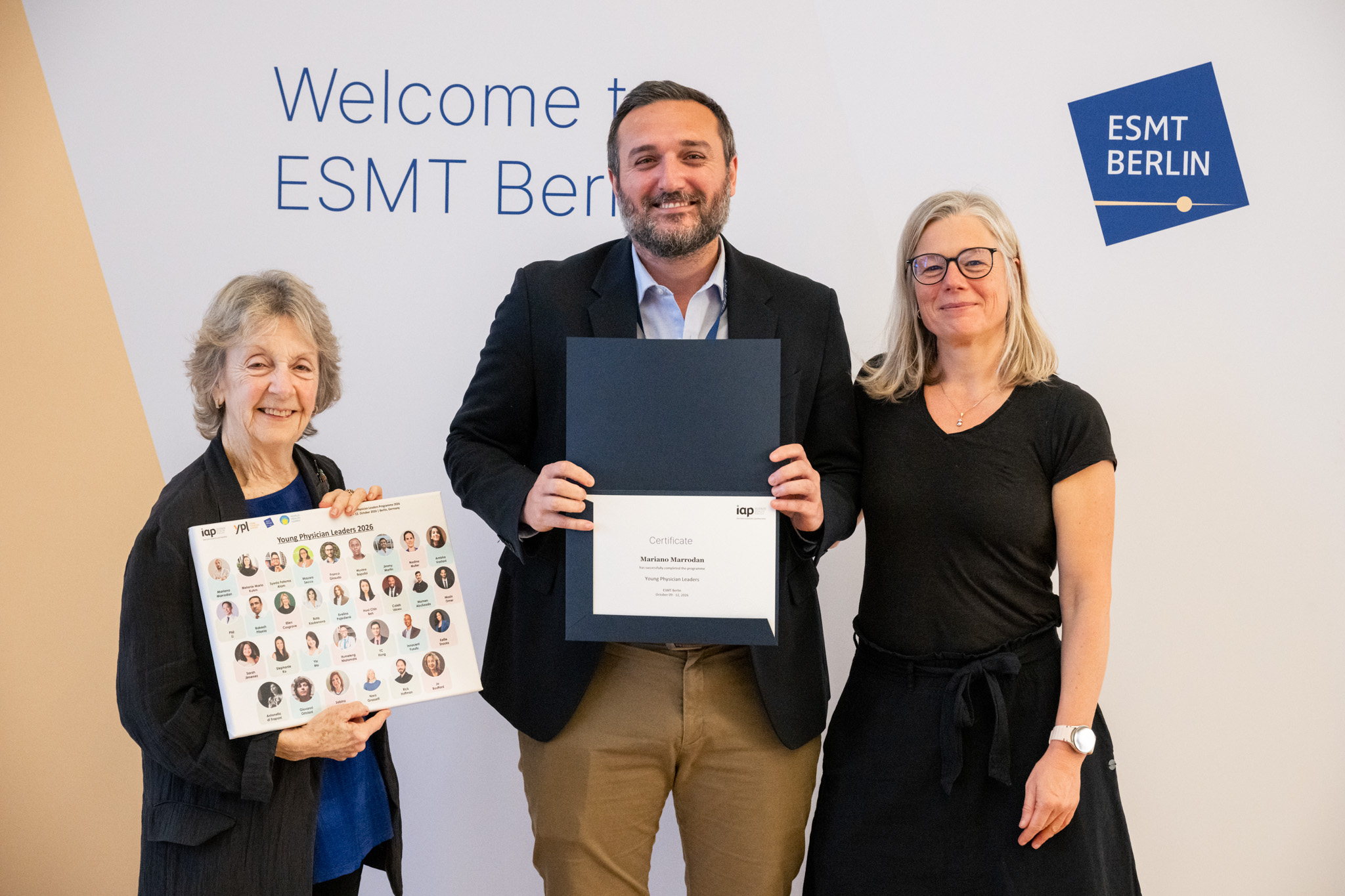
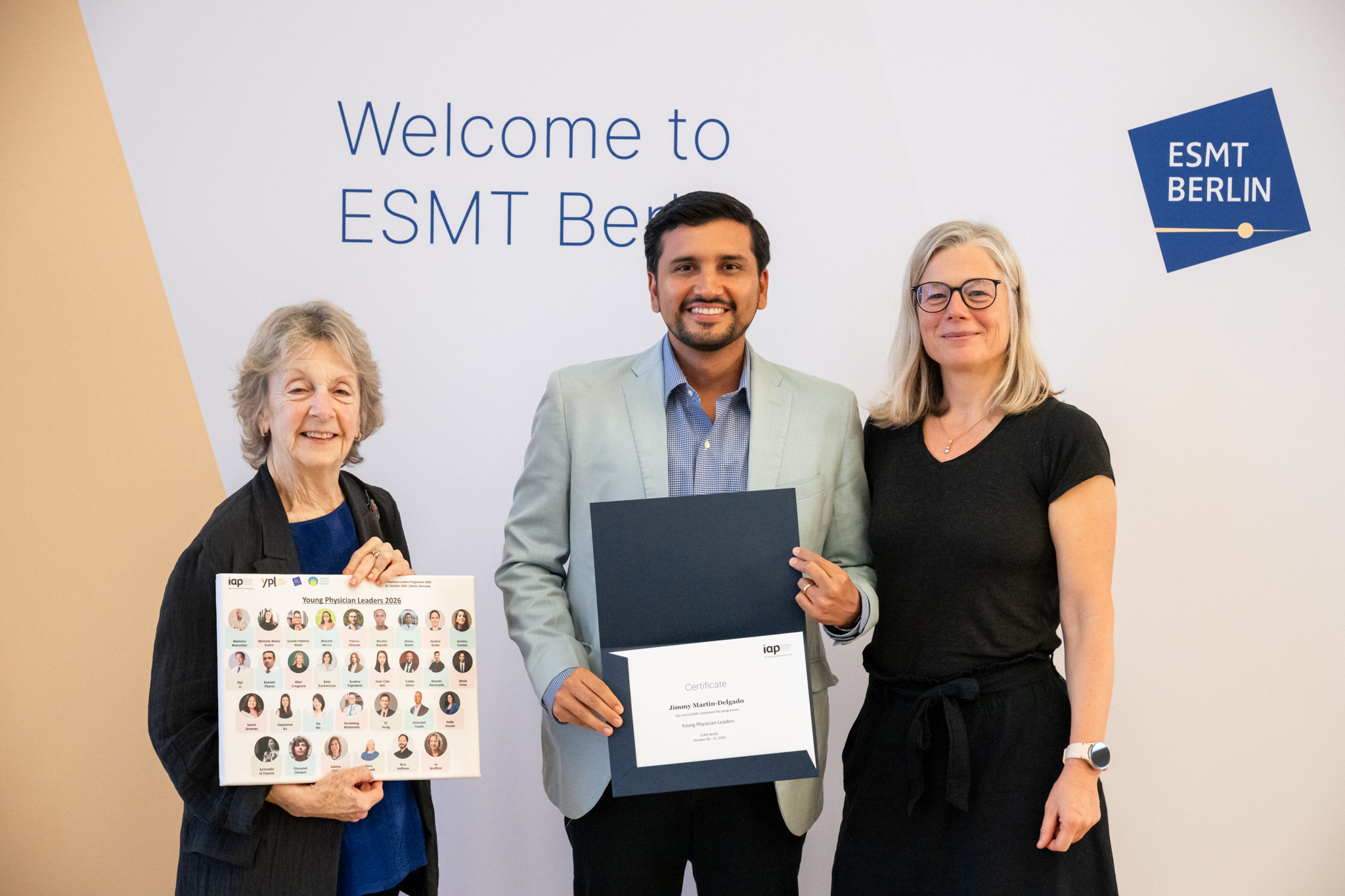
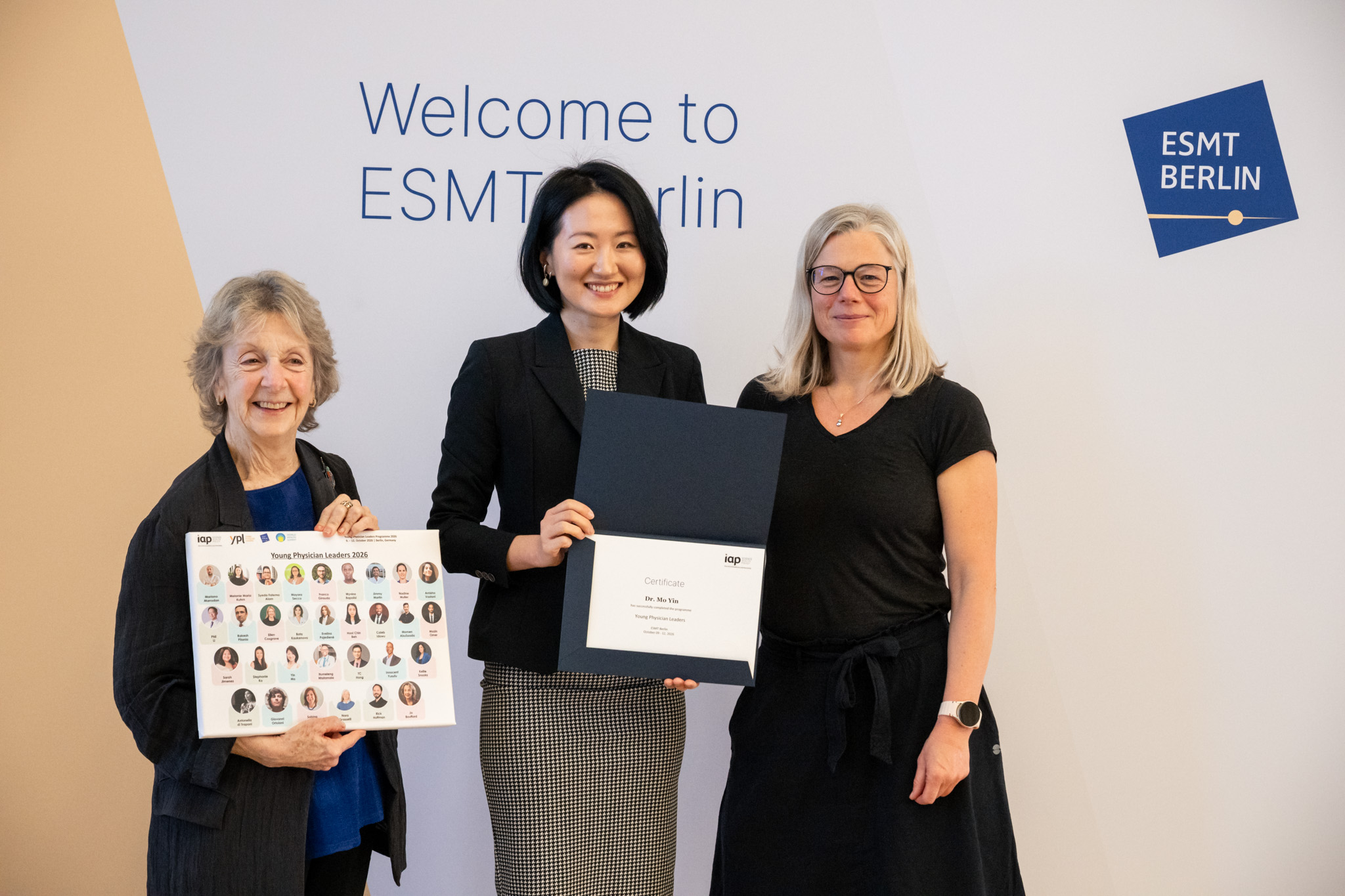
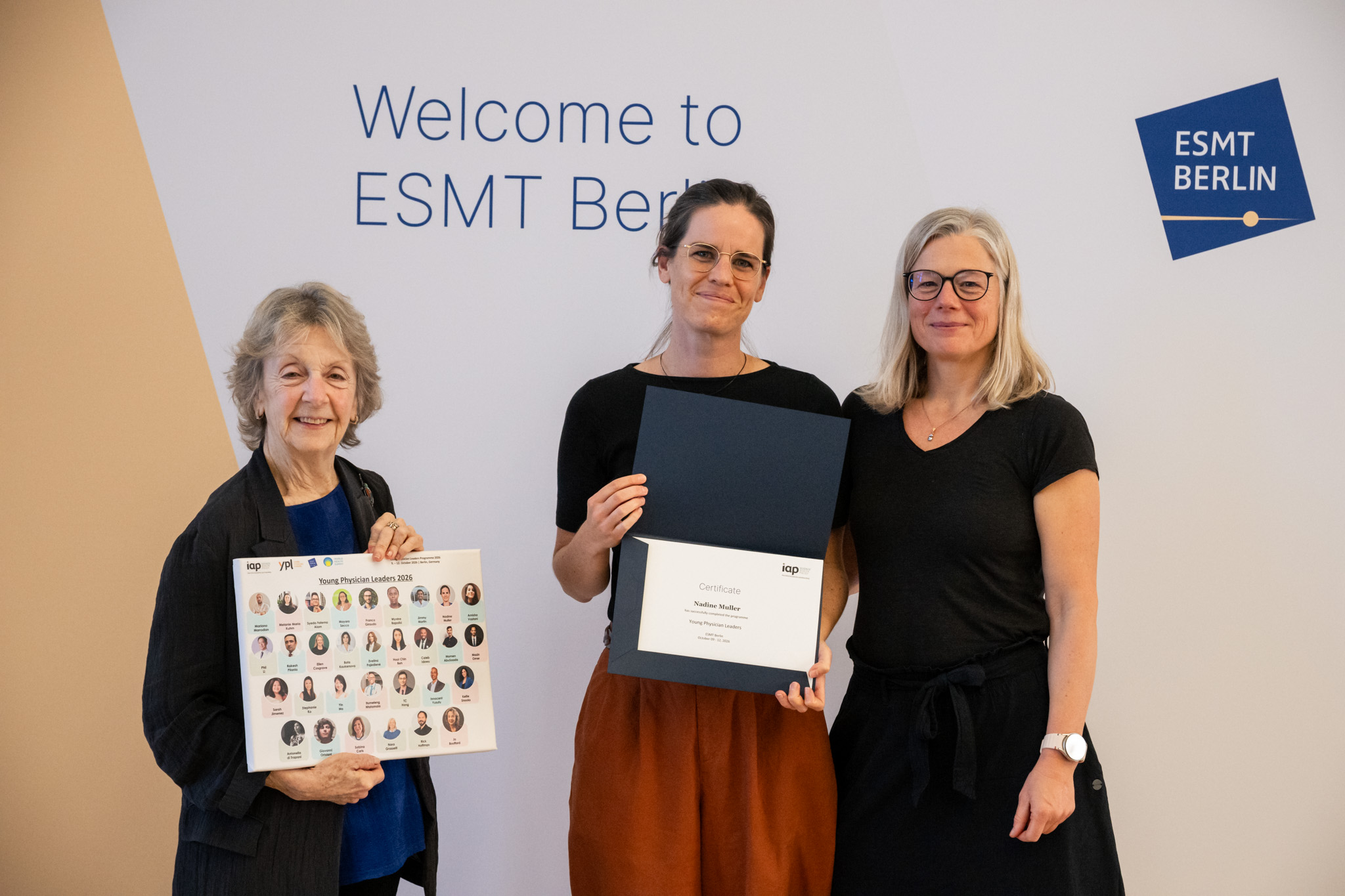
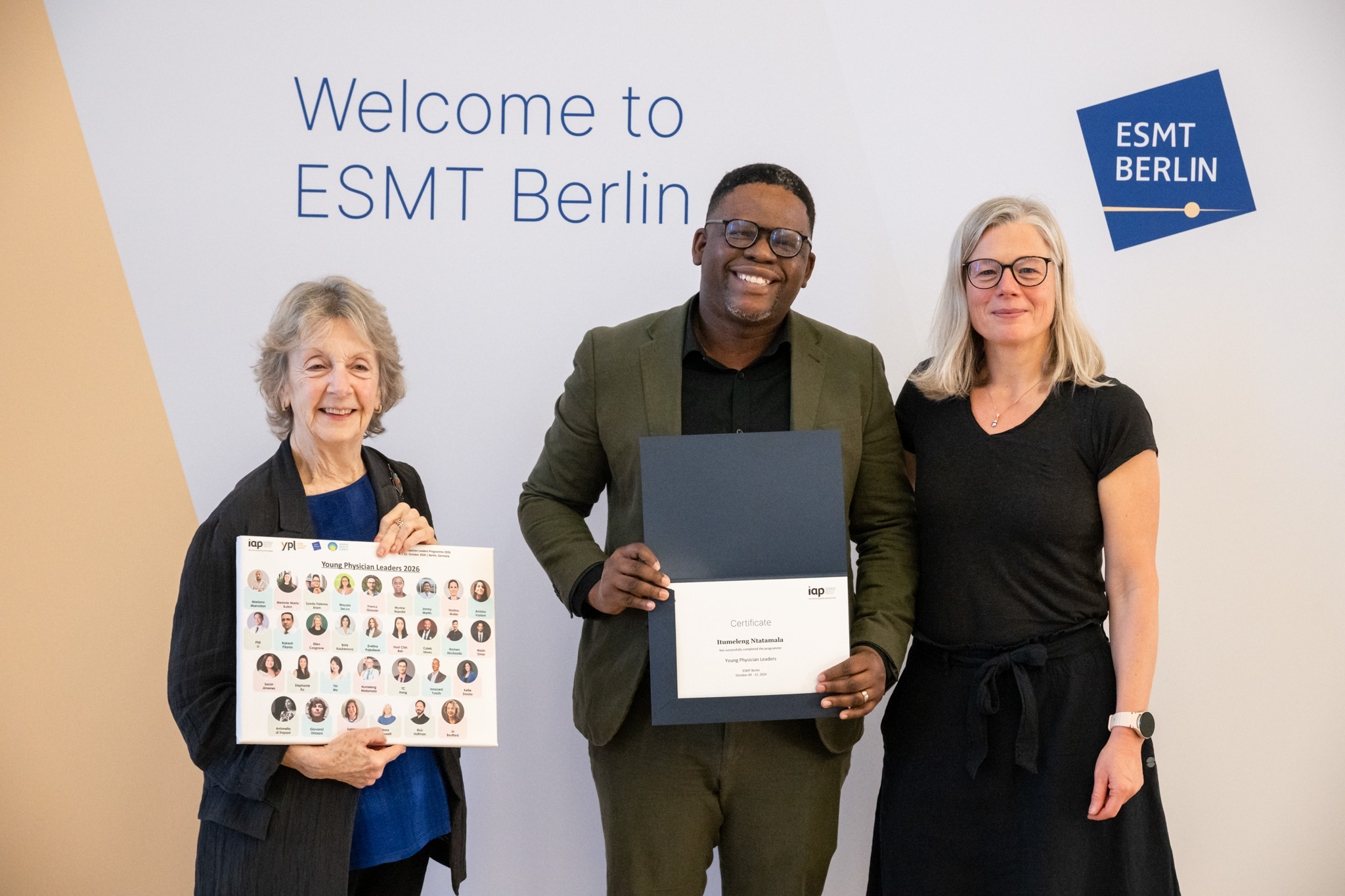
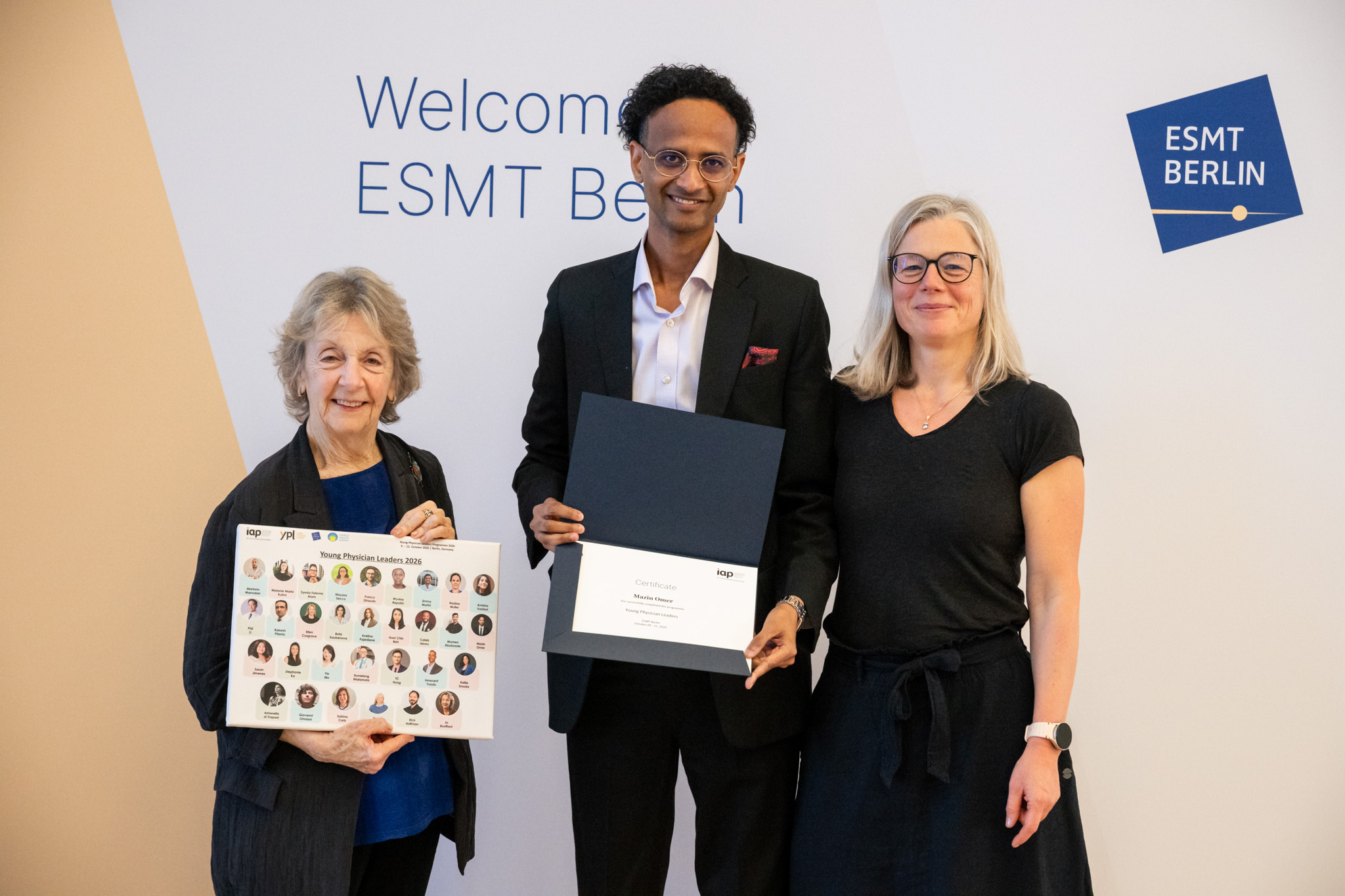
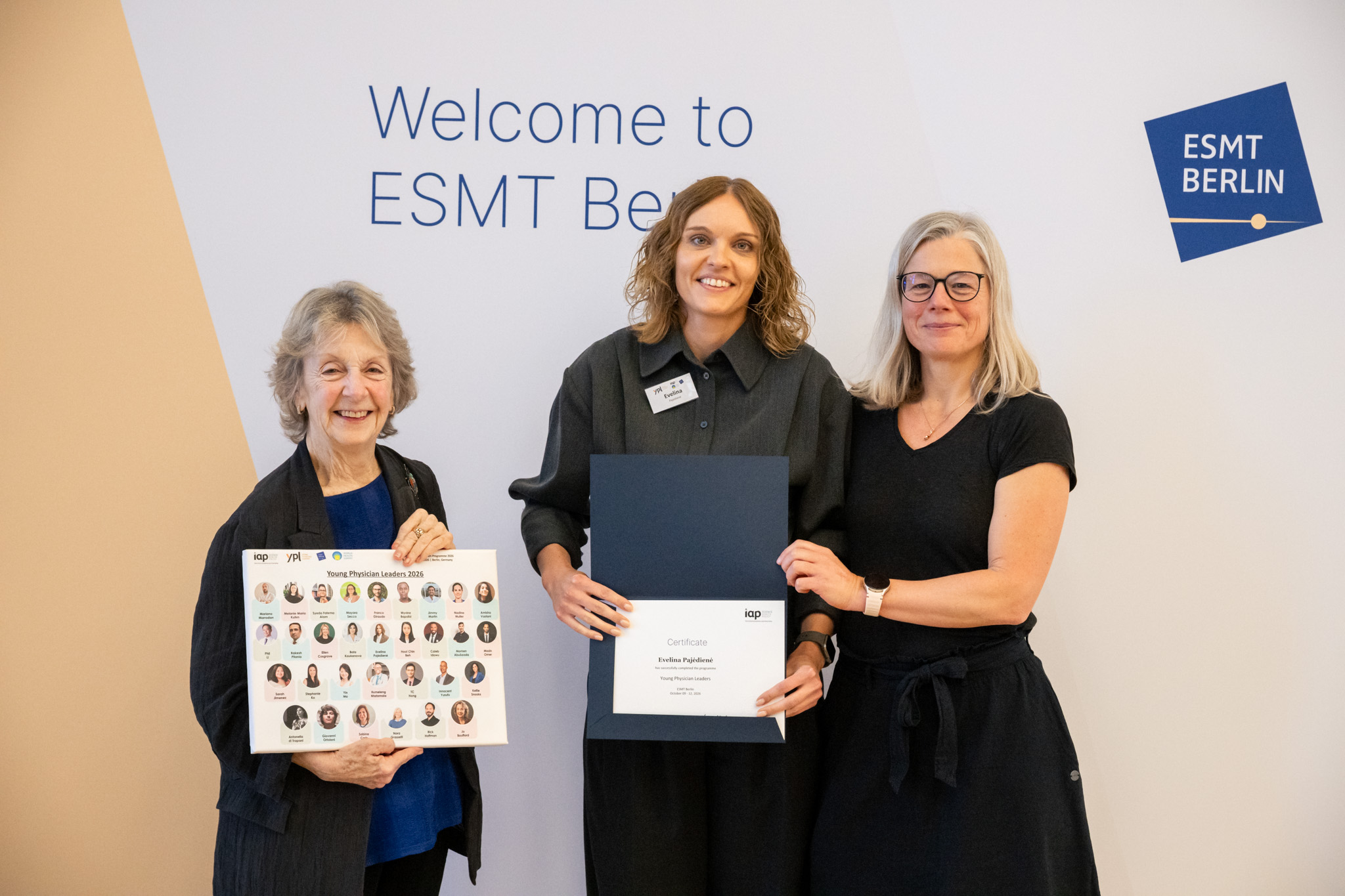
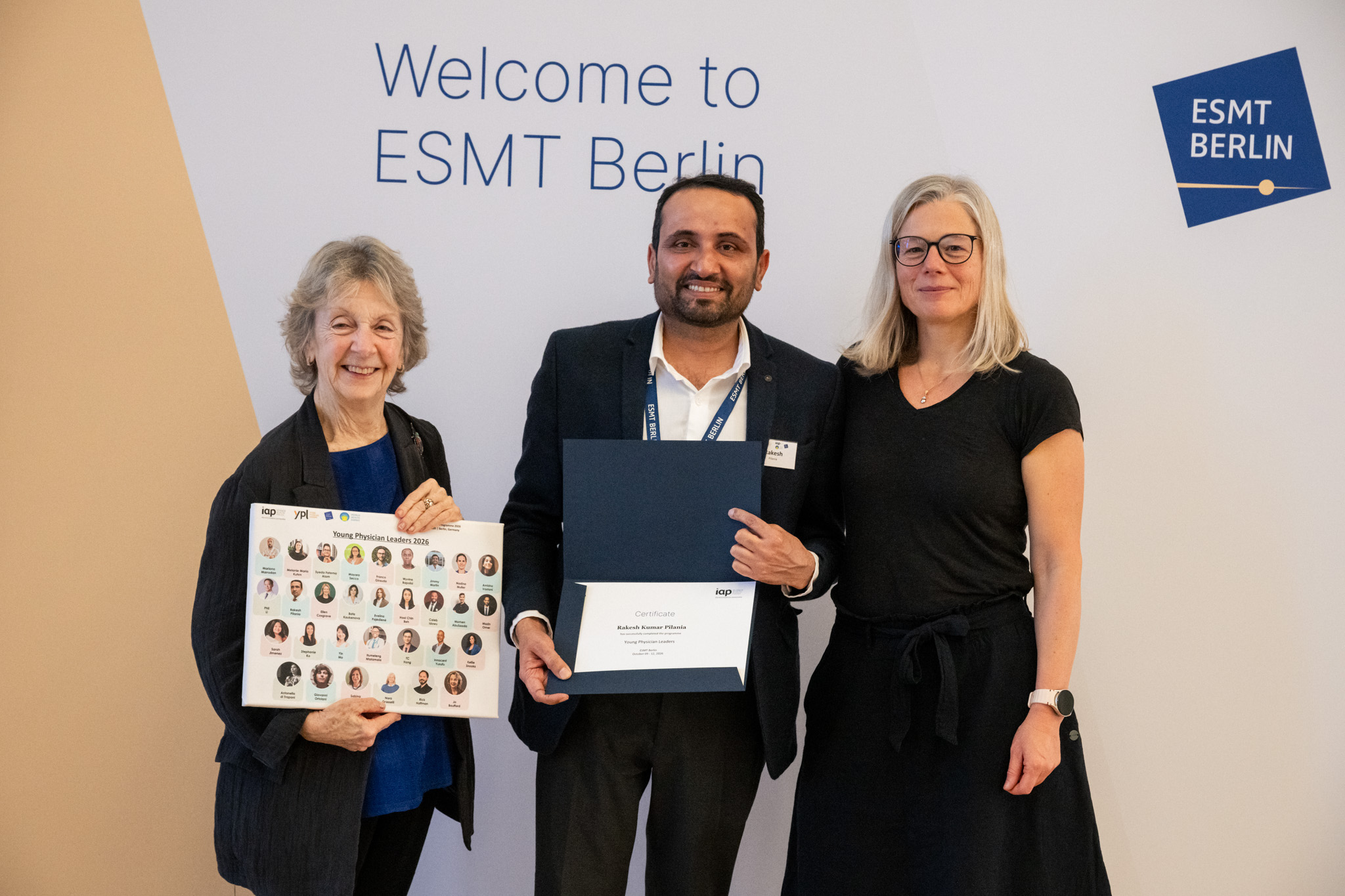
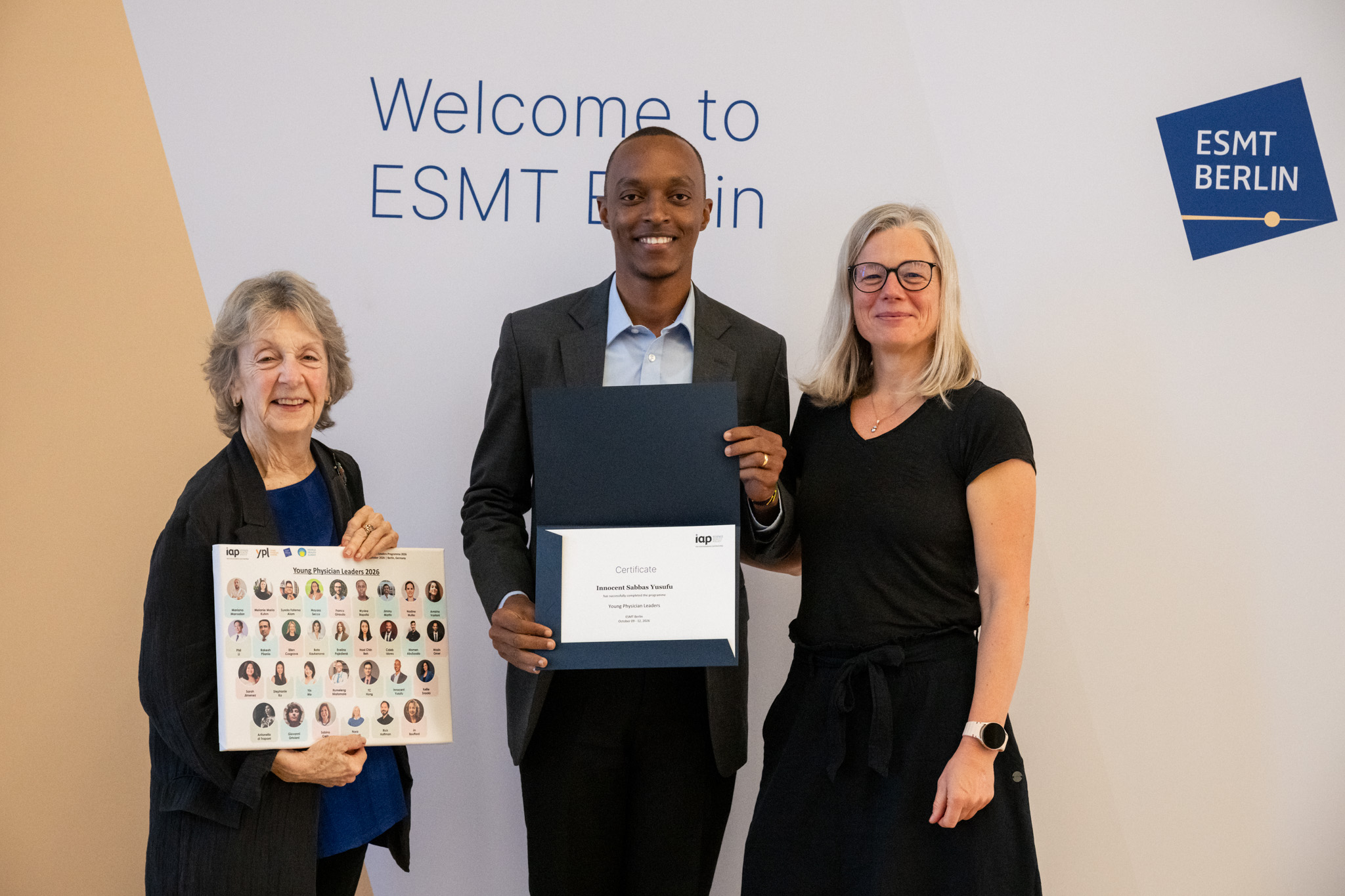
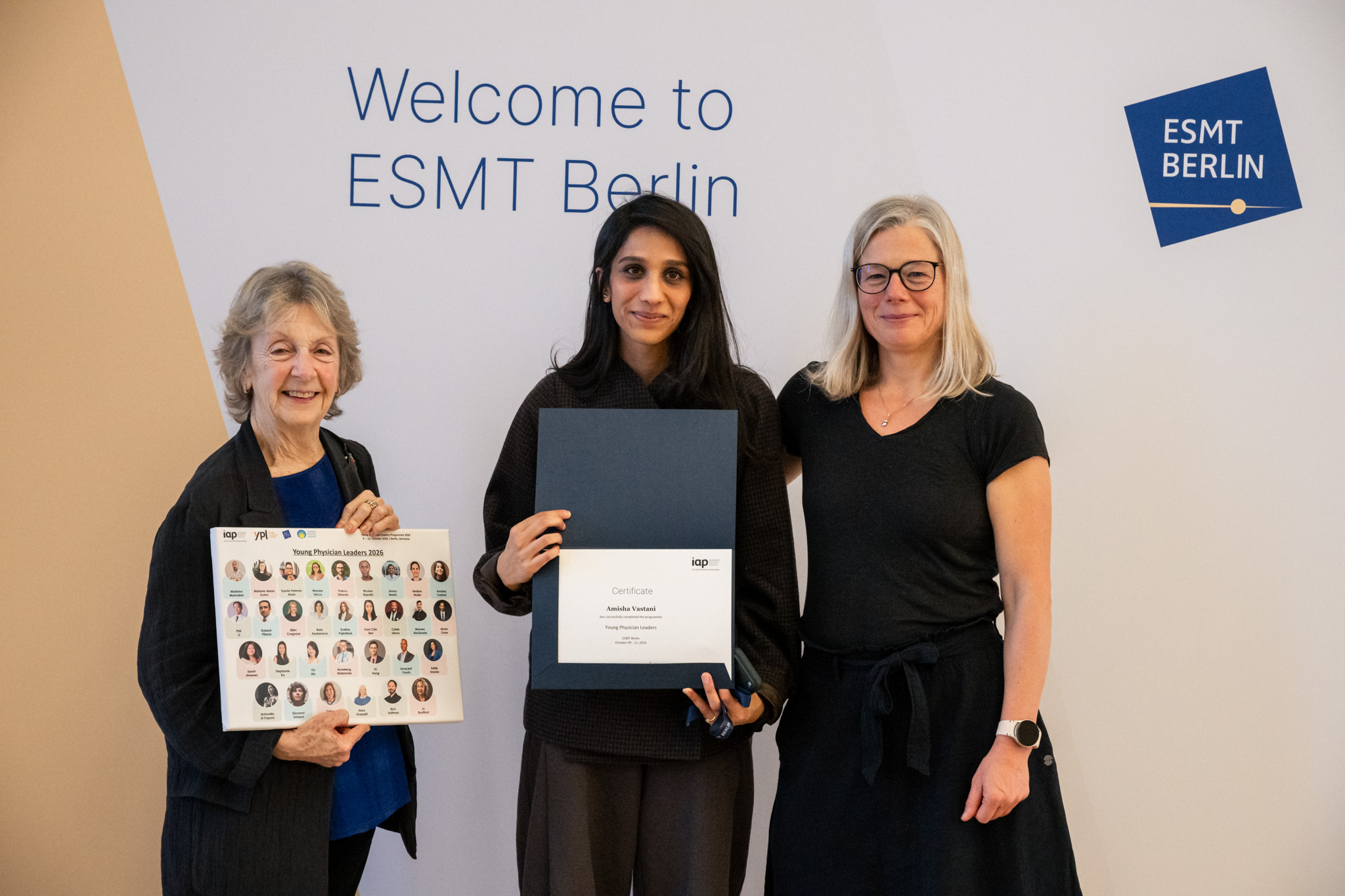
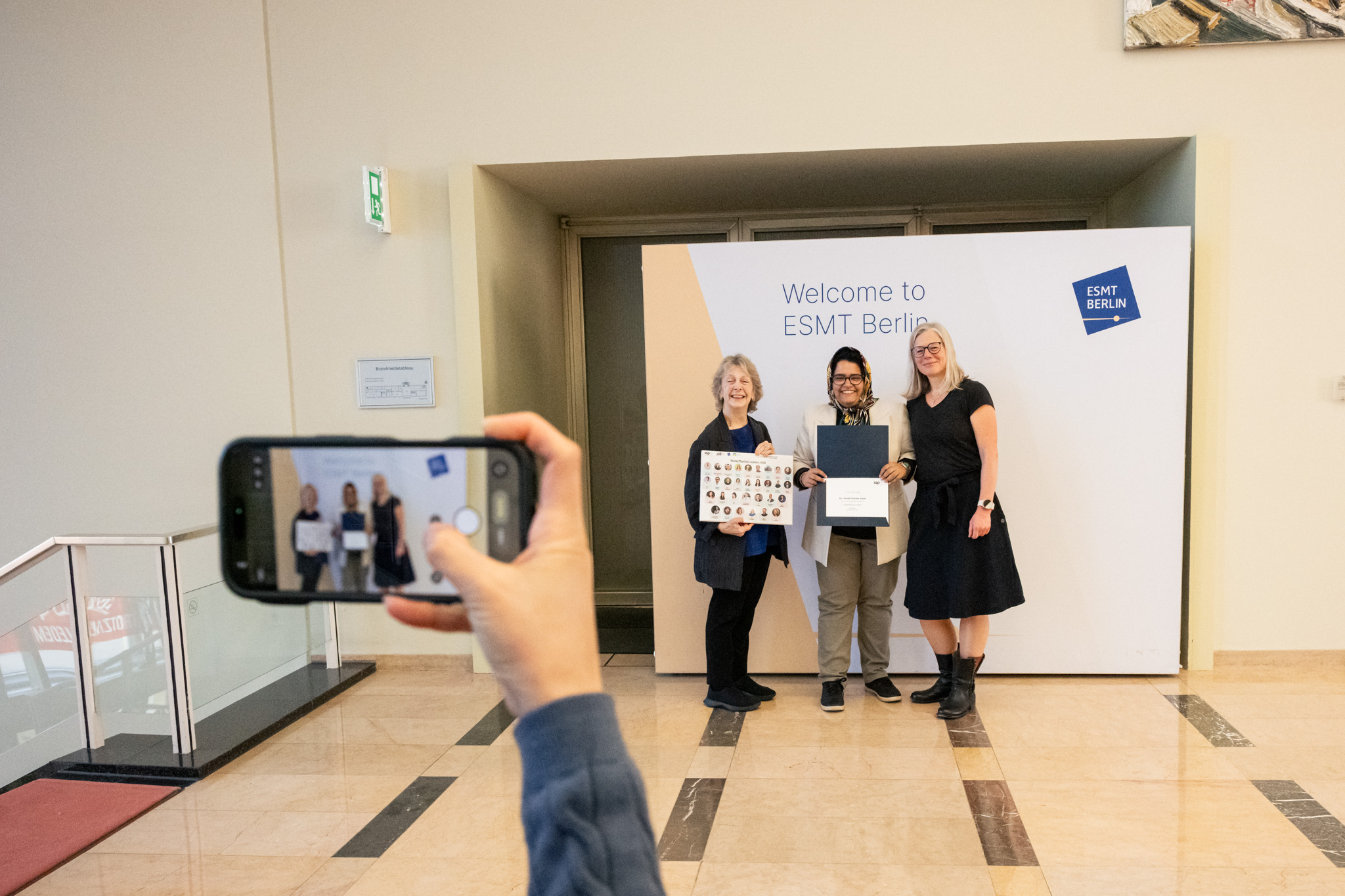
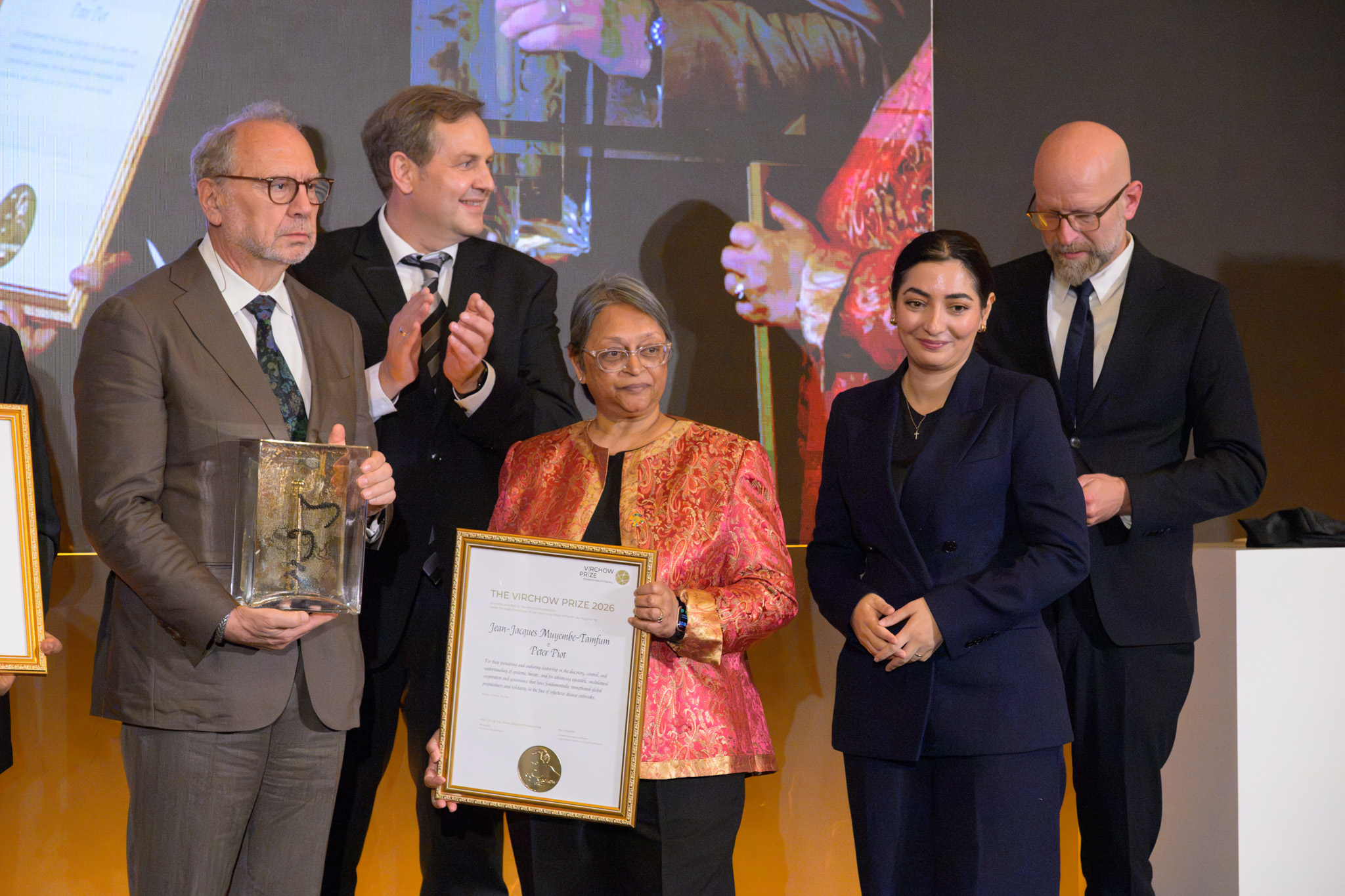
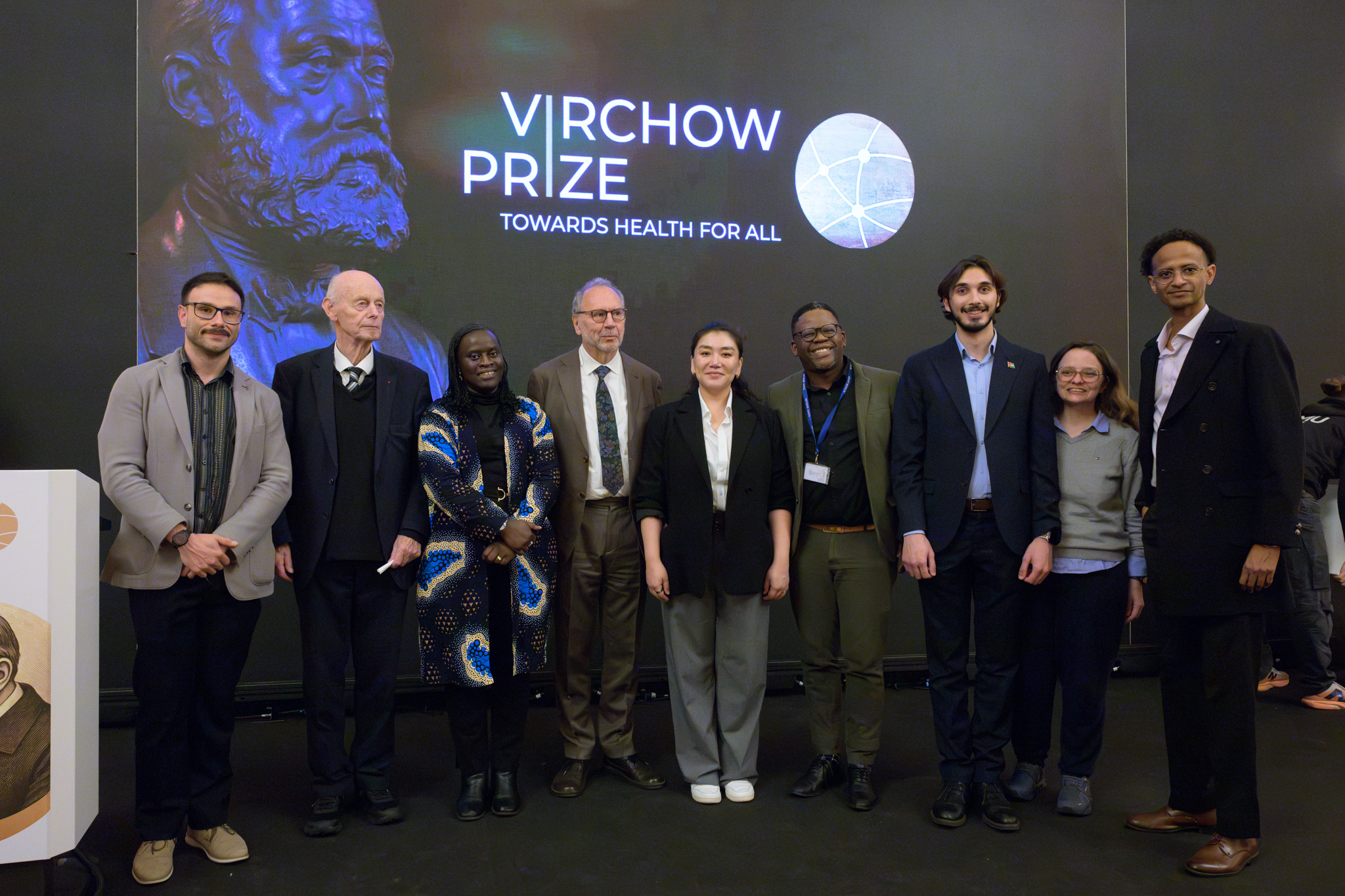
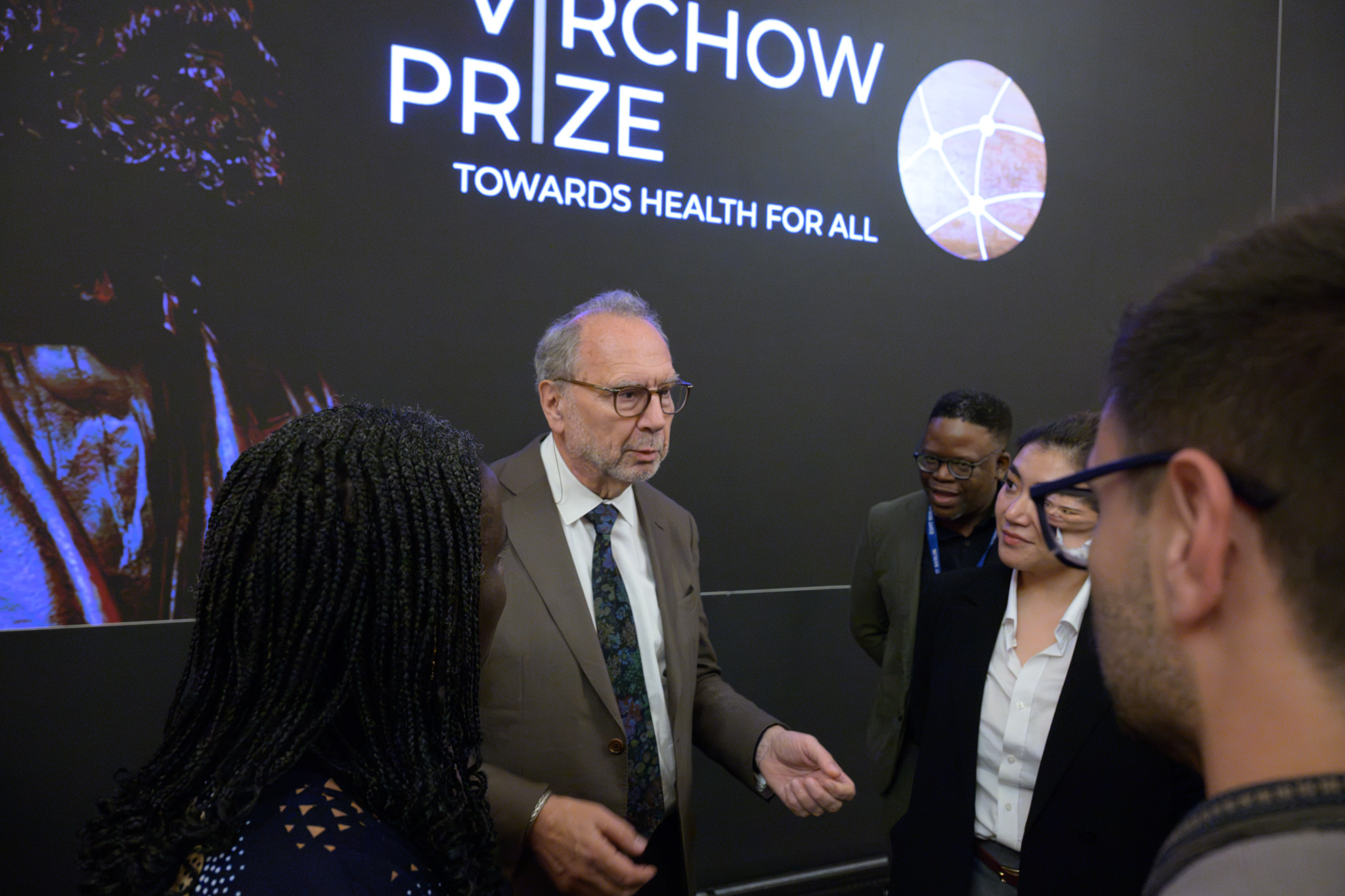
The workshop closed with a wrap-up session and the presentation of certificates. In the evening, the cohort attended the Virchow Prize Ceremony.
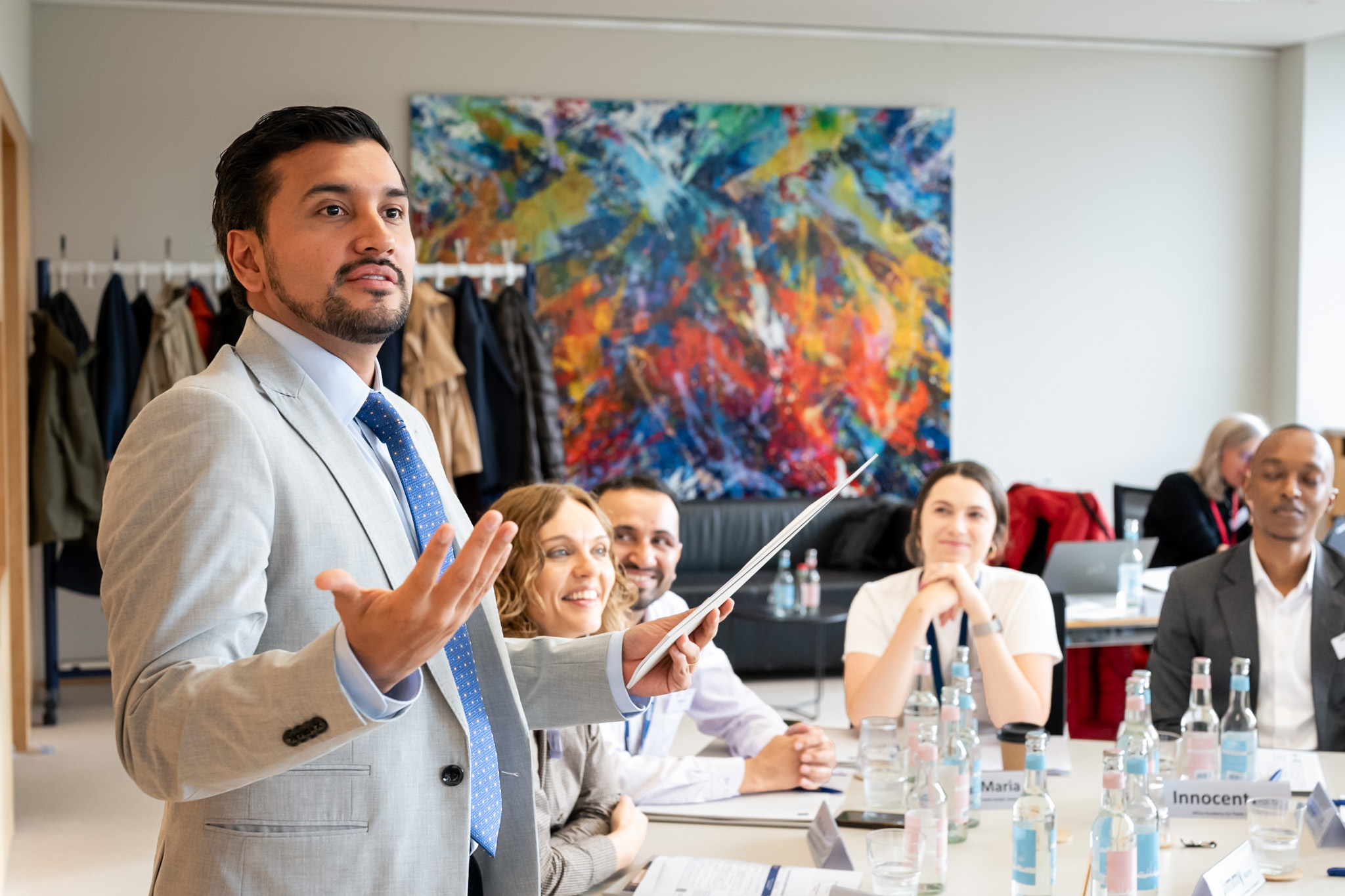
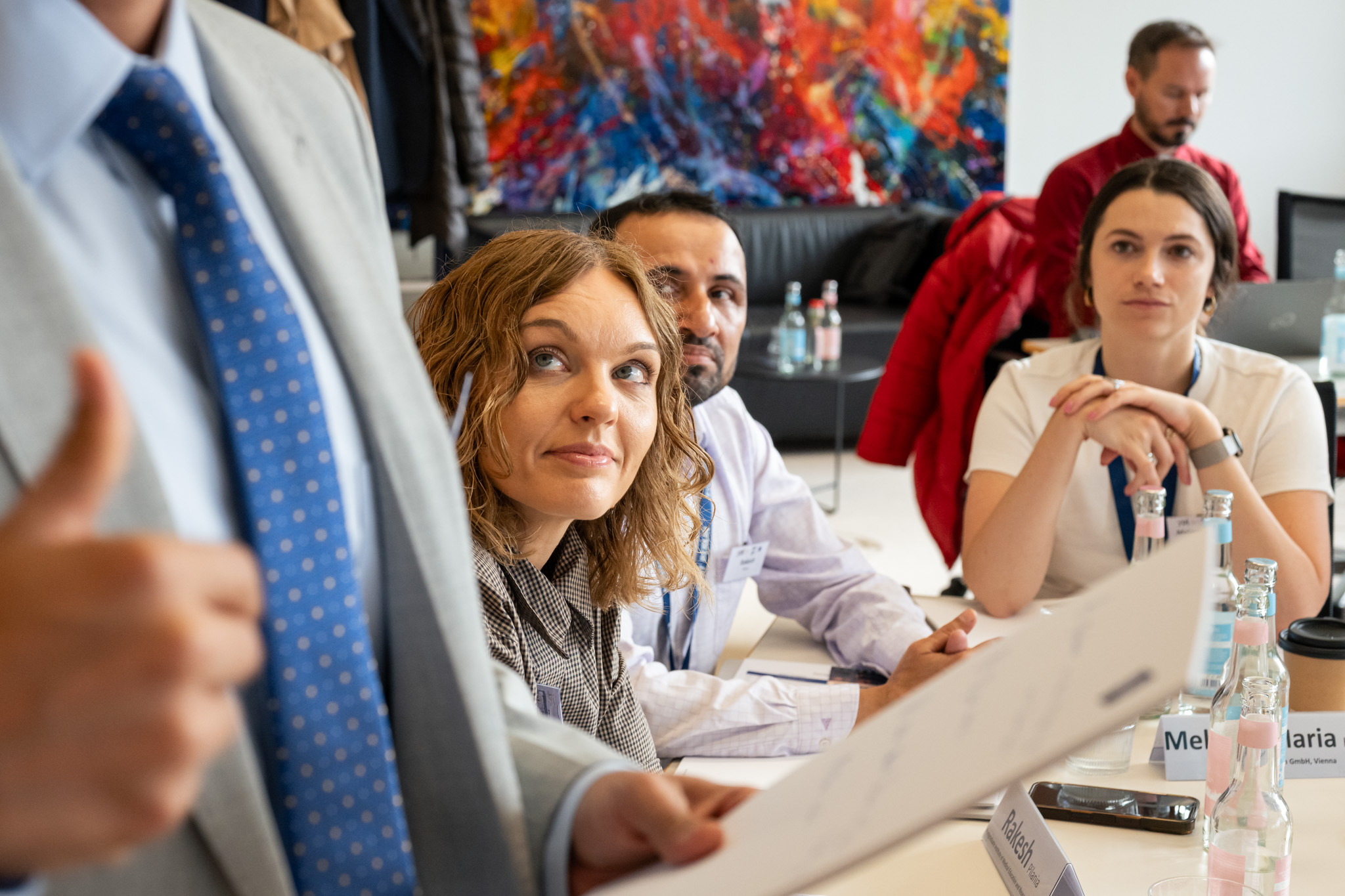
On Sunday 11 October, the cohort moved from learning about leadership to practising it. Working together, the physicians designed their own session, “From physicians... to leaders”, choosing its themes, shaping its format and deciding how to bring their perspectives from 20 countries to an international audience.
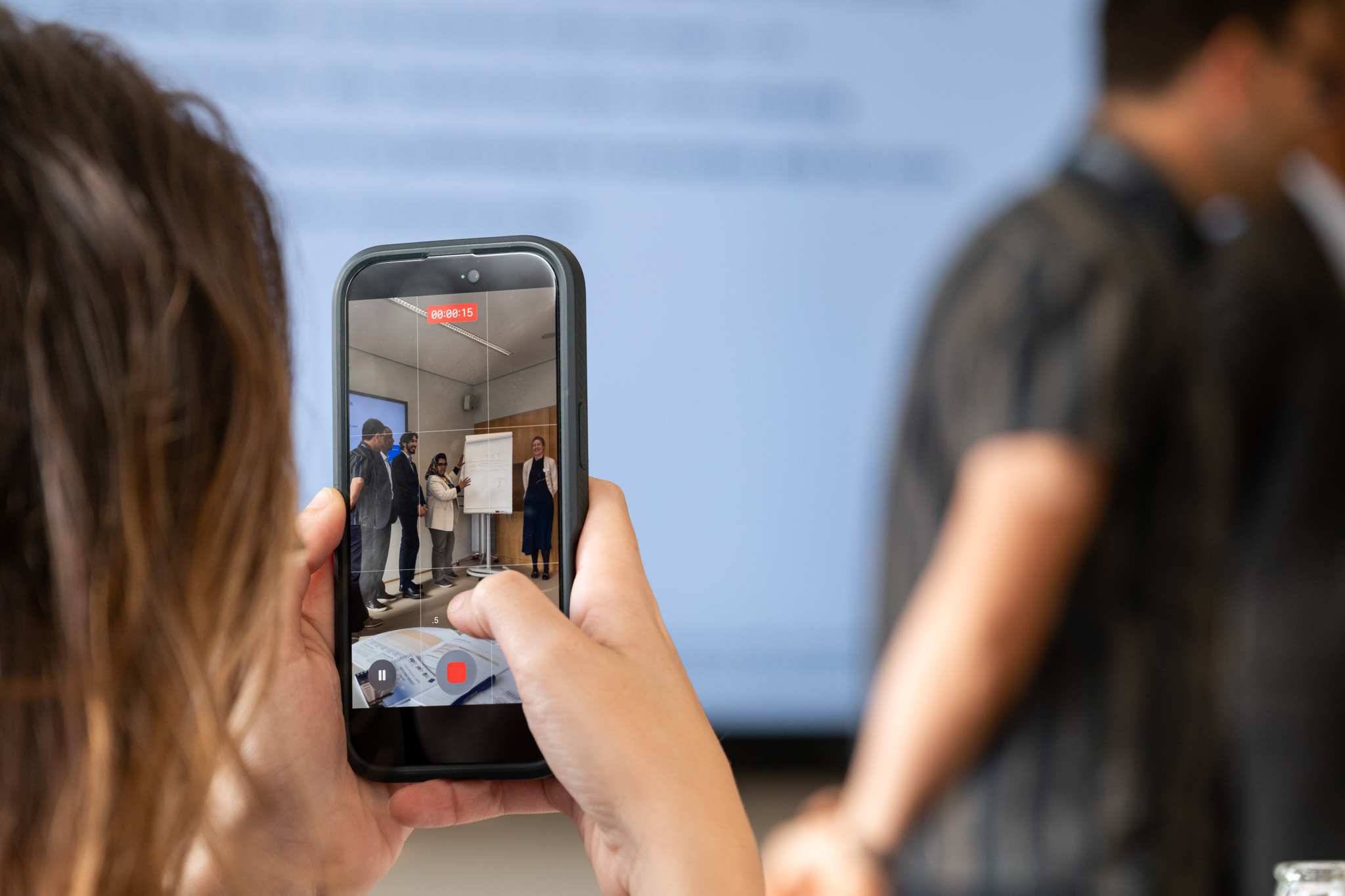
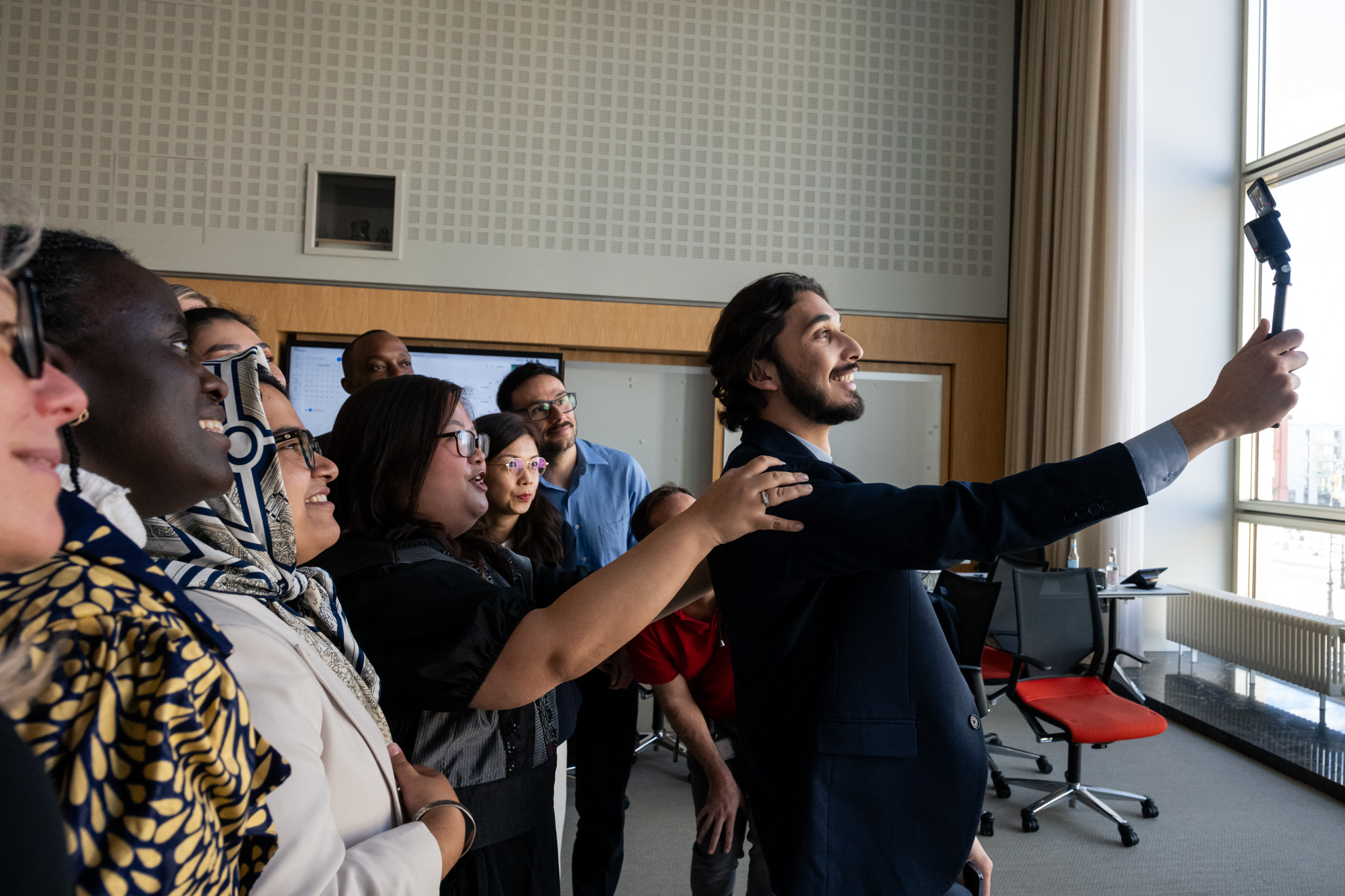
On Monday 12 October, they filmed the session at ESMT Berlin.
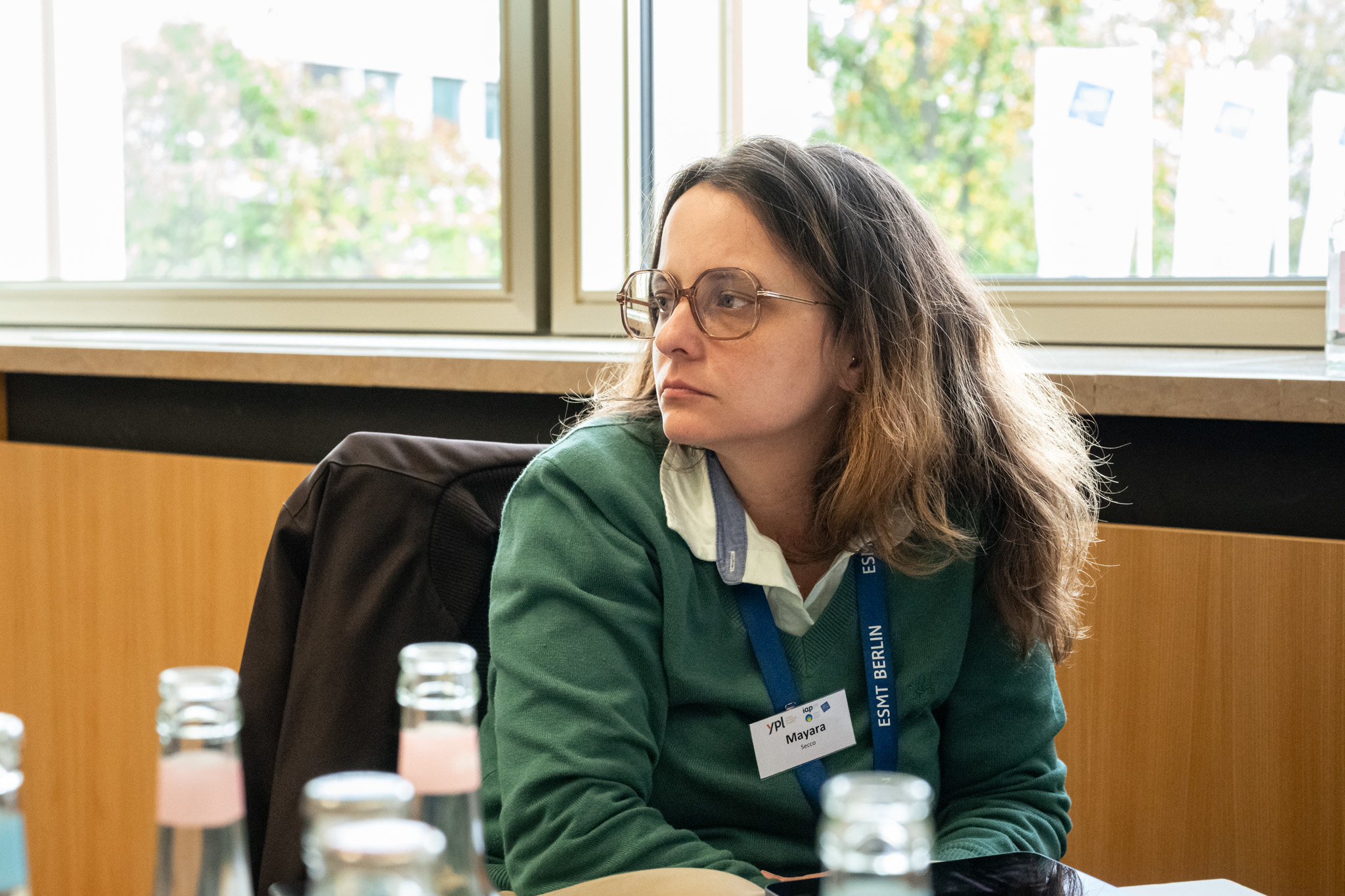
“We have an opportunity and also a responsibility to bring our perspectives, learn from others, and work alongside communities and colleagues to build health systems that leave no one behind,” said Mayara Secco Torres da Silva, an infectious diseases physician and tenured researcher at Fiocruz, Brazil.
The 2026 YPLs then attended the World Health Summit, and now join the YPL alumni network, working across health systems, academia and policy.
The YPL session will soon be available on the IAP YouTube Channel.